
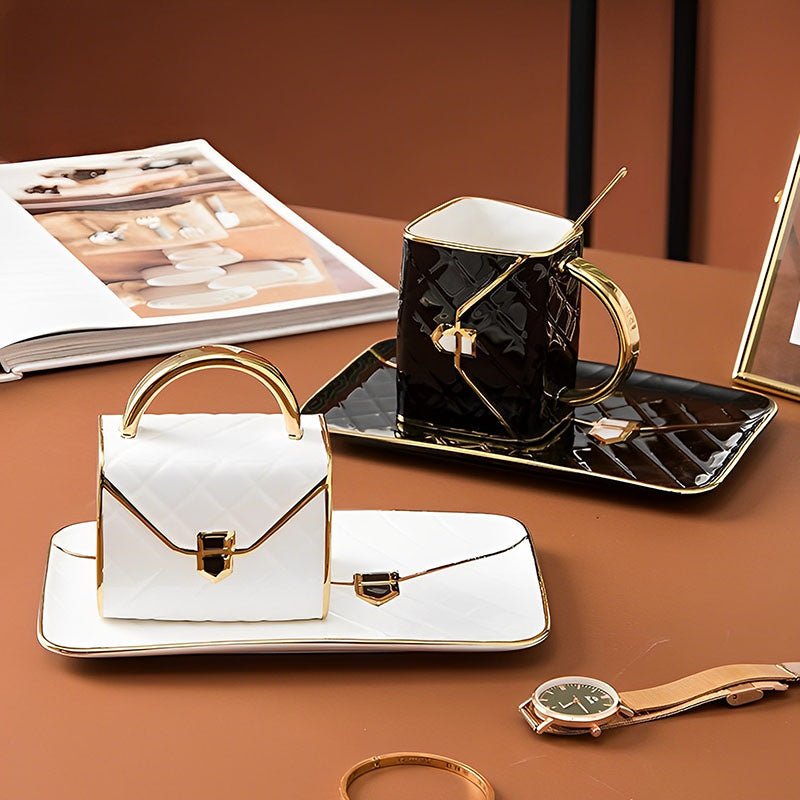
Best Coffee Mugs for Daily Use, Gifts, and Office Desks
Reading time: about 9 minutes
The mug that looks best on a product page is not always the mug people keep reaching for at 7 a.m. We see that mismatch a lot: a cup feels too thin, the handle pinches fingers, or the capacity runs out halfway through the commute to the couch. The best coffee mugs solve those small problems first.
In our store, we treat a mug like a daily tool. It has to balance well in the hand, survive regular washing, and still look good after a few dishwasher cycles. If you are comparing options right now, start with the parts that affect everyday use: material, size, handle shape, rim feel, and whether the mug matches the way you actually drink coffee.
What should the best coffee mugs do every day?
The best coffee mugs do a few simple things well. They hold heat long enough to finish a cup at a normal pace. They feel stable on a desk or counter. They pour or sip cleanly without dribbling. And they are easy to clean without babying them.
That sounds basic, but small flaws show up fast. A mug with a slightly uneven base can rock on a hard surface. A handle with too little clearance can hit your knuckles. A glossy finish with weak glazing can show wear sooner than expected. Those are the details that separate a nice-looking mug from one people keep using.
- Comfort: The handle should fit at least two fingers without scraping the mug wall.
- Stability: A flat, even base matters more than most shoppers think.
- Heat behavior: A mug should hold warmth for a normal drinking session, not just the first five sips.
- Care: It should handle routine washing without fading, crazing, or staining too quickly.
If you want a broader buying framework, our guide to Coffee Mugs: How to Choose the Right Size, Material, and Style breaks down the basics in a way that helps narrow the field quickly.
Which material works best for daily coffee use?
Material changes the feel of the mug, the way it holds heat, and how forgiving it is during daily use. For most shoppers, ceramic and stoneware are the best starting point because they are familiar, durable, and comfortable for home or office drinking. Porcelain tends to feel lighter and more refined. Stainless steel is better for temperature retention, but it does not feel like a classic coffee mug and it is usually not the right choice for a desk or dining table.
We point buyers to ceramic often because it is versatile, but not every ceramic mug is the same. A well-made mug should have a smooth glaze, a clean interior, and a handle that feels integrated rather than glued on as an afterthought. If you want a deeper breakdown of what separates a solid ceramic cup from one that chips or stains too early, read Ceramic Coffee Mugs: What to Look For Before You Buy.
| Material | Best for | Trade-offs |
|---|---|---|
| Ceramic | Everyday home use, office desks, gifting | Heavier than porcelain, can chip if knocked against sinks or counters |
| Stoneware | Hearty daily use, larger mugs, a substantial hand feel | Often thicker and heavier, which some people love and others do not |
| Porcelain | Lightweight sipping, cleaner look, more refined tables | Can feel thinner and more delicate in busy kitchens |
| Stainless steel | Heat retention and rougher travel use | Not ideal if you want the classic mug feel or a relaxed desk setup |
One limitation worth calling out: a mug that is great for everyday coffee is not automatically the best choice for travel. If you need to keep coffee hot for a long commute, an insulated travel cup is the better tool.
What size is right for your routine?
Size is where a lot of people overbuy or undersize. An 8 to 10 ounce mug is fine if you drink a standard drip coffee and want a compact cup. A 12 to 14 ounce mug gives more room for milk, cream, or a longer sip at a desk. Anything larger starts to make sense if you like big pours, tea, cocoa, or a mug that doubles as a small soup bowl.
We see two common mistakes. First, shoppers buy a large mug because it sounds practical, then realize it is too heavy when full. Second, they choose a small mug for the clean look, then end up making two trips to the machine. If that second problem sounds familiar, our A buyer's guide to large capacity coffee mugs is useful before you commit.
- Choose compact mugs if you drink coffee quickly and want a lighter feel in the hand.
- Choose mid-size mugs if you take milk, like a fuller serving, or keep the mug on a desk for a while.
- Choose large mugs if you want one cup to cover a long work session, tea, or a more relaxed morning routine.
For shoppers comparing multiple shapes, it helps to think beyond ounces. A wide mug can feel bigger than the listed capacity suggests, while a taller mug may look smaller but still hold a lot. Shape affects comfort, shelf space, and how quickly the drink cools.
Which details tell you a mug will feel good in hand?
Handle design tells you a lot before the first sip. The opening should be large enough that two fingers slide through without forcing your grip into the side of the mug. The handle should also sit far enough from the body to avoid heat transfer and finger contact with the hot wall.
We also look closely at the rim, base, and wall thickness. A slightly rounded rim feels better to drink from than a sharp one. A flat, smooth foot ring keeps the mug from wobbling on a countertop. And a wall that is not overly thick will usually feel more balanced, especially if you drink directly from the mug instead of from a lid.
Our rule in the store is simple: if a mug feels awkward empty, it usually feels worse once it is full.
Common defect modes are easy to miss in photos but show up in use. Crazing can appear as tiny glaze lines after repeated temperature changes. A chipped rim can start from a sink bump. A poorly attached handle may not fail immediately, but it can feel flexy or uneven from the start. That is why we care about the pieces that are easy to overlook when shopping online.
Which mugs work best for office desks, gifting, and fun picks?
The best coffee mugs for an office desk are usually the ones that feel reliable and unobtrusive. They should be easy to rinse, stable on a crowded table, and not so oversized that they take over the workspace. A funny mug can work well here if the message is something the person will actually want to see every day. If you are shopping for that angle, our post on Coffee Funny Mugs That Get Used at Home and at Work covers the practical side of office humor.
For gifts, the best choice is usually a mug that feels specific without being too niche. A clean ceramic mug is easy to give because it works for coffee, tea, cocoa, or even desk storage later on. Seasonal styles can be strong gift picks too, especially if you want something that feels timely but still usable after the holidays. We break that down in Christmas Coffee Mugs: How to Choose Gifts, Sets, and Everyday Favorites.
Trade-off to keep in mind: novelty is not always durable. A bold graphic can make a gift feel special, but a cleaner everyday mug is usually the safer buy if you want repeat use.
How should you care for a mug so it lasts?
Most coffee mugs do best with normal washing and reasonable handling. If a mug is labeled dishwasher-safe, top-rack washing is still the safer habit, especially for printed designs and detailed glazes. Hand washing is the gentlest option when you want to preserve artwork or a polished finish for longer.
Avoid sudden temperature swings. Pouring boiling liquid into a cold ceramic mug and then rinsing it with cold water can increase stress on the glaze and body. The same goes for moving a mug straight from the freezer to hot coffee. That kind of thermal shock is hard on any ceramic piece.
- Rinse soon after use if you drink dark coffee or tea regularly.
- Use a soft sponge on decorated surfaces to reduce wear.
- Check for hairline cracks or chips around the rim and handle before heavy use.
- Store mugs with a little spacing if the stack or shelf tends to knock them together.
If a mug has metallic accents, printed trim, or a finish that looks especially decorative, treat it as a presentation piece first and a workhorse second. That does not make it worse. It just means the right buyer is someone who values appearance as much as durability.
What is the fastest way to narrow down the best coffee mugs?
Use a simple filter. Start with the way you drink, then the way you clean, then the way you want the mug to look on the table. That sequence saves time because it weeds out the styles that will annoy you later.
- Pick the size first. Decide whether you want compact, mid-size, or large capacity.
- Choose the material. Ceramic and stoneware fit most home buyers; porcelain suits lighter, more refined use.
- Check the handle. Make sure it looks comfortable enough for your hand size.
- Think about care. Decide whether you want easy dishwasher use or do not mind hand washing a more decorative mug.
- Match the use case. Office desk, kitchen counter, gift, or seasonal display each favors a slightly different style.
If you want to browse the full range and compare styles side by side, start with our collection of coffee mugs and then narrow by size, finish, and use case. If you are ready to shop directly, our current mug selection is here: products.
Frequently asked questions
What size coffee mug is best for daily use?
For most people, 12 to 14 ounces is the most practical range. It leaves room for milk or extra coffee without feeling oversized on a desk. If you drink quickly and like a lighter cup, 8 to 10 ounces can still be the better fit.
Are ceramic coffee mugs better than stoneware?
Neither is universally better. Ceramic often feels a little cleaner and more familiar, while stoneware usually feels thicker and more substantial. If you want a mug that feels sturdy in the hand, stoneware is a good choice. If you prefer a lighter everyday cup, ceramic is easier to live with.
Can I put all coffee mugs in the dishwasher?
No. Many mugs are dishwasher-safe, but decorative printing, metallic details, and some specialty finishes need more careful washing. If you want the mug to keep looking good longer, top-rack washing or hand washing is safer.
What makes a mug uncomfortable to hold?
A handle that is too small, too close to the hot body, or awkwardly shaped is the most common problem. Weight matters too. A large mug that feels fine empty can become tiring once it is full.
What should I avoid if I want a mug to last?
Avoid sudden temperature changes, hard knocks against sinks or counters, and stacking mugs so tightly that rims rub together. Those are the most common ways we see mugs chip, crack, or show wear early.
If you want the best coffee mugs for real daily use, choose by size first, then material, then handle comfort. That simple order gets you closer to a mug you will actually keep reaching for, not one that just photographs well.
More from our blog
Read more
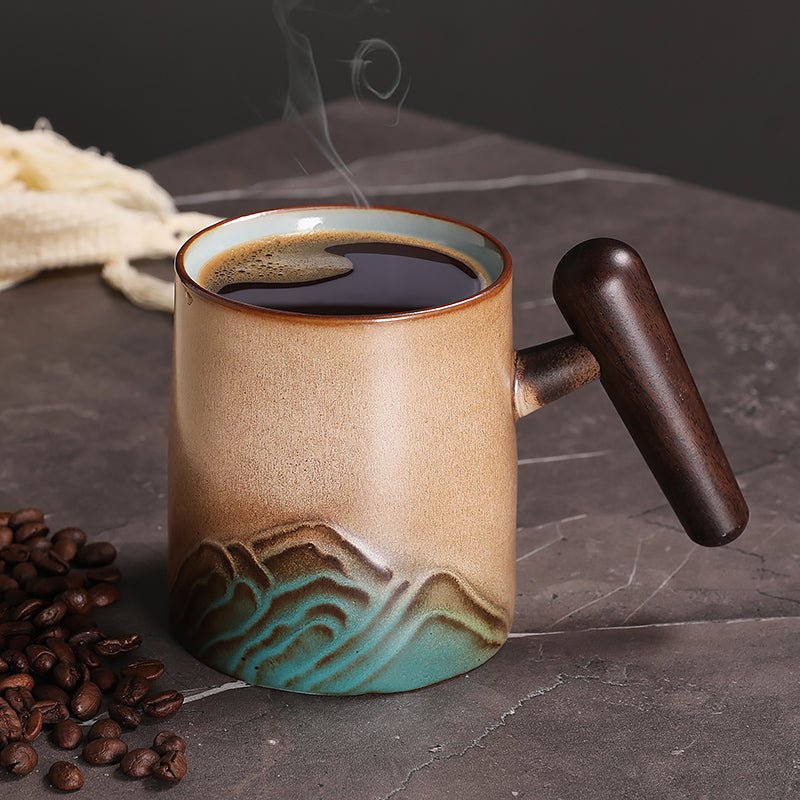
Copper Mug Coffee: What to Check Before You Buy
Copper mug coffee can be a smart buy for iced coffee, coffee cocktails, and table-ready serving, but only if the mug is lined and sized right. We break down what to check, what to avoid, and how it...
Подробнее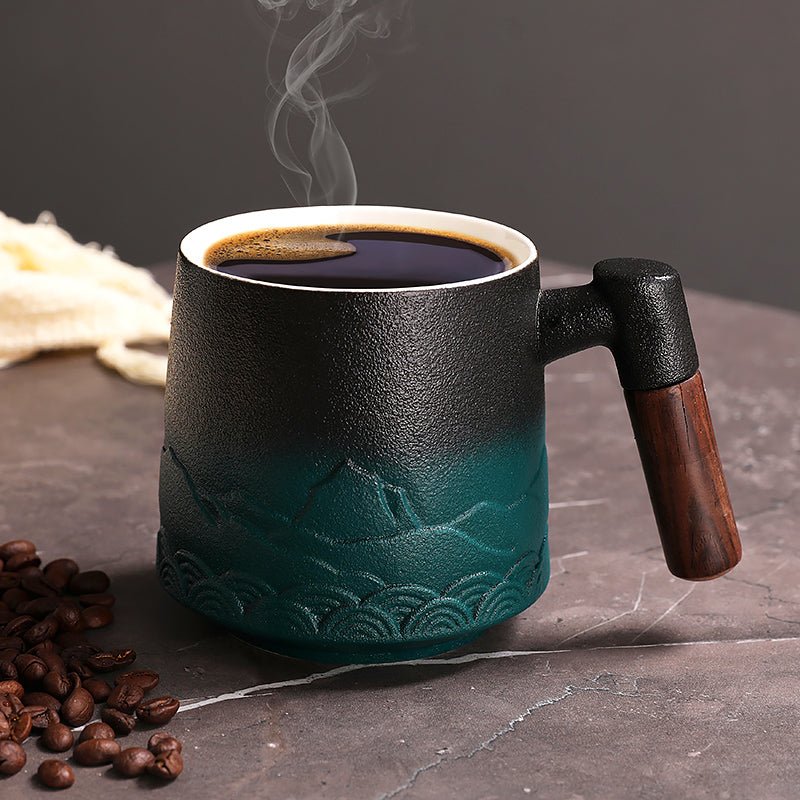
Travel Mug Coffee Mug: How to Choose the Right One for Daily Use
A travel mug coffee mug should seal cleanly, fit your cup holder, and stay easy to wash after real daily use. We break down the trade-offs so you can pick one that matches your commute, desk, or gi...
Подробнее
Оставить комментарий
Этот веб-сайт защищается hCaptcha. Применяются Политика конфиденциальности и Условия использования hCaptcha.