
Tea Ceramic Cup Buying Guide for Daily Brewing and Serving
Reading time: about 9 minutes
A tea ceramic cup looks simple on a product page, but the wrong one becomes obvious after the first week of use. It runs too hot to hold, cools too fast on a desk, stains around the rim, or feels awkward when you reach for a second pour.
We see those trade-offs all the time in our store. Some shoppers want a cup that feels calm and tactile for loose-leaf tea at home. Others want something sturdy enough for an office mug warmer, a dishwasher cycle, or a gift that does not feel fragile the moment the box is opened. If that is your situation, start by looking at the cup shape first, not the pattern.
For a quick browse, our full collection is the easiest place to compare different ceramic tea and coffee mug styles side by side.
What makes a tea ceramic cup worth buying for daily use?
The best tea ceramic cup is not the prettiest one in the photo. It is the one that works with how you actually drink tea. In practice, that means a stable base, a comfortable rim, a glaze that cleans easily, and a body thick enough to hold heat without becoming clumsy.
In our experience, three details matter more than most buyers expect:
- Wall thickness: Thicker ceramic usually keeps heat steadier, but it can also make the cup feel heavier in the hand.
- Rim shape: A thin, even rim drinks cleaner. A thick lip can feel blunt on the mouth, especially with delicate teas.
- Glaze finish: Smooth glazed interiors are easier to rinse after black tea, chai, or matcha. Matte finishes can look refined, but they often show wear or tea marks sooner.
If you drink tea at a desk, a slightly larger cup can reduce refills. If you use a cup for small, focused tea sessions, a more compact shape may feel better and keep the tea hotter longer. That is why our The Flow Coffee Tea Mug makes sense for shoppers who want a cup with a relaxed, everyday profile rather than a delicate display piece.
Which shape works best: wide, tapered, or handled?
Shape affects more than style. It changes how fast tea cools, how easy the cup is to hold, and how much room it takes on a tray or office desk.
| Shape | Best for | Trade-off |
|---|---|---|
| Wide cup | Tea that you want to cool faster and sip quickly | Loses heat sooner than a taller cup |
| Tapered cup | Keeping heat a little longer and fitting into small spaces | Can feel less open for aroma |
| Handled mug | Busy mornings, larger pours, and people who dislike holding hot ceramic directly | Handles add bulk and take more cabinet space |
For buyers who want a sculptural shape with a practical feel, the Pleated Coffee Tea Cup is a useful example of how form can change the drinking experience without turning the cup into a display-only item. The pleated surface also gives your fingers more visual structure to grip, which matters if you are lifting it repeatedly throughout the day.
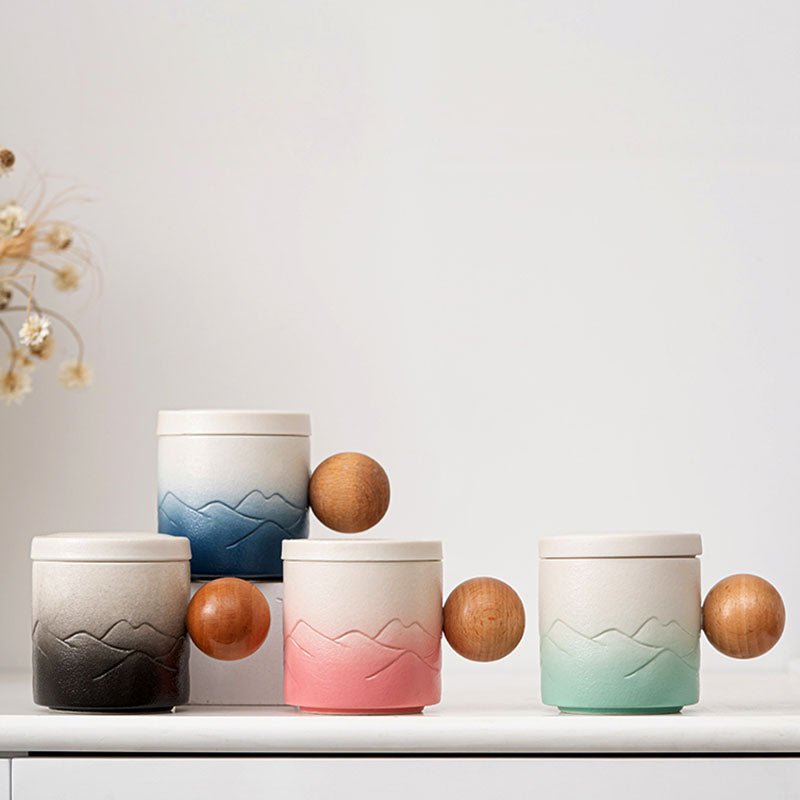
We also see a lot of shoppers who like cups with a more fluid silhouette. If that is you, the Mountain Sea Coffee Tea Mug is worth comparing against more minimal shapes because it leans toward a more expressive look while still staying usable on an everyday table.
How do glaze, color, and finish affect cleaning and stain resistance?
Glaze is not just decoration. It is the surface you will wipe after tea leaves, milk, citrus, or mineral-heavy water leave a mark. A glossy glaze usually rinses more easily, while a porous or highly textured surface can hold onto stain lines around the inside wall or near the pour line.
For daily tea use, we recommend checking these points before buying:
- Interior finish: A smooth glazed interior is easier to clean after strong black tea or herbal blends.
- Exterior texture: Decorative ridges, pleats, or carved lines can collect water spots if you stack cups before they are fully dry.
- Color choice: Very light interiors can show tea staining faster, while darker or speckled finishes can hide everyday wear better.
- Edge quality: Tiny glaze bubbles or rough spots are small defects that can become annoying because your lips find them immediately.
That is one reason we tell shoppers to inspect any tea ceramic cup the same way they would inspect a plate: look at the rim, the base, and the inside wall. If a cup looks beautiful but has a rough foot ring or an uneven glaze line, you will notice it every time you wash or sip from it.
If you want a deeper breakdown on finish and daily handling, our article on Tea Ceramic Cup Buying Guide: Size, Finish, and Daily Use covers the practical side in more detail.
What size tea ceramic cup should you choose for home, desk, or gifting?
Size depends on the way you drink tea, not on a universal standard. A small cup can be ideal for focused tea sessions, while a larger ceramic cup suits people who leave a drink beside the laptop and return to it over time.
Here is the simplest way we help shoppers decide:
- Choose a smaller cup if you want tea to stay concentrated and hot longer.
- Choose a medium cup if you want a daily cup that works for both tea and coffee.
- Choose a larger cup if you dislike refilling often or want a desk-friendly option for long work sessions.
For gifting, medium sizes are usually safest. They tend to feel useful rather than specialized, which matters when you are not sure how the person drinks tea. Large cups can be excellent for someone who likes a roomy pour, but they are not the best fit if the recipient prefers lighter, more traditional tea servings.
If your main question is comfort and daily handling, our related guide, Big Tea Cup Buying Guide for Size, Comfort, and Daily Use, is a good comparison point before you commit to a larger format.
Which ceramic details matter most if you use the cup every day?
A tea ceramic cup gets judged in small moments: the first pour at breakfast, the rinse after a chai, the way it sits in the sink, and whether it survives being moved around a busy kitchen. That is why we pay attention to a few unglamorous details that shoppers often miss.
Look for these:
- Foot ring stability: A cup should sit flat without wobbling. A slightly uneven base is a common defect mode and becomes obvious on hard countertops.
- Handle clearance: If the handle opening is too small, larger fingers or a warm cup towel make it hard to grip comfortably.
- Stacking behavior: Some shaped cups stack well; others scratch if stored nested without enough care.
- Thermal feel: Ceramic transfers heat slowly compared with thin metal, but very thin walls can still feel hot quickly with freshly boiled water.
We also tell customers not to choose a ceramic tea cup only because it photographs well. Some highly textured cups are lovely on a shelf and slightly annoying in real life because dust, tea residue, and dishwasher water spots settle into the ridges. That does not make them bad. It just means they are better for lighter use or display-oriented kitchens.
How should you care for a tea ceramic cup so it lasts longer?
Most ceramic cups are easy to live with, but they last better if you treat them like daily tools instead of fragile decor. Let a hot cup cool before rinsing it under cold water. That simple step reduces thermal shock, which is one of the easiest ways to stress ceramic over time.
Our practical care routine is straightforward:
- Rinse soon after use, especially after tea with milk, sugar, or spice.
- Wash with a soft sponge so the glaze stays smooth.
- Dry fully before stacking if the exterior has grooves or texture.
- Avoid sudden temperature changes, especially from boiling water to a cold sink.
If a cup has a decorative finish, check the product page for care guidance before putting it through a dishwasher every day. Some ceramic drinkware handles machine washing well, but hand washing is still the safer choice when you want to protect delicate surfaces, printed details, or unusual shapes. That is part of the trade-off: the more sculptural the cup, the more attention it may need.
Which tea ceramic cup styles fit different buyers best?
We group buyer intent into a few real-world scenarios because style only matters when it matches use:
- For a home tea ritual: A cup with a balanced shape and a pleasing lip is the right fit.
- For an office desk: Choose something stable, easy to clean, and not too delicate to move between meetings.
- For gifting: Pick a visually distinctive cup that still feels practical enough to use every day.
- For mixed tea and coffee use: Choose a ceramic cup with enough capacity and a neutral shape that works for both drinks.
That is why many shoppers compare our more design-forward pieces against simpler everyday mugs. If you are looking for a concise side-by-side view of tea-focused ceramic options, our article Tea Mugs Ceramic: How to Choose the Right Cup for Daily Tea is a useful next read.
And if you are deciding between a mug that feels more relaxed and one that feels more styled, the Mountain Sea Coffee Tea Mug and the Pleated Coffee Tea Cup are good examples of two different approaches to the same basic need.
Frequently asked questions
Is a tea ceramic cup better than glass for daily use?
For most daily routines, ceramic is easier to live with because it feels sturdier, hides small stains better, and usually keeps tea warm a little longer than thin glass. Glass is better if you want to see steeping tea leaves or watch color changes, but it is less forgiving if you are moving quickly between kitchen and desk.
Can I use a tea ceramic cup for both tea and coffee?
Yes. A well-made tea ceramic cup usually handles both drinks without issue, especially if the glaze is smooth and easy to rinse. Just know that stronger coffee oils and very dark teas can leave visible marks sooner on lighter interiors.
What should I avoid if I want the cup to last?
Avoid sudden temperature changes, rough scrubbing on decorative glaze, and stacking cups before they are fully dry. Also avoid choosing a cup with a rough rim or uneven base just because it looks interesting online. Those small flaws become annoying fast in daily use.
Are sculptural ceramic cups practical or just decorative?
They can be practical, but only if the shape still supports easy handling and cleaning. A sculptural cup is a good buy when you want something that feels special on the table and still works on weekdays. It is not the best choice if you want the simplest possible wash-and-go cup.
What is the safest tea ceramic cup choice for gifting?
A medium-sized cup with a smooth glaze and a balanced silhouette is usually the safest gift choice. It feels useful without being too niche, and it suits both tea drinkers and people who occasionally use ceramic mugs for coffee or hot chocolate.
If you want to narrow your choice now, compare the shape, rim, and finish on the product pages first, then browse our collection for the style that fits your table, desk, or gift list best.
Read more
Coffee Mug Wide: How to Choose the Right Fit
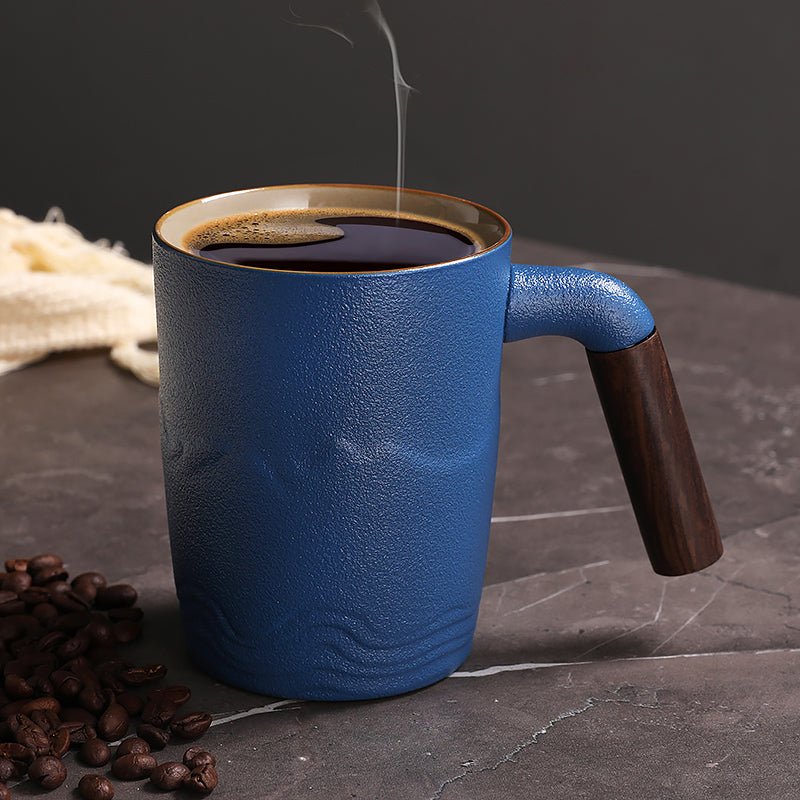
A practical guide to choosing a coffee mug wide enough for comfort, stability, and daily use. We compare the main styles, what to inspect before buying, and which options fit different routines.
Подробнее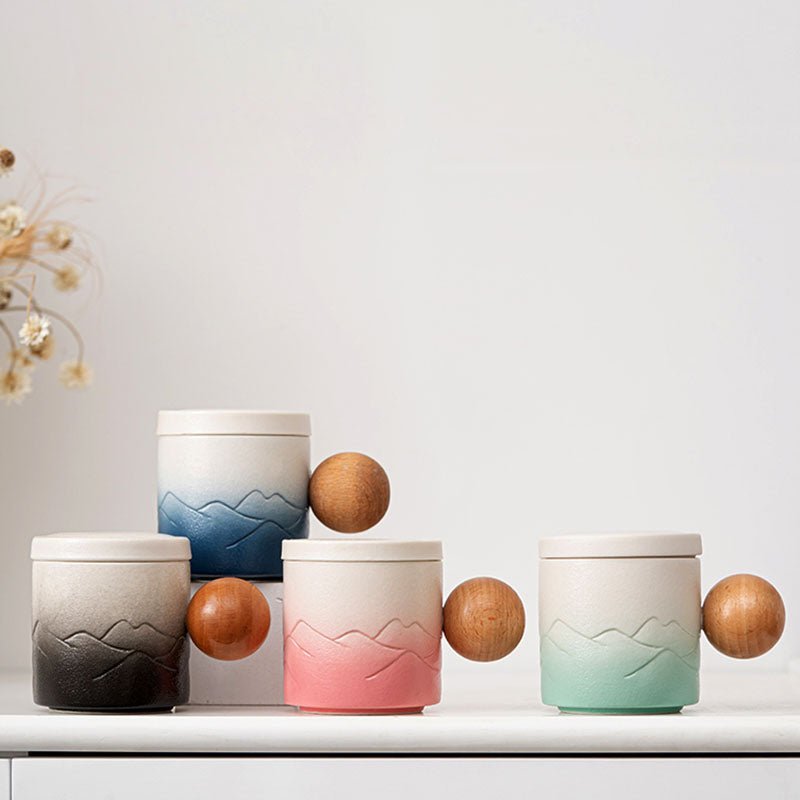
Set of Four Coffee Mugs for Daily Use, Gifts, and Small Kitchens
A set of four coffee mugs works best when the shapes fit your cabinet, the handles feel secure, and the finish holds up after real washing. Here is how we compare styles, trade-offs, and the detail...
Подробнее
Оставить комментарий
Этот веб-сайт защищается hCaptcha. Применяются Политика конфиденциальности и Условия использования hCaptcha.