
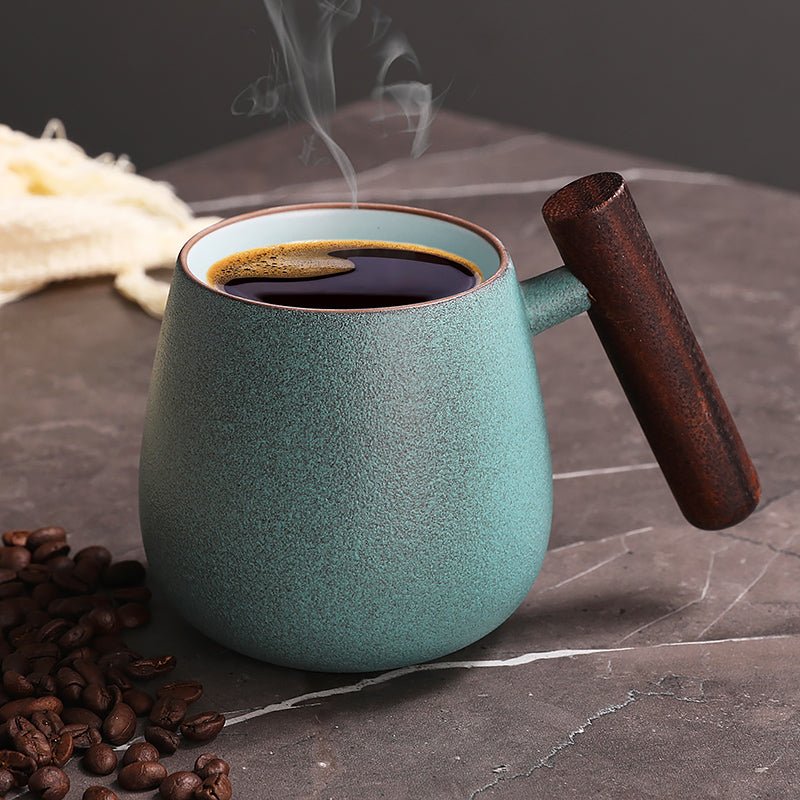
Standard Coffee Mug Dimensions: What Buyers Should Check
Reading time: about 9 minutes
A mug that looks fine on a product page can still feel wrong once it lands on a kitchen counter. We see it all the time: the handle is too tight for two fingers, the mug sits too tall for the espresso machine shelf, or the base is a little too wide for the office mug warmer.
That is why standard coffee mug dimensions matter before you buy. Height, rim diameter, base width, and capacity all affect how a mug behaves in real life, not just how it looks in a photo. If you want a quick place to browse styles while you compare sizes, start with our full mug collection and then narrow by the measurements that matter most.
What do buyers usually mean by standard coffee mug dimensions?
Most shoppers use "standard" to mean an everyday mug that fits a normal coffee pour, sits comfortably in the hand, and works on a kitchen shelf without special handling. In practice, that usually means a ceramic mug in the everyday range rather than a travel cup, oversized soup mug, or tiny demitasse cup.
We do not treat "standard" as one fixed size because mugs vary by maker and shape. A short, wide mug and a taller, narrower mug can hold the same amount of coffee but feel completely different. The important part is reading the actual measurements rather than assuming all mugs in the same category will fit the same cup holder, dishwasher rack, or cabinet.
If you are comparing everyday options on our store, styles like the Mountain Sea Coffee Tea Mug, Spittoon Coffee Tea Mug, and Planet Coffee Tea Mug show how two mugs can share the same basic purpose while still feeling different in hand and on the shelf.
Which measurements matter most on a coffee mug?
Three measurements do most of the work: height, top diameter, and capacity. A fourth, base diameter, matters more than people expect because it affects stability and where the mug can sit.
| Measurement | Why it matters | What can go wrong |
|---|---|---|
| Height | Determines cabinet clearance and whether the mug fits under a coffee machine spout | A mug may be too tall for an espresso bar, pod machine, or shelf |
| Top diameter | Affects drinking comfort and cooling speed | A wide rim can cool coffee faster and feel bulky |
| Base diameter | Helps with balance and placement on warmers or narrow shelves | A wide base may not fit a mug rack or warmer plate |
| Capacity | Tells you how much liquid the mug actually holds | A mug can look large but still hold less than expected if the walls are thick |
We also pay attention to wall thickness and handle space. A thick ceramic wall can keep heat longer, but it can make a mug feel heavier and reduce the actual drink volume. Handle shape matters too. A handle that looks decorative can be harder to grip with larger hands, especially when the mug is full and warm.
How do standard coffee mug dimensions affect daily use?
On paper, dimensions look simple. In the kitchen, they decide whether a mug becomes a favorite or a drawer mistake.
For morning coffee, a medium-height mug with a balanced base is usually easier to live with because it clears common shelves and feels steady on a crowded desk. For tea or cocoa, a slightly wider rim can be more comfortable because it gives the drink room to cool naturally. For office use, a mug with enough handle clearance is a small detail that saves annoyance every day.
We have also seen the common failure points buyers run into after unboxing:
- A handle opening that is too narrow for larger fingers.
- A mug that is taller than expected and does not fit beneath a machine nozzle.
- A base that rocks slightly on uneven counters or trays.
- Thicker ceramic that keeps heat well but makes the mug feel heavy after repeated refills.
These are not defects in every case, but they are trade-offs. A taller mug can feel elegant. A short mug can be sturdier. A wide mug can be better for soup or lattes, but it is not always the best choice if you want something compact for a packed cupboard.
What size works best for home, office, and gift buying?
Different buyers are actually buying for different use cases, even when they say they want a "standard mug." We think about it this way in our store.
- Home kitchen: Choose a mug that fits your cabinet height and dishwasher layout first. If your top shelf is tight, a shorter mug is safer than a tall decorative one.
- Office desk: Stability matters more than style alone. A balanced base and a handle that is easy to grip with one hand help if you are moving between keyboard, notebook, and coffee.
- Gift buying: Pick a mug shape that feels universally usable. Novelty shapes can be fun, but they are not always ideal for someone who keeps mugs stacked tightly or uses a pod machine.
If you want more detail on choosing by actual measurements, our guides on how to measure fit before you buy and how many ounces is a standard coffee mug go deeper into the practical side. They are useful if you are comparing cabinet space, brew volume, or the way a mug will sit under a machine.
For buyers who want a broader size overview first, our post on standard coffee mug size is a good companion piece before you commit to one style.
How should you measure a mug before buying online?
We recommend measuring the space where the mug will live, not just the mug itself. That sounds obvious, but it is the step most buyers skip.
Use a ruler or tape measure and check these four spots:
- Cabinet height: Measure from shelf to shelf if you plan to stack or store mugs upright.
- Machine clearance: Measure from the drip tray to the lowest point under the brew head.
- Shelf depth and width: Make sure a mug does not crowd other cups or sit too close to the edge.
- Handle clearance: Leave enough room so the handle does not jam into the next mug or wall.
At our store, we also recommend checking the shape of the base and rim, not just the listed capacity. Two mugs can both be labeled as everyday coffee mugs, but one may have a flared lip, a thick foot, or a more tapered body that changes how it stacks and stores. Those design choices matter if your kitchen storage is tight.
What material and finish should you expect from an everyday mug?
Most standard coffee mugs are ceramic, and that is still the most practical material for everyday use because it holds heat reasonably well, cleans easily, and feels familiar in the hand. Within ceramic, the finish matters. A glossy glaze tends to wipe clean faster, while a matte surface can show fingerprints or utensil marks more easily depending on the color and texture.
We also pay attention to the rim. A smooth, even rim makes a mug more pleasant to drink from, especially if you use it multiple times a day. A slightly uneven glaze line, rough spot near the lip, or chipped foot ring is something to watch for during unpacking because those are the details that turn into long-term annoyance.
Care matters too. If a mug is labeled dishwasher-safe, that makes daily use easier, but repeated high-heat cycles can still be hard on printed decoration and some finishes. Microwave-safe mugs are useful for office refills and slower mornings, but any mug with metallic detailing or special surface treatment should be checked carefully before heating.
We look for mugs that feel balanced empty and full. That is more useful than chasing the biggest number on the spec sheet.
What are the trade-offs buyers should keep in mind?
There is no single "best" standard coffee mug dimension. There is only the best fit for how you actually drink coffee.
Here are the trade-offs we see most often:
- Smaller mugs are easier to store and usually lighter, but they may need refills more often.
- Larger mugs hold more coffee or tea, but they can feel bulky and may not fit under compact machines.
- Thicker ceramic can help retain heat, but it adds weight.
- Wider rims can be more comfortable for sipping, but they cool the drink faster.
That is why we do not recommend choosing a mug by capacity alone. A mug that holds the right amount can still fail if the handle is cramped, the base is too broad, or the profile does not fit your storage space. For some buyers, a more compact everyday mug is better than a statement piece. For others, a taller mug makes more sense because it suits their pour size and desk setup.
Frequently asked questions
What is the most common standard coffee mug size?
Most everyday coffee mugs fall in a practical mid-size range rather than an exact universal measurement. The right size depends on whether you want a single serving, a refill-friendly office mug, or a larger mug for tea and milk drinks. We always suggest checking the listed capacity alongside the mug's height and diameter.
How do I know if a mug will fit under my coffee machine?
Measure the vertical clearance from the drip tray to the brew head or spout, then compare that to the mug height. Leave a little extra room for easy placement and removal because a tight fit can be frustrating in daily use. If the mug has a wide handle, check side clearance too.
Are ceramic mugs better than glass or stainless steel for everyday use?
Ceramic is usually the most straightforward choice for a standard kitchen mug because it feels familiar, cleans easily, and works well for hot drinks. Glass can be useful if you want to see layered drinks, but it is more exposed to thermal shock concerns. Stainless steel is better for travel than for a classic desk mug.
Why does my mug feel smaller than the listed ounces?
Wall thickness, shape, and rim flare all change how the mug feels in hand. A thick-walled mug can have less usable interior space than a thinner one with the same printed capacity. That is why we recommend looking at the full shape, not just the ounce number.
What should I check before buying a mug as a gift?
Check the mug's size, handle comfort, and care instructions first. A gift mug should be easy to use on an ordinary kitchen shelf and simple to wash, not just attractive in photos. If you are unsure, a versatile everyday shape is safer than a very narrow or oversized design.
If you want to compare actual styles after checking the measurements, start with our full collection and then open the product pages that fit your space and drinking habits best. For a quick comparison, the Mountain Sea Coffee Tea Mug, Spittoon Coffee Tea Mug, and Planet Coffee Tea Mug are good examples of how shape changes feel, even in the same mug category.
Before you buy, check three things: shelf clearance, handle comfort, and listed capacity. If those three line up, you are much more likely to end up with a mug you use every day instead of one you only keep because it looked good online.
Read more
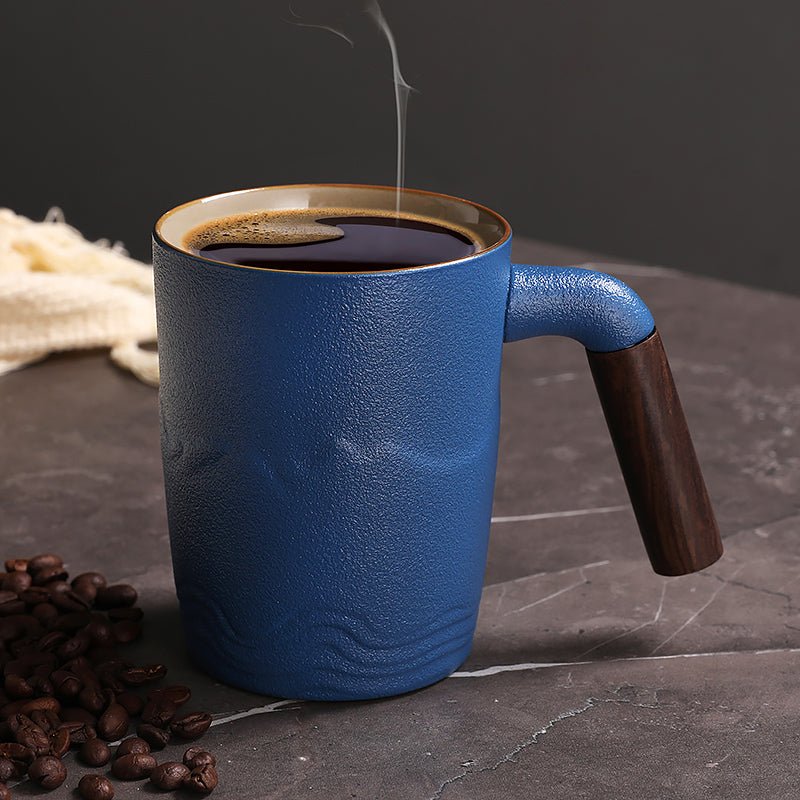
Sasquatch Coffee Mug Buying Guide for Size, Material, and Fit
A sasquatch coffee mug looks simple until you compare handle comfort, wall thickness, and how it feels on a desk, in a kitchen, or wrapped as a gift. Here is what we check before we recommend one.
Подробнее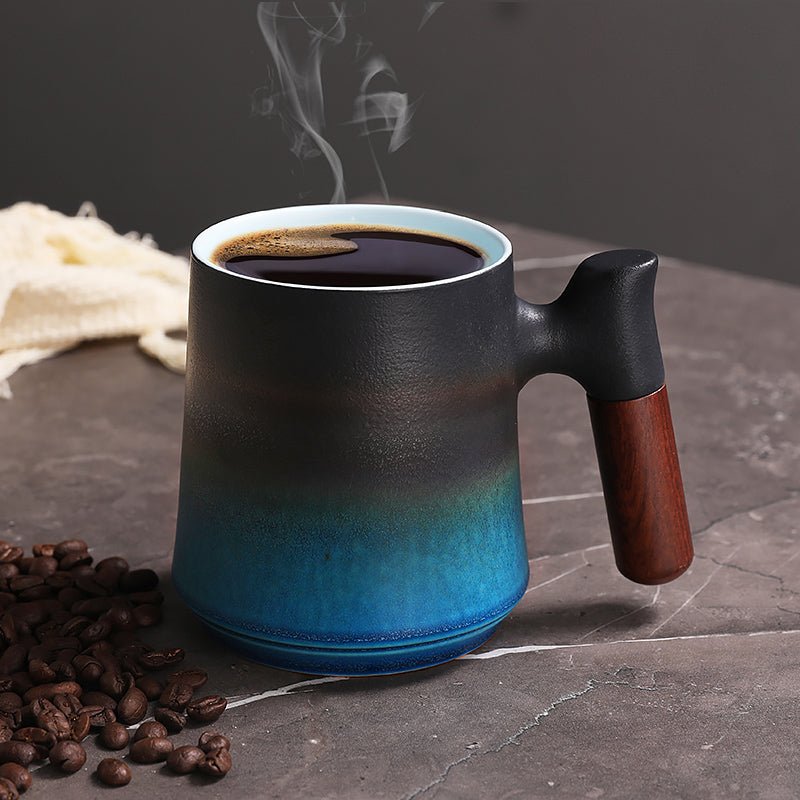
Coffee Mug Set 6: How to Choose the Right Everyday Set
A coffee mug set 6 should fit your cupboard, your dishwasher, and the way you actually drink coffee. We break down what matters most before you buy, with practical trade-offs and a few options from...
Подробнее
Оставить комментарий
Этот веб-сайт защищается hCaptcha. Применяются Политика конфиденциальности и Условия использования hCaptcha.