
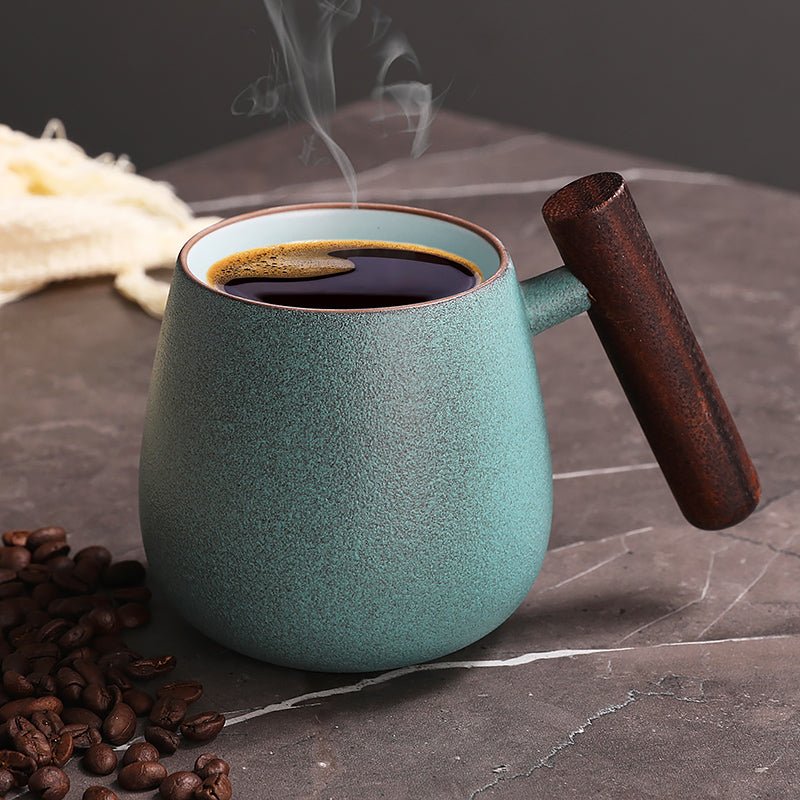
Standard Coffee Mug Dimensions: What Buyers Should Check
Reading time: about 9 minutes
A mug can look ordinary on a product page and still be awkward in real life. We see it all the time: a buyer wants a simple daily mug, then finds the handle is too tight for two fingers, the cup sits too tall under their brewer, or the rim is wider than the cabinet shelf they planned to use.
That is why the standard coffee mug dimensions matter more than most shoppers expect. At CoffeifyMug, we look at height, rim diameter, base width, and usable capacity together, because a mug that works on a kitchen counter may not work on an office desk or in a compact dishwasher rack. If you want the broader sizing context first, our guides on Coffee Mug Dimensions: Sizes, Fit, and What to Check Before Buying and How Many Ounces Is a Standard Coffee Mug? A Buyer’s Guide are a good place to compare capacity with real measurements.
What are the standard coffee mug dimensions buyers usually see?
There is no single industry-wide standard, but most everyday coffee mugs land in a fairly tight range. In our experience, the most common daily-use mug is roughly 3.25 to 4 inches tall, about 3 to 3.5 inches across the rim, and sized for about 11 to 15 ounces when filled in a real-world way, not to the brim.
That range covers the mugs people actually keep on a counter, in a break room, or beside a laptop. Once the mug gets much taller, it starts feeling more like a travel cup or a soup mug. Once it gets much shorter and wider, it often behaves more like a café cup, a tasting cup, or a mug intended for smaller servings.
For buyers comparing capacity labels, our article on How Many Oz Is a Standard Coffee Mug? explains why an 11 oz mug and a 12 oz mug can feel similar on paper but different in the hand.
| Common measurement | Typical range | What it affects |
|---|---|---|
| Height | 3.25 to 4 in | Fits under machines, cabinet clearance, and hand feel |
| Rim diameter | 3 to 3.5 in | Sipping comfort and how broad the opening feels |
| Base diameter | 2.5 to 3 in | Stability on desks, trays, and narrow dishwasher racks |
| Capacity | 11 to 15 oz | How much coffee, tea, or hot chocolate it actually holds |
Which dimensions matter most for everyday use?
Shoppers usually focus on ounces first, but ounces alone do not tell the whole story. Two mugs with the same stated capacity can behave differently because one has thicker walls, a wider belly, or a taller form that changes where the liquid sits.
These are the measurements we check before we list or recommend a mug:
- Height: matters for coffee makers, microwave clearance, and storage under low cabinets.
- Rim diameter: affects how quickly a drink cools and how comfortable the mug feels when you sip.
- Handle opening: should allow at least two fingers comfortably for most adults, especially if the mug is meant for daily use.
- Wall thickness: changes heat retention and hand comfort. Thicker stoneware usually stays warm longer but feels heavier.
- Weight when empty: matters more than many buyers expect if the mug is used at a desk all day or carried between rooms.
A mug can be technically “standard” and still be a poor fit for your setup. A 12 oz mug with a wide body may not fit under a single-serve brewer. A tall, narrow mug may tip more easily if the base is too small. If you want a focused size-by-size comparison, our article on 12 oz Coffee Mug: Size, Fit, and What to Check Before Buying goes deeper into one of the most common everyday sizes.
How do material and construction change the size you feel?
Material affects the experience just as much as the measurements on a spec sheet. A ceramic or stoneware mug often has thicker walls, which can make a 12 oz mug feel more substantial in the hand. Porcelain usually looks and feels lighter and can have a thinner drinking edge. Both can be perfectly good daily mugs, but they do not feel the same at all.
We also pay attention to finish and construction details that buyers may not see at first glance:
- Glaze quality: a smooth interior glaze is easier to clean and less likely to hold onto coffee residue or tea staining.
- Handle attachment: the joint between handle and body should feel solid, with no rough seams or sharp points.
- Rim finish: a clean, even rim makes the mug feel better when drinking and reduces the chance of chipped edges from stacking.
- Base finish: an unglazed foot ring can be normal on ceramic mugs, but it should still sit flat and stable.
Common defect modes we watch for include uneven rims, wobble on a flat surface, hairline cracks near the handle, and glaze pinholes inside the cup. Those issues are not just cosmetic. A mug that rocks on a table or develops a sharp edge after a small chip is not one we would put into regular use.
What size works best for coffee makers, desks, and dishwashers?
The right mug depends on where it will live. A mug that is perfect for a home kitchen may be annoying in an office kitchen, and a mug that feels great during a relaxed weekend breakfast might be too bulky for a crowded desk.
Here is how we think about common use cases:
- Drip coffee at home: a 10 to 12 oz mug is often the easiest fit under machines and under cabinets, especially if the brewer has limited clearance.
- Desk drinking: a stable base and comfortable handle matter more than a big capacity. A wide mug can take up too much mouse or notebook space.
- Travel between rooms: lighter ceramic or porcelain is easier to carry, but a slightly thicker mug may keep coffee warm longer.
- Dishwasher use: check whether the handle is exposed enough for proper water flow and whether the mug stacks safely without rubbing the rim.
We have seen buyers choose a large mug because it seemed efficient, then discover they never actually want a full 15 oz serving. That is where size comfort matters. If your typical pour is 8 to 10 oz, an oversized mug can cool the drink too fast because the surface area is larger than you need. For a more practical buying angle, our post on Standard Coffee Mug Size: What Buyers Should Know Before Ordering is useful alongside this one.
How do standard coffee mug dimensions compare with 10 oz, 11 oz, and 12 oz mugs?
Most buyers do not need a perfect universal standard. They need the right everyday size. The comparison below is the one we use most often when helping customers choose between common mug sizes.
| Size | Best for | Trade-off |
|---|---|---|
| 10 oz | Smaller pours, tea, espresso-based drinks with milk | May feel undersized for a full mug of drip coffee |
| 11 oz | Classic everyday coffee, office use, gift mugs | Usually safe, but still check handle comfort and height |
| 12 oz | Standard home coffee, cocoa, larger single servings | Can be too tall or wide for some brewers |
| 15 oz+ | Big coffee drinkers, soup, oversized gift mugs | Heavier, bulkier, and not always ideal for daily sipping |
If you are comparing those exact sizes, we recommend pairing this article with our detailed guide on 10 oz Coffee Mug: Size, Fit, and What to Check Before You Buy and 11 oz Coffee Mug: Size, Fit, and What to Check Before You Buy. That side-by-side view usually makes the decision easier than capacity alone.
What should you check before buying a standard coffee mug?
We recommend looking at the same few details every time. It keeps you from buying a mug that looks right in photos but fails at the sink, the brewer, or the office shelf.
- Measure the clearance: check the height under your coffee machine, cabinet, or mug shelf.
- Check the handle: make sure it is large enough for your grip and not cut too close to the body.
- Confirm the usable capacity: ask whether the listed ounces are to the rim or a more practical fill level.
- Look at the rim width: some people prefer a wider sip; others want a narrower opening that keeps heat in longer.
- Review care instructions: not every printed or metallic-accent mug is equally dishwasher or microwave friendly.
Standard mugs are not the right choice for every job. They are not ideal if you need a spill-resistant lid, a cup that fits in a car cup holder, or a vessel that keeps drinks hot for hours on the move. In those cases, a travel mug or insulated tumbler is the better tool. That trade-off matters because a standard mug is usually best at one thing: easy, comfortable drinking at home or at work.
Frequently asked questions
What are the standard coffee mug dimensions in inches?
Most standard coffee mug dimensions fall around 3.25 to 4 inches tall, with a rim diameter near 3 to 3.5 inches. The base is often around 2.5 to 3 inches wide. Those measurements can shift by maker, especially if the mug is shaped for a larger visual profile or a heavier stoneware feel.
Is an 11 oz mug considered standard?
Yes, an 11 oz mug is one of the most common everyday sizes we see. It is a practical middle ground for drip coffee, tea, and gift orders. It is not the only standard, though, and many buyers prefer 12 oz if they pour larger servings.
Will a standard mug fit under a coffee maker?
Sometimes, but not always. The mug height matters more than the listed ounces, because some 12 oz mugs are short and wide while others are tall enough to hit the brew head. Always compare the mug height to the clearance under your machine before ordering.
What mug size is best for daily coffee at home?
For most people, 11 oz or 12 oz is the easiest daily choice. Those sizes usually balance comfort, heat retention, and fit. If you drink smaller pours, 10 oz can feel better in the hand and may keep the coffee warmer a little longer.
Do ceramic mugs last longer than porcelain mugs?
Not automatically. Both can last a long time if the glaze is sound and the mug is handled well. Ceramic and stoneware often feel heavier and more durable in day-to-day use, while porcelain usually feels lighter and more refined. The better question is how the mug is made, how it is finished, and whether it fits your routine.
If you want to compare actual options instead of guessing from measurements, start with our full mug collection or browse our products page. The fastest way to choose well is to match the mug height, handle size, and capacity to the way you actually drink coffee every day.
More from our blog
Read more
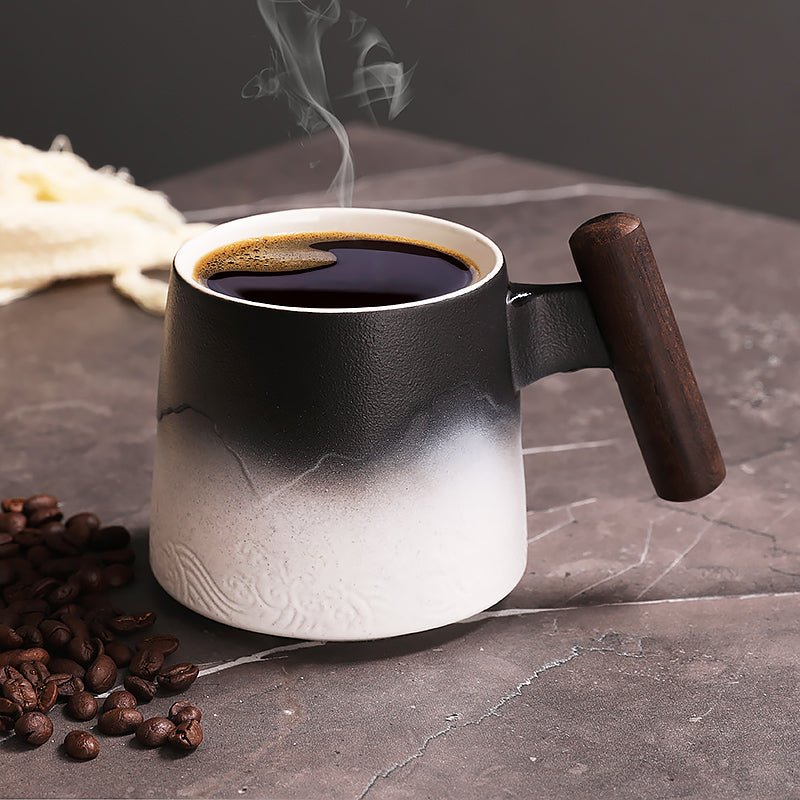
Frankoma Coffee Mugs: What Buyers Should Check Before Ordering
Frankoma coffee mugs can be practical everyday pieces or collectible finds, but the right choice depends on condition, capacity, and glaze wear. We break down what to inspect, how to size them, and...
Подробнее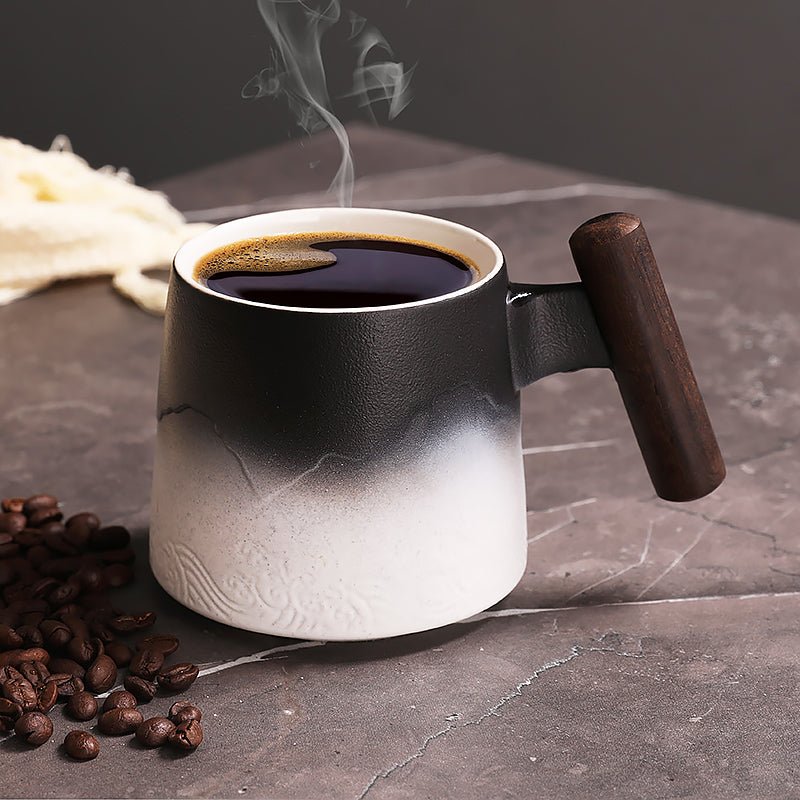
Bones Coffee Mugs: What to Check Before You Buy
Bones coffee mugs can be a great fit for daily use or gifting, but size, handle comfort, and care details matter more than the print. Here’s what we check before we stock or recommend one.
Подробнее
Оставить комментарий
Этот веб-сайт защищается hCaptcha. Применяются Политика конфиденциальности и Условия использования hCaptcha.