
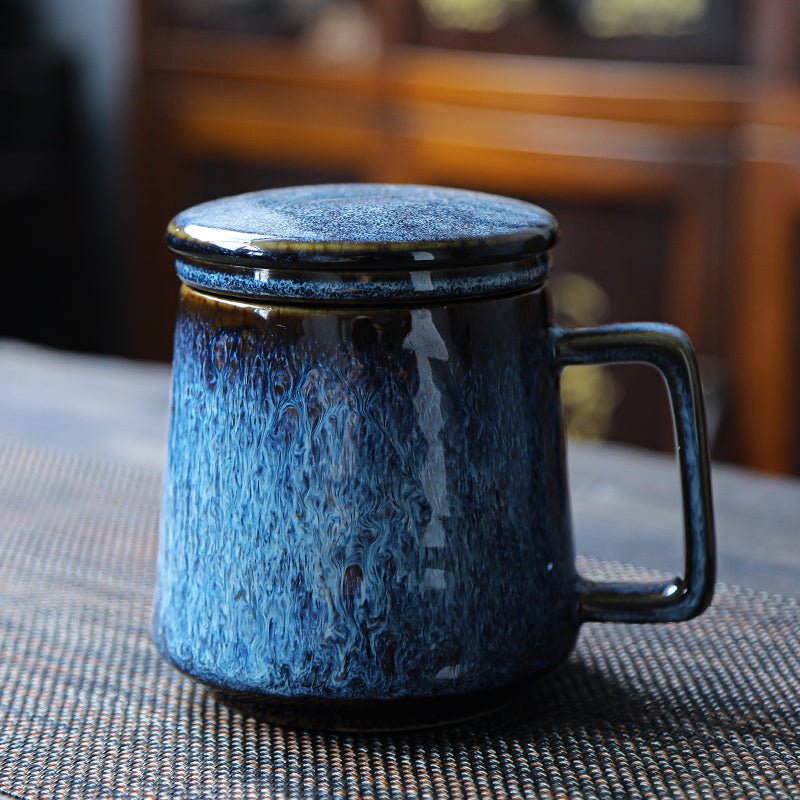
Pottery Coffee Mug Guide: How to Choose the Right Stoneware Mug
Reading time: about 8 minutes
A pottery coffee mug starts proving itself at 7 a.m. on a crowded counter: the handle should clear your knuckles, the rim should feel smooth on the lip, and the base should sit steady next to a spoon, a phone, and a half-open laptop. That is the standard we use in our store when we look at a mug for daily coffee, not just for a product photo.
If you are comparing options, start with The Flow Coffee Tea Mug for a clean everyday shape, then compare it with Mountain Sea Coffee Tea Mug and Spittoon Coffee Tea Mug. You can also browse all mugs in the collection if you want to compare the full range before buying.
What should you check before buying a pottery coffee mug?
A good pottery coffee mug is not just about looks. The useful details are the ones you feel every morning: wall thickness, handle shape, glaze quality, and how the mug behaves after repeated washing.
We look at three things first:
- Balance: A pottery mug should feel stable when full, with a base that does not tip easily on a desk or side table.
- Rim comfort: The lip should be even and smooth. A slightly rough or overly thick rim can make a mug less pleasant for black coffee and tea.
- Glaze finish: Look for consistent coverage on the inside and around the handle. Small variations are normal in pottery, but pinholes, sharp spots, or a gritty handle edge are the kind of defects you want to catch before purchase.
Pottery also has a practical trade-off: it usually feels warmer and more substantial than thin porcelain, but it is not the right choice if you want the lightest possible cup or a mug that needs to disappear into a car cup holder. It is a countertop mug first, not a commuter mug.
If you are narrowing size as part of the decision, our older guides on 10 oz Coffee Mug: Size, Fit, and What to Check Before You Buy, 11 oz Coffee Mug: Size, Fit, and What to Check Before You Buy, and 12 Ounce Coffee Mug Buying Guide for Daily Use and Better Fit walk through the same buyer checks from a capacity angle.
Which pottery coffee mug shape fits your routine?
Shape matters as much as volume. A wide mug feels open and easy to sip from, while a taller profile can hold heat a little better and take up less footprint on a desk. In practice, we see buyers choose based on how they actually drink: straight black coffee, oat milk lattes, tea, or reheated coffee that sits for a few minutes before the first sip.
| Option | What it feels like | Best for | Watch-out |
|---|---|---|---|
| The Flow Coffee Tea Mug | Balanced, easy to hold, and simple to live with | Everyday coffee, office desks, and buyers who want one mug that does not dominate the shelf | Best if you prefer a classic shape rather than a highly decorative silhouette |
| Mountain Sea Coffee Tea Mug | More visual character, good for gifting and display | Gift boxes, a kitchen with natural textures, and buyers who want the mug to look intentional on the counter | Less minimal if your taste runs toward plain, modern drinkware |
| Spittoon Coffee Tea Mug | Distinctive and sturdier-looking | People who like a mug with presence, a heavier feel, and a more handmade look | Not the pick if you want the lightest mug or the smallest footprint |
That table is the practical version of what shoppers are already trying to do in their heads: decide whether the mug is for daily use, display, or gifting. If the answer is unclear, choose the shape that feels easiest to wash, stack, and pick up with one hand. That is usually the mug you will actually keep using.
How does pottery compare with porcelain, ceramic, and travel mugs?
People often search for a pottery coffee mug because they want the feel of something more grounded than standard mass-market drinkware. The category sits somewhere between art object and daily utility. That is the appeal, and it is also the limitation.
Here is the honest comparison:
- Pottery / stoneware: Usually heavier, with a more substantial base and a handcrafted feel. Good for home, office, and gifting. Less ideal if you want ultralight drinkware.
- Porcelain: Often lighter and finer at the rim. Better if you like a cleaner, more refined sip. It can feel more delicate in hand.
- Travel mugs: Better for commutes and long heat retention. They solve a different problem and do not replace the feel of a ceramic mug on a kitchen table.
In our experience, buyers who want a pottery coffee mug are usually not trying to maximize portability. They want a better morning routine. They want the mug that stays put on the desk, feels comfortable under the hand, and looks right next to a kettle or espresso machine.
That is also why handmade pottery can be a better gift than a generic mug. A glaze pattern, a slightly varied surface, or a more sculpted handle makes the unboxing feel personal. It also means the mug will not be perfectly identical to a factory-stamped cup, which is a benefit for many shoppers and a downside for buyers who want exact uniformity.
What care and durability trade-offs should you expect?
A pottery coffee mug should be bought with care in mind, not just style. Ceramic is durable in normal kitchen use, but it still has limits. The biggest ones are impact, thermal shock, and glaze wear over time.
Specific things we tell shoppers to check:
- Dishwasher use: If the product page says it is dishwasher safe, follow that guidance. If it does not, hand-washing is the safer default for protecting glaze and surface detail.
- Microwave use: Only use the microwave if the mug is listed as microwave safe. Some ceramic glazes and metallic accents are not suitable for microwave heating.
- Thermal shock: Do not move a very hot mug straight into cold water. That sudden temperature swing can stress the ceramic.
- Glaze variation: Small differences in color, pooling, or texture are normal in pottery. Hairline crazing, sharp glaze edges, or rough spots around the rim are the details we treat as quality issues, not character.
The trade-off is straightforward: pottery gives you texture, weight, and character, but it asks for a little more care than a basic factory mug. If you want something to toss into a gym bag or leave in a car, this is not the right category. If you want a stable mug for home or desk use, it usually makes more sense.
Which CoffeifyMug pottery coffee mug should you buy first?
If you want the shortest path to a decision, use the mug for the job you actually have in mind. Do not shop the category abstractly.
- Choose The Flow Coffee Tea Mug if you want the safest everyday pick. It is the easiest starting point for someone who wants a pottery coffee mug without a lot of visual noise.
- Choose Mountain Sea Coffee Tea Mug if the mug is part of a gift or if you like a more expressive look on the counter. It suits buyers who want a bit more character.
- Choose Spittoon Coffee Tea Mug if you want something with a stronger handmade presence and a sturdier feel in the hand.
If you are still comparing by size, revisit the capacity guides before deciding. A mug that looks right on screen can still feel too small for a latte or too large for straight espresso-based drinks. That is why we keep pointing buyers back to fit, not just design.
For shoppers who want a broader comparison, our store also has a practical buying lens beyond this article. The kind of buyer who appreciates the breakdown in Peet's Brown Southwestern Stoneware Mug: Buyer Checkpoints usually wants the same thing here: a mug that looks good, handles well, and does not disappoint after the first week of use.
Frequently asked questions
Are pottery coffee mugs dishwasher safe?
Some are, but not all. The safest approach is to follow the product page instructions for each mug. If a pottery mug is not explicitly marked dishwasher safe, hand-washing is the better choice for protecting the glaze and keeping the surface looking clean over time.
Do pottery coffee mugs keep coffee hot longer?
Usually, a thicker ceramic mug will hold heat better than a thin disposable cup or a very lightweight vessel, but it is not insulated like a travel tumbler. That makes it a good choice for home or office sipping, not for long commutes. If you drink coffee slowly, the mug shape matters less than how much liquid it holds and how wide the opening is.
What size pottery coffee mug is best for daily use?
For most shoppers, the best size depends on what they actually pour in the morning. A smaller mug works well for black coffee or shorter drinks, while a larger mug is better for lattes or anyone who likes room for milk. If you are unsure, use the size guides above and compare them against the mug dimensions on the product page.
Is a pottery coffee mug good for espresso drinks?
Yes, if the cup size and shape match the drink. A pottery mug works well for cappuccinos, flat whites, and larger lattes. It is less ideal for a straight espresso shot, where a smaller cup is more appropriate and helps preserve crema.
Are glaze differences normal on handmade pottery mugs?
Yes. Small variations in color, pooling, or texture are normal in pottery and part of the category. What you should not accept are rough rim spots, sharp edges, or a handle that feels uncomfortable in actual use. That is the line between handmade variation and a quality problem.
If you want to compare the full range side by side, start with all mugs in the collection, then check the handle shape, capacity, and care notes against your daily routine before you buy.
Read more
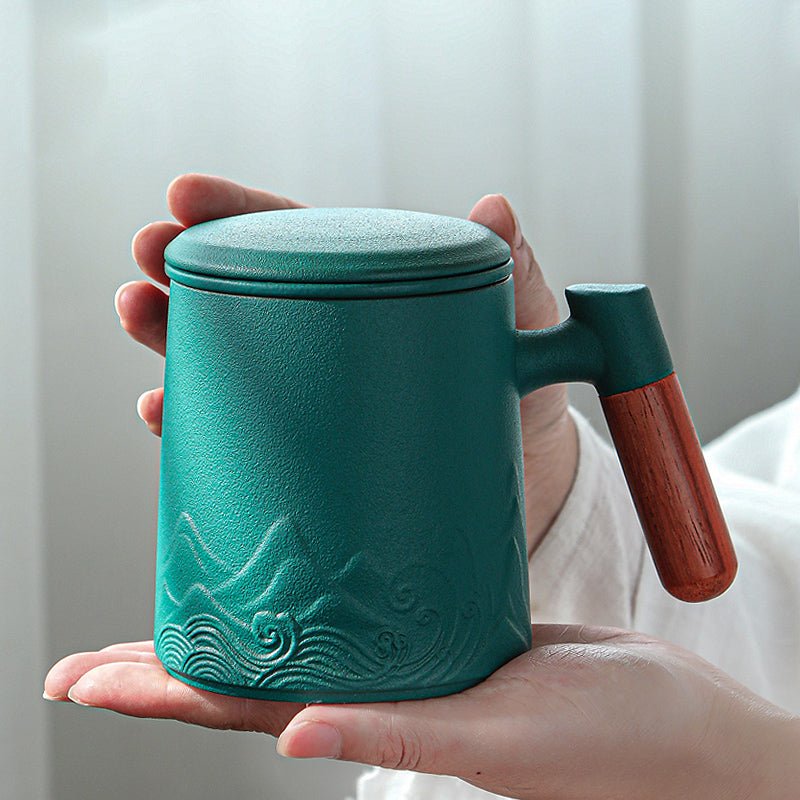
Green Coffee Mug Buying Guide for Size, Care, and Daily Use
A green coffee mug should look good on the shelf and still work on a busy counter. We cover size, care, trade-offs, and what to check before you buy.
Подробнее
Coffee Mug Set of 8: What to Check Before You Buy
A coffee mug set of 8 should fit the way your kitchen actually works: daily brewing, quick dishwasher runs, and enough consistency for guests. Here’s how we help shoppers compare size, shape, mater...
Подробнее
Оставить комментарий
Этот веб-сайт защищается hCaptcha. Применяются Политика конфиденциальности и Условия использования hCaptcha.