
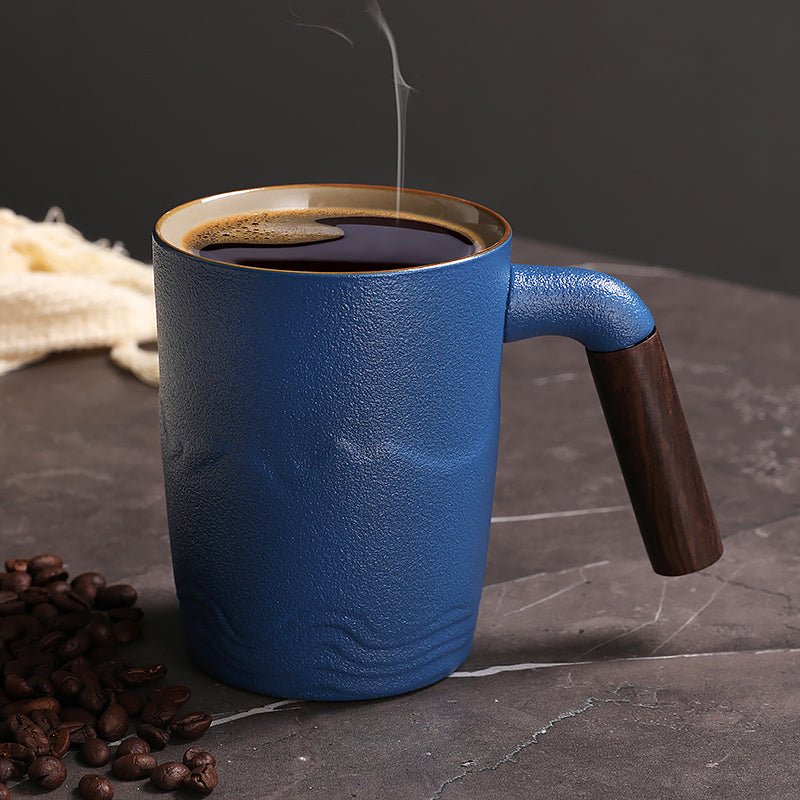
Coffee Mug Set of 8: What to Check Before You Buy
Reading time: about 10 minutes
A set of eight mugs sounds simple until you put it on a real kitchen shelf. Suddenly you are dealing with cabinet height, handle comfort, matching glaze consistency, and whether the mugs actually survive a full dishwasher cycle without looking tired after a few weeks.
That is the part shoppers usually miss. A coffee mug set of 8 is not just about having eight matching cups. It is about choosing a set that fits your routine, your storage space, and the way people actually drink coffee at home, at work, or when guests come through.
In our store, we look at mug sets the way customers use them: on crowded counters, in office break rooms, during gift unboxings, and after a stack of dishes has already been through the dishwasher. If you want a broader look at matching sets, start with our full collection and then narrow down based on shape, capacity, and handle style.
What should a coffee mug set of 8 actually solve for your kitchen?
The best set solves a daily problem, not just a visual one. Some buyers need eight mugs because the family drinks coffee every morning. Others want enough mugs to cover a weekend brunch, an office pantry, or a household that seems to lose one mug every month.
Before you buy, ask what the set needs to do most often:
- Everyday use: If the mugs will be used for drip coffee, tea, or hot chocolate, choose a shape that is comfortable to hold and easy to clean.
- Guest service: A uniform set looks better on the table, especially if you serve coffee after meals or during holidays.
- Storage: Eight mugs can take over a cabinet fast, so stackability and handle clearance matter.
- Replacement planning: Some buyers want a full matched set because they have already mixed together leftovers from old sets and random single mugs.
If you are trying to decide between a smaller set and a full eight-piece setup, our article on Coffee Mug Set 6: What to Check Before You Buy for Daily Use is a useful comparison point. The difference sounds small, but it changes how often you run the dishwasher and whether everyone gets the same mug without argument.
Which mug size works best for daily coffee?
Size is the first thing we check, because it affects both comfort and storage. A mug that looks great online can feel too shallow for a morning pour-over or too bulky for a small hand. On the other side, a mug that is too small may look neat but forces a refill before the coffee is even finished.
For most shoppers comparing an eight-piece set, the real question is whether the mugs support standard everyday drinks or only a narrow use case. If you usually drink regular brewed coffee, tea, or a moderate serving of cocoa, a mid-size mug is usually easier to live with than an oversized novelty piece. If you prefer espresso-style drinks or a small serving, our guide to 8 Ounce Coffee Mugs: How to Choose the Right Small Mug can help you see why smaller cups are sometimes the better buy.
We also recommend checking these practical points:
- Rim width: A wider rim cools coffee faster and is easier to sip from, but it can make a mug feel less insulated in the hand.
- Base width: A wider base is usually more stable on a desk or tray, which matters in office settings.
- Cabinet fit: Taller mugs may not stack as neatly, even when they look elegant on the table.
- Drink style: If you add milk, foam, or cream, you will want extra headroom.
If your shopping list has already shifted from “one mug” to “a set I can actually use,” our 8 oz Coffee Mug: What to Check Before You Buy article is a good companion read before you settle on capacity.
What material and finish hold up best in real use?
For most home buyers, ceramic is still the most practical choice. It feels solid, holds heat reasonably well, and usually looks at home in both a modern kitchen and a more traditional cabinet. That said, the finish and build quality matter as much as the material itself.
Here is what we look for when we handle mug sets in our store:
- Glaze consistency: Uneven glaze can signal quality variation and can also make a set look patchy when lined up together.
- Rim smoothness: A rough rim is a small detail that customers notice immediately the first time they drink from it.
- Handle thickness: Thin handles can look elegant but may feel less secure when the mug is full.
- Chip-prone points: The base, rim, and handle joint are the most common wear areas when mugs are stacked or bumped in the sink.
There is also a visual decision to make. A matched set looks tidy, but mixed styles can work if your kitchen leans more relaxed. If you prefer a tighter set of styling rules, our Ceramic Coffee Mug Set Buying Guide for Everyday Use goes deeper into how ceramic behaves over time and what to look for before the first wash.
For customers who like a more distinctive shape, we often point them to the Gradient Coffee Tea Mug. It is a good example of how finish can change the whole feel of a mug without making it impractical for daily use.
How do handle shape, weight, and balance change the experience?
This is the part shoppers underestimate. A mug can be the right size on paper and still feel awkward in the hand if the handle is too tight, the cup is top-heavy, or the balance is off when it is full. We pay attention to that because customers do too, usually after the first real morning of use.
In daily use, these differences matter:
| Feature | What to check | Why it matters |
|---|---|---|
| Handle opening | Enough room for fingers without squeezing | Comfort, especially when the mug is hot |
| Weight | Heavy enough to feel sturdy, not so heavy that it feels tiring | Better for long coffee sessions and older users |
| Balance | Mug sits level when full | Reduces spills on desks and breakfast tables |
| Rim thickness | Neither too sharp nor overly bulky | Affects drinking comfort immediately |
If your household includes people with different hand sizes, handle shape becomes more important than color. A mug that feels elegant to one person may feel cramped to another. That is why we often recommend comparing a few styles before buying the full set. The Ball Handled Coffee Tea Mug is a useful reference if you want a handle-forward design with a more distinctive grip.
For a more retro look, the Retro Coffee Tea Cup is another option worth comparing if you want the mugs to do more than just disappear into the cupboard. Style matters, but the mug still has to work at 7 a.m. when your hands are half awake.
What are the trade-offs of buying a full matching set?
A full matching set is the cleanest option visually, but it is not the right answer for every home. We are honest with customers about that because a set of eight is a commitment. If you want variety, or if your household tends to break or misplace mugs, a fully matched set may feel too rigid.
Here are the main trade-offs we see:
- Pros: Easy to store, easy to replace as a group, and good for a polished table setup.
- Pros: Makes it simpler to serve guests without mixing sizes or styles.
- Cons: If one mug chips, the set stops being complete.
- Cons: Some matching sets prioritize appearance over grip comfort.
- Cons: A uniform look can feel too formal for a casual kitchen.
If you are buying a set mainly as a gift, a clean matched presentation matters more. If you are buying for yourself, function should come first. That is the point where a buyer should compare our products against the broader advice in Coffee Mug Set Buying Guide for Everyday Use, Gifts, and Kitchens. It helps separate “nice to have” from “will annoy you every morning.”
And if you are still building out your kitchen, browsing the full collection can help you decide whether you want eight identical mugs or a coordinated mix that still feels intentional.
How should you care for a coffee mug set of 8?
Care matters because eight mugs see heavier rotation than one or two mugs ever will. That means more stack-and-unstack wear, more dishwasher cycles, and more chances for chips at the rim or handle if the cabinet is crowded.
Our practical care advice is simple:
- Rinse after coffee or tea when possible so stains do not sit overnight.
- Load mugs with space between them if your dishwasher rack is tight.
- Avoid banging rims together when stacking or unloading.
- Dry fully before storing if your cabinet tends to hold moisture.
- Use non-abrasive cleaning tools when the finish is glazed and you want to keep the surface smooth.
We do not recommend a ceramic mug set for people who need something ultra-light for commuting or rugged enough for repeated outdoor use. If that is your use case, a travel tumbler or insulated cup makes more sense. A mug set is a home-and-office product first.
Which coffee mug set of 8 setup fits different buyers best?
Different buyers should not shop the same way. A full eight-piece set can serve several purposes, but the best version depends on the buyer’s routine.
- For families: Prioritize durability, comfortable handles, and a size everyone can use without complaint.
- For offices: Look for easy labeling potential, stackability, and a look that still feels professional on a break room shelf.
- For gifts: Choose a polished finish and a style that feels cohesive out of the box.
- For smaller kitchens: Favor a shape that stores efficiently, even if it is not the most decorative option.
That is also why we recommend checking individual styles before committing to a full set. A shopper who likes a softer, more decorative finish may prefer the Gradient Coffee Tea Mug, while someone who wants a more tactile handle might prefer the Ball Handled Coffee Tea Mug. Those decisions are easier to make before the eight-piece purchase than after the set is already sitting on your shelf.
Frequently asked questions
Is a coffee mug set of 8 enough for a family?
For most households, yes. Eight mugs usually cover daily use, a few extras in the dishwasher, and one or two guests without creating a shortage. If your home hosts often or the mugs are used heavily at work, you may still want a backup set.
Should I choose matching mugs or a mixed set?
Matching mugs are easier to store, easier to replace, and usually look cleaner on the table. Mixed sets can feel more relaxed and personalized, but they are harder to keep visually consistent. If you want a giftable or polished look, matching usually wins.
What size is best for everyday coffee?
For everyday drip coffee, tea, and similar drinks, a mid-size mug is usually the most practical. Smaller mugs can be better for shorter drinks or espresso-style servings, while larger mugs work if you add milk or like extra room. The right answer depends on how you actually drink coffee, not just the label.
Are ceramic mug sets good for the dishwasher?
Many ceramic mugs are dishwasher-friendly, but the finish, glaze quality, and shape still matter. A tight dishwasher rack can cause rim contact and edge chips over time, so loading carefully matters as much as the material itself. If you want the set to stay clean-looking, handle it like real cookware, not decor.
What should I check before buying a set of eight online?
Check the mug dimensions, handle comfort, material, and whether the shape will fit your cabinet or dishwasher. Also look at how the set is pictured: if the mugs are shown only from one angle, it is harder to judge balance and handle depth. For a deeper checklist, the blog guides on 8 Ounce Coffee Mugs: How to Choose the Right Small Mug and 8 oz Coffee Mug: What to Check Before You Buy are useful starting points.
If you want the fastest way to narrow your choice, compare three things first: mug size, handle comfort, and how the set will store in your kitchen. Then browse our collection and compare the individual mug styles that best match the way you drink coffee every day.
Read more
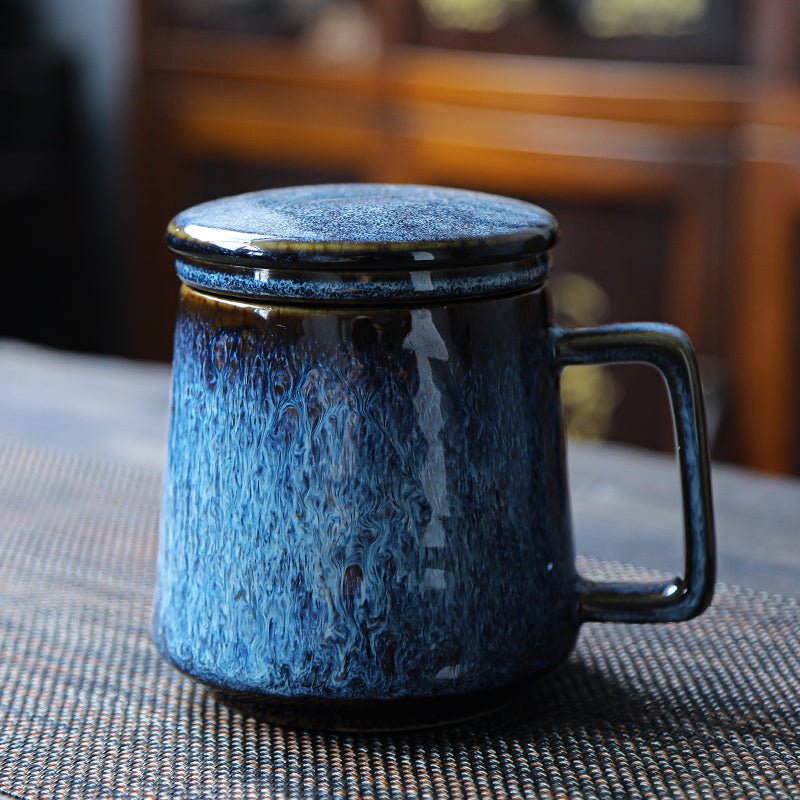
Pottery Coffee Mug Guide: How to Choose the Right Stoneware Mug
A pottery coffee mug feels better in hand than a thin cup, but the right one depends on shape, weight, glaze, and how you actually drink coffee. We break down the trade-offs and point you to the Co...
Подробнее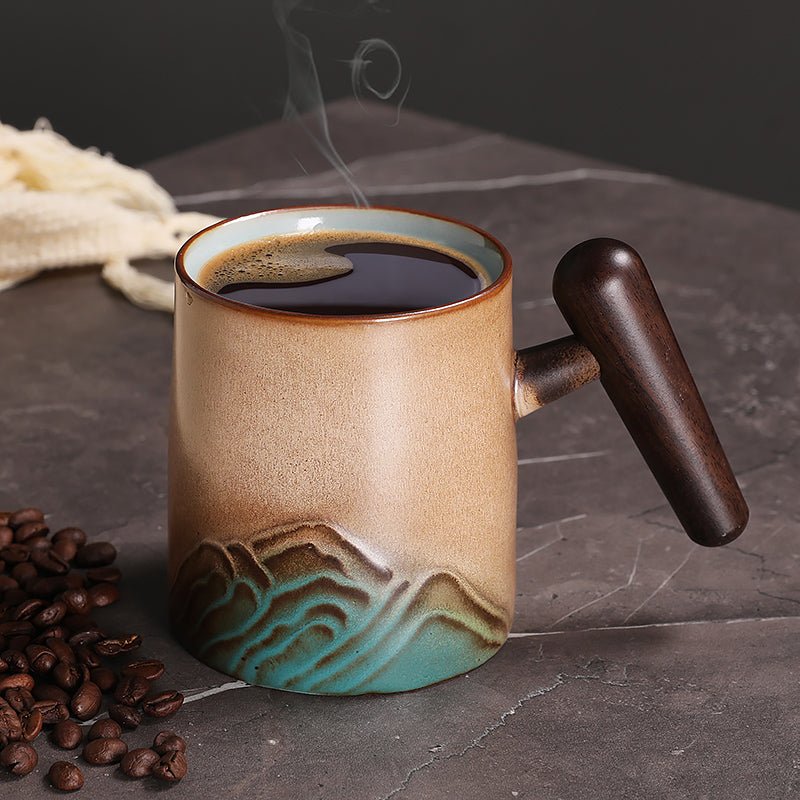
Pottery Coffee Mug Buyer Guide: What to Check Before You Buy
A practical pottery coffee mug guide for shoppers comparing feel, finish, size, and everyday durability. We cover what matters at the sink, on the desk, and when gifting.
Подробнее
Оставить комментарий
Этот веб-сайт защищается hCaptcha. Применяются Политика конфиденциальности и Условия использования hCaptcha.