
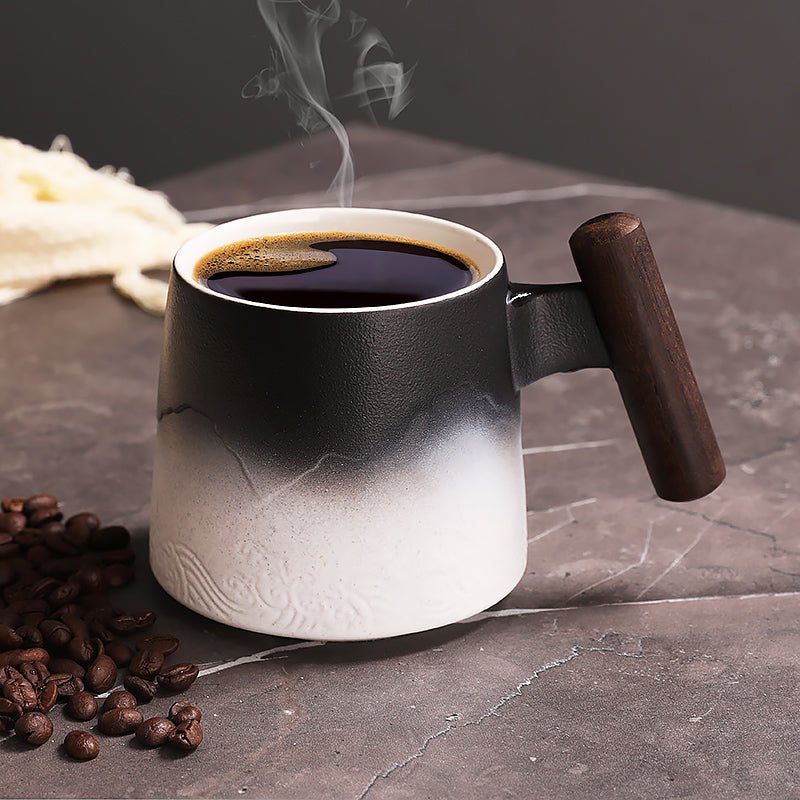
Metal Coffee Mug Buyer’s Guide: What to Check Before You Buy
Reading time: about 10 minutes
A metal coffee mug feels sturdy the moment you pick it up. On a kitchen counter, in an office, or tossed into a bag for a commute, that weight and durability are usually the first reasons shoppers start comparing it against ceramic or glass.
We see the same buying questions all the time in our store: Will it stay hot long enough? Will it get too hot to hold? Is it good for desk use, or only for travel? A metal coffee mug can be an excellent everyday cup, but only if the size, build, and care fit how you actually drink coffee.
At CoffeifyMug, we focus on practical details that matter after the unboxing. If you want to browse our current options while reading, start with our products page or see the full range in our collection.
What makes a metal coffee mug a good buy?
The strongest reason to choose a metal coffee mug is durability. Metal handles bumps, packed dish racks, desk drops, and outdoor use better than most ceramic mugs. It is also a sensible pick for people who want a mug that feels less fragile around kids, office kitchens, or shared spaces.
In practice, the best versions are usually made from stainless steel. That matters because stainless steel is the common category for coffee drinkware that resists rust and handles daily washing well. Some metal mugs are double-wall insulated, while others are single-wall. That difference changes the whole experience.
- Single-wall metal mugs are lighter and often simpler, but they transfer heat quickly.
- Double-wall insulated mugs hold temperature longer and are easier to grip, but they can be bulkier.
- Lidded metal mugs are better for commutes and shared desks, but the lid adds a cleaning step.
If you like a mug that feels solid and low-risk around the house, metal is a smart category. If you want a mug that feels warm in the hand and doesn’t change the coffee’s temperature quickly, ceramic may still be the better fit.
Is stainless steel better than other metal coffee mug materials?
For most coffee buyers, yes. Stainless steel is usually the material we recommend first because it balances durability, resistance to corrosion, and everyday cleanability. It is also the material most shoppers expect when they hear “metal coffee mug.”
That said, “metal” is a broad label. Some mugs use coated metal exteriors, some use stainless steel inside and out, and some add silicone grips or bases. We pay attention to those details because they affect comfort and longevity.
| Material / build | What it does well | What to watch for |
|---|---|---|
| Stainless steel | Durable, rust-resistant, easy to clean | Can feel hot or cold to the touch if not insulated |
| Single-wall metal | Lightweight, simple, often less bulky | Transmits heat quickly; not ideal for slow sipping |
| Double-wall insulated steel | Better temperature retention, easier handling | Usually heavier and may need handwashing for some lids |
One trade-off we always call out: a metal coffee mug can influence taste if the interior finish is poor or if it holds old residue. Good washing habits matter here more than with some ceramic mugs.
What size metal coffee mug should you choose?
Size is where many shoppers make the wrong choice. A metal coffee mug that looks compact online may feel too small on a morning desk, while a larger cup can be awkward under a single-serve brewer or in a car cup holder.
We recommend thinking about the cup by use case, not just ounces. If you want help comparing common capacities, our related size guides are useful starting points: see the 10 oz Coffee Mug guide for smaller servings and the 16 Ounce Coffee Mug Buyer’s Guide for the everyday middle ground. If you’re leaning larger, the 20 oz Coffee Mug guide helps with larger pours and refill habits.
- 8–10 oz: Better for smaller pours, espresso-based drinks, or people who dislike oversized mugs.
- 16 oz: A common everyday size for drip coffee and longer mornings.
- 20 oz and up: Better for big coffee drinkers, but may feel heavy when filled and can be clumsy on a crowded desk.
If your current ceramic mug already feels “just right,” measure it. Height and diameter matter as much as capacity, especially if you use a machine with limited clearance or a narrow mug shelf. Our own team checks fit on counters, under cabinets, and around lids because that is where disappointments usually show up.
Will a metal coffee mug keep coffee hot longer?
Often, yes, but only if the mug is designed for insulation. A plain metal mug warms up fast and cools down fast. A double-wall insulated metal coffee mug is the better choice if heat retention matters and you do not want your drink dropping in temperature during a long meeting or a slow morning.
There is a trade-off. Better insulation can mean a mug feels less “coffee-house light” and more utility-focused. Some buyers like that. Others prefer a mug that cools faster and can be sipped immediately without building up too much heat near the rim.
If you mostly drink coffee within 10 to 15 minutes, you may not need the thickest insulated option. If you work at a desk for hours, or you leave coffee half-finished between calls, insulation starts to matter a lot more.
For shoppers who want a larger everyday cup with more room for milk or iced coffee, our 24 Ounce Coffee Mug Buyer’s Guide and the companion 24 oz Coffee Mug guide can help you compare capacity against practicality.
Is a metal coffee mug comfortable to drink from?
Comfort depends on edge shape, wall design, and whether the mug has a handle. A well-made metal coffee mug should have a rolled or smooth drinking rim, not a sharp edge. If the cup is double-wall insulated, it should also stay comfortable to hold without burning your fingers or needing a sleeve.
Handles matter more than many shoppers expect. Some metal mugs skip them entirely, which keeps the profile clean but can make the mug less pleasant for hot drinks. If you drink black coffee fast, that may not bother you. If you sip slowly while working, a handle or insulated body can make a real difference.
Here is what we check in real use:
- Rim comfort: no rough seam where your lip meets the cup.
- Grip: stable in one hand, even when the mug is full.
- Base stability: not too narrow for a desk or coaster.
- Lid fit: snug enough for daily use, but not so tight it becomes annoying to remove.
If you are comparing against a more decorative ceramic style, our Anthropologie Coffee Mug style and size guide is useful for understanding the trade-off between design, comfort, and daily durability.
What are the downsides of a metal coffee mug?
A metal coffee mug is not the best choice for everyone. The biggest downside is heat behavior. Single-wall metal gets hot quickly. Very glossy or thin metal can also feel less pleasant for long sipping. And if the mug is poorly finished, it can pick up dents, scratches, or a slightly metallic aftertaste over time.
We also tell shoppers to think about dishwasher habits. Some metal mugs and lids are dishwasher-safe, but not all finishes or lid parts handle repeated cycles equally well. If a mug has silicone gaskets, we recommend checking those pieces carefully during washing so coffee oils do not build up in hidden seams.
A metal coffee mug may not be the best fit if you want:
- A warm, heavy feel like stoneware
- Microwave use, since metal should not go in the microwave
- A decorative table setting for guests
- Zero maintenance on lids, seals, or rubber parts
That is the honest trade-off. Metal wins on toughness and often on temperature control, but it is not the most charming or most delicate option on the shelf.
How should you clean and care for a metal coffee mug?
Care is simple if you stay consistent. We recommend rinsing soon after use, especially after coffee with milk or sweet syrups. Coffee residue is much easier to remove when it has not dried into seams, lid grooves, or the base of a handle.
For routine care, follow these steps:
- Rinse the mug after finishing your drink.
- Wash with warm water and mild dish soap.
- Use a soft sponge or bottle brush for the inside.
- Remove and wash lid parts separately if the mug includes one.
- Let all parts dry fully before storing them.
We also suggest checking for common wear points: the rim, any seam near the base, and the lid gasket if your mug has one. Those areas are where residue and odors usually linger first. If a mug starts to smell stale, a thorough wash and full air-dry often fixes it before the issue gets worse.
Who is a metal coffee mug best for?
From our experience, metal coffee mugs are best for people who value durability more than decorative feel. They work well for office desks, workshop benches, camping setups, shared kitchens, and households where mugs take a beating. They also make sense for shoppers who want one mug that can move between home and travel use.
They are less ideal for people who want a classic café experience at the table, or who dislike lids and maintenance. If you mostly drink coffee slowly at home and want the mug to feel warm and traditional in hand, ceramic may still suit you better.
Some of the best customer matches we see are:
- Commuters who need a tougher cup for bags and car trips
- Desk workers who want a practical mug with fewer breakage worries
- Outdoor coffee drinkers who want a sturdier vessel than ceramic
- Gift buyers looking for something useful, not fragile
If you are choosing between categories, look at how the mug will actually be used on a Tuesday morning, not just how it looks in a product photo.
Frequently asked questions
Is a metal coffee mug safe for hot drinks?
Yes, a metal coffee mug is designed for hot drinks as long as it is made for beverage use. The main thing to check is whether the mug has a comfortable rim and, if it is single-wall, whether it will get too hot to hold. Insulated stainless steel is usually the safer, more comfortable choice for hot coffee.
Can I put a metal coffee mug in the microwave?
No. Metal should not go in the microwave. If you need to reheat coffee often, a metal coffee mug is not the best option for that habit. A ceramic mug is usually more convenient for microwave use.
Does a metal coffee mug change the taste of coffee?
A well-made stainless steel mug should not noticeably change the taste for most people. If the mug has residue, a poor interior finish, or a lid that traps old coffee oils, you may notice off flavors. Regular washing and full drying make a big difference.
What size metal coffee mug is best for daily use?
For many shoppers, 16 oz is the easiest everyday size because it handles a normal pour plus room for milk or cream. If you prefer smaller servings, 10 oz can feel less bulky on a desk. For larger pours or long mornings, 20 oz may be the better fit.
Should I choose a lidded metal coffee mug?
If you move around during the day or want to help reduce spills, a lid is useful. If you mostly drink at a desk and want easy cleaning, a lid may be extra maintenance you do not need. We usually suggest lids for commuters and open-top designs for home-first buyers.
If you want to compare your options quickly, start with the size and use-case checklist above, then browse our current metal coffee mug options and the full collection. Pick the mug that fits your counter, your cup holder, and the way you actually drink coffee.
More from our blog
Read more
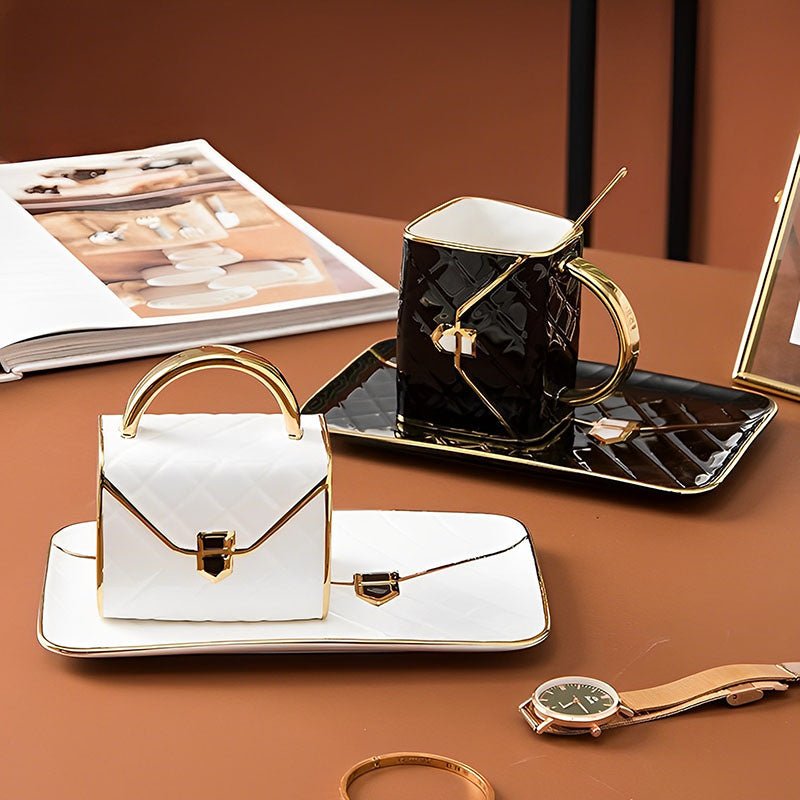
Cute Coffee Travel Mugs: What to Buy for Daily Carry and Gifts
Cute coffee travel mugs should do more than look good on a desk. Here’s how we compare lids, insulation, size, and cleanup so you can pick one that fits your commute, bag, and routine.
Подробнее
The Cracked Mug Coffee House: What Buyers Should Know
A practical look at the cracked mug coffee house concept, from what the style says to how it holds up in daily use. We cover the buying trade-offs, the everyday details shoppers should check, and w...
Подробнее
Оставить комментарий
Этот веб-сайт защищается hCaptcha. Применяются Политика конфиденциальности и Условия использования hCaptcha.