
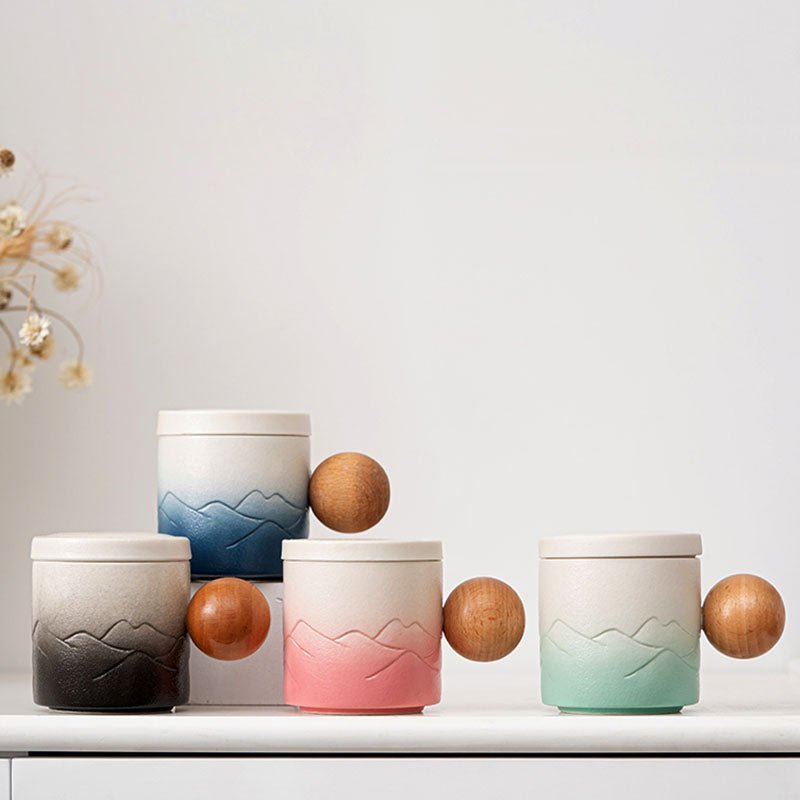
Massive Tea Cup Buying Guide for Daily Tea and Desk Use
Reading time: about 8 minutes
A massive tea cup gets judged in the first ten minutes of the morning: does it hold enough tea, stay steady on a crowded desk, and still feel comfortable when it is full? In our store, we see people pick one for different reasons. Some want fewer refills. Some want a roomy cup for herbal blends. Others want a cup that does not tip over next to a laptop.
If you already know you want to compare styles, start with our full collection, then look closely at the Gradient Coffee Tea Mug, the Retro Coffee Tea Cup, and the Ball Handled Coffee Tea Mug.
A good oversized cup is not just big. It needs a stable base, a comfortable handle, and a shape that still works when the cup is full.
What makes a massive tea cup worth buying?
A massive tea cup is useful when the cup size matches how you actually drink tea. If you brew once and sip for a while, a larger cup saves trips back to the kettle. If you keep tea at your desk, the extra volume can make morning routines easier. The trade-off is simple: more capacity usually means more weight, a wider footprint, and a hotter or heavier lift when the cup is filled to the top.
We think the best oversized cups solve a real habit, not just a style preference. That matters because a big cup can be awkward if you have small shelf space, a narrow cup holder, or a habit of carrying your drink across the kitchen with one hand. A massive tea cup is also not the best match for tea drinkers who prefer small, repeated pours of delicate tea that cools quickly in a wide-open vessel.
For shoppers comparing size first, our Big Tea Cup Buying Guide: Size, Material, and Daily Use goes deeper on how capacity changes the way a cup feels in normal use.
- Good fit: desk tea, home office use, herbal tea, long reading sessions, and gift buyers who want something practical.
- Poor fit: commuting, narrow car cup holders, very tight cabinets, and people who prefer lightweight cups.
- Common sweet spot: many shoppers end up happiest in the 16 to 24 oz range, depending on hand size and how full they like to pour.
Which materials make the most sense for daily tea?
For a massive tea cup, material affects more than look. It changes the hand feel, the weight, and how the cup behaves after repeated washing. In practice, most shoppers compare glazed ceramic, stoneware, and porcelain. Each has a place, but they do not perform the same way on a kitchen counter or office desk.
| Material | What it does well | Watch out for |
|---|---|---|
| Glazed ceramic | Easy to clean, familiar feel, solid everyday weight | Can chip on a hard sink or if stacked carelessly |
| Stoneware | Thicker wall feel, sturdy in the hand, good for a substantial cup | Usually heavier, so a full cup feels more demanding |
| Porcelain | Smoother finish, lighter in hand, more refined look | Can feel less forgiving if you want a very chunky cup |
In our experience, a glazed ceramic cup is the easiest starting point for everyday tea. It handles normal use well, cleans up easily after black tea or herbal blends, and feels right on a desk. If you want a more detailed material breakdown, our Tea Ceramic Cup Buying Guide for Daily Tea, Desk Use, and Gifts covers finish, feel, and day-to-day use without guessing.
A useful detail that many buyers miss is the glaze itself. A smooth glaze should cover the drinking surface evenly, while the foot ring should sit flat without wobble. When we inspect cups, we look for hairline crazing in the glaze, rough spots where the rim meets the body, and a base that rocks on a hard counter. Those are the small defects that show up after the cup is already on your shelf.
What should you check before you order one?
Size on the page is not enough. A massive tea cup can still fail in daily use if the handle is cramped, the base is unstable, or the wall is too thin for the way you drink. That is why we treat a purchase like a quick fit test. The best cups feel obvious in the hand before you even pour tea into them.
- Handle clearance: Make sure two fingers fit without pinching, especially if the cup is meant to hold a full pour.
- Base stability: A wide, level foot ring keeps the cup from wobbling on wood desks and kitchen counters.
- Wall thickness: Thicker walls usually feel sturdier, while thinner walls can feel lighter but less substantial.
- Rim shape: A smooth rim makes longer sipping more comfortable, especially with hot tea.
- Care label: If the cup is dishwasher safe, that is convenient, but top-rack placement and gentle unloading still matter.
If you want a broader checklist before buying, the Massive Mugs for Tea: Size, Shape, and Materials That Work article is a useful companion read. It covers the shape side of the decision, which matters more than most shoppers expect.
We also recommend thinking about the places the cup will live. A massive tea cup that feels perfect on a kitchen shelf may feel too tall or too wide on a crowded office desk. Gift buyers should also think about unboxing. A roomy mug with a good handle looks generous in a gift box, but it should still be easy to wrap and ship without chipping the rim.
Which massive tea cup fits your routine best?
The right style depends on how you drink, where you drink, and what you want the cup to feel like in the hand. We see three common buyer profiles again and again: the desk drinker, the nostalgia buyer, and the grip-first buyer.
| Your routine | Best style | Why it works |
|---|---|---|
| Desk tea and long work sessions | Gradient Coffee Tea Mug | A clean, modern shape that feels at home beside a laptop or notebook |
| Classic kitchen shelf and everyday tea | Retro Coffee Tea Cup | A familiar shape that suits buyers who want something straightforward and easy to live with |
| Secure hold and heavier feel | Ball Handled Coffee Tea Mug | The handle design gives you a different grip feel when the cup is full |
The best choice is the one that matches your hand and your counter space, not just the photo. A ball handle can feel more secure if you carry tea from the kitchen to your desk. A retro shape can be easier to store if you already use standard mug racks. A gradient finish can make the cup feel more considered as a gift, especially if the buyer wants something that looks a little more styled without becoming fragile or fussy.
If you are buying for a gift, the cup should look generous but still practical. That is the balance we like in this category. A massive tea cup should feel like a daily object, not a display piece that becomes too precious to use.
How do you care for a large tea cup so it lasts?
Most damage to oversized cups happens during handling, not while drinking. The common failure points are chipped rims, scraped foot rings, and handle stress from carrying a full cup with one finger hooked through the handle. If you want a cup to last, the simple habits matter more than any marketing claim.
- Wash it soon after tea, especially if you use dark black tea or heavily tinted herbal blends.
- Use a soft sponge on the glaze instead of a harsh scrub pad.
- Dry the foot ring after washing so water marks do not collect underneath.
- Avoid abrupt temperature changes, especially moving a cold ceramic cup straight into very hot water.
- Stack carefully, or do not stack at all, if the rim is wide and the glaze is delicate.
For more practical tea-cup shopping context, the Tea Ceramic Cup Buying Guide for Daily Tea, Desk Use, and Gifts is useful if you are comparing finish and care before you buy. That kind of detail matters when you plan to use the cup every day, not just open it once.
A massive tea cup is not the right pick if you want a travel cup, a tiny espresso-style pour, or a cup that disappears into a very shallow cabinet. It is better suited to steady use at home, at a desk, or in a kitchen where the cup can live where you reach for it naturally.
Frequently asked questions
How many ounces should a massive tea cup hold?
Most shoppers start looking around 16 oz and move upward from there, depending on how much tea they drink in one sitting. If you want a cup that reduces refills without feeling oversized in the hand, the 16 to 24 oz band is a practical place to compare. The right choice still depends on handle size and how much room you have on the desk or shelf.
Is a massive tea cup good for black tea and herbal tea?
Yes, especially if you like longer sipping sessions. A larger cup works well for black tea, herbal tea, and blends you want to keep nearby while working. It is less ideal for very delicate teas that you prefer to pour in smaller amounts.
What is the best material for a massive tea cup on a desk?
Glazed ceramic is usually the most practical choice for desk use because it feels substantial, cleans easily, and looks normal next to office items. Stoneware is a good option if you want more heft. Porcelain works if you prefer a lighter, smoother cup, but it can feel less chunky than some buyers want.
Can I put a massive tea cup in the dishwasher?
Only if the maker says it is dishwasher safe. Even then, we still recommend top-rack placement and careful unloading to reduce rim chips and handle knocks. If the glaze is soft or the cup has decorative detailing, hand washing is the safer route.
Is a ball handle better than a regular handle?
It depends on your grip preference. A ball handle can feel more secure for some buyers, especially when the cup is full and warm, while a more traditional handle may feel easier for everyday lifting. If you tend to carry a full cup from the kitchen to a desk, handle shape matters more than most people expect.
If you want to compare styles side by side, use the checklist above, then browse our full collection and choose the cup that matches your hand, your desk, and the way you actually drink tea.
Read more
Adult Humor Coffee Mugs: How to Choose One That Actually Gets Used
Adult humor coffee mugs work best when the joke, shape, and size all hold up in real life. Here is how we help shoppers choose a mug that works on a desk, in the dishwasher, and as a gift.
Подробнее
American Flag Coffee Mug Buying Guide: Size, Print, and Daily Use
A practical guide to choosing an american flag coffee mug that looks good on the counter, holds up in daily use, and makes sense as a gift. We cover size, print durability, care, and the trade-offs...
Подробнее
Оставить комментарий
Этот веб-сайт защищается hCaptcha. Применяются Политика конфиденциальности и Условия использования hCaptcha.