
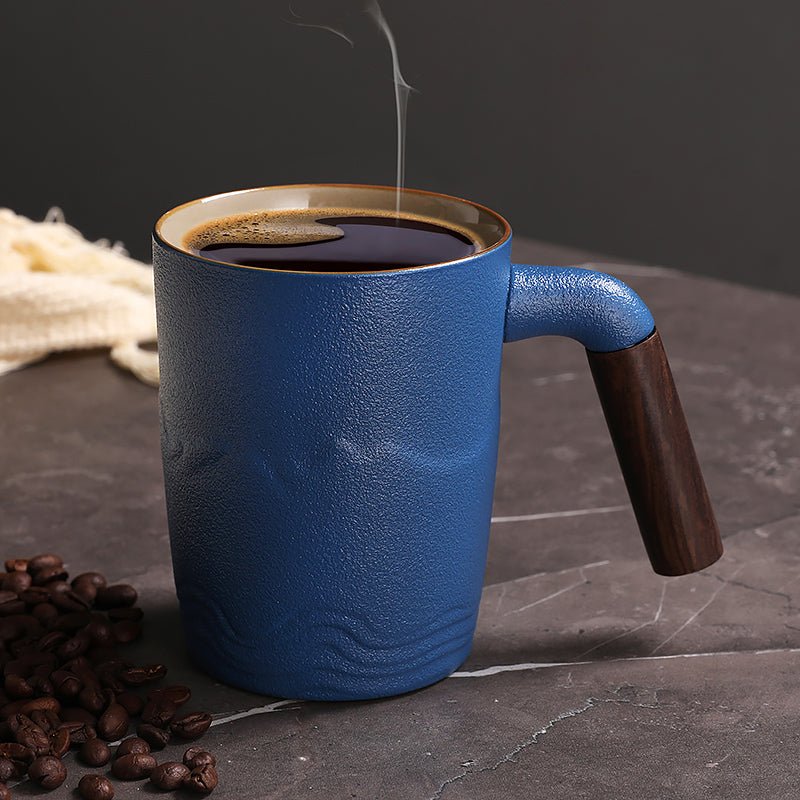
Latte Art Cup: How to Choose Shape, Size, and Material
Reading time: about 9 minutes
Why does a latte art cup shape change the pour so much?
We see this mistake all the time: people focus on the espresso machine and milk frother, then pour into a cup that works against them. A latte art cup needs a shape that gives the milk and crema a clean stage. If the opening is too narrow, the pattern compresses. If the walls flare out too aggressively, the design spreads before it settles.
In our store, we look at the cup the same way a home barista does at the counter: not as decor first, but as a tool. The best cup for latte art usually has a fairly wide mouth, a stable base, and a interior shape that lets the liquid rise smoothly instead of climbing awkwardly up one side.
If you want to browse examples while you read, start with our Koi Fish Coffee Tea Mug and compare it with the cups in our full collection. If you want a deeper breakdown of cup geometry, we also cover that in our article Latte Art Cup: How to Choose the Right Shape, Size, and Material.
What makes a cup easier for latte art in real use?
The first thing we check is the rim. A wide, open rim gives the foam room to spread in a controlled way. The second is the wall profile. A gently curved bowl helps the milk and espresso mix evenly, which matters when you want a clean heart or tulip rather than a muddy swirl.
There are a few practical details that matter more than buyers expect:
- Rim width: Wider openings make pouring easier and make the pattern visible sooner.
- Interior curvature: A smooth curve is easier to pour into than a sharp corner or steep taper.
- Base stability: A cup that wobbles on a kitchen counter or office desk makes the finish look sloppy, even if the pour was good.
- Handle comfort: If the handle is too small, you end up gripping the cup awkwardly while trying to pour.
We have handled plenty of cups that photograph well but are irritating in daily use. Thin handles pinch. Very tall cups hide the art. Oversized mugs can make a small cappuccino look lost. That is why the best latte art cup is usually a balance between presentation and control, not a decorative shape chosen only for looks.
Which size works best for cappuccino, latte, and flat white?
Size changes how the pattern sits and how much room you have to work. A smaller cup can make a tight design look crisp. A larger cup gives you more surface area, but it also asks for better milk texture and more control from the pour.
Here is the practical way we think about it:
| Drink style | What usually works best | Why it matters |
|---|---|---|
| Espresso or short drinks | Small, compact cup | Less surface area keeps the crema concentrated |
| Flat white | Lower-profile cup with a wide opening | Gives you room for a centered design |
| Cappuccino | Moderate size with good depth | Supports foam without making the cup feel crowded |
| Caffe latte | Larger cup with enough width for free-pour art | Lets the milk and crema settle into visible layers |
If you routinely make bigger servings, our article 700ml Cup Buying Guide for Daily Coffee, Tea, and Gifts is useful, but it is worth saying plainly: a very large cup is not always a better latte art cup. The surface can be too spread out for beginner pours, and the drink can cool before you finish the pattern. For most home coffee setups, a medium cup is easier to live with.
Is ceramic, glass, or stoneware better for latte art?
Material affects feel, heat retention, and durability. We handle all three styles in the store, and each has a different strength.
- Ceramic: The most balanced choice for everyday latte art. It usually feels stable in the hand and holds heat well enough for a proper drink.
- Stoneware: Often heavier and more substantial. Good if you want a cup that feels grounded on a kitchen table, but it can be thicker and a little less delicate in presentation.
- Glass: Great if you want to see the layers of espresso and milk. The trade-off is that heat loss can feel faster and the cup may be less forgiving if you prefer a warm, substantial hand feel.
We do not recommend chasing the prettiest material at the expense of daily use. A cup that looks elegant but is awkward to wash, too thin to hold comfortably, or too narrow for a clean pour will frustrate you after a week. If you want a cup for the office desk, the dishwasher, and an occasional home pour, ceramic is usually the safest starting point.
For seasonal browsing, some shoppers also compare shapes in our article Autumn Coffee Mugs: How to Choose the Right Cup for Cozy Season, especially if they want a mug that works for both coffee and tea outside of latte art use.
What details do we check before we recommend a latte art cup?
Our team looks at the same things a real buyer notices after unboxing the cup and using it for a week. That means more than the photo and the color. It means shape, balance, and how the cup behaves once it is filled.
- Wall thickness: Thin walls can feel elegant, but they can also cool the drink quickly and feel fragile during washing.
- Handle clearance: The fingers should fit without scraping the cup body.
- Pour stability: A broader base helps the cup sit flat on a tray, countertop, or saucer.
- Finish quality: Look for a smooth rim and consistent glaze or surface finish, because rough edges and uneven glazing are common defect modes that show up fast in daily use.
- Cleaning ease: A cup with a simple interior shape is easier to rinse after steamed milk.
One thing we tell shoppers directly: a latte art cup is not ideal if your main goal is soup-like capacity or long tea sessions. A big insulated tumbler or oversized tea cup will serve those jobs better. The right cup for latte art is shaped for control and presentation, not maximum volume.
How should you care for a latte art cup so it keeps looking clean?
Care is simple, but it matters. Milky drinks leave a visible film if the cup sits unwashed for too long, especially on darker glazes and glossy interiors. Rinse soon after use, and avoid abrasive pads if the surface has a decorative finish.
In daily use, we suggest a basic routine:
- Rinse the cup soon after pouring.
- Wash with a soft sponge and mild soap.
- Dry the rim and base so water spots do not collect.
- Check the underside occasionally for residue buildup, especially if the cup sits on a saucer or tray.
If the cup is marketed for dishwasher use, that helps, but it is still worth checking the finish over time. Repeated cycles can dull some glazes and loosen decorative printing sooner than hand washing. For gift buyers, that is one of the most practical questions to ask before choosing.
Which latte art cup is best for gifts, office use, or display?
The right answer depends on the job. A gift cup should be easy to understand at a glance and comfortable enough that the recipient actually uses it. Office use favors durability and a shape that works on a crowded desk. Display pieces can lean more decorative, as long as the buyer knows they are trading some everyday convenience for appearance.
We often steer shoppers this way:
- For a gift: Choose a cup with a clean silhouette and a versatile size. It should work for coffee even if the recipient never pours latte art.
- For an office: Choose something stable, easy to clean, and not too tall for a desk shelf or monitor riser.
- For display: Decorative forms and bold artwork can make sense, as long as the buyer is comfortable with more careful handling.
That is where a piece like our Koi Fish Coffee Tea Mug can fit well for some buyers. It is more decorative than a plain barista cup, so it suits shoppers who want a cup that still feels useful at breakfast or during a gift unboxing. It is not the most neutral choice for precise competition-style pours, but it can be a strong everyday mug if the buyer values character and visual presence.
Frequently asked questions
What size latte art cup is easiest for beginners?
A medium cup is usually the easiest starting point. It gives you enough surface area for a simple heart or tulip without forcing you to control too much milk at once. Very large cups can make the first few pours harder to read.
Can I use a regular coffee mug as a latte art cup?
Yes, if the mug has a wide enough opening and a reasonably smooth interior curve. Many regular mugs are too narrow or too upright, which makes the pattern stack awkwardly instead of spreading cleanly. A standard mug can work, but it is not always the easiest shape for learning.
Is ceramic better than glass for latte art?
For most buyers, ceramic is the more practical choice. It feels stable, usually holds heat well, and is less finicky in everyday use. Glass is better if you want to see the layers, but it can feel less forgiving for temperature and handling.
What is the biggest mistake people make when choosing a latte art cup?
They choose by design first and function second. A beautiful cup that is too narrow, too tall, or too heavy for comfortable pouring usually becomes a shelf piece instead of a daily-use cup. The best choice works in the hand, on the counter, and in the sink.
Should I buy a latte art cup if I mostly drink tea?
If you mostly drink tea, a latte art cup may still work, but only if you like the shape and size for general use. A larger tea cup or a broader mug can be better if the cup is not mainly for coffee presentation. If you want both coffee and tea flexibility, compare the options in our full collection.
If you are choosing between shape, size, and material right now, start with the cup that fits your actual routine: the counter space you have, the drinks you make most, and how often you want to wash it by hand. For more options, browse our collection, then compare the shape notes in our latte art cup guide before you decide.
Read more
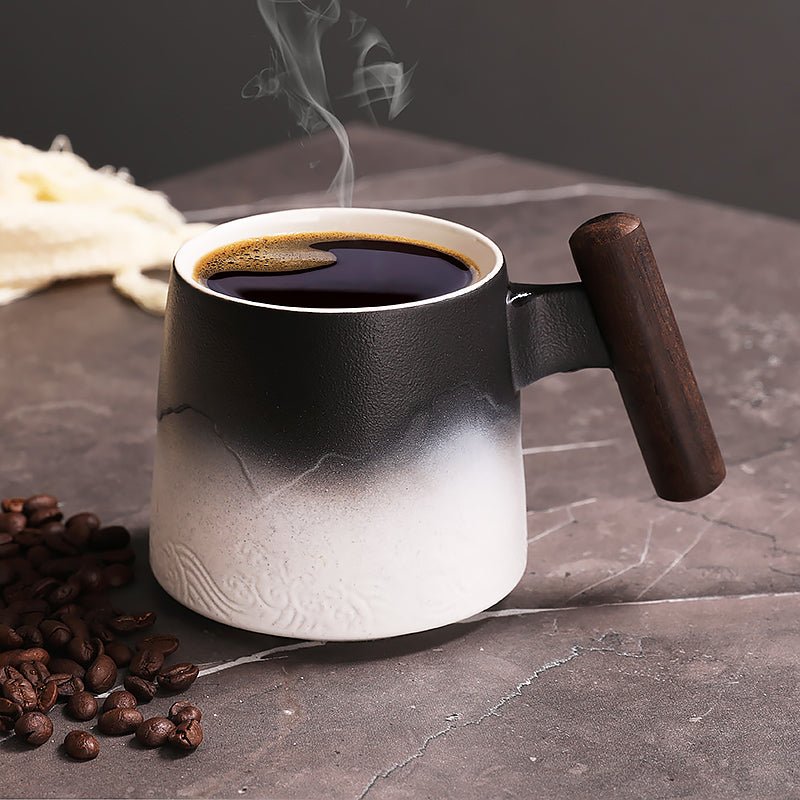
Dragon Coffee: What to Check Before You Buy a Mug
dragon coffee usually means a dragon-themed mug or gift, not a brewing style. We break down what to check for size, comfort, print quality, and which mug styles make sense for daily use.
Подробнее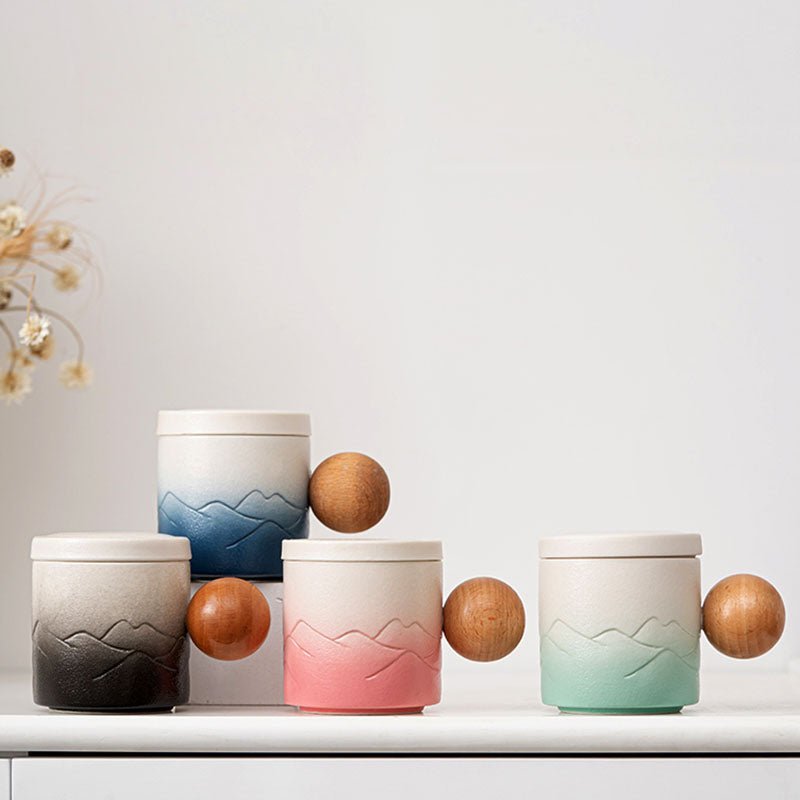
Giant Tea Mug Buying Guide for Comfortable Daily Use
A giant tea mug should feel steady in the hand, fit your shelf and dishwasher, and stay comfortable after repeated use. We break down the size, shape, and material checks that matter before you buy.
Подробнее
Оставить комментарий
Этот веб-сайт защищается hCaptcha. Применяются Политика конфиденциальности и Условия использования hCaptcha.