

Insulated Coffee Mugs: How to Choose Heat, Lid, and Size
Reading time: about 10 minutes
A hot coffee that is still drinkable at the desk is one thing. A mug that leaks into a tote bag, tastes metallic by the third refill, or is annoying to clean is another. We see that trade-off every day in our store, and it is why insulated coffee mugs are worth choosing carefully instead of grabbing the first stainless steel cup that looks durable.
The right mug is not just about keeping coffee warm. It is about the lid, the mouth shape, the size you actually finish, and how much effort you are willing to spend cleaning tiny gasket grooves at the end of the day. If you already know you want to compare styles, start with our collection or browse our products page once you know the size and finish you want.
What actually makes an insulated coffee mug worth buying?
The best insulated coffee mugs usually rely on a simple formula: a double-wall body, a lid that seals well enough for daily use, and a shape that fits your routine. That sounds basic, but most disappointing mugs fail in one of those three places.
In practical terms, we look for a few details that separate a solid daily mug from a pretty one that ends up in the back of the cabinet:
| Feature | Why it matters | Common trade-off |
|---|---|---|
| Double-wall stainless steel | Helps slow heat loss and handles regular use well | Usually heavier than a ceramic mug |
| Secure lid with a gasket | Reduces splashes at a desk or in the car | More parts to clean and reassemble |
| Wide drinking opening | Makes the mug feel closer to a normal cup | Can cool the drink a little faster |
| Narrower base | Helps the mug fit cup holders and tighter desks | Less stable if the top is wide and the bottom is slim |
We also pay attention to what the mug is not. An insulated stainless mug is usually not the best choice if you want a microwave-safe vessel, because metal cannot go in the microwave. It is also not the best answer if you want a mug that can sit open on a desk all afternoon and never need a rinse. Coffee residue still dries in the lid and around the seal.
If your priority is table use, a ceramic option may make more sense. Our guide to Ceramic Coffee Mugs: What to Look For Before You Buy is useful when heat retention is less important than flavor, feel, and a traditional drink-from-a-mug experience.
Which size should you choose for daily coffee?
Size is where many shoppers overbuy. A large mug looks practical, but if you only drink one 12-ounce cup in the morning, a 20-ounce or 24-ounce vessel can feel bulky on a crowded counter and heavy in the hand. On the other side, a mug that is too small forces refills and cools down faster because the drink is gone before you finish it.
Here is the simple sizing approach we use with customers:
- 12 oz works well for a standard cup of drip coffee or a shorter pour and keeps the mug compact.
- 16 oz is the most flexible middle ground for office desks, commutes, and everyday use.
- 20 oz to 24 oz suits long shifts, bigger pour-over servings, or shoppers who want fewer refills.
If you want to compare larger formats, our article on A buyer's guide to large capacity coffee mugs covers the practical side of going bigger without making the mug awkward. For a broader view of fit, material, and style, our guide to Coffee Mugs: How to Choose the Right Size, Material, and Style is a good companion piece.
One detail shoppers often miss is the relationship between size and cooling speed. A larger mug does not automatically make coffee stay hot longer in a meaningful way for every drinker. If you sip slowly, the extra volume can actually work against you because the top is open longer. If you drink quickly or want a second pour nearby, that larger format earns its keep.
Which lid style is best if you actually use the mug every day?
Lid design is where insulated coffee mugs either feel easy or become annoying. In our experience, lid failures are more common than body failures. The stainless steel shell usually survives, but a loose slider, a warped gasket, or a lid that never quite seats correctly makes the whole mug frustrating.
These are the lid styles we see most often:
- Press-fit lids are simple and quick, which makes them good for desk use. They are usually spill-resistant, not fully leakproof.
- Twist-on lids feel more secure and are better for commuting, but they can take longer to clean and may have more threading to dry fully.
- Sliding sip lids are convenient for one-handed drinking, though the slider channel can trap coffee residue if you do not rinse it soon after use.
- Locking lids add a little extra confidence for car trips or crowded bags, but they also add mechanical parts that can wear over time.
We are careful not to oversell any lid as fully leakproof unless the design truly supports that use. A mug that is fine on a desk is not always the right choice for a backpack. If you need something that will be tossed into a tote with papers and chargers, you may want a more sealed travel container rather than a casual insulated mug.
Our short rule in the store: pick the lid first, size second, finish third. A nice-looking mug with a weak lid does not stay in daily rotation.
What materials hold up best, and where do they fall short?
For most shoppers, stainless steel is the default answer because it is durable, easy to carry, and common in insulated drinkware. A double-wall stainless steel mug also handles office desks, car cup holders, and the occasional knock against a sink much better than a thin ceramic body.
That said, stainless steel is not perfect. Some buyers notice a metallic edge to the first few sips, especially if the interior finish is basic or if coffee sits in the mug too long. That is one reason some shoppers prefer ceramic-lined interiors or keep coffee transfer time short.
Here is the practical breakdown:
- Stainless steel body: durable, light for its strength, and good for travel; it can dent if dropped hard enough.
- Ceramic mug: better for a classic coffee feel and often better for flavor, but it is not the answer if you need insulation and mobility.
- Plastic lid components: common and functional, but they need regular cleaning because coffee oils build up in seams and channels.
- Powder-coated exterior: improves grip and hides fingerprints, though the finish can chip if it hits hard edges or gets abused in a bag.
If you are deciding between a classic mug feel and thermal performance, our post on Large Coffee Mugs: How to Choose the Right Size, Shape, and Material can help you compare the feel of a bigger traditional mug with an insulated option. For gift shoppers, our Christmas Coffee Mugs: How to Choose Gifts, Sets, and Everyday Favorites article is also useful when the mug needs to look good as well as work well.
One caution: insulated mugs are not the best choice for every coffee situation. If you mostly drink coffee at home, do not carry it far, and care more about mouthfeel than temperature retention, a regular ceramic mug may be the better buy. If you want practical warmth, less mess, and a cup that can leave the kitchen without drama, insulated coffee mugs make more sense.
How should you clean and care for an insulated coffee mug?
Cleaning is the part of ownership that gets ignored at the shelf and noticed after a week of use. Coffee oils cling to lid grooves, silicone gaskets can trap odor, and narrow drinking channels are easy to forget until the mug starts tasting stale. A clean mug performs better and smells better.
We recommend a simple routine:
- Rinse the mug soon after use, especially if you drank milk-based coffee.
- Separate the lid pieces if the design allows it.
- Wash the gasket, slider, and drinking channel with warm water and mild dish soap.
- Dry all parts fully before reassembling, including the underside of the lid and the gasket groove.
- Check the manufacturer guidance before using a dishwasher, because high heat can shorten gasket life and dull some coated finishes.
Also avoid a few common mistakes. Do not put a metal insulated mug in the microwave. Do not leave coffee sitting overnight if the mug has a complicated lid with hidden channels. And do not assume a quick rinse is enough after flavored syrups or milk drinks. Those are the cups most likely to hold onto smell.
In a real kitchen or office sink, the easiest mugs are the ones with fewer moving parts. A lid with a removable gasket and a wide enough opening to scrub is easier to live with than a design that only works if you own a tiny brush and remember to use it every evening.
Which insulated coffee mug fits your routine best?
If you are buying for a desk, a commute, or a gift, the right answer changes fast. The mug that works for a home office is not always the one that belongs in a car cup holder, and the mug that looks impressive as a gift can be clumsy for someone who drinks one coffee and moves on with the day.
Use this quick filter:
- For office desks, choose a 12 oz or 16 oz mug with a simple lid and a comfortable drinking rim.
- For commuting, choose a slimmer mug with a more secure lid and a base that fits standard cup holders.
- For long shifts or all-day sipping, step up to a larger insulated mug, but make sure it is still comfortable to carry one-handed.
- For gifting, choose a neutral finish and a size that matches everyday use rather than a novelty oversized shape.
- For home use only, think about flavor, hand feel, and ease of cleaning before you think about maximum insulation.
If the shopper wants a broader catalog view, the fastest way to compare is still our collection. If they already know they want a specific style, our products page is the more direct route.
Our store sees the same pattern repeatedly: people are happiest when they buy for the coffee habit they actually have, not the one they imagine having. A mug that is easy to wash, easy to sip from, and sized for the amount you really pour usually beats a larger, flashier option.
Frequently asked questions
Do insulated coffee mugs keep coffee hot all day?
They help coffee stay hot much longer than a regular open mug, but performance depends on the lid, how full the mug is, and how often you open it. A well-made insulated mug is best for extending drinkability, not for guaranteeing the same temperature from first sip to last.
Can I put insulated coffee mugs in the dishwasher?
Some can go in the dishwasher, but you should check the maker's care instructions first. Even when a body is dishwasher safe, lids and gaskets often last longer with hand washing because heat and detergent can wear them down over time.
Are insulated coffee mugs better than ceramic mugs for flavor?
Not always. Ceramic usually feels more neutral and traditional, while stainless steel is better for temperature control and durability. If taste and table use matter more than portability, ceramic may be the better pick.
What size insulated coffee mug is best for commuting?
Most commuters do well with 12 oz to 16 oz, especially if the mug fits a car cup holder and has a secure lid. If you carry larger drinks, make sure the mug is still easy to hold and does not force you to choose between capacity and comfort.
What should I check before buying an insulated coffee mug?
Check the lid style, the actual usable size, whether the mug fits your cup holder, and how easy the lid is to clean. Those details matter more in daily life than a polished product photo or a dramatic shape.
If you want the shortest path to a good buy, compare size, lid style, cleaning effort, and whether you need desk use or commute use first. Then browse our collection to narrow down the insulated coffee mugs that fit that checklist.
More from our blog
Read more
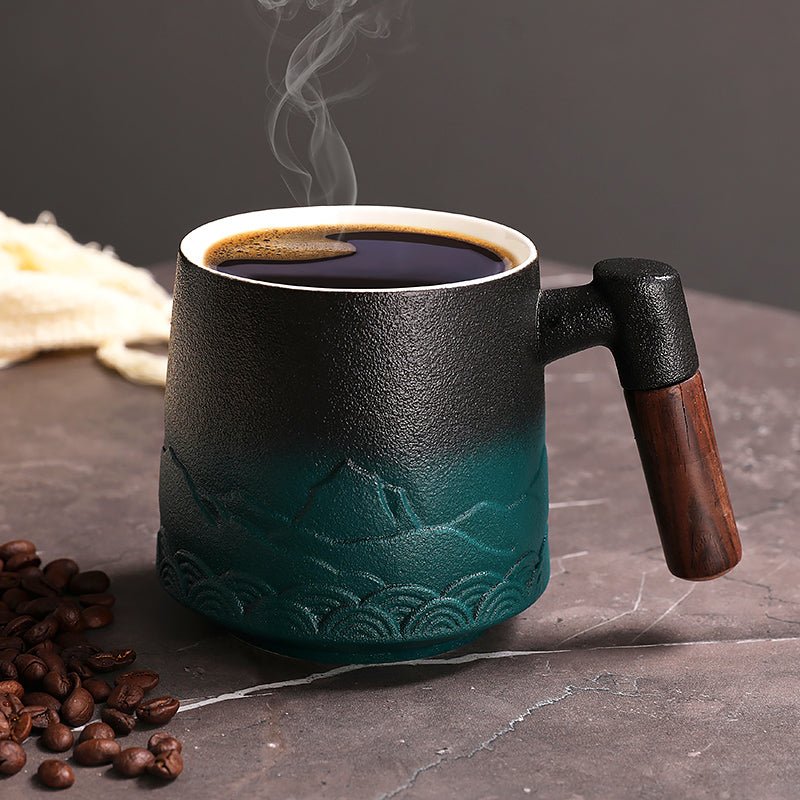
Coffee Mug Warmer: What to Check Before You Buy One
A practical guide to choosing a coffee mug warmer, covering heating methods, mug compatibility, safety features, and trade-offs. Based on what we see in our store and hear from customers.
Подробнее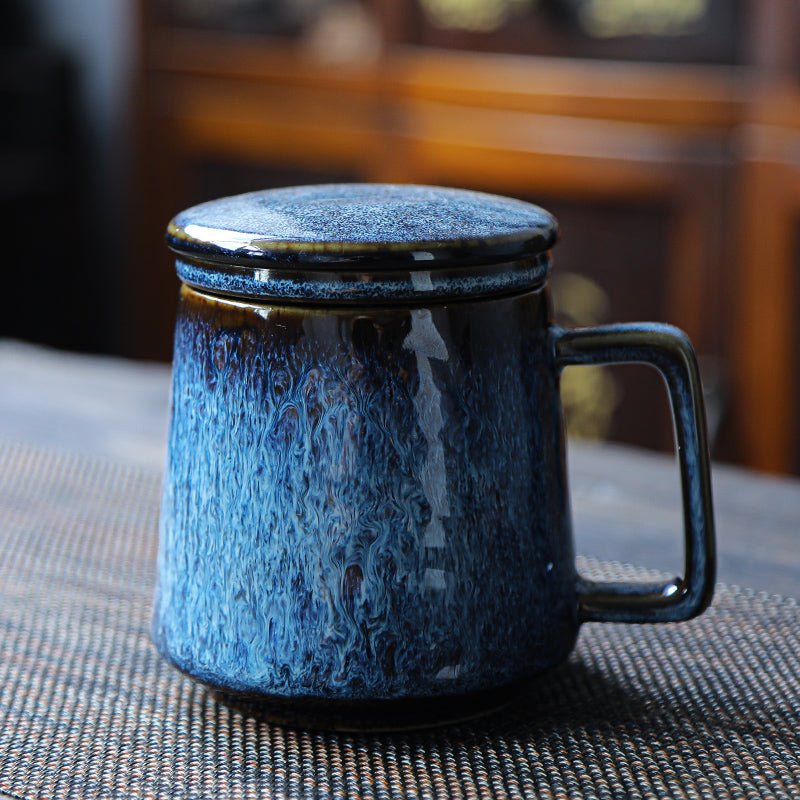
Travel Coffee Mugs: Leak-Resistant Picks for Daily Commuting
Travel coffee mugs have to do more than hold hot coffee. They need to fit cup holders, seal cleanly, and stay easy to wash after a full day of commuting and desk use.
Подробнее
Оставить комментарий
Этот веб-сайт защищается hCaptcha. Применяются Политика конфиденциальности и Условия использования hCaptcha.