
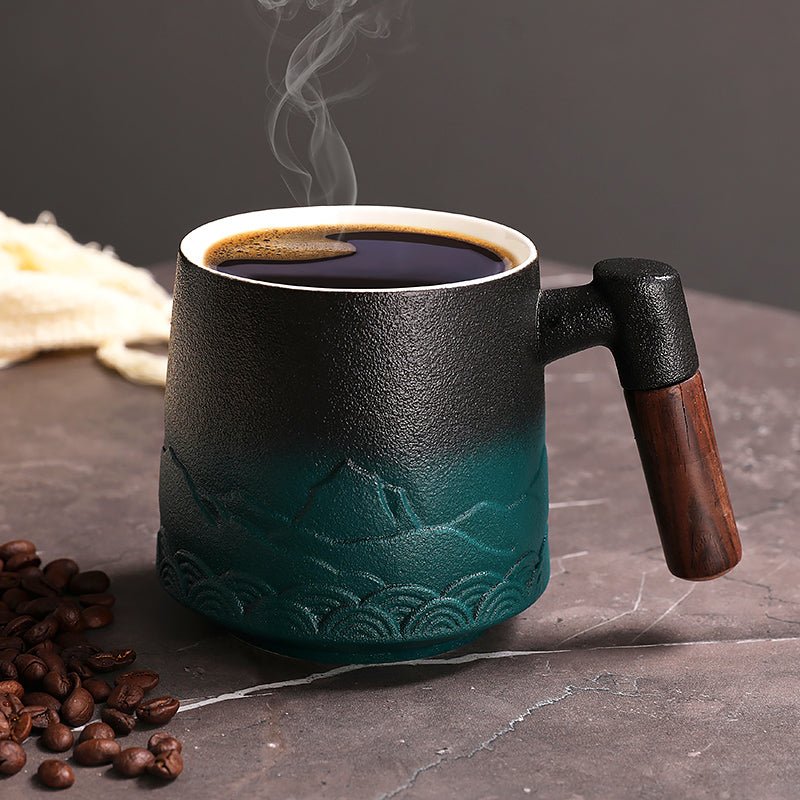
Coffee Mug Warmer: What to Check Before You Buy One
Reading time: about 8 minutes
You pour a fresh cup of coffee, take a sip, then get pulled into a call or an email chain. Fifteen minutes later you come back and the coffee is lukewarm — or worse, cold. That’s the exact moment most people start searching for a coffee mug warmer.
We sell mugs every day at CoffeifyMug, and we’ve talked to dozens of customers who’ve tried mug warmers. Some love theirs. Others returned them within a week. The difference usually comes down to knowing what to look for before you buy.
This guide covers the real trade-offs: heating plate vs. full immersion, which mugs work best, safety quirks, and when a warmer might not be the right solution at all.
How does a coffee mug warmer actually work?
Most coffee mug warmers use a resistive heating plate. You plug it in, place your mug on top, and the plate transfers heat through the bottom of the mug into the liquid. The target temperature is usually around 120–140°F (49–60°C) — hot enough to keep coffee drinkable, but not hot enough to reheat a cold cup or boil water.
There are two main types:
- Basic plate warmers — a flat heating surface, often with an on/off switch or a low/high setting. They’re inexpensive and simple, but they rely entirely on good contact between the mug bottom and the plate.
- Full immersion warmers — these use a heating element that sits inside the mug, directly in the liquid. They heat faster and more evenly, but they’re less common and can be trickier to clean.
In our experience, plate warmers outsell immersion models by a wide margin, mostly because they’re simpler and work with any mug you already own — at least in theory.
Which mugs work with a coffee mug warmer? (And which don’t)
This is the number one question we get at our store. The short answer: flat-bottomed mugs work best. But there are a few specifics that matter.
- Flat, unglazed ceramic bottoms — these transfer heat most efficiently. Most standard ceramic mugs (like the ones in our full collection) have this type of base.
- Mugs with a raised ring or recessed bottom — these create an air gap. The heat has to travel through air before it hits the ceramic, which cuts efficiency by a noticeable amount. Your coffee will stay warm, but not as hot.
- Glass or stainless steel travel mugs — some work, but many have curved or textured bottoms that don’t make full contact. Double-wall insulated mugs actually defeat the purpose of a warmer; they’re designed to keep heat in, so the warmer has to work harder.
- Very thick stoneware or handmade mugs — they can take longer to heat up. If the mug walls are more than about ¼ inch thick, the warmer may struggle to maintain temperature.
If you’re choosing a mug specifically to pair with a warmer, a standard ceramic mug with a flat, unglazed bottom is your best bet. Our ceramic coffee mug buying guide goes into more detail on what to look for in the base and body.
What temperature will a mug warmer keep your coffee at?
Most plate warmers maintain a surface temperature of roughly 130–150°F. That’s warm enough to keep a freshly poured cup of coffee (around 160–180°F) from cooling down quickly. But it won’t bring a cold cup back up to drinking temperature — at least not quickly.
Here’s the real-world breakdown we’ve observed:
- Fresh coffee (160°F+) — the warmer will keep it hot for hours. The liquid will slowly drop to the plate temperature and then stay there.
- Lukewarm coffee (100–120°F) — the warmer will gradually raise it, but it might take 20–30 minutes to reach 130°F. It’s better to reheat in a microwave if you want speed.
- Cold coffee (room temp or fridge temp) — a plate warmer won’t bring it back to hot. You’d need an immersion warmer for that, or just make a fresh cup.
If you tend to sip slowly over an hour or two, a warmer works great. If you regularly abandon your coffee for 45 minutes and then expect it to be piping hot, a warmer will disappoint. In that case, an insulated mug (like the ones discussed in our Ember mug buying guide) might be a better fit.
Safety and durability: what to check before you plug it in
Most coffee mug warmers are simple devices, but we’ve seen a few common issues in customer returns.
- Auto shut-off — some warmers run continuously until unplugged. Others have a 2-hour or 4-hour timer. If you’re forgetful, an auto shut-off is a smart safety feature. But if you want to keep coffee hot all day, a continuous model might suit you better.
- Surface heat — the plate itself gets hot (130–150°F). That’s not enough to burn skin instantly, but it can cause a mild burn if you touch it. Keep it away from kids and pets.
- Cord length — many warmers have short cords (24–36 inches). Check where you’ll place it before buying. An extension cord can work, but it’s one more thing on your desk or counter.
- Spills — if coffee overflows onto the heating plate, it can seep into the electronics. Some warmers have a sealed plate; others don’t. A sealed design is worth the extra few dollars.
We always tell customers: a warmer is a low-power device (usually 10–20 watts), so it’s not a fire hazard like a space heater. But it’s still an electrical appliance near liquid. Treat it with common sense.
When a coffee mug warmer is not the right choice
We’ve sold enough of these to know they’re not for everyone. Here are three scenarios where we recommend something else:
- You drink coffee very slowly (over 2–3 hours). A warmer will keep it warm, but the coffee will also continue to evaporate and may develop a stale taste. An insulated mug preserves flavor better.
- You use a large mug (16 oz or more). A standard warmer can struggle to keep a full large mug hot, especially if the mug is thick-walled. You might need a higher-wattage warmer or an immersion model.
- You want to heat milk-based drinks (latte, cappuccino). Milk can scorch if held at temperature too long. A warmer isn’t ideal for these. A quick microwave reheat is usually better.
For everyday drip coffee or black tea, a warmer is a solid buy. For specialty drinks or marathon sipping sessions, consider a different approach.
How to choose the right coffee mug warmer for your setup
Here’s a quick checklist we share with customers at our store:
- Check your mug’s bottom. Flat and unglazed? Good. Recessed or textured? Expect slower heating.
- Decide on temperature control. Do you want a simple on/off switch, or adjustable heat levels? Most people are fine with one setting.
- Look at the cord. Measure your desk or counter space. A 36-inch cord gives you flexibility.
- Consider auto shut-off. If you’ll leave it on overnight, get a model with a timer. If you’ll unplug it after use, a continuous model is fine.
- Think about cleaning. A smooth, sealed plate wipes clean easily. Avoid warmers with crevices or removable drip trays — they collect gunk.
Frequently asked questions
Can I leave a coffee mug warmer on all day?
Most warmers are designed for continuous use, but check the product specs. Some have a 2-hour auto shut-off. If you want to leave it on all day, look for one without a timer or with an override switch.
Will a mug warmer work with a ceramic mug?
Yes, ceramic mugs with flat, unglazed bottoms are the best match. Glazed or textured bottoms reduce heat transfer. Our ceramic mug guide covers bottom types in detail.
Does a coffee mug warmer use a lot of electricity?
No. Most use 10–20 watts, similar to a phone charger. Running one for 8 hours costs about a penny or two in electricity.
Can I use a mug warmer for tea or soup?
Yes, any liquid in a compatible mug will stay warm. But don’t use it to heat cold liquids from scratch — it’s a maintainer, not a heater.
What size mug is best for a warmer?
Mugs between 8 and 14 ounces work best. Larger mugs (16 oz+) may not stay as hot because the warmer can’t keep up with the volume. For bigger mugs, consider an immersion warmer or a higher-wattage plate.
Your next step
Before you buy a coffee mug warmer, grab the mug you plan to use most. Flip it over. Is the bottom flat and unglazed? Good. Measure the diameter — most warmers have a plate about 3–4 inches across. If your mug base is larger than that, the heat won’t transfer well.
If you’re still deciding, browse our full mug collection to find a flat-bottomed ceramic mug that pairs perfectly with a warmer. And if you’re shopping for a gift, our Christmas mug guide has picks that work well with warmers.
Pick a mug first. Then find the warmer that fits it.
More from our blog
Read more
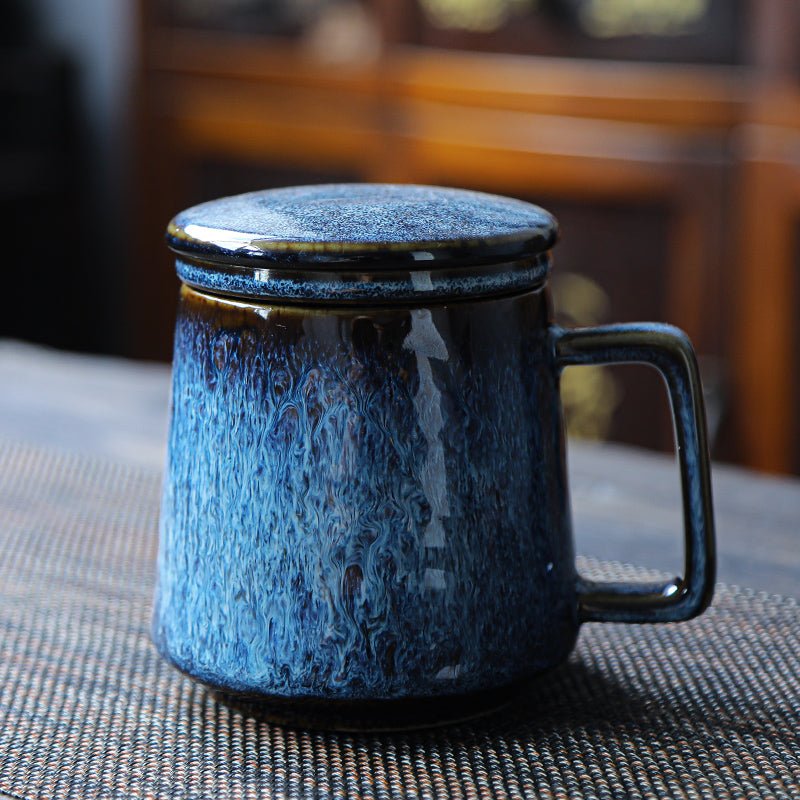
Contigo Coffee Mug Buying Guide: What to Check Before You Buy
A Contigo coffee mug can be the right pick for commuting, desk use, or daily carry, but lid style, insulation, and cleaning matter more than the logo. We break down the real trade-offs before you buy.
Подробнее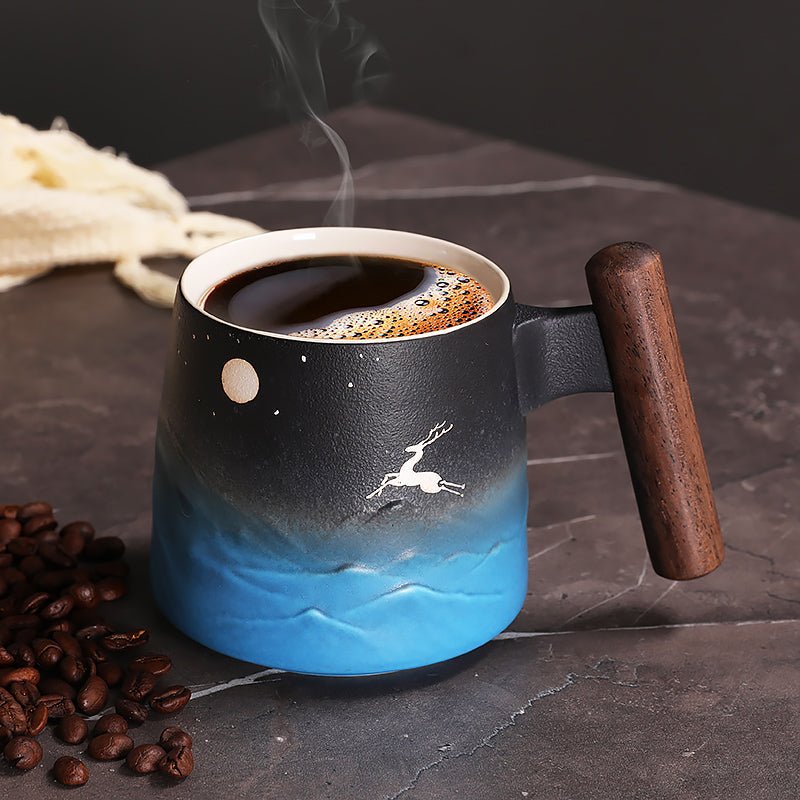
Insulated Coffee Mugs: How to Choose Heat, Lid, and Size
We break down insulated coffee mugs by the details that matter at the counter and on the commute: body material, lid design, size, cleaning, and where each style falls short.
Подробнее
Оставить комментарий
Этот веб-сайт защищается hCaptcha. Применяются Политика конфиденциальности и Условия использования hCaptcha.