
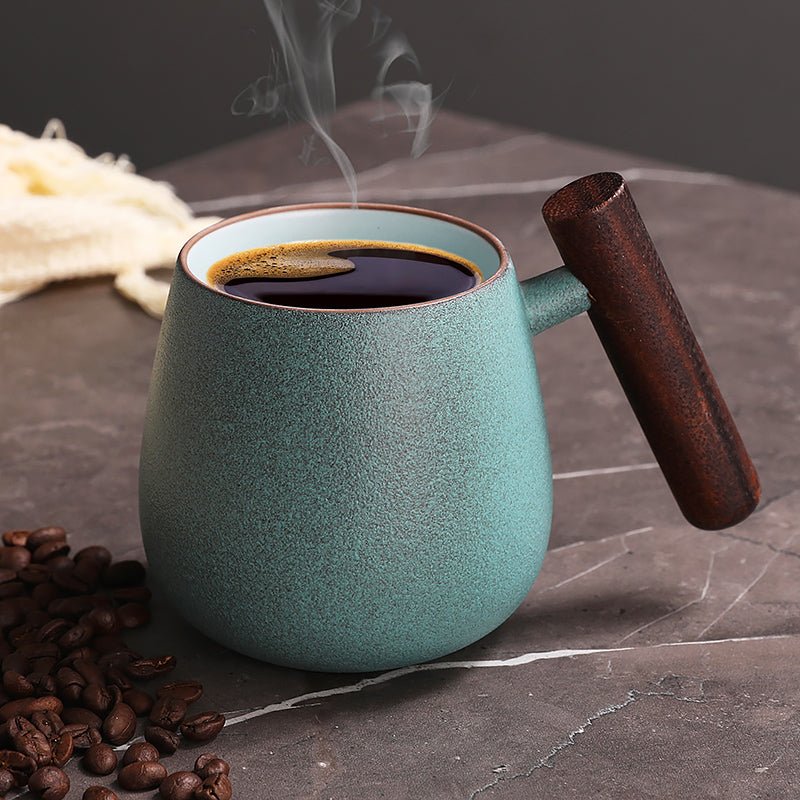
Coffee Travel Mugs Yeti: What Buyers Should Compare Before Ordering
Reading time: about 10 minutes
A mug that leaks once in a laptop bag usually gets retired fast. We see that all the time: the lid seemed fine on the counter, but after a bumpy ride or a sideways shove into a tote, the buyer learns the hard way that not every insulated mug handles real life the same way.
That is why shoppers searching for coffee travel mugs yeti are usually comparing more than just brand names. They are trying to figure out which mug stays hot, which lid is easiest to drink from in the car, and which size actually fits the way they drink coffee at work, on the train, or during school drop-off.
At CoffeifyMug, we handle this category daily, and in our experience the best choice is rarely the heaviest or the most famous one. It is the mug that fits your cup holder, cleans easily, and does not ask you to compromise on every commute. If you want a broader buying framework alongside this guide, our post on Coffee Travel Mugs: How to Choose the Right One for Daily Use pairs well with what we cover here.
What should you actually compare in coffee travel mugs Yeti shoppers look at?
Start with the parts that affect everyday use, not the marketing language on the box. The most useful differences usually come down to insulation, lid design, cup-holder fit, and how easy the mug is to clean after a few weeks of real use.
- Insulation type: Double-wall stainless steel is the standard for keeping coffee hot longer without making the outside too warm to hold.
- Lid style: Push-on, twist-on, slide, and flip lids all behave differently. A lid that feels secure at home may still splash if you sip while walking.
- Capacity: 12 oz, 16 oz, and 20 oz sizes serve different routines. Smaller sizes suit espresso drinks and short commutes; larger sizes help if you refill less often.
- Cleaning access: Wide mouths are easier to scrub. Lids with small channels, seals, or sliding parts can trap coffee oils if they are not taken apart regularly.
- Grip and shape: Straight-sided tumblers can be simple, but a tapered body often fits better in a car cup holder or desk caddy.
If you want to compare these size decisions in more detail, we already broke out the trade-offs in our posts on 12 oz Coffee Mugs: What to Check Before You Buy, 16 oz Coffee Mugs: What to Check Before You Buy, and 20 Ounce Coffee Mugs: What Buyers Should Check Before Ordering.
Is a Yeti-style coffee travel mug better for commuting or desk use?
For commuting, a Yeti-style insulated mug makes sense when the lid seals well and the shape fits a cup holder. The best commute mugs are the ones you can shut, set down, and trust while you unlock a gate, carry a bag, or answer a phone call.
For desk use, the priorities shift. You may care less about absolute leak resistance and more about comfort while sipping slowly through the morning. A wider opening can make coffee smell and taste better, but it also cools a bit faster. That trade-off is normal. No travel mug does everything equally well.
We usually tell shoppers to ask one simple question: Will this mug spend more time moving or sitting still? If it is mostly moving, prioritize a tighter lid and a shape that stays stable in transit. If it is mostly at a desk, a simpler drinking lid and an easy-clean mouth matter more than ultra-tough trail-style construction.
Our experience in the store is that buyers who commute daily are often happiest with a mug that is slightly smaller than their “ideal” volume, because that extra space can help reduce slosh and lid mess.
Which materials and finishes hold up best after repeated use?
For this category, stainless steel is the workhorse. Most buyers comparing coffee travel mugs yeti options are looking at double-wall insulated stainless steel because it resists odor, handles repeated washing, and does not crack the way some cheaper plastics can after enough use.
That said, not all finishes behave the same. Powder-coated exteriors tend to give better grip and hide scuffs better than glossy surfaces, while bare steel can show fingerprints and small scratches more quickly. Neither is automatically better; it depends on whether you want a mug that looks pristine on a desk or one that is easier to hold with cold hands on a morning commute.
We also pay attention to common defect modes customers notice after a few weeks:
- Lid seal wear: If the gasket does not seat properly, small drips usually show up before a full leak does.
- Thread mismatch: On twist lids, gritty threads or cross-threading can make the lid feel “off” even when the mug itself is fine.
- Odor retention: Coffee oils can linger in narrow lids, especially if the lid cannot be disassembled for cleaning.
- Paint chipping: External coatings can show wear where mugs rub against cup holders, bag seams, or sink edges.
If your buyer is extra careful about materials and ease of cleaning, our article on Ceramic Travel Coffee Mugs: What Buyers Should Check Before Ordering is useful too, especially if the person wants less metallic taste and does not mind a bit more fragility.
What lid design is best if you hate spills?
No lid is perfect, but some are clearly better for real commuting. A good travel lid should close firmly, resist minor bumps, and be simple enough that you can operate it without looking down for five seconds at a red light or office door.
Here is how we usually break it down:
- Twist-seal lids are often the most secure feeling for bags and car rides, but they can take longer to open and clean.
- Flip lids are convenient for sipping one-handed, though the hinge and drinking opening need regular cleaning.
- Slide lids are quick and comfortable, but the moving part can collect residue if you drink sweet coffee or milk-based drinks.
- Press-on lids are simple and easy to remove, but they are usually not our first choice for long commutes or tossed-in-bag use.
Our practical test is plain: if a lid leaves a ring of moisture around the rim after a few minutes in a tote, we treat that as a warning sign. It may still be fine for desk use, but it is not the right mug for someone who drops keys, chargers, and a laptop into the same bag every morning.
For shoppers focused specifically on commuting, we also recommend our guide on Travel Coffee Mugs: Leak-Resistant Picks for Daily Commuting.
Which size should you buy if you drink coffee all morning?
Size changes the whole experience. A 12 oz mug is compact and easy to carry, but it may feel small if you like a long morning sip. A 16 oz mug is the middle ground for many daily users. A 20 oz mug works well for people who want fewer refills, but it can be bulkier and may not be ideal if you want a lighter bag.
We usually suggest matching size to your actual routine rather than your ideal routine:
- 12 oz: Best for shorter commutes, espresso-based drinks, and lighter carry weight.
- 16 oz: The most balanced option for most office days and standard drip coffee servings.
- 20 oz: Better for long drives, shift work, or anyone who wants a larger fill without frequent top-ups.
One trade-off that gets overlooked is headspace. A mug filled right to the top is more likely to slosh. If you want less spill risk, leaving a little room can matter more than choosing the biggest size available. That is one reason buyers often regret going too large.
How should you clean and care for an insulated mug so it lasts?
Daily care is where many good mugs either stay fresh or start to smell stale. We recommend checking the lid and gaskets after each wash, especially if you drink coffee with milk, flavored syrups, or sweeteners. Coffee oils cling to small parts faster than most people expect.
A simple care routine usually works best:
- Rinse the mug soon after use so residue does not dry on the walls or lid.
- Wash the body with warm water and mild soap unless the manufacturer clearly states dishwasher-safe construction.
- Take apart removable lid parts when possible so hidden channels do not trap odors.
- Dry the mug fully before storing it with the lid closed.
Dishwasher cycles can be fine for some travel mugs, but not all finishes and lid components tolerate the same treatment. A painted exterior, printed design, or tight silicone seal may age faster if it is exposed to repeated high heat. If a mug is likely to live in a dishwasher three or four times a week, that should influence the purchase from day one.
If you are comparing how a mug will fit into a broader daily routine, our post on Great Travel Coffee Mugs for Commutes, Office Bags, and Weekend Trips gives a good real-world picture.
What are coffee travel mugs Yeti shoppers should avoid?
Some mugs look excellent in product photos and still frustrate buyers in real use. We would avoid any option that makes the lid difficult to clean, feels unstable in a standard cup holder, or uses too many tiny moving parts for a daily coffee routine.
These are the biggest mismatches we see:
- Oversized mugs for short commutes: Great on paper, awkward in practice if they crowd your bag or car console.
- Overly complex lids: Fine for occasional use, annoying if you need to wash them every day.
- Thin single-wall cups marketed as travel mugs: They can move coffee around, but they do not hold temperature like insulated steel.
- Bulky shapes with narrow cup-holder compatibility: A mug that tips in the car is not a good daily mug, even if it is otherwise well made.
We also think some buyers should choose something other than a steel travel mug altogether. If you mostly drink at a desk and dislike metallic weight, a ceramic travel mug may suit you better. If you travel light and want one-handed sipping on the go, a smaller leak-resistant lid may be the smarter choice than a large insulated tumbler.
Where should you start if you want to compare options quickly?
The fastest way to narrow the field is to match the mug to the place it will be used most. That keeps the choice practical instead of emotional.
| Use case | What to prioritize | What to avoid |
|---|---|---|
| Car commute | Leak resistance, cup-holder fit, secure lid | Wide unstable bases, loose press-on lids |
| Office desk | Comfortable sipping, easy cleaning, moderate capacity | Overly complex lids, awkward handles or bulky bodies |
| Weekend trips | Insulation, durable finish, easy packing | Fragile exteriors, lids with hard-to-clean channels |
| Gift buying | Simple design, reliable materials, versatile size | Niche shapes that only suit one drink style |
If you want to see what we carry now, start with our all products collection or head straight to our products page and compare the build, size, and lid style side by side.
Frequently asked questions
Are coffee travel mugs Yeti style mugs worth it for everyday commuting?
Usually yes, if you care about insulation and a mug that feels solid in hand. The trade-off is weight and size, so they are best for people who want durability more than ultra-light carry.
What size coffee travel mug is best for a daily driver?
For most buyers, 16 oz is the safest middle ground. It is large enough for a regular coffee but not so bulky that it becomes annoying in a cup holder or work bag.
Can I put my insulated travel mug in the dishwasher?
Sometimes, but not always. We recommend checking whether both the body and lid parts are marked dishwasher-safe, because paint, seals, and moving lid parts can wear faster with repeated heat.
What makes a travel mug leak even if the lid looks sealed?
Most leaks come from a worn gasket, an improperly seated lid, or coffee trapped in the threads. Even a small amount of residue can prevent a tight seal over time.
Should I choose stainless steel or ceramic for coffee on the go?
Choose stainless steel if you want better durability and temperature retention. Choose ceramic if you mostly drink at a desk and prefer the feel and taste profile of ceramic, but do not need tough bag-friendly performance.
If you are narrowing down coffee travel mugs yeti style options, use this simple checklist before buying: lid security, cup-holder fit, size, cleaning access, and whether the mug will live in a bag or mostly on a desk. Then compare the current options in our collection and choose the one that matches your routine, not just the one that looks toughest in a photo.
Read more
Ceramic Coffee Mugs to Paint: What Buyers Should Check Before Ordering
A practical buyer’s guide to ceramic coffee mugs to paint, with the checks that matter before you order: surface finish, size, rim shape, and care after decorating. We also cover which mugs work be...
Подробнее
Clear Glass Coffee Mugs: What Buyers Should Check Before Ordering
A practical buyer’s guide to clear glass coffee mugs, covering size, wall style, care, and where each option fits best. Useful if you want the look of glass without picking the wrong shape or thick...
Подробнее
Оставить комментарий
Этот веб-сайт защищается hCaptcha. Применяются Политика конфиденциальности и Условия использования hCaptcha.