
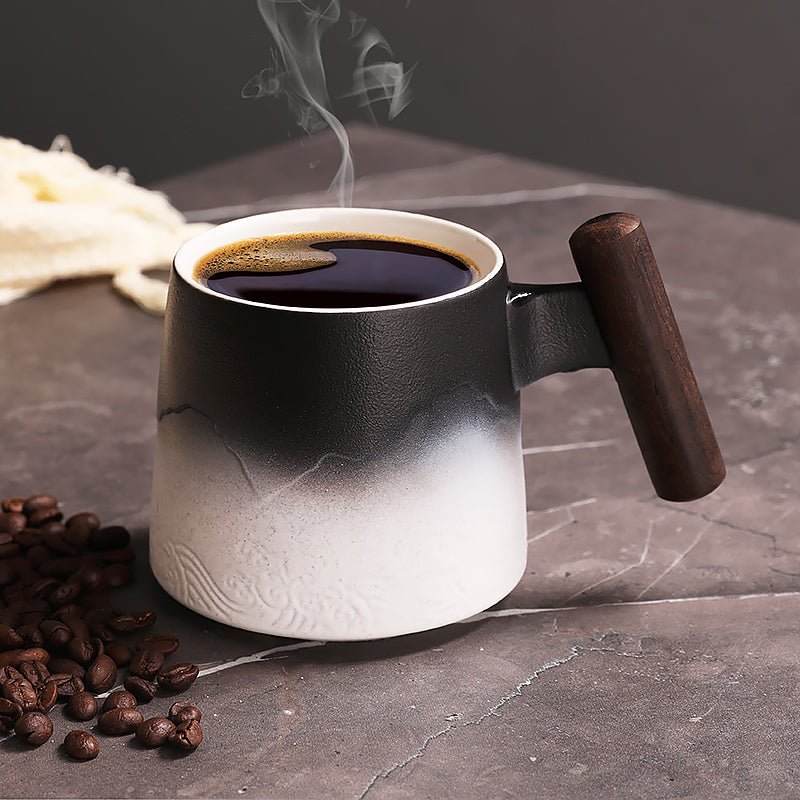
Ceramic Coffee Mugs to Paint: What Buyers Should Check Before Ordering
Reading time: about 9 minutes
A plain ceramic mug on the counter looks simple until you start painting it. Then the small details show up fast: the finish feels different under the brush, the rim changes how comfortable it is to drink from, and the mug’s shape can make or break a clean design. We see that all the time in our store conversations with shoppers planning gifts, craft nights, or desk mugs they actually want to use.
If you are comparing ceramic coffee mugs to paint, the best choice is not always the prettiest blank mug in the photo. It is the one that gives you a smooth painting surface, the right size for your design, and a body that still feels good in daily use after it is decorated. If you also want a broader sense of what makes a good ceramic mug before personalizing it, our guide Ceramic Coffee Mugs: What to Look For Before You Buy is a useful companion read.
What makes a mug good for painting?
The best paintable mug starts with a clean, even ceramic surface. A glossy glaze can work well for some paints and markers, but a super slick finish may cause brush strokes to slide around before they set. A matte or satin surface often gives a little more grip, though it may need more careful sealing if you want the decoration to last.
We look for three practical traits in a paintable mug:
- Even glaze coverage so paint does not catch on patchy spots or pinholes.
- A stable base so the mug does not wobble while you rotate it on a table or drying rack.
- A comfortable handle and rim so the mug is still pleasant to drink from after the artwork is finished.
Some mugs are great for display but awkward for regular coffee. Tall, narrow mugs can be harder to decorate evenly, and very curved bodies can distort lettering or faces. If the mug is meant as a gift and will actually be used at a desk, shape matters as much as the blank canvas.
Should you choose glossy, matte, or plain white ceramic?
For most shoppers, plain white ceramic is the safest starting point. White gives the clearest color result, especially if you are using acrylic paint, ceramic markers, or vinyl decals. Darker ceramic can look stylish, but it changes the whole painting plan because lighter colors need more coats to stand out.
Glossy, matte, and plain white each have trade-offs:
| Finish | Best for | Trade-off |
|---|---|---|
| Glossy | Bright designs, easy wipe-down before painting | Can feel slippery while painting |
| Matte | Modern looks, slightly more grip for some paints | May show wear faster if not sealed well |
| Plain white | Most DIY projects, gift mugs, detailed art | Less forgiving if the surface has flaws |
In our experience, people making a one-off gift usually do best with plain white ceramic. It is the easiest to plan around and the least surprising after the first coat. If you are choosing a mug for everyday office use, you may care more about dishwasher resistance and comfort in hand than about the exact look of the blank surface.
What size works best for a painted mug?
Size changes more than capacity. It affects the blank space you have for art, how the mug feels while you paint it, and whether the final piece works for coffee, tea, or hot chocolate. A smaller mug can be easier for initials or a simple design. A larger mug gives you more room for illustrations, quotes, or layered patterns.
For buyers comparing common coffee mug sizes, our size-focused posts on 12 oz Coffee Mugs: What to Check Before You Buy and 16 oz Coffee Mugs: What to Check Before You Buy are helpful if you are torn between a compact mug and a roomier one. If you regularly pour larger drinks, the 20 Ounce Coffee Mugs: What Buyers Should Check Before Ordering guide shows what changes with bigger capacity.
Here is the practical breakdown we see most often:
- 12 oz style mugs: good for simple designs, shorter quotes, and people who prefer standard coffee portions.
- 16 oz style mugs: better for wrapped artwork, illustrations, and shoppers who want a more generous daily cup.
- Large capacity mugs: useful for gifts and hot cocoa, but they take more paint and can feel bulkier to hold.
If the mug will be displayed on a shelf more than used at a table, larger surfaces can be a plus. If it is for daily use at a workstation, a lighter-feeling mug usually wins. Big mugs are not ideal for small hands or for people who want a quick espresso-style drink.
Which paint and decorating methods actually hold up?
Not every decorating method behaves the same on ceramic. Acrylic paint is popular because it is easy to control, widely available, and works well for hand-painted designs when properly cured or sealed. Ceramic markers are cleaner for lettering and line work, but they can look thin on very glossy surfaces if you rush the first pass. Oil-based paint markers can cover well, though they may smell stronger and need more drying time.
From a buyer’s point of view, the mug and the paint should match the use case:
- For beginner DIY gifts: simple acrylic layers and a clear sealant are usually the easiest route.
- For fine line art: a smoother mug surface and a marker-friendly finish help a lot.
- For heavy kitchen use: choose a mug you are comfortable hand-washing if the decoration is not fully dishwasher-safe.
We also recommend thinking ahead about the finish you want after painting. A mug that looks beautiful on day one may not hold up to repeated dishwasher cycles if the design is only surface-decorated. If the mug is meant for a lunchroom dishwasher or a busy office sink, plain decorative mugs can be a poor fit. A more durable, unpainted mug from our all products collection may make more sense if you want something for everyday use without any maintenance worries.
What should you check before buying for a gift or craft night?
Gift projects are where small flaws matter most. A tiny glaze bump, a crooked handle, or a mug with an awkward lip can turn a thoughtful idea into something that feels rushed. We handle mugs for this category every day, and the best gift-ready blanks are the ones that look clean straight out of the box and stay easy to work with on the table.
Before you order, check these points:
- Rim shape: a smooth, even rim makes the mug better to drink from once the design is finished.
- Handle clearance: enough space for fingers matters, especially if the mug is for an adult who likes a fuller grip.
- Base stability: a level bottom helps during painting, drying, and display.
- Surface consistency: look for a blank that will not fight your brush or marker.
- Use after decorating: decide whether this is a hand-wash piece or a daily driver.
For shoppers building out a larger gift basket or craft order, our broader buying guide Amazon Coffee Mugs: How to Compare Materials, Sizes, and Everyday Use can help you compare ceramic options against other everyday mug styles without getting distracted by marketing copy.
How do you care for a painted ceramic mug?
Care depends on the decorating method, but painted mugs usually need gentler handling than plain ceramic mugs. We tell customers to expect hand washing in many cases, especially for mugs decorated at home with craft paints or markers. Hot water, abrasive sponges, and repeated dishwasher cycles can wear down the finish over time.
A simple care routine looks like this:
- Let the design cure fully before first use, following the paint or sealant directions.
- Wash gently with mild soap and a soft sponge.
- Avoid soaking for long periods if the decoration sits on top of the glaze.
- Do not scrub the painted area with steel wool or abrasive pads.
If you want a mug that will go straight into daily rotation with less fuss, hand-painted ceramic may not be the best choice. In that case, a plain durable mug from our store might suit you better than a DIY blank.
What problems do shoppers run into after ordering?
Most issues are avoidable if you know what to look for before checkout. The common trouble spots are not dramatic, but they matter once paint goes on the mug. A small chip near the rim can become obvious under paint. A rough patch in the glaze can catch a marker tip. A mug that looks large in the photo may actually feel narrow when you start sketching the design.
Here are the defects and limitations we see people miss most often:
- Pinholes or glaze specks: usually minor, but they can disrupt fine artwork.
- Handle asymmetry: not a problem for everyone, but noticeable if the mug is a gift.
- Heavy wall feel: some mugs are durable but bulky, which matters if you want a lighter coffee cup.
- Overly curved sides: tricky for text, logos, and repeat patterns.
Our experience is straightforward: if the mug is meant to be painted once and admired, you can prioritize shape and surface. If it is meant to be washed a lot and used every weekday, durability and comfort should come first.
Frequently asked questions
Can I use any ceramic coffee mug for painting?
No, not all ceramic mugs behave the same. Smooth, evenly glazed mugs are usually easier to paint than rough, uneven, or heavily textured ones. If you want a cleaner result, start with a plain white mug designed for DIY decorating or a mug with a very consistent glaze.
Do painted ceramic mugs go in the dishwasher?
Some do, but many hand-painted mugs are better hand-washed. It depends on the paint, sealant, and how well the design was cured. If you want a mug for daily dishwasher use, a decorated mug may not be the best choice.
What size mug is easiest to paint?
A 12 oz or 16 oz mug is usually easiest because the surface is manageable and there is enough room for a simple design. Smaller mugs can feel cramped for detailed art, while very large mugs take more time and materials to finish evenly.
Should I buy glossy or matte ceramic mugs to paint?
For most buyers, glossy plain white ceramic is the easiest and most versatile starting point. Matte can be attractive and modern, but it may need more care during finishing and sealing. If you are new to painting mugs, glossy or plain white is usually the safer bet.
What is the best ceramic mug for a gift project?
The best gift mug is one with a smooth surface, a comfortable handle, and a shape that matches your design idea. A standard white 12 oz or 16 oz mug usually works well because it is easy to paint and still practical for daily coffee or tea.
Which ceramic coffee mugs to paint should you buy next?
If you want a blank that is easy to decorate, choose a plain white ceramic mug with a smooth glaze, a stable base, and a size that matches your design. If you want a mug for daily use first and decoration second, pick comfort and durability before style. And if you are not sure yet, compare a few plain options in our product selection and match the mug to how it will actually be used.
Before you buy, check this quick list: size, surface finish, handle comfort, washing plan, and whether the design will be a one-time gift or an everyday cup. That five-point check saves a lot of regret after the first paint session.
More from our blog
Read more
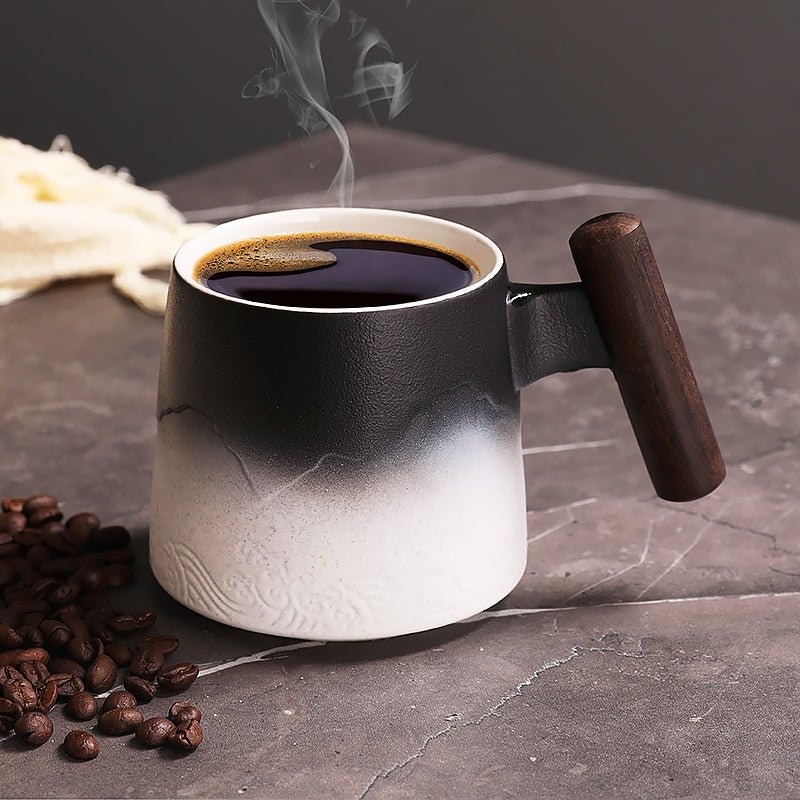
Fun Coffee Mugs: How to Pick One That Gets Used Every Day
Fun coffee mugs should do more than make someone smile for five seconds. The best ones fit real routines, hold up to daily washing, and feel good in the hand.
Подробнее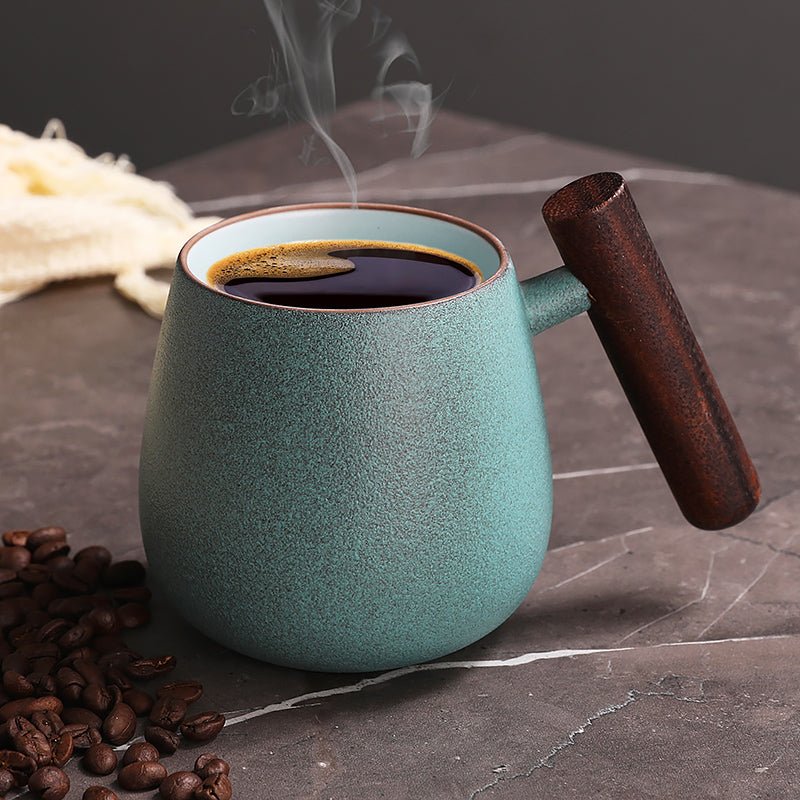
Coffee Travel Mugs Yeti: What Buyers Should Compare Before Ordering
A practical buyer’s guide to coffee travel mugs Yeti shoppers compare, with real trade-offs on insulation, lid design, size, and daily use. We break down what works for commuting, office bags, and ...
Подробнее
Оставить комментарий
Этот веб-сайт защищается hCaptcha. Применяются Политика конфиденциальности и Условия использования hCaptcha.