
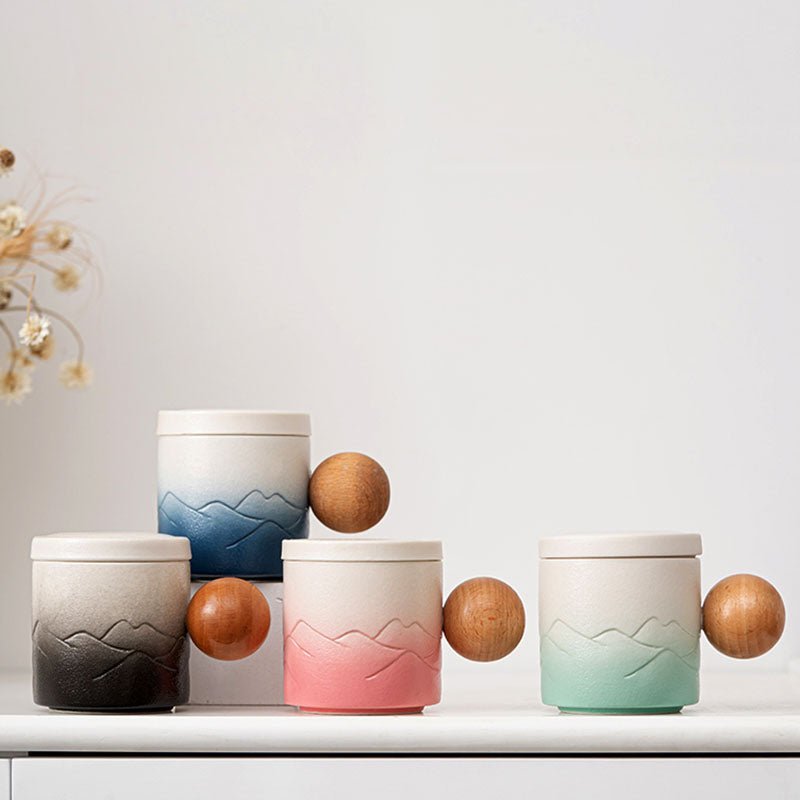
Coffee Mug Ounces: How to Pick the Right Size for Daily Use
Reading time: about 9 minutes
A mug can look right on the shelf and still feel wrong in the hand. We see it all the time in our store: a shopper likes the artwork, then realizes the cup is too small for a long desk coffee or too large for a quick morning pour.
Coffee mug ounces are the simplest number on the page, but they do not tell the whole story. A mug measured to the brim, a mug with a thick ceramic wall, and a mug with a wide mouth can all drink very differently once you add coffee, milk, foam, or tea.
If you want the quick sizing basics first, our guides on How Many Ounces Is a Coffee Mug? Real Sizes and Buyer Tips and How Many Ounces Is a Standard Coffee Mug? A Buyer’s Guide are useful companions to this article.
What do coffee mug ounces actually measure?
The ounce number is the mug’s capacity, usually measured to the rim. That matters, because a mug does not feel full at the same point every time. If you leave space for cream, foam, or a spoon, the usable amount is lower than the label suggests.
Two mugs with the same listed capacity can also feel different in daily use. A taller mug with thicker walls may hold the same volume as a shorter one, but the grip, balance, and heat retention will not be the same.
We recommend thinking about three separate things:
- Capacity - the number printed or listed by the seller.
- Real pour space - how much you can actually serve without spilling at the lip.
- Comfort - whether the mug fits your hand, your cabinet, and your coffee routine.
That is why coffee mug ounces are a starting point, not the final answer.
Which mug sizes do shoppers compare most often?
In our experience, most buyers choose between a compact everyday mug and a larger mug for milk-heavy drinks or longer work sessions. The table below covers the ranges people ask about most often.
| Common size | Best use | Main trade-off |
|---|---|---|
| 8 oz | Small drip coffee, tea, or a short pour | Not much room for milk or foam |
| 11 oz | Classic daily coffee mug for many households | Less headroom if you like a generous pour |
| 13 to 15 oz | Large coffee, latte-style drinks, cocoa | Heavier when full and takes more cabinet space |
| 16 oz and up | Big servings, desk drinks, or people who refill slowly | Can feel bulky and cool unevenly if the opening is wide |
A wider mouth generally makes a mug feel more open and easier to sip from, but it also exposes more surface area. That can mean faster cooling. A narrower mug can hold heat a bit better, though it may feel more enclosed and less comfortable with large hands.
If you are shopping from our store, you can compare shape and style directly in the full collection. For a classic look that works for a lot of kitchens and office desks, start with the Round Coffee Tea Mug. If you want something more decorative for gifting, look at the Elk and Moon Coffee Tea Mug and the Koi Fish Coffee Tea Mug.
How do you match ounces to the drink you actually make?
The right size depends on what you pour into the mug most days. A black coffee drinker usually needs less headroom than someone who adds milk, syrup, or whipped foam. That sounds obvious, but it is the part buyers regret skipping.
- Black coffee - 8 to 11 oz often feels right if you want a straightforward cup without too much unused space.
- Drip coffee with cream - 11 to 13 oz gives you room to top off without pushing liquid to the rim.
- Latte or cappuccino at home - 13 to 15 oz is usually more practical because the foam and milk need space.
- Hot chocolate or chai - a larger mug can work better, especially if you add whipped cream or extra mix-ins.
- Tea - many tea drinkers still prefer 11 oz because the mug stays manageable and heats up quickly.
If you drink slowly at a desk, a larger mug can be useful. If you want a cup that finishes before it cools, a smaller mug is often the better buy. We see this especially in office settings, where a 15 oz mug sounds appealing but can feel oversized once it sits next to a laptop, keyboard, and notepad.
For buyers who want a broader sizing breakdown before deciding, the article How Many Ounces Is a Regular Coffee Mug? Buyer Guide is a helpful next read.
What matters besides the ounce number?
We handle a lot of mugs, and the same size can feel better or worse depending on details that do not show up in the product title. These are the things we check ourselves before recommending a mug.
- Wall thickness - thicker ceramic usually feels sturdier and stays warm longer, but it also adds weight.
- Handle clearance - if your fingers brush the mug body, the mug will feel awkward even if the capacity is right.
- Base stability - a flat, even base matters on smooth kitchen counters and office desks. A mug that rocks is frustrating from day one.
- Rim finish - a smooth rim makes a big difference on first sip. Tiny chips or rough spots are one of the first defect modes people notice after unboxing.
- Glaze quality - pinholes, uneven glaze, or rough foot rings can affect how the mug looks and how it sits on a table.
- Care routine - many ceramic mugs hold up well in normal dishwasher cycles, but stacking them too tightly is what often causes rim chips and handle nicks.
These details matter most if you use the mug every day. A pretty design that feels off in the hand usually ends up pushed to the back of the cabinet. A simpler mug with a better handle and smoother rim gets used more often.
Our practical rule: if the mug feels awkward empty, it will feel worse full.
Which mugs make sense for a daily buyer, a gift, or a desk setup?
People do not buy mugs for the same reason. Some want a reliable everyday cup. Some want a gift that looks thoughtful when opened. Others want a mug that can sit beside a keyboard without being too large or too fragile-looking.
If you are comparing styles in our store, here is the simplest way to think about it:
- Daily use - choose a balanced mug shape like the Round Coffee Tea Mug if you want something easy to drink from and easy to store.
- Gift giving - decorative designs such as the Elk and Moon Coffee Tea Mug or Koi Fish Coffee Tea Mug work well when the mug needs to feel personal right out of the box.
- Browsing options - start with the collection if you want to compare shapes, artwork, and overall size before narrowing it down.
In our store, we try to keep the decision practical. If you want a mug that disappears into your routine, choose the size first and the artwork second. If the mug is a gift, the design often matters more than absolute ounce count, but it still helps to avoid cups that are too tiny or too bulky for the recipient’s habits.
That is also why a mug is not the best choice for every drinker. Someone who wants a leakproof commute cup should look at a travel tumbler instead. Someone who drinks a large latte before work may prefer a bigger vessel than a standard office mug. Size should follow use, not the other way around.
What are the trade-offs of choosing a bigger mug?
A larger mug gives you more room, but it also brings compromises. The biggest one is weight. A 15 oz mug filled to a comfortable level can feel noticeably heavier than an 11 oz mug, especially if the body is made from dense ceramic.
Another trade-off is temperature. A broad opening may make the drink feel more accessible, but it also gives heat more room to escape. That is useful if you want coffee to cool faster on a busy morning, but it is not ideal if you prefer to sip slowly over twenty minutes.
There is also the storage issue. Bigger mugs take more cabinet depth, more shelf height, and more dishwasher rack space. If your kitchen already feels crowded, that can matter more than the extra ounces themselves.
And a large mug is not automatically better for every person. If the mug has a wide body and a short handle, people with smaller hands may find it clumsy. If the mug is very tall, it may also bump against shelves or fit awkwardly under some coffee machine spouts.
Frequently asked questions
How many ounces is a regular coffee mug?
Most shoppers think of a regular coffee mug as about 11 to 12 oz, but there is no single universal size. Some mugs are smaller, and some go up to 15 oz or more while still looking like a normal home mug. The best choice depends on how much you actually pour.
Is 11 oz or 15 oz better for everyday coffee?
11 oz is usually the safer pick if you want a classic, easy-to-hold mug for black coffee or a modest pour with cream. 15 oz works better if you like extra milk, larger servings, or long desk sessions. If you are unsure, start with 11 oz unless you know you routinely top off your mug.
Do coffee mug ounces include the rim?
Yes, capacity is typically measured to the rim, not to a realistic sip line. That means a mug listed as 12 oz may hold less in everyday use if you leave room for foam, cream, or stirring. This is one reason two mugs with the same label can feel different.
Are bigger mugs better for lattes and hot chocolate?
Usually, yes. Latte-style drinks and hot chocolate need space for milk, foam, whipped cream, or extra mix-ins, so a 13 to 15 oz mug is often more practical than a smaller cup. The only downside is that larger mugs can feel heavy and take longer to finish.
What size mug is best for a gift?
If you do not know the recipient’s habits, an 11 to 13 oz mug is the safest middle ground. It is large enough for most drinks without feeling oversized on a desk or shelf. If the person drinks oversized lattes or cocoa, move up to a larger size.
What should you check before you buy?
Before you add a mug to cart, use this short checklist:
- Match the size to the drink you actually make most often.
- Check whether the mug is meant for black coffee, milk-heavy drinks, or tea.
- Look at the handle and rim shape, not just the ounce count.
- Think about storage space in your cabinet or on your desk.
- Decide whether the mug is for everyday use, gifting, or display.
If you want the easiest next step, browse the full collection and compare the mugs side by side. Start with the size that fits your actual pour, then choose the design that you will still want to reach for next month.
Read more
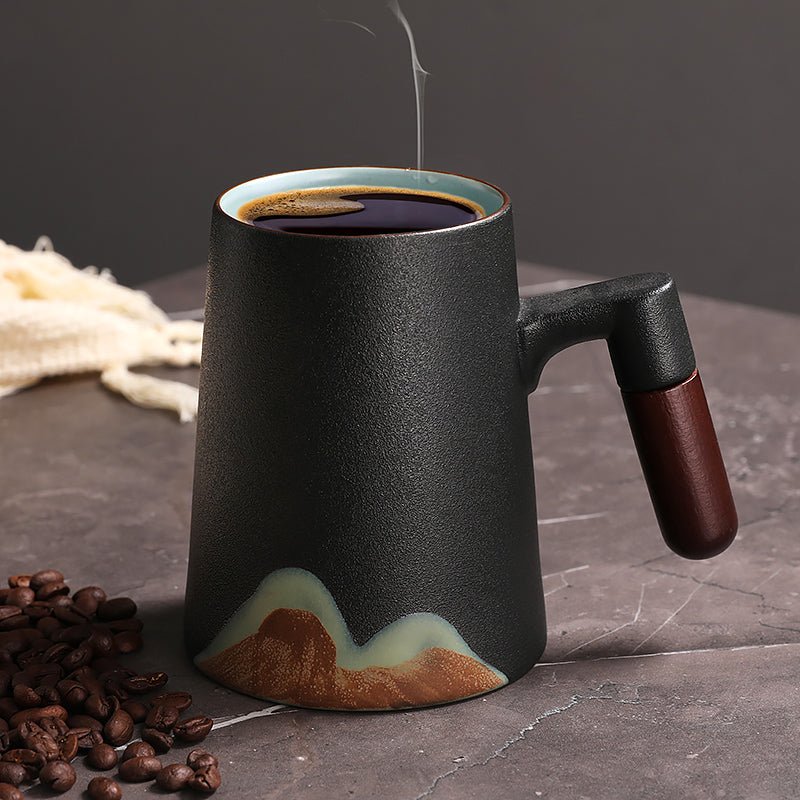
Coffee Mug Wake and Bake: How to Choose the Right Morning Mug
A practical coffee mug wake and bake buying guide covering grip, capacity, rim comfort, and which CoffeifyMug styles suit a fast morning routine or gifting.
Подробнее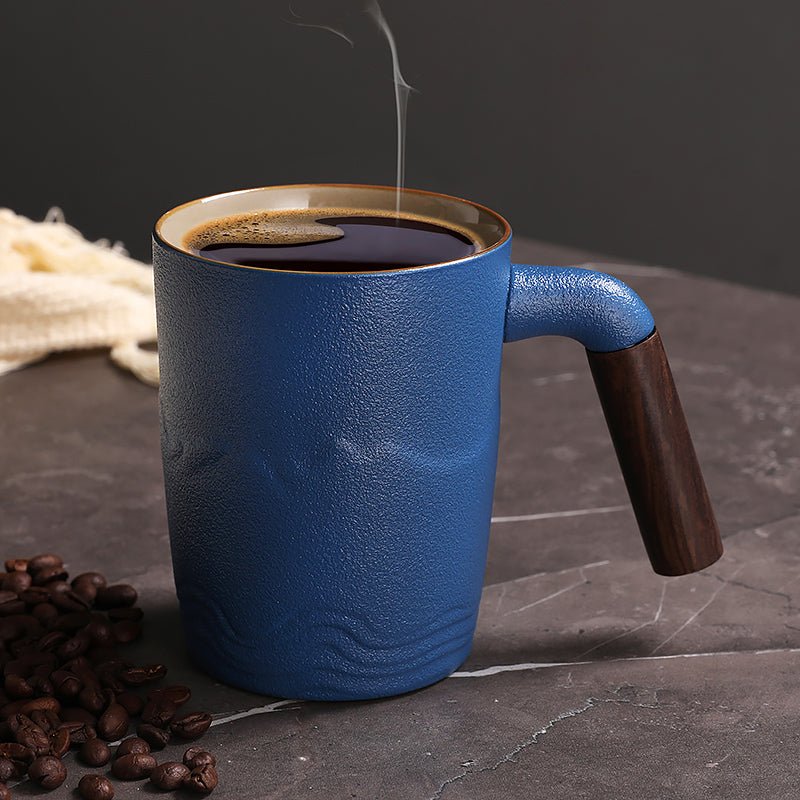
Coffee Red Mug Buying Guide for Everyday Coffee Drinkers
A coffee red mug should do more than look bright on a shelf. We break down the practical details that matter at the counter, at the office, and when you are choosing a gift.
Подробнее
Оставить комментарий
Этот веб-сайт защищается hCaptcha. Применяются Политика конфиденциальности и Условия использования hCaptcha.