
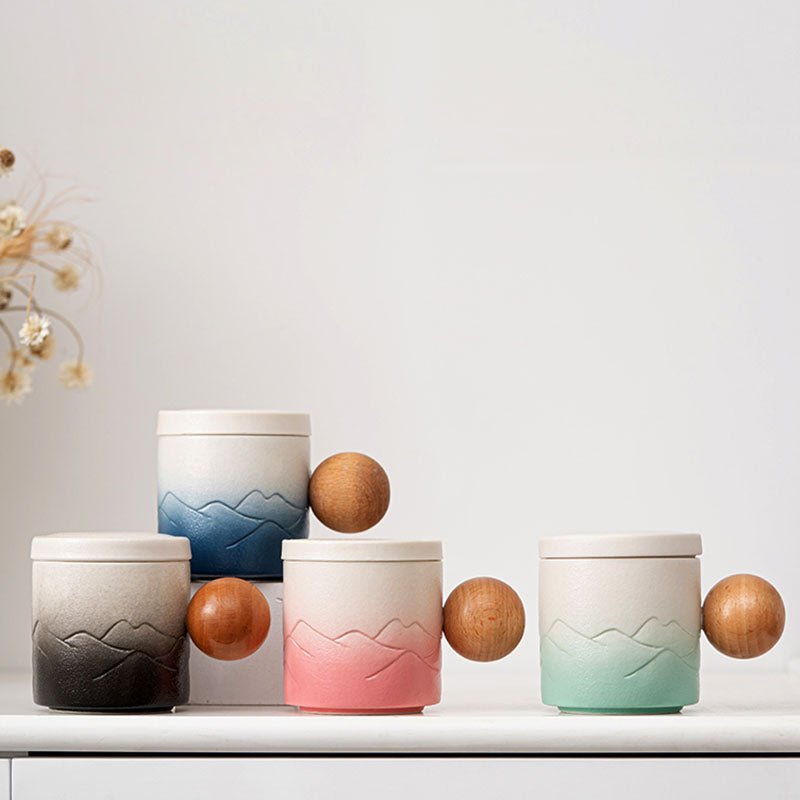
Coffee Mug Ounces: How to Pick the Right Size for Daily Coffee
Reading time: about 9 minutes
A mug can look perfect on the shelf and still be wrong at the coffee pot. We see this all the time: someone wants a simple everyday cup, but the mug they buy is too small for drip coffee or so large that it gets heavy halfway through the first pour.
That is why coffee mug ounces matter. The number tells you more than capacity. It hints at how the mug sits in your hand, how fast your coffee cools, whether there is room for cream, and whether it will feel comfortable on an office desk or in a kitchen cabinet.
If you want a broader breakdown of size labels, our related guides How Many Ounces in a Coffee Mug? Real Sizes and Buying Tips and How Many Ounces Is a Standard Coffee Mug? A Buyer’s Guide cover the common naming confusion shoppers run into.
What do coffee mug ounces actually measure?
Coffee mug ounces measure capacity, usually close to the brim, not the amount you should pour every morning. In real use, most people leave some headspace so the drink does not slosh over the lip when they walk from the counter to the table.
That matters because a mug labeled 12 oz often holds less in practical use. If you fill it to a safe level, stir in cream, or add a spoon, the usable space drops quickly. For hot drinks, that extra room is not wasted space. It is what keeps the first sip from becoming a spill.
We also look at mug size the way shoppers actually use it at home:
- Kitchen counter coffee: a mug needs enough room for a normal pour and a little movement.
- Office desk use: a taller mug may fit better next to a keyboard, but it can be harder to clean around the rim.
- Gift buying: the number matters less than whether the mug feels balanced and easy to hold.
That is why the best coffee mug ounces for one person can be the wrong size for someone else. A black coffee drinker usually wants a different range than someone who fills the cup with milk or uses it for tea.
Which coffee mug ounce size fits your daily drink?
The easiest way to choose is to match the mug to the drink, not to the listing photo. We handle a lot of mugs, and the same size can feel very different once it is full, warm, and sitting in your hand.
| Ounces | Best for | Trade-off |
|---|---|---|
| 8 to 10 oz | Espresso drinks, tea, smaller servings | Too small for many drip coffee drinkers |
| 11 to 12 oz | Everyday coffee, office use, balanced hand feel | Limited room for milk, foam, or extra cream |
| 13 to 16 oz | Large drip coffee, lattes, people who sip slowly | Heavier when full and can cool faster if the opening is wide |
| 18 oz and up | Big pours, long work sessions, people who do not want refills | Bulky in the cabinet and less comfortable for small hands |
For a lot of shoppers, 11 to 12 oz is the safest starting point. It feels familiar, fits most drip coffee routines, and usually does not overwhelm a standard dish rack. If you prefer a larger morning pour or like room for milk, 14 to 16 oz is the better fit. If you want a smaller, more traditional cup, 8 to 10 oz is better, but it is not ideal for someone who tops up with cream or uses oversized coffee makers.
A wide mug is not always better. Wide openings cool faster because there is more surface area exposed to air. Narrower mugs tend to hold heat longer, but they can be harder to stir and may feel cramped if you add a lot of milk. That is a real trade-off, not a marketing detail.
How do shape and material change the feel of the same ounce size?
Two mugs with the same coffee mug ounces can feel completely different in use. One may have a tall body and narrow mouth. Another may be short, round, and easy to cradle with both hands. The number does not tell the whole story.
In our store, we pay close attention to the parts shoppers notice after the first week, not just on unboxing day. That means the handle opening, rim thickness, base stability, and how the glaze holds up in a dishwasher cycle matter just as much as the stated capacity.
Here are the details we look for when comparing mugs:
- Handle comfort: A handle should let an adult slip in two fingers without the knuckles pressing against the cup body.
- Rim feel: A smoother rim makes daily sipping more comfortable, especially for black coffee or tea.
- Base stability: A flat, centered base helps the mug sit securely on a desk or countertop.
- Glaze finish: Glossy glaze is usually easier to wipe clean, while matte finishes can show water spots more easily.
- Thermal behavior: Ceramic mugs stay pleasant to hold, but they should not be shocked from extreme cold to very hot water.
Common wear points show up after repeated use. Chips often appear on the lip or at the handle edge if a mug gets knocked in a crowded sink. Hairline cracks can happen if a mug moves too quickly from a cold dishwasher shelf to boiling liquid. Those are the kinds of real-world issues we think about when recommending a size and shape.
A mug that looks good in a product photo can still be the wrong buy if the handle is too tight, the opening is too wide, or the capacity does not match the way you pour coffee at home.
Which mugs in our store work best for different ounce preferences?
If you want a straightforward everyday cup, start with our Round Coffee Tea Mug. It is the kind of shape many shoppers reach for when they want something familiar, practical, and easy to hold on a kitchen counter or office desk.
For buyers who want a mug that feels more like a gift piece while still serving as an everyday cup, the Elk and Moon Coffee Tea Mug and Koi Fish Coffee Tea Mug are good examples of how design changes the buying decision. The artwork affects the first impression, but the ounce choice still determines whether the mug is practical for your drink habits.
Our all mugs collection is the simplest place to compare shapes side by side if you are deciding between a standard daily mug and something with a more decorative look.
For shoppers who care about the number on the listing, the real question is not just "how many ounces does it hold?" It is "how does that size behave when it is full?" A compact 11 oz mug can feel tidy and balanced, while a larger 16 oz mug can be better for a long work session but less convenient for a shallow cabinet or a small dishwasher rack.
If you want another angle on the sizing question, the posts How Many Ounces Is a Coffee Mug? Real Sizes and Buyer Tips and How Many Ounces Is a Regular Coffee Mug? Buyer Guide are useful when you are comparing standard and everyday mug labels.
What a larger mug is not good for: espresso, small pour-over servings, or people who do not want a heavy cup once it is full. What a smaller mug is not good for: milk-heavy drinks, extra room for cream, or anyone who dislikes refilling during a long call.
What should you check before buying coffee mug ounces online?
We recommend checking the ounce label, the shape, and the care notes together. A listing can say "12 oz," but that does not tell you how broad the opening is, how substantial the handle feels, or whether the mug is easy to stack and store.
- Check the stated capacity, then assume real use will be a little less than the brim number.
- Look at the opening width if you drink hot coffee slowly, because wider mugs cool faster.
- Look at the handle size if you have larger hands or plan to use the mug while standing.
- Check whether the finish is glossy or matte, since that changes how fingerprints and water spots show up.
- Read the care instructions and avoid sudden temperature changes that can stress ceramic.
Dishwasher-safe is helpful, but it does not mean the mug is indestructible. Repeated dishwasher cycles can still leave dull spots on some finishes, and rough stacking can chip the rim over time. If you are buying for a gift, that practical side matters. People remember the feel of the mug every morning, not just the pattern on the outside.
If you are buying from us, we try to make that choice simpler by focusing on mugs that work as real drinkware first. The design should be a reason to like the mug. It should not be the only reason it works.
Frequently asked questions
How many ounces is a standard coffee mug?
Most shoppers think of a standard coffee mug as landing around 11 to 12 oz, though listings vary by maker. That range is usually large enough for a normal drip coffee pour without feeling oversized on a desk or in a cabinet.
Is a 14 oz mug too big for everyday coffee?
Not for everyone. A 14 oz mug works well if you drink larger pours, add milk, or like one mug to last longer without refilling. It can feel heavy if you prefer smaller servings or have small hands.
Do coffee mug ounces include room for cream and foam?
Technically, the capacity number usually refers to the full interior volume, not the ideal serving size. In real use, you should leave headspace for cream, foam, or stirring so the drink is easier to carry and less likely to spill.
What is the best mug size for office coffee?
An 11 to 12 oz mug is often the most practical office size because it balances weight, desk footprint, and refill frequency. If you take long meetings or sip slowly, 14 to 16 oz may be better, but it takes up more space and can be less comfortable to hold for a long stretch.
Are smaller mugs better for tea than coffee?
Often, yes. Tea drinkers usually do well with 8 to 10 oz because the portion size is smaller and the cup feels lighter. That said, if you brew tea in a large mug and want more room for steeping, a bigger size can still make sense.
If you are narrowing the choice today, start with the size that matches your actual pour, then compare shape and handle comfort. From there, browse our full mug collection and pick the mug that fits your coffee routine, not just the number on the label.
Read more
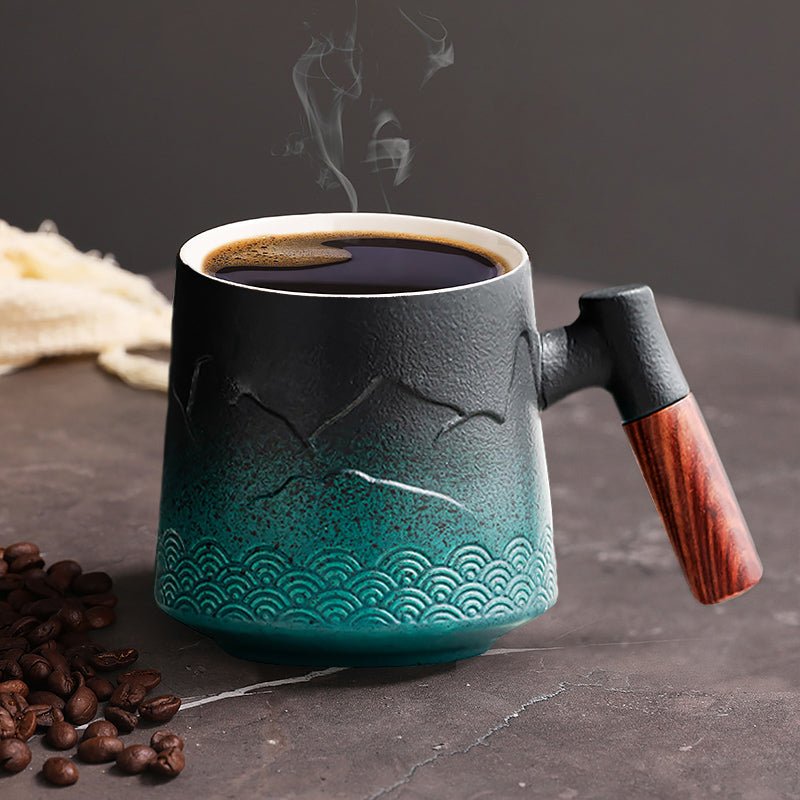
Wooden Coffee Cup Buying Guide: What to Know Before You Order
A wooden coffee cup brings a warmer look and a more tactile feel than plain ceramic, but the right pick depends on the handle shape, finish, and how you plan to clean it. Here’s what we look for in...
Подробнее
How to Draw a Coffee Mug: Simple Shapes, Proportions, and Shading
A practical guide to drawing a coffee mug with correct proportions, handle placement, rim ellipses, and simple shading. It also shows which mug shapes are easiest to draw from real references.
Подробнее
Оставить комментарий
Этот веб-сайт защищается hCaptcha. Применяются Политика конфиденциальности и Условия использования hCaptcha.