
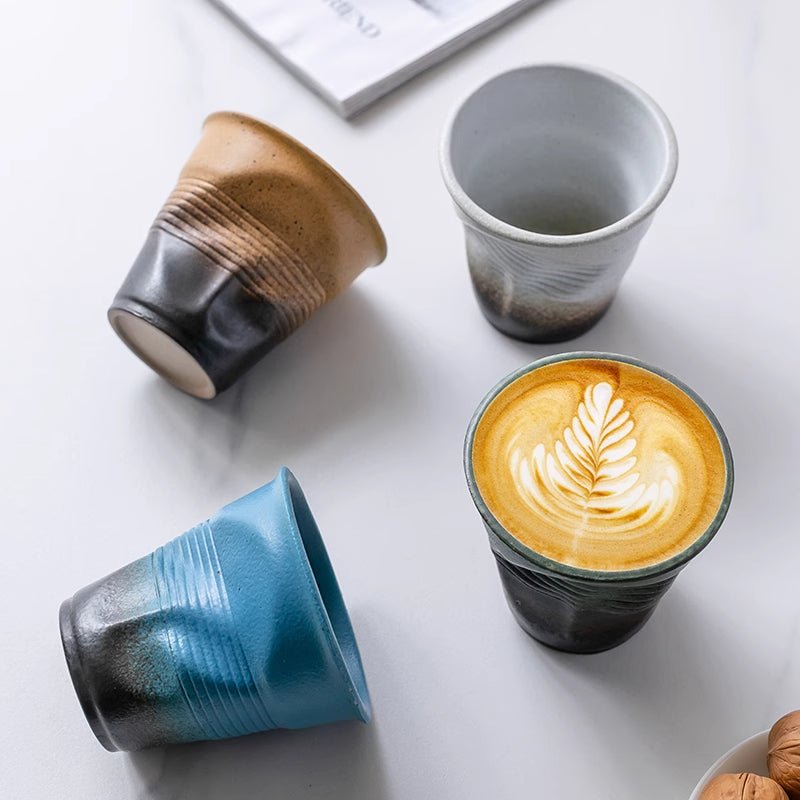
Ceramic Cortado Cup Daily Use Guide: 170 ml to 270 ml
Reading time: about 10 minutes
A small coffee cup can feel exactly right at the first sip and surprisingly awkward by the third day. We see this in our store whenever shoppers compare a compact cup for a short milk coffee against the way they actually drink at home: a quick drink beside the espresso machine, a slower cup at an office desk, or a small tea after lunch. The useful question is not simply which cup looks best. It is how much room your normal pour needs before the rim starts to feel uncomfortably close.
This ceramic cortado cup daily use guide focuses on the practical difference between the current 170 ml Retro, 200 ml Pleated, and 270 ml Emerald options. These are capacity comparisons, not promises about espresso extraction, heat retention, café use, or safety features. A cortado recipe and a person's serving habits vary, so the cup that works for a tidy short drink may be the wrong choice for someone who adds more milk, carries it to a desk, or wants one cup to cover tea too.
What does a ceramic cortado cup daily use guide reveal beyond the stated capacity?
Capacity is the clearest starting point because it tells you how much volume the cup can hold, but it does not tell the full daily-use story. A cup filled to its stated capacity has little practical headroom. That matters when you pour a milk coffee at a kitchen counter, walk it across a room, or set it near a keyboard. Headroom is simply the empty space between the drink and the rim; it is a comfort and spill-management consideration, not a measurement of drink quality.
In our experience handling compact drinkware, shoppers are happiest when they separate the drink volume they usually pour from the total cup capacity. A 170 ml cup can be a sensible fit for a smaller serving, while a 270 ml option leaves more scope for a larger drink or more visible empty space above it. Neither result makes one inherently better.
Start with the listed capacities rather than estimating from product photography. The Retro Coffee & Tea Cup is listed at 170 ml, the Pleated Coffee & Tea Cup at 200 ml, and the Emerald Coffee & Tea Mug at 270 ml. Those 30 ml and 70 ml steps can be more noticeable in everyday pouring than they look on a screen.
Is 170 ml enough for a short daily milk coffee?
The 170 ml Retro option is the most compact of the three verified sizes. It makes the most sense for a buyer whose routine is deliberately small: a short coffee with a controlled amount of milk, served and finished close to the kitchen counter. It also suits shoppers who dislike a large, partly empty vessel around a modest drink.
Its trade-off is straightforward. There is less capacity available for extra milk, a larger homemade serving, or generous headroom after pouring. It is not the best fit for someone who routinely makes a longer drink, likes to carry a full cup upstairs, or expects one piece of drinkware to handle substantial tea servings. Filling any compact cup near the rim also makes moving around a busy counter less forgiving.
Before ordering, mentally rehearse the drink you make most often. If your normal pour is small and you value a compact footprint near your machine, the 170 ml size is the logical first comparison. For a closer look at how the listed sizes differ, our ceramic cortado cup capacity comparison lays out the 170 ml, 200 ml, and 270 ml options without treating capacity as a universal recommendation.
Where does a 200 ml cup help with headroom at home or at a desk?
The 200 ml Pleated cup adds 30 ml over the 170 ml Retro. That is not a dramatic jump into large-mug territory, but it can be useful for shoppers who want a little more flexibility in a short coffee routine. It may leave more comfortable space above a similar-sized pour, or accommodate a slightly more generous milk addition without making the cup feel oversized.
This middle size is often the practical choice for a household where one person prefers a compact coffee cup but does not measure every pour precisely. It can also be easier to live with on an office desk, where a little extra room below the rim is welcome while reaching for a mouse or moving papers. That does not make it spill-proof, and capacity alone cannot determine how stable a cup feels in your hand.
The limitation is that 200 ml is still a compact serving. Do not buy it expecting the volume of a conventional large morning mug. It is also not automatically the right option for iced coffee, where ice takes up meaningful space before the drink is added. If the cup will regularly serve tea or larger coffee drinks, compare the 270 ml option instead of trying to force one capacity into every task.
Who should choose the 270 ml Emerald Coffee & Tea Mug?
The 270 ml Emerald Coffee & Tea Mug is the largest verified option in this group. It has 70 ml more capacity than the Pleated cup and 100 ml more than the Retro cup. That additional room is useful for a shopper who wants more headroom around a milk coffee, prefers a longer drink, or plans to use the same piece for coffee and tea.
It is the better practical fit for an unhurried desk drink, a tea break, or a household that does not want several very specialized cup sizes. It can also make a more flexible gift choice when you do not know the recipient's exact coffee recipe. For a shopper set on the visual scale of a very small cortado-style serving, though, 270 ml may feel too roomy. A tiny drink in a larger cup can look and feel less intentional than the same drink in a compact vessel.
Browse the unique coffee mugs collection if your buying decision is driven as much by a broader daily drink routine as by a single compact coffee. That is the more useful next step for someone who needs options across coffee, tea, and gift occasions rather than a narrowly sized cup.
What should you check before putting a ceramic cup into a daily rotation?
Capacity comes first, then the routine around it. We recommend checking the product page for the seller's current materials, dimensions, and care guidance before treating a cup as a daily default. Do not assume microwave or dishwasher suitability from the word ceramic, the product shape, or a photograph. Those details need to be confirmed for the specific item.
Once a ceramic cup arrives, a careful first inspection is more useful than a vague promise that all pieces will behave identically. Look at it in good light before use and contact the seller promptly if you find an issue.
- Rim and interior: Check for visible chips, cracks, rough spots, or irregularities that make the drinking edge feel unpleasant.
- Glaze surface: Look for obvious damage, pinholes, or hairline crack-like marks. A visual concern does not always identify the cause, but it is worth raising before regular use.
- Base: Set the empty cup on a flat counter and confirm that it sits as expected rather than visibly rocking.
- Capacity fit: Pour your usual drink into a measuring jug once. Compare that volume with 170 ml, 200 ml, or 270 ml and leave room for the way you carry the cup.
- Care instructions: Follow the care guidance supplied for that specific product. Avoid inventing a cleaning routine based on another ceramic item you own.
These checks are especially worthwhile for gifts. A recipient opening a cup may care about the silhouette first, but the cup needs to suit their actual drink size to become part of the weekday routine. For a wider overview of the buying checks that apply across ceramic drinkware, read our ceramic coffee mug buying guide.
Which daily scenario matches each compact cup size?
| Daily scenario | Most practical capacity to compare first | Why it may fit | When it is not the best fit |
|---|---|---|---|
| Short coffee made and finished near the machine | 170 ml Retro | Compact capacity for a smaller serving without a large vessel. | Not ideal if extra milk or more headroom is a regular need. |
| Short coffee with slightly less precise home pours | 200 ml Pleated | The extra 30 ml offers more flexibility while staying compact. | Not a replacement for a large tea or iced drink mug. |
| Coffee, tea, or a more spacious desk drink | 270 ml Emerald | The largest listed capacity gives the most room for varied pours. | May feel oversized for a very small, traditional-style serving. |
| Gift for a person whose drink routine is unknown | 270 ml Emerald or collection comparison | A broader capacity can suit more than one drink occasion. | Choose a smaller option if you know they strongly prefer compact cups. |
There is no need to turn a capacity choice into a claim about coffee quality. A ceramic cortado cup can be visually appealing and useful for a short drink, but it cannot fix a recipe that is larger than the available space. Match the listed capacity to the amount you pour, then choose the product whose scale feels right in your kitchen or on your desk.
Frequently asked questions
What size should I choose in a ceramic cortado cup daily use guide?
Use your normal finished drink volume as the starting point, then allow headroom for carrying and drinking. Compare the verified 170 ml Retro, 200 ml Pleated, and 270 ml Emerald capacities rather than assuming every short coffee needs the same size. A smaller cup is best for a deliberately compact serving; a larger capacity is more flexible for milk, tea, or a longer drink.
Is a 170 ml cup too small for coffee with milk?
It depends on how much coffee and milk you pour. The 170 ml Retro can suit a small milk coffee, but it provides less room for extra milk and space below the rim than the 200 ml or 270 ml choices. It is not the best pick for someone who regularly pours a larger homemade drink.
Does a 270 ml mug still work for a small cortado-style drink?
It can hold a small drink, but the visual and practical fit may feel different because there is more unused space. The 270 ml Emerald Coffee & Tea Mug is more useful for buyers who also want room for tea, a longer coffee, or more headroom. Select a 170 ml or 200 ml option if a compact serving is the priority every day.
Can I assume these ceramic cups are dishwasher or microwave safe?
No. This guide does not make microwave or dishwasher safety claims for these products. Check the current product-page information and follow the care instructions supplied for the specific cup before using an appliance or establishing a cleaning routine.
Which compact cup is better as a gift?
A 270 ml option can be more versatile when you do not know whether the recipient drinks coffee, tea, or both. A 170 ml or 200 ml cup is more thoughtful when you know they favor compact coffee servings. Confirm the recipient's usual drink size before choosing based on appearance alone.
Use this three-point check before you choose
- Measure one typical finished drink, including the milk or water you normally add.
- Decide how much empty space you want below the rim for carrying it across the kitchen or using it at a desk.
- Choose 170 ml for the most compact comparison, 200 ml for modest extra flexibility, or 270 ml for the broadest coffee-and-tea use case.
Then compare the 170 ml Retro Coffee & Tea Cup, 200 ml Pleated Coffee & Tea Cup, and 270 ml Emerald Coffee & Tea Mug against that routine. The right next step is the option that leaves enough practical headroom for how you pour, carry, and finish your drink, not simply the one with the smallest or largest number.
More from our blog
Read more
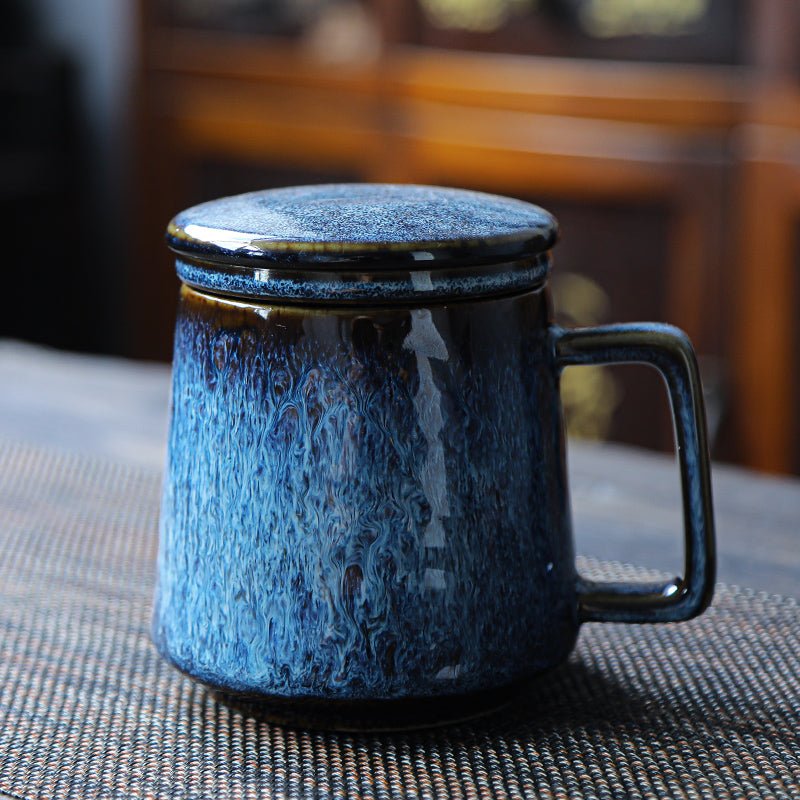
Mocha Mug Daily Use Guide: 400 ml to 480 ml Fit
Compare 400 ml, 440 ml, and 480 ml mocha mug options for coffee-and-cocoa drinks at home or work. See where each capacity fits, where it can feel excessive, and what to check before ordering.
Подробнее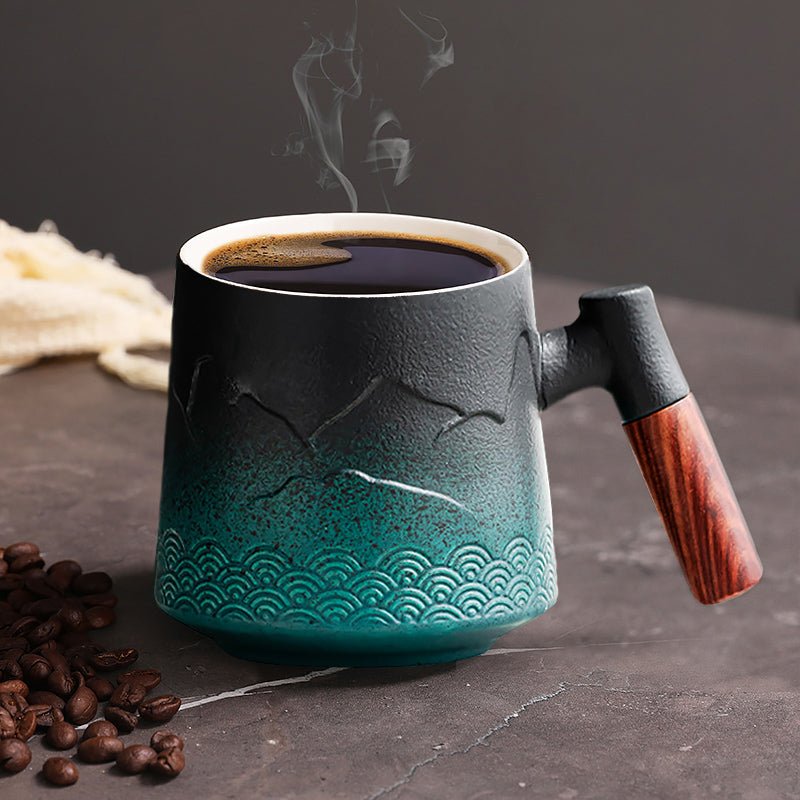
ceramic coffee mugs with large handles comparison: 3 current picks
Compare three current CoffeifyMug options by handle feel, desk use, gifting style, and care expectations so you can choose the mug that fits your routine instead of guessing from photos.
Подробнее
Оставить комментарий
Этот веб-сайт защищается hCaptcha. Применяются Политика конфиденциальности и Условия использования hCaptcha.