
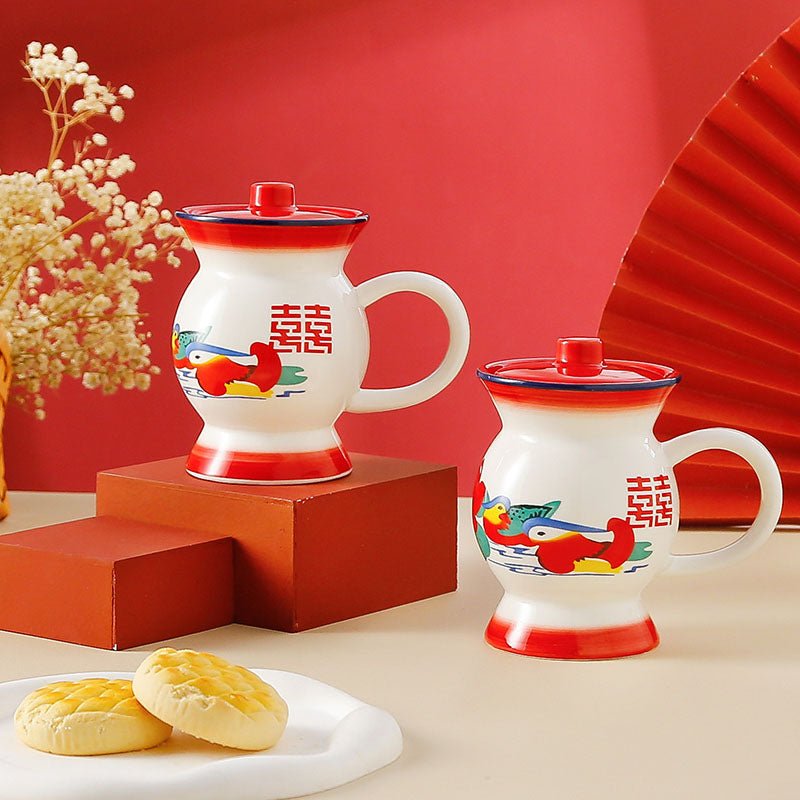
Cacao Cup Capacity Guide: 250, 390, and 400 ml Compared
Reading time: about 9 minutes
A cacao drink that fits comfortably in a small breakfast cup can feel undersized after the first few sips at an office desk. Go too large, though, and the last portion may sit longer than you intended. This cacao cup capacity guide compares the three current listed options in our store: 250 ml, 390 ml, and 400 ml. The practical choice depends less on the biggest number and more on your usual pour, refill habits, available counter space, and preference for a more visible opening.
We sell these as everyday coffee and tea mugs that can also hold cacao. We do not present them as traditional, ritual, certified, or purpose-built cacao vessels. That distinction matters for shoppers who want an honest comparison based on the catalog details we can verify.
Cacao cup capacity guide: what changes between 250, 390, and 400 ml?
The largest meaningful step in this group is from 250 ml to 390 ml. That adds 140 ml of listed capacity. Moving from 390 ml to 400 ml adds only 10 ml, so those two options belong in the same general serving range. Between them, shape, handle preference, visible opening, and how the mug sits in your daily setup should carry more weight than capacity alone.
| Current mug | Listed capacity | Verified size detail | Best starting point for |
|---|---|---|---|
| Ball Handle Coffee & Tea Mug | 250 ml | Listed 11.2 cm diameter | A smaller prepared portion or a routine built around deliberate refills |
| Round Coffee & Tea Mug | 390 ml | No additional opening measurement used in this comparison | A larger single pour with some flexibility for recipe volume |
| Spittoon Coffee & Tea Mug | 400 ml | No additional opening measurement used in this comparison | The highest listed capacity among these three current choices |
If none of these forms suits your cabinet, handle preference, or table setting, the broader unique coffee mug collection is the better next step. Capacity is useful, but it should not override a shape you will find awkward to hold or store.
Is 250 ml enough for a regular cacao serving?
The 250 ml Ball Handle mug is the clearest fit for someone who prepares a measured, smaller portion and prefers to finish it before making more. It is also the only option in this comparison with a listed diameter: 11.2 cm. We treat that figure as a catalog dimension, not as permission to assume that every millimeter of the profile is usable internal opening or liquid capacity.
In practical terms, 250 ml can work well in these situations:
- You make one compact cacao drink alongside breakfast rather than a long desk drink.
- You prefer a second fresh pour instead of preparing nearly 400 ml at once.
- You want the smallest listed capacity of the three current products.
- You value the Ball Handle design and want a stated diameter to check against shelf or counter space.
The trade-off is straightforward: a recipe approaching the listed capacity leaves little theoretical room between the liquid volume and the cup's maximum figure. Actual comfortable pour volume can be lower because most people do not fill a mug to the rim, especially when stirring cacao or carrying it from the kitchen. We recommend comparing the total liquid in your own recipe with the listing rather than assuming a 250 ml mug provides 250 ml of splash-free working space.
This option is not the strongest fit for someone who dislikes refilling, adds a substantial amount of milk after mixing, or wants a long drink beside a keyboard. For those routines, start with 390 or 400 ml.
Do 390 ml and 400 ml feel different in daily use?
On capacity alone, the Round 390 ml and Spittoon 400 ml are close. The difference is just 10 ml. We would not tell a shopper to choose the 400 ml product solely because the number is higher; recipe variation and the headroom you leave while carrying the drink can easily matter more to daily use.
Use the two larger options this way:
- Choose the Round 390 ml if your situation is a generous single cacao pour and you prefer the Round product's form. Its capacity gives substantially more room than the 250 ml option without making an unsupported promise about usable fill level.
- Choose the Spittoon 400 ml if your situation calls for the highest listed capacity in this set and its visible profile better suits your table or gift choice. The reason to pick it over 390 ml should include the product design, not just the extra 10 ml.
- Compare both product pages if you prepare changing recipes. Confirm current photographs, dimensions, finish details, and care information before ordering because capacity does not reveal every practical difference.
Neither larger mug is automatically better for a short, concentrated drink. Extra empty space may be acceptable, but shoppers who want a compact presentation can find a nearly 400 ml vessel visually oversized for a small pour. If your usual drinks are smaller coffee recipes rather than cacao, our flat white cup capacity comparison covers 200, 250, and 270 ml options without stretching this cacao comparison into a broad coffee guide.
How should refill habits decide between 250 and 400 ml?
Capacity decisions become easier when we ask customers to picture one real day rather than an idealized serving. A kitchen-counter drink consumed with breakfast has different demands from a mug that stays on an office desk through a meeting.
- Measure the liquid you actually combine. Count the water, milk, or other liquid in the finished recipe. Dry cacao ingredients also need stirring room, so do not treat the listed capacity as a recommended fill line.
- Decide how many kitchen trips you tolerate. The 250 ml option favors smaller portions and more frequent preparation. The 390 and 400 ml mugs favor a larger single pour.
- Allow carrying and stirring space. A mug filled to its nominal limit is not the same as a mug that is comfortable to stir and carry. Leave headroom based on how vigorously you mix and how far the drink travels.
- Notice where the mug waits. On a compact desk, physical dimensions and handle placement may matter as much as volume. Review the current listing images and dimensions rather than inferring footprint from capacity.
In our experience selling drinkware, the refill question is more useful than asking which capacity is universally best. Choose the 250 ml Ball Handle mug for a smaller, repeatable portion. Move to the 390 ml Round mug or 400 ml Spittoon mug when reducing refills matters more than keeping the serving compact.
What does the visible opening change for cacao?
A visible opening affects how the drink presents on the table and how easily you can see the surface while adding ingredients. It can also influence how spacious the mug feels during stirring. Capacity, however, does not prove opening width. A 400 ml cup is not necessarily wider at the top than a 390 ml cup; volume can come from height, wall shape, or other dimensions.
The Ball Handle product has a listed diameter of 11.2 cm, giving shoppers one concrete dimension to compare with a shelf, saucer, or storage area. We do not have a corresponding verified opening measurement in the supplied facts for the Round 390 ml or Spittoon 400 ml products, so we will not rank their opening sizes. Use the current product photography for a visual comparison and check each listing for any newly published measurements.
A broad-looking opening is not automatically preferable. It can be appealing if you want the cacao surface to remain visible or regularly add toppings, but a more compact profile may be easier to place among other breakfast items. Shoppers seeking a tightly proportioned cup for a much smaller coffee serving should use our 170, 200, and 250 ml espresso cup comparison instead.
What should you check during unboxing and care?
Capacity is only one part of a satisfactory delivery. At gift unboxings and first kitchen use, inspect the areas that receive the most handling before filling the mug. This is a sensible drinkware check, not a claim that a particular defect is common in these products.
- Place the empty mug on a level counter and confirm that the base sits steadily.
- Look around the rim for chips, rough points, or visible cracks.
- Inspect the handle and its attachment points before lifting a filled mug.
- Confirm that the received product and capacity match the current order details.
- Read the product page or supplied care directions before putting the mug through a dishwasher cycle.
We do not apply one blanket material or dishwasher-safety claim to all three mugs because those details are not part of the verified facts used for this capacity guide. Follow the instructions supplied with the specific product. For routine cleanup, avoid assuming that a finish tolerates abrasive pads or sudden temperature changes unless the current care guidance says so. If a mug arrives chipped, cracked, or unstable, do not use it for a hot drink; contact the store with clear photos of the product and packaging.
Frequently asked questions
What size does this cacao cup capacity guide recommend for one serving?
There is no universal one-serving size because cacao recipes vary. Use 250 ml for a smaller prepared portion or a refill-based routine, and compare 390 ml and 400 ml for a larger single pour. Leave space for stirring and carrying rather than planning to fill to the listed limit.
Is the 400 ml cacao mug noticeably larger than the 390 ml mug?
The listed capacity difference is only 10 ml, so capacity alone is not a strong reason to favor one. Compare the Round and Spittoon product shapes, visible openings, handles, current dimensions, and care details before deciding.
Can I use these mugs as traditional cacao vessels?
These products are presented as everyday coffee and tea mugs that can hold cacao. We do not describe them as traditional, ritual, certified, or purpose-built cacao vessels. A specialist vessel would be a better choice if cultural provenance or traditional construction is central to your purchase.
How much headroom should I leave in a cacao cup?
The right amount depends on your recipe, stirring method, and how far you carry the drink, so we do not assign a universal fill line. Measure your finished liquid volume and choose a listed capacity above that amount if you need room for vigorous stirring, milk additions, or toppings.
Which current mug is best for an office desk?
Choose the 390 ml Round or 400 ml Spittoon if you want a larger pour and fewer trips away from the desk. Choose the 250 ml Ball Handle if you prefer a smaller fresh serving and have checked that its listed 11.2 cm diameter suits your workspace. Capacity does not establish the full footprint, so verify current dimensions on the product page.
Your short capacity checklist before ordering
Write down your finished recipe volume, decide whether you want one pour or planned refills, and allow space for mixing. Then use three simple routes: 250 ml for the compact serving routine, 390 ml for a generous pour in the Round design, or 400 ml for the highest listed capacity in the Spittoon design. Treat 390 and 400 ml as close capacity peers and let form decide between them.
Before checkout, review the current product page for measurements, care directions, color or finish details, and availability. If the three compared shapes do not fit your cabinet, desk, or gift recipient, browse our current unique coffee mugs and keep your measured recipe volume beside you while comparing.
More from our blog
Read more
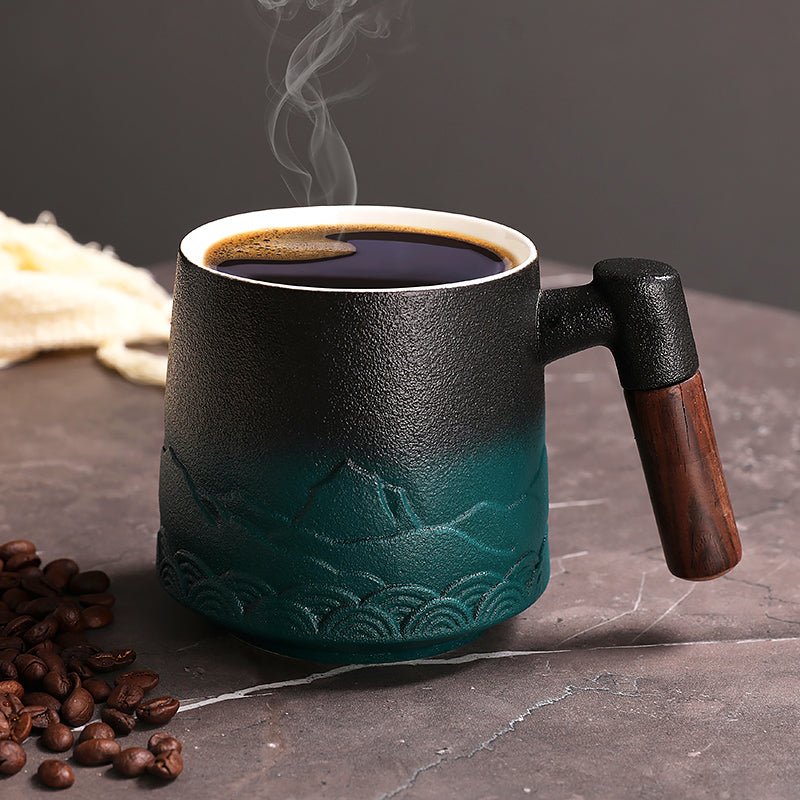
Coffee Mug Gift Ideas for Him Capacity Guide: 400-480 ml
Compare the listed 400, 440, and 480 ml capacities of three current CoffeifyMug designs. See which size fits shorter coffee servings, 12 oz pours, added milk, tea, cocoa, and fewer-refill desk rout...
Подробнее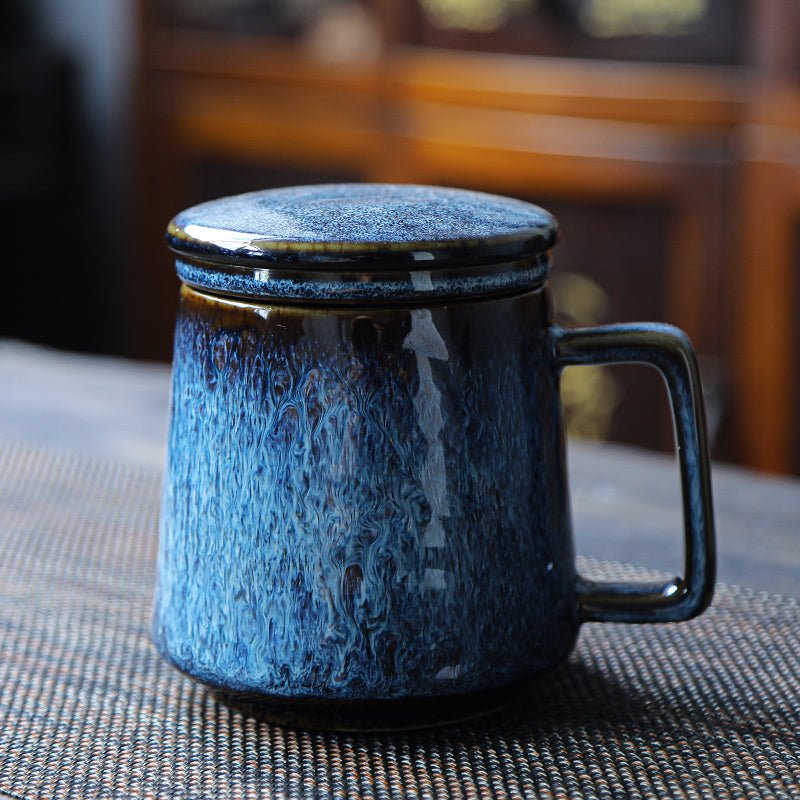
Heavy Ceramic Coffee Mugs Capacity Guide: 400 to 480 ml
Compare the listed 400, 440, and 480 ml capacities by serving size, add-ins, headroom, and refill routine. See which current CoffeifyMug design fits the way you actually prepare and carry coffee or...
Подробнее
Оставить комментарий
Этот веб-сайт защищается hCaptcha. Применяются Политика конфиденциальности и Условия использования hCaptcha.