
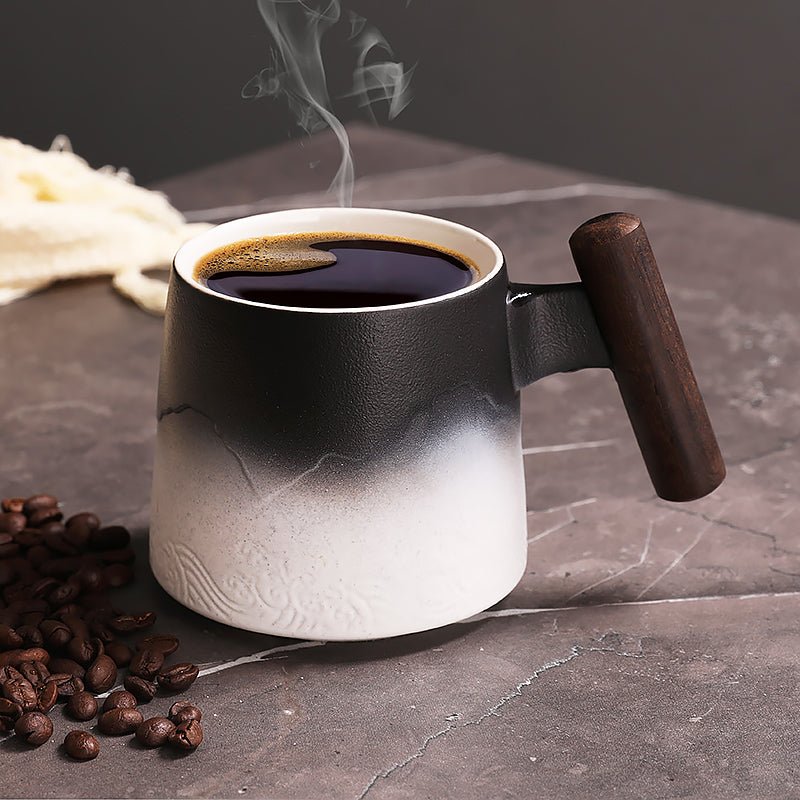
Best Camping Coffee Mug: What to Buy for Heat, Weight, and Use
Reading time: about 9 minutes
A mug that tips on a camp table, burns your hand on the first sip, or chips in the dish bin stops being a favorite fast. That is usually where the search for the best camping coffee mug gets real: not on a product page, but at a picnic table, in a glove-cluttered kitchen, or after one too many rough trips through the sink.
We handle mugs for shoppers who want something that still feels good to drink from after the novelty wears off. In our store, the best camping coffee mug is the one that fits the way you actually camp: car camping, backyard fire pits, early-morning deck coffee, or an office mug that sometimes leaves the house. If you want to compare our current picks first, start with the full mug collection, then look closely at the Landscape Coffee Tea Mug, the Gradient Coffee Tea Mug, and the Retro Coffee Tea Cup.
What should the best camping coffee mug do better than a regular mug?
A good camp mug needs to tolerate a less controlled environment. A kitchen mug can assume flat counters, careful handling, and a short walk from brewer to chair. Camp does not offer that kind of mercy. The best camping coffee mug should feel stable on uneven ground, be easy to grip with cold hands, and survive a few honest bumps without becoming unusable.
We look for three things first:
- Stable base: A mug with a wider foot is less likely to wobble on a picnic table or camp tailgate.
- Comfortable handle clearance: If a handle is too tight, it becomes annoying fast when your hands are cold or gloved.
- Real drinking comfort: A thick, smooth rim and a shape that is easy to sip from matter more than decorative extras when you are tired and caffeinated.
That is why we do not treat all outdoor mugs the same. A lightweight steel mug may be better for hiking, but if you are sitting at a fire ring and want coffee that tastes clean and feels familiar, ceramic often wins. It is not the lightest option, and it is not the toughest, but it usually gives the best everyday drinking experience.
Which material works best for camping: ceramic, steel, or enamel?
Material is the biggest trade-off, and it decides most of the experience before the first pour. We see buyers get disappointed when they choose based on looks alone. A mug can be attractive and still be the wrong fit for how they camp.
| Material | Best for | Strength | Trade-off |
|---|---|---|---|
| Ceramic | Car camping, cabin use, porch coffee, gift buyers | Best drink feel and familiar flavor | Heavier and can chip if knocked hard |
| Stainless steel | Backpacking, rugged use, pack weight concerns | Light and durable | Can get hot on the outside and may affect taste if unlined |
| Enamel | Classic camp style, casual outdoor use | Light and visually fitting for camp | Rims can chip and the surface can show wear quickly |
Ceramic is the easiest recommendation for most shoppers who say “camping” but really mean car camping, weekend cabins, or fire pit coffee. It is more familiar than metal, and it is usually the nicest choice for repeat daily use. If you want a mug that feels like a real mug, not a compromise, ceramic is the one to inspect first.
That said, ceramic is not the best choice for long hikes, ultralight packs, or situations where you need a mug that can bounce around loose in a backpack. If that is your use case, weight matters more than drinking comfort. For a more practical breakdown of that trade-off, we cover it in our Camping Coffee Mug Buying Guide: Heat, Weight, and Real-World Use.
Which of our mugs makes the most sense for a camp setup?
For shoppers choosing from our store, we think in terms of use pattern, not just style. All three of these can work as a camping coffee mug, but they serve different buyers.
- Landscape Coffee Tea Mug: Best if you want an everyday mug that still feels appropriate at a campsite. The visual style is easy to live with, and it works well for buyers who want one mug that can move between home, office, and outdoor mornings.
- Gradient Coffee Tea Mug: Best if you want something a little more polished for gifting or a cleaner modern look on a camp table. It is a good fit for shoppers who care about presentation as much as function.
- Retro Coffee Tea Cup: Best for buyers who want a more nostalgic feel and a cup that stands apart from standard office drinkware. It makes sense for slower camping routines where style matters and the mug is not getting tossed around.
We would not recommend choosing purely by design if you plan to throw the mug into a tight pack, a metal sink, or a rough camp box. Decorative mugs tend to show wear faster than plain utility drinkware. If you want more guidance on the durability side of the decision, our Camping Coffee Mug: What to Buy for Heat, Weight, and Durability article walks through the exact checks we use before we list a mug for sale.
What small details separate a good mug from a frustrating one?
This is where buyers usually miss the details. Two mugs can look nearly identical in photos and still behave very differently in hand. We pay attention to the things that do not show up in a polished product image.
- Handle shape: A narrow handle can pinch your fingers when the mug is full and hot. A better handle gives enough room for a natural grip without forcing your knuckles into the body of the mug.
- Rim thickness: A smoother rim usually feels better on the lips. Very thick rims can make coffee feel bulky, while overly thin rims can feel sharp or fragile.
- Foot and base finish: An unfinished or rough base can scratch camp tables and countertops. A well-fired base should sit flat and feel stable, not gritty.
- Glaze quality: Look for even coverage and no pinholes, crazing, or weak spots around the handle joint. Those are common places where wear shows up first.
- Print durability: If the mug has a graphic or gradient finish, check whether the design looks integrated into the glaze or just sitting on top of it. Surface-level decoration can wear sooner with repeated washing.
We also watch for common defect modes during handling: hairline cracks near the handle, chips on the foot ring, and glaze stress from sudden temperature changes. Ceramic mugs do not like thermal shock. If a mug is ice-cold from the car overnight, and you fill it with boiling water too quickly, that is when problems start. Let it come up to temperature first.
Our practical rule: the mug that survives a few dishwasher cycles, a camp table bump, and a hot pour without feeling awkward in hand is the one worth buying.
How should you clean and care for a camping coffee mug?
Cleaning matters more outdoors because camp dishes get knocked, stacked, and rushed. Even if a mug is dishwasher-safe, a little care goes a long way. We tell customers to treat ceramic mugs like daily-use drinkware, not indestructible gear.
- Rinse soon after use: Coffee stains set faster than most people expect, especially in lighter glazes.
- Avoid sudden temperature swings: Do not move from very cold storage straight into a boiling pour.
- Stack carefully: If you nest mugs in a cabinet or camp bin, keep a soft layer between them to reduce chips.
- Check the handle and rim: Those are the first places to inspect after a drop or a rough wash.
If you care most about cleanup and daily size fit, our size-focused articles can help before you buy: 11 oz Coffee Mug: What Buyers Should Check Before They Buy and the related fit guides are useful if you are comparing how much cup you really want to carry and wash every day.
For camping, we usually steer buyers away from mugs that only look good in a photo. If the handle is awkward, the base is unstable, or the mug feels too precious to use outside, it is not the best camping coffee mug for real life. A better mug is the one you will actually pack.
Which mug should you choose if you want the simplest buying decision?
If you want the shortest answer, choose based on how rough your use will be.
- Mostly car camping or cabin mornings: Pick ceramic for comfort and flavor.
- Mostly backpacking or ultralight travel: Choose a lighter metal mug instead.
- Mostly gifting or home-and-outdoor use: Pick the mug that looks good enough to keep on the counter year-round.
For most shoppers on our site, the sweet spot is a ceramic mug that feels at home at the kitchen sink but is still sturdy enough for porch coffee, fire pits, and campground breakfasts. That is why the Landscape, Gradient, and Retro options all make sense in different ways. They are not trying to be hard-use expedition gear. They are trying to be mugs people enjoy using every day, including outside.
If you want to compare the full range before deciding, use the all products collection and then come back to the style that matches your routine.
Frequently asked questions
Is a ceramic mug good for camping?
Yes, if your camping is mostly car camping, cabin stays, or backyard use. Ceramic gives the best familiar drinking feel and usually handles coffee better than cheaper metal cups. It is not the right choice for ultralight packs or rough hikes where weight and impact resistance matter more.
What size camping coffee mug is easiest to pack?
Smaller and standard mug sizes are usually easier to pack because they fit more cleanly in cabinets, bins, and side shelves. The best size depends on how much coffee you actually drink and whether you need room for milk or cream. If you are unsure, our size guides are a useful check before you buy.
How do I stop a mug from cracking at camp?
Keep it away from sudden temperature swings and do not pour boiling liquid into a very cold mug straight from the car or tent area. Also avoid knocking it against metal sinks, rocks, or stacked cookware. Most damage starts with a chip or hairline crack that gets worse over time.
Should I choose a mug with a handle or a travel tumbler?
If you sit down to drink coffee and care about taste and comfort, a handled mug is usually better. If you are walking, driving, or need spill protection, a travel tumbler is the smarter choice. A handled mug is not meant to replace a sealed tumbler for active use.
What is the most practical choice from your store for camping?
For most buyers, we would start with the Landscape Coffee Tea Mug or the Gradient Coffee Tea Mug, then decide based on whether you want a more classic or more modern look. If you want a nostalgic style, the Retro Coffee Tea Cup is the better fit. None of them are expedition mugs, so they suit relaxed outdoor use better than rough packing.
If you are ready to narrow it down, use this checklist: choose ceramic for comfort, check the handle for a full-finger grip, make sure the base sits flat, and pick a design you would still want to use at home. Then browse the full mug collection and choose the one that fits the way you actually drink coffee.
Read more
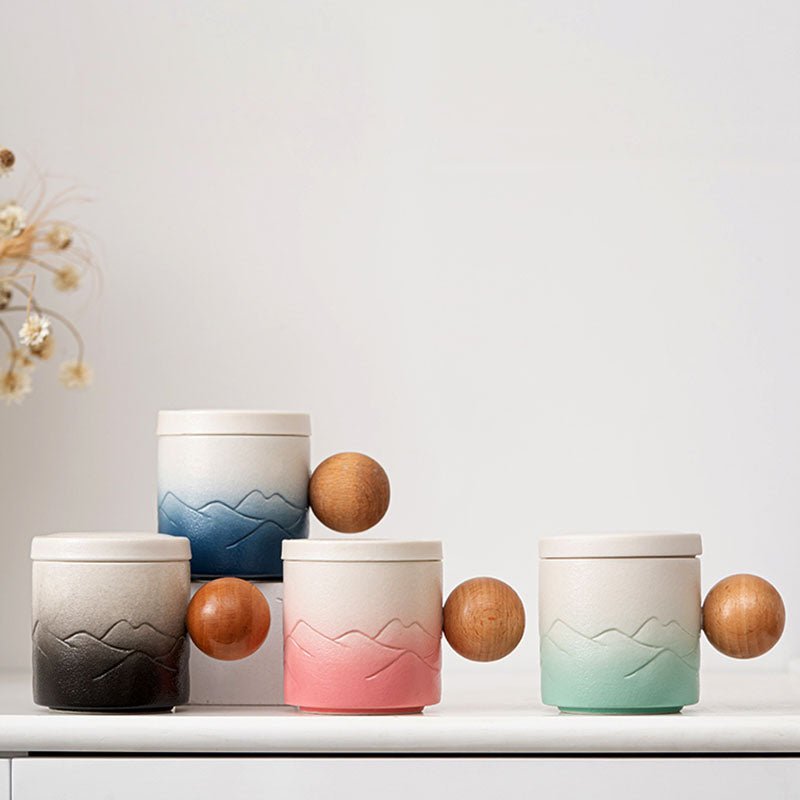
Best Weed Coffee Mug Picks for Daily Use, Gifting, and Display
A weed coffee mug should do more than signal the theme. The better picks balance size, handle comfort, print style, and easy care so the mug works on a real kitchen counter or office desk.
Подробнее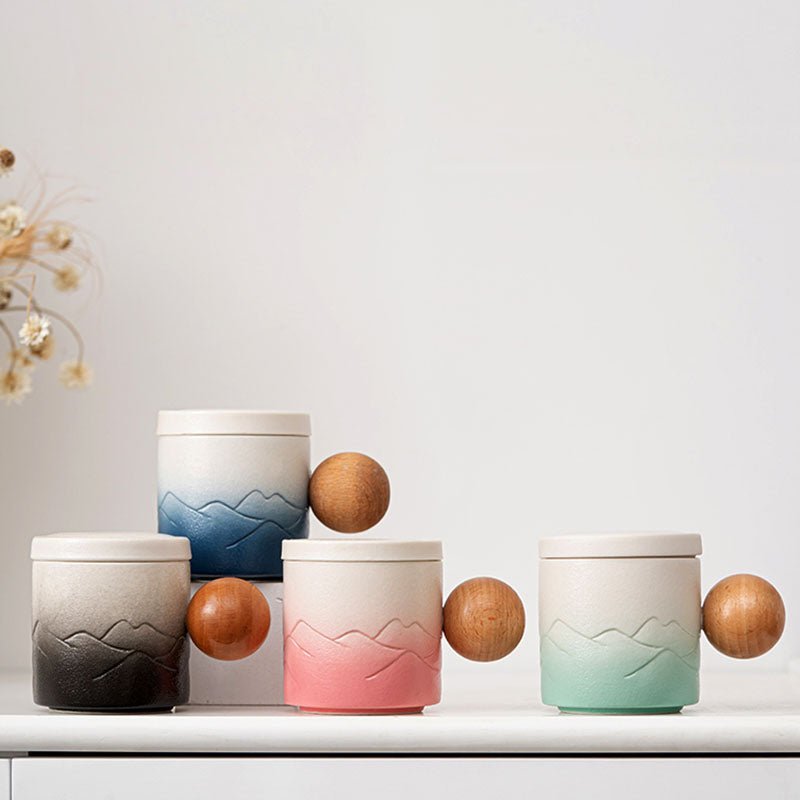
Scooby Doo Coffee Mug Buying Guide for Size, Material, and Gifts
A Scooby Doo coffee mug should be fun on the shelf and comfortable at the kitchen counter. We break down size, material, care, and the trade-offs to check before you buy.
Подробнее
Оставить комментарий
Этот веб-сайт защищается hCaptcha. Применяются Политика конфиденциальности и Условия использования hCaptcha.