
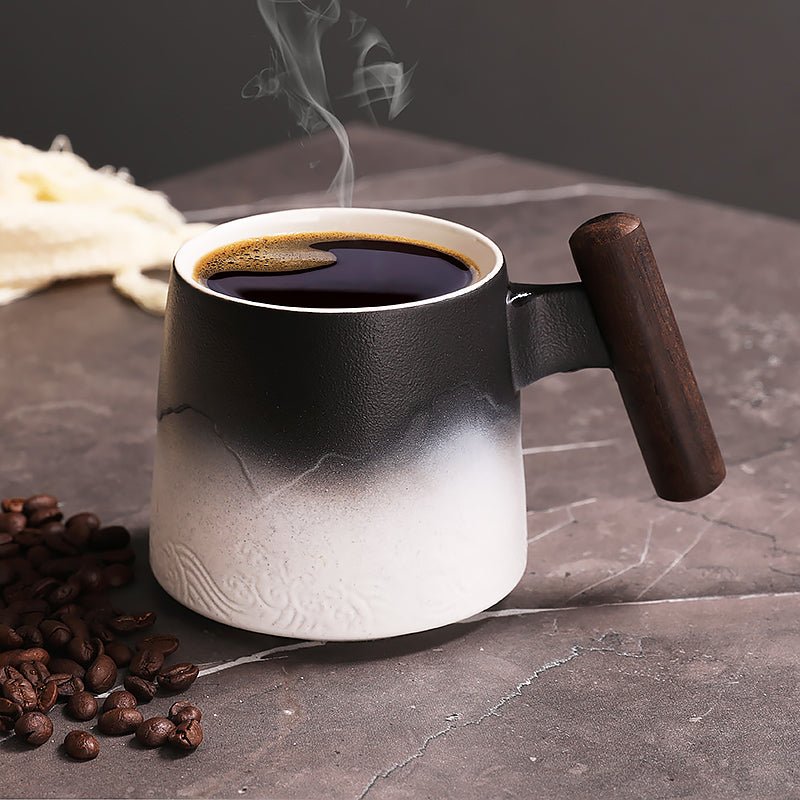
Ugly Mugs Coffee and Tea: How to Choose One You'll Actually Use
Reading time: about 9 minutes
A mug with a crooked handle, a speckled glaze, or a slightly lopsided lip can still be the first cup you reach for every morning. The trick is telling the difference between a mug that is quirky in a good way and one that will feel annoying after a week on the kitchen counter or office desk.
We see that split all the time in our store. Some shoppers want ugly mugs coffee and tea because they like the handmade look. Others are replacing a mug that was too pretty to use, too heavy to hold, or too awkward to sip from. The best choice is not the most polished one. It is the one that fits your hand, your drink size, and your cleanup routine.
What makes an ugly mug worth buying for coffee and tea?
An ugly mug works when the oddness is visual, not functional. A rough glaze edge or an intentionally uneven silhouette can give a mug personality. A wobbly base, a handle that pinches your fingers, or a lip that feels sharp is a different story.
In practice, we look at three things first: how it feels to lift, how it pours when you sip, and whether the shape holds heat long enough for a normal morning drink. Coffee and tea behave differently, but both punish bad ergonomics. A wide-rimmed mug can cool tea too fast. A tiny handle can turn a full cup of coffee into a two-handed job.
That is why ugly mugs coffee and tea can be a smart buy for home kitchens, shared break rooms, and casual gifts. They are less useful if you want a matching set for a formal table, or if you stack mugs tightly in a shallow cabinet. If your storage is tight, or if you prefer a clean, uniform look, a more standard shape may suit you better.
Which material and finish hold up best?
Most buyers compare ceramic, stoneware, and occasional earthenware styles. The material matters as much as the look. A mug that feels rustic on day one can show wear differently after a few dishwasher cycles.
| Material | What we notice in daily use | Main trade-off |
|---|---|---|
| Ceramic | Usually smooth, easy to rinse, and comfortable for coffee or tea at a desk | Can chip at the rim if it is banged against a sink or crowded shelf |
| Stoneware | Often a bit heavier, with a solid feel and good heat retention for longer sipping | That weight is not ideal if you like a light mug or have wrist pain |
| Earthenware | Can have a handmade, earthy look that fits the ugly-mug style well | May be more prone to surface wear or fine crazing over time |
Finish matters too. Glossy glaze tends to wipe clean faster. Matte glaze can look distinctive, but it may show tea stains more easily, especially with strong black tea or dark roast coffee. If you want a mug that stays visually tidy with less effort, a smoother glazed surface is the safer option.
We also pay attention to common defect modes that separate charm from trouble: pinholes in the glaze, rough spots on the rim, an uneven foot ring that makes the mug rock, or a handle seam that feels sharp where your fingers rest. Those are the details that can turn a cute mug into an annoying one.
If you want to compare the broader range we carry, start with our products page, then check the full collection if you want to compare styles side by side.
What size should you buy for your drink habit?
Size is where a lot of buyers get the surprise. A mug that looks right on a product photo can feel too small for a morning pour-over or too big for an afternoon tea. We usually tell shoppers to start with how much they actually drink, not the biggest cup that looks impressive.
For a more exact breakdown, our size guides on 12 oz Coffee Mugs: What to Check Before You Buy, 16 oz Coffee Mugs: What to Check Before You Buy, and 20 Ounce Coffee Mugs: What Buyers Should Check Before Ordering are worth reading before you commit. If you are deciding between standard and oversized, our buyer’s guide to large capacity coffee mugs covers the trade-offs in more detail.
- 12 oz: good for a standard drip coffee or a smaller tea pour, and it is easier to hold if you prefer a lighter mug.
- 16 oz: a practical middle ground for people who want a fuller cup without moving into oversized territory.
- 20 oz: better for long work sessions, big coffee refills, or tea drinkers who like room for milk or extra water.
There is a real trade-off here. Larger mugs stay useful longer in the morning, but they can feel bulky, especially if the handle is small or the wall is thick. Smaller mugs are easier to handle and store, but they may not fit the way you actually drink coffee or tea.
Which flaws are charming and which are deal-breakers?
Not every odd detail deserves the label “ugly” in a good way. Some flaws are part of the design language. Others are signs that the mug will be frustrating.
Charming details usually include an irregular glaze pattern, a hand-formed look, or a slightly asymmetrical body that still sits flat. Deal-breakers usually include a base that rocks, a handle that forces your knuckles into the mug wall, a lip that feels rough against the mouth, or a finish that looks decorative but sheds glaze lines too easily.
In our experience, the best ugly mugs coffee and tea balance personality with comfort. That means you can accept visual imperfections as long as the mug is stable on a desk, comfortable in the hand, and easy to clean after both coffee and tea.
A good test is simple: imagine finishing a full cup, carrying it one-handed to the sink, and stacking it back in the cabinet. If the shape makes that routine feel awkward, the mug may be more novelty than everyday tool.
How do these mugs behave on a real kitchen counter or office desk?
This is the part buyers often skip, and it matters most. A mug lives in real spaces: crowded sinks, office microwaves, shared dishwashers, and desks with limited surface area. An odd shape that photographs well can become annoying if it is too wide for a cup holder or too tall for a shelf.
We look for three practical traits. First, a handle with enough clearance for two or three fingers without scraping the mug body. Second, a base that sits flat and does not wobble on a laminate desk or tiled counter. Third, a rim that feels smooth during repeated sips, because that is where you notice finish quality fastest.
For office use, a mug with a stable footprint is usually better than one with a dramatic silhouette. For a home kitchen, a heavier stoneware cup can be nice if you like that grounded feel. For tea drinkers who refill often, a shape that is easy to rinse matters more than decorative texture on the outside.
Ugly mugs are not ideal for every setting. If you need a travel mug that seals, or you want a piece for formal entertaining, this is probably the wrong category. If you want a relaxed mug that makes a kitchen shelf feel less sterile, it fits the brief well.
How should you care for one so it lasts?
Care is straightforward, but a few habits make a difference. Most glazed ceramic and stoneware mugs do well with everyday washing, but rough handling is what causes chips, not regular use alone. A soft sponge is better than a harsh scrubber, especially on matte or printed surfaces.
We also recommend paying attention to temperature swings. Do not move a cold mug straight into very hot water if you can avoid it, and do not set a scorching mug on a cold stone counter if the material is especially thick or glazed unevenly. That kind of stress is where fine cracks and glaze wear can start.
- Rinse coffee and tea residue soon after use if you want to keep staining light.
- Use the top rack in the dishwasher if the mug is dishwasher safe and has no delicate trim.
- Avoid the microwave if the mug has metallic accents or any decorative elements that are not meant for heat.
- Dry the handle area and the base if you store mugs tightly, since trapped moisture can make shelf scuffs worse.
If a mug has a handmade look, some unevenness is part of the appeal. Still, you should not have to excuse rough use every time you wash it. The best ones keep their character without becoming high-maintenance.
Are ugly mugs a good gift for coffee and tea drinkers?
They can be, but only for the right person. A gift mug works best when the recipient likes playful, rustic, or offbeat design and will actually use it at home or at work. For someone who prefers matching kitchenware, a mug with a deliberately strange silhouette may miss the mark.
The easiest gift wins are mugs that look unusual but feel easy to hold, easy to clean, and easy to leave on a desk all day. If you are choosing for a tea drinker, consider a shape with room for the tea bag or infuser. If you are choosing for a coffee drinker, look for a mug that is comfortable with a fuller pour and does not taper so sharply that it becomes awkward to sip from.
For shoppers comparing styles before buying, our broader catalog on all mugs makes it easier to compare gift options without guessing from a single photo.
Frequently asked questions
Are ugly mugs coffee and tea friendly for everyday use?
Yes, if the mug has a smooth rim, a stable base, and a handle that fits your hand. The look can be unconventional and still be perfectly practical. We would avoid anything that wobbles, pinches, or feels rough at the mouth.
Do ugly mugs stain more easily than regular mugs?
Not necessarily, but matte finishes and textured glazes can show coffee and tea marks faster than glossy ones. Dark roast coffee and strong black tea are the usual culprits. A quick rinse after use helps keep the surface looking cleaner.
What size ugly mug is best for tea?
For most tea drinkers, 12 oz or 16 oz is the easiest range to live with. Smaller cups keep tea warm enough to finish without rushing, while still leaving space for milk or an infuser. If you like large refills, then a bigger mug can make sense.
Can I put an ugly ceramic mug in the dishwasher?
Many glazed ceramic mugs are dishwasher friendly, but you should check the individual product details. If the mug has metallic trim, fragile print, or a special finish, hand washing is the safer route. Even dishwasher-safe mugs last longer if they are not packed tightly with heavier dishes.
Are ugly mugs a bad choice for gifts?
Only if the person wants a polished, matching set. For someone who enjoys character pieces, an ugly mug can be a better gift because it feels less generic. The safest choice is a mug that is odd in appearance but ordinary in daily use.
If you are choosing one now, use this checklist: check the handle, confirm the size, inspect the rim, and decide whether you want a glossy finish or a more textured look. Then compare the options in our products page, or browse the full collection if you want to narrow it down by shape and style.
More from our blog
Read more
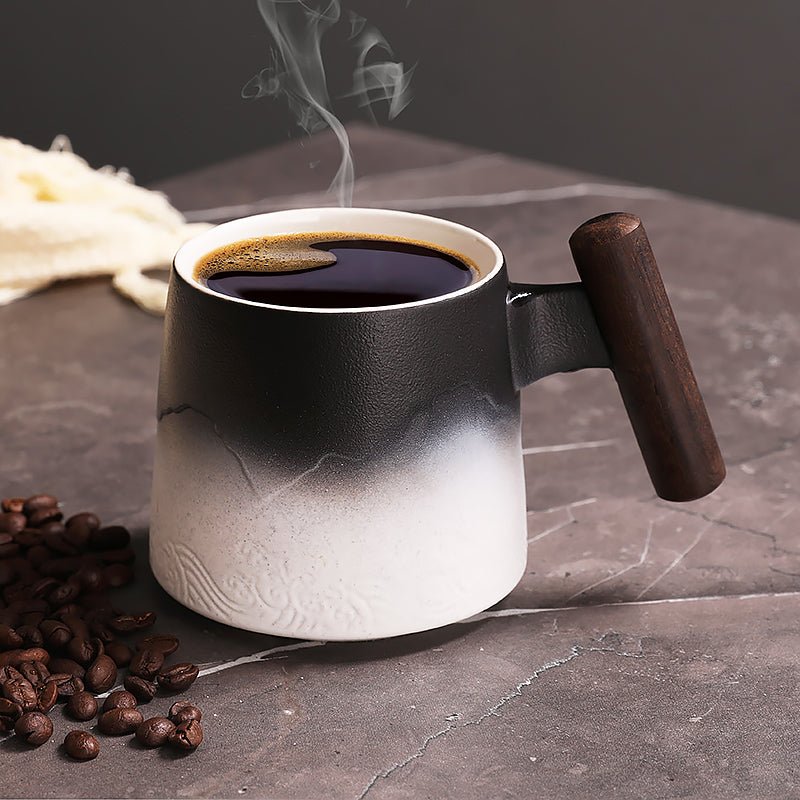
Self Heating Coffee Mug: What Buyers Should Check Before Buying
A practical buyer’s guide to self heating coffee mugs, with the trade-offs that matter on a desk, at home, or as a gift. We cover materials, battery and charging realities, and what separates a use...
Czytaj dalej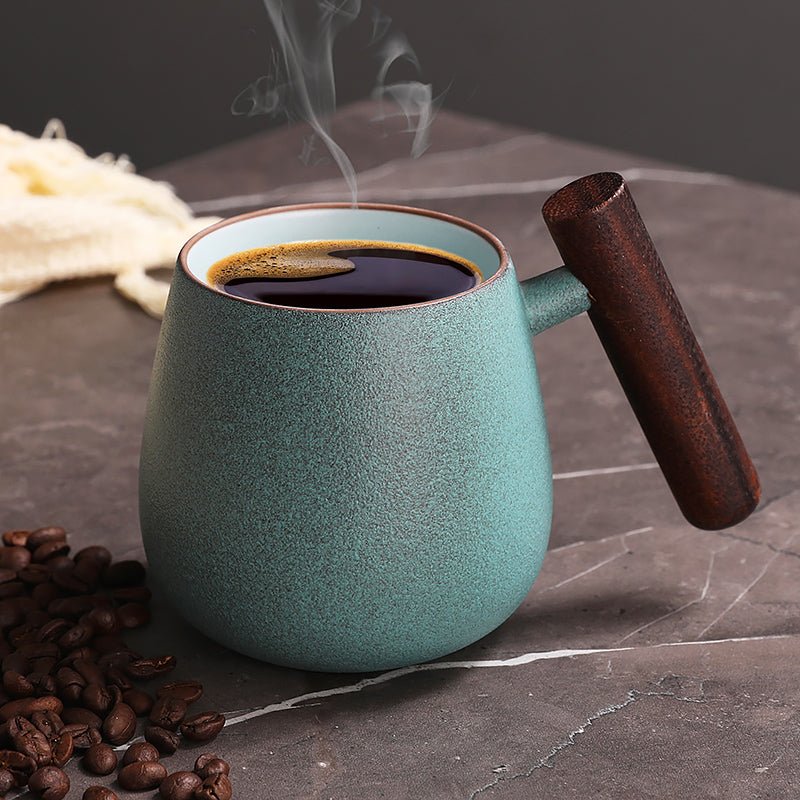
Mug to Go Coffee: What to Check Before You Buy a Travel Mug
A mug to go coffee purchase looks simple until you deal with lid leaks, awkward cup holders, or a mug that ruins the last sip. Here’s how we compare materials, lids, sizes, and daily-use trade-offs...
Czytaj dalej
Zostaw komentarz
Ta strona jest chroniona przez hCaptcha i obowiązują na niej Polityka prywatności i Warunki korzystania z usługi serwisu hCaptcha.