
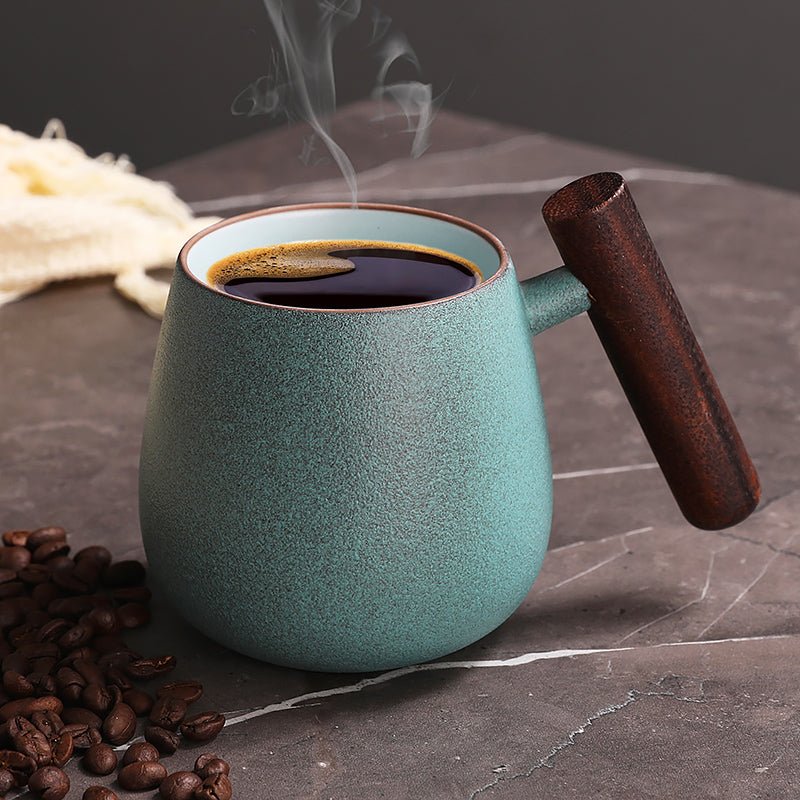
Mug to Go Coffee: What to Check Before You Buy a Travel Mug
Reading time: about 9 minutes
What goes wrong with a mug to go coffee in real life?
A mug to go coffee sounds straightforward until it lives in a real bag, a moving car, or a crowded office desk. That’s where the small problems show up: a lid that drips when you tilt it, a body that gets too hot to hold, or a size that fits your coffee machine but not your cup holder.
In our experience, most buyers are not comparing every travel mug on the market. They’re trying to avoid the common letdowns. They want a mug that closes properly, is easy to clean after a rushed morning, and does not make the last few sips taste stale or metallic.
If you’re still deciding between everyday options, our Coffee Go Mug Buying Guide: What to Check Before You Order breaks down the basics, while our Go Coffee Mugs: How to Choose the Right Travel Mug for Daily Use goes deeper on daily carry habits.
What material works best for a mug to go coffee?
The material affects how the mug feels in the hand, how it behaves in the dishwasher, and whether it keeps coffee tasting clean. The most common options are stainless steel, ceramic, glass, and plastic-lid combinations. Each one has a real trade-off.
Stainless steel is the most common choice for commuting because it handles knocks, bag storage, and repeated use better than fragile materials. Double-walled stainless steel also tends to be better for heat retention. The downside is that some versions can feel bulky, and the interior should be smooth and easy to rinse so old coffee does not linger.
Ceramic-lined or ceramic travel mugs are popular with people who dislike a metallic aftertaste. They are usually best for desk use, car-to-office routines, or short trips. The trade-off is fragility. If you drop one on tile, the day may be over.
Plastic components usually show up in lids, sliders, and seals. That is normal. What matters is whether the lid is secure and easy to disassemble for washing. A lid with too many tight corners can trap coffee oils and turn into a cleanup chore.
| Material | Best for | Trade-off |
|---|---|---|
| Stainless steel | Commutes, bag carry, longer heat retention | Can be bulky; lid quality matters a lot |
| Ceramic | Desk use, taste-first buyers | Less forgiving if dropped |
| Plastic-lid designs | Lightweight everyday carry | More parts to clean; seal quality varies |
If you want to compare our current options, start with the full collection of CoffeifyMug drinkware and mugs and look at the material notes before choosing.
Which lid style prevents spills without being annoying to use?
The lid is usually where a mug to go coffee either becomes a favorite or gets left in a cabinet. The right lid should close firmly, open with one hand if needed, and seal well enough for desk-to-car movement. It should also be simple to clean, because coffee residue builds up around small seals fast.
We usually tell shoppers to compare these lid types:
- Slide lid: Easy to sip from and quick to open, but the slide channel can trap residue if it is not easy to remove.
- Flip lid: Good for active use and one-handed drinking, though hinges and moving parts can wear faster than a simple cover.
- Press-on splash lid: Fine for short desk use, but not the best choice if you plan to toss the mug into a bag.
- Screw-on lid: Often the most secure option for travel, but it takes longer to open and close.
A lid that feels stiff on day one can still be fine if it seals well. The more serious issue is a lid that loosens after a few washes or starts dripping at the drinking edge. That is the kind of defect mode we watch for in this category.
Our practical rule: if the lid cannot be taken apart for cleaning, it needs to be very simple. If it has a gasket, check whether that seal can be removed and re-seated without hassle.
If your priority is spill control, this is where a deeper read on our Best Coffee Mug: What Actually Matters for Daily Use article can help you compare what matters most versus what just sounds nice in a product listing.
What size should a mug to go coffee be for daily use?
Size is one of the easiest things to get wrong. A mug that is too small means you are refilling before the morning is over. One that is too large may not fit your machine, your cabinet, or your car cup holder.
We see the best fit usually come down to routine:
- 8 oz works well if you drink smaller servings, make espresso-based drinks, or want something compact for a desk.
- 12 oz to 16 oz is the most practical middle ground for many commuters and office users.
- 20 oz suits longer commutes, heavier coffee drinkers, or people who want one mug to cover part of the morning and part of the workday.
If you are deciding between a compact mug and a larger commuter mug, our 8 oz Coffee Mug: What to Check Before You Buy and 20 oz Coffee Mug: What to Check Before You Buy give a useful side-by-side perspective.
One trade-off we always mention: a larger mug can be more convenient, but it is often heavier when full and may not fit under low kitchen cabinets or in tighter car holders. Smaller mugs are easier to stash and wash, but they will not suit someone who drinks coffee all morning.
How do you tell if a mug is actually easy to clean?
Cleaning is where a lot of travel mugs disappoint. A mug to go coffee might look sleek on the shelf, but if the lid has hidden creases, a narrow neck, or a stubborn silicone gasket, you will feel that inconvenience after a few days.
Here is what we check in our store before recommending a mug:
- Wide enough opening: A wider mouth is easier to rinse, especially after milk-based drinks.
- Simple lid parts: Fewer tiny components usually means faster cleanup and less odor buildup.
- Dishwasher-safe claims that are clear: If a brand says the lid or body is dishwasher safe, check whether that applies to the whole item or only certain parts.
- Stain-prone surfaces: Matte finishes and some lighter interiors can show coffee marks sooner.
We have seen real-world cleanup problems show up after office use, not just home use. A mug that sits in a desk drawer with a half-finished latte can develop smells quickly if the lid is hard to remove. That is not a defect in coffee itself; it is a design problem.
If you want a broader view of what makes a mug worth keeping on your desk every day, Awesome Coffee Mugs: How to Choose a Mug You’ll Actually Use covers the practical side of ownership, not just the look.
Which mug to go coffee is better for commuting, office use, or home?
Not every buyer needs the same kind of mug. A good commuter mug is not always the best desk mug, and a nice kitchen mug is not always secure enough for a backpack. We prefer matching the mug to the route it takes during the day.
| Use case | Best features | What to avoid |
|---|---|---|
| Car commute | Secure lid, cup-holder-friendly base, insulated body | Wide handles and tall shapes that tip easily |
| Office desk | Easy-open lid, stable base, good taste with repeated sipping | Overly complex seals that are hard to clean at work |
| Home use | Comfortable grip, simple cleaning, good heat retention | Overbuilt travel features you do not need |
For gift buyers, we also see a separate concern: presentation. An unboxing should feel clean and useful, not overdesigned. If you are buying for someone else, think about their routine first. A commuter who takes early calls in the car wants something different from a coworker who drinks slowly at a standing desk.
Our own advice is simple. Buy the mug for the way it will be used most often, not for the most extreme situation it might face once a month.
What should you check before placing the order?
If you are ready to buy a mug to go coffee, use a short checklist before you click checkout. It saves time and usually prevents returns.
- Does the size fit your daily coffee amount? Compare it against the amount you actually drink, not the amount you wish you drank.
- Will it fit your cup holder or bag? A great mug that does not travel well is still a poor travel mug.
- Is the lid simple enough to wash every day? Complicated lids often get used less.
- Does the material match your taste preference? Some buyers care a lot about the feel of stainless steel versus ceramic.
- Is it meant for hot coffee, iced coffee, or both? A mug can handle one better than the other.
That last point matters. A mug built mainly for hot coffee may not be ideal for long iced coffee sessions if condensation control or lid design is weak. Likewise, a mug that is perfect for a desk may not be the right pick if you are commuting on rough roads every morning.
If you are comparing across styles, browse our products page and use the practical checks above before choosing. That is the fastest way to narrow the field without getting distracted by features you will never use.
Frequently asked questions
What is the best mug to go coffee for a car commute?
The best choice usually has a secure screw-on or well-sealing flip lid, a stable base, and a shape that fits standard cup holders. If you drive on rough roads, avoid lids that rely on a loose press fit. The goal is simple: one-handed use without spills.
Is stainless steel better than ceramic for a mug to go coffee?
Stainless steel is usually better for commuting because it handles bumps and holds heat longer. Ceramic is often better if taste is your top priority and the mug will stay on a desk or kitchen counter. Ceramic is not the best option for bags or crowded transit.
Can I put a mug to go coffee in the dishwasher?
Some mugs are dishwasher safe, but not all lids and seals are built the same. We recommend checking whether the body, lid, and gasket are all dishwasher safe, not just the main cup. If the lid has multiple moving parts, hand washing may still be the safer choice.
What size mug should I choose if I drink coffee all morning?
A 16 oz or 20 oz mug is usually the more practical pick for all-morning drinking. Smaller mugs are easier to carry, but they may need refilling too soon. If your routine includes long meetings or a commute, a larger size is often easier to live with.
Why does my travel mug sometimes make coffee taste metallic?
That can happen with some stainless steel interiors, especially if the mug is not cleaned well or if the finish is lower quality. A smoother interior and regular washing usually help. If you are very sensitive to taste, a ceramic-lined option may suit you better.
Before you buy, compare your top two options against a simple checklist: lid security, cleaning effort, size, and where you will actually use it. If you want to browse by style, start with the full CoffeifyMug collection and then choose the mug that fits your real routine, not just the photos.
More from our blog
Read more
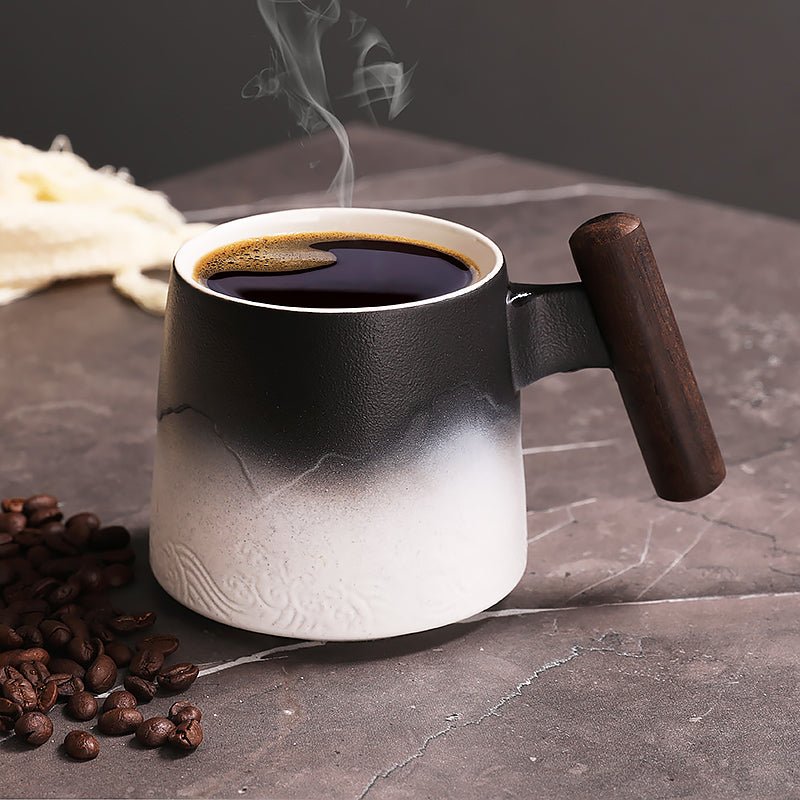
Ugly Mugs Coffee and Tea: How to Choose One You'll Actually Use
A practical buyer’s guide to ugly mugs coffee and tea, covering size, material, glaze quality, and the flaws that are charming versus the ones that are a problem.
Czytaj dalej
Insulated Travel Coffee Mugs: How to Choose the Right One
Practical buying guidance for insulated travel coffee mugs, with real trade-offs on heat retention, lid style, size, and daily use. Built for shoppers comparing options before they buy.
Czytaj dalej
Zostaw komentarz
Ta strona jest chroniona przez hCaptcha i obowiązują na niej Polityka prywatności i Warunki korzystania z usługi serwisu hCaptcha.