
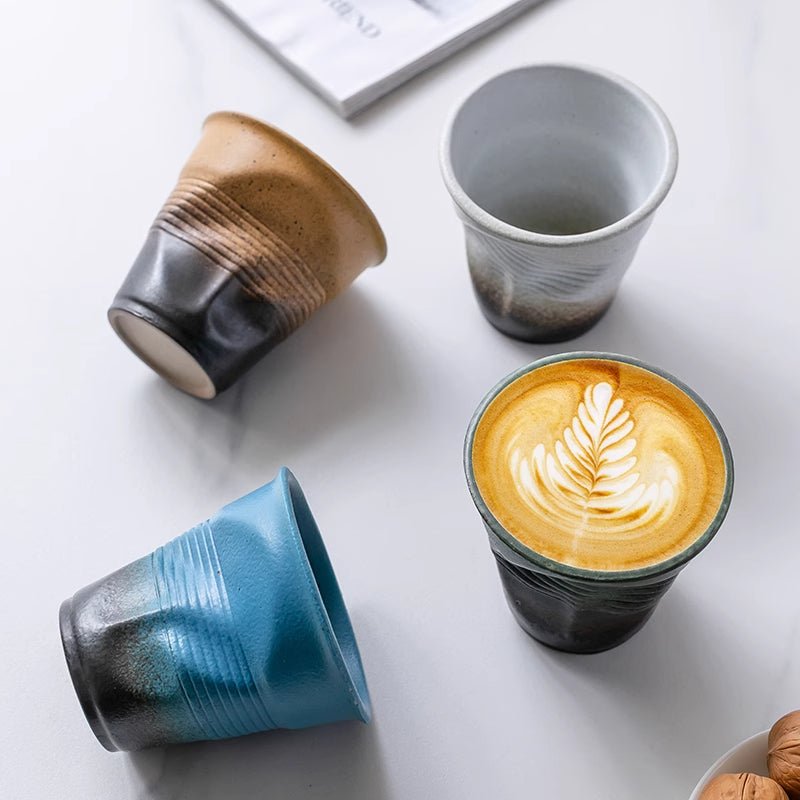
Tea Mug Buying Guide: How to Choose the Right Cup for Daily Tea
Reading time: about 9 minutes
A mug that looks fine online can feel wrong the first time you pour tea into it. The rim feels too thick, the handle pinches two fingers, or the cup is so wide that the tea cools before the second sip.
That is the gap we try to close in our store. In our experience, people are rarely shopping for just a container. They want a tea mug that feels steady on a desk, survives dishwasher cycles, and fits the way they actually drink tea at home or at work. If you want the deeper comparison first, our Tea Mug Buying Guide: Best Materials, Sizes, and Everyday Use covers the basics from another angle.
If you are comparing options right now, start with the mug's material, capacity, and handle shape. Those three details decide most of the daily experience.
What makes a tea mug worth buying for everyday use?
A good tea mug should disappear into the routine. You should be able to grip it comfortably when it is hot, set it down on a crowded counter without worrying about wobble, and rinse or wash it without babying it.
We look at tea mugs the same way a shopper does at the kitchen sink, office desk, or gift table. A mug can photograph well and still be awkward in real life. The biggest difference usually comes down to three things: heat feel, balance, and hand comfort.
- Heat feel: Some mugs hold warmth well but get heavy. Others feel lighter but cool faster.
- Balance: A wide base helps on a desk or nightstand, especially if the mug is full.
- Hand comfort: The handle should fit at least two fingers without pressing knuckles into the mug wall.
A tea mug is not the best choice for everyone. If you want something that keeps tea hot through a long commute, a travel tumbler or insulated cup is a better fit. If you only drink very large pours, a standard tea mug may feel too small. And if you care most about presentation for loose-leaf tea, a teacup or glass cup may suit you better than a heavier mug.
Choose the mug you can hold comfortably when it is hot, not the one that only looks good in a product photo.
Which material is best for a tea mug?
Material changes more than appearance. It affects weight, heat retention, chip resistance, and how the mug feels after months of use. That is why we never treat "mug" as one category with one answer.
| Material | What it does well | Trade-offs | Best for |
|---|---|---|---|
| Ceramic | Balanced weight, everyday comfort, easy to find in many styles | Can craze or chip if it takes a hard hit or sudden temperature change | Most daily tea drinkers |
| Porcelain | Lighter feel, thinner walls, refined drinking edge | Usually more delicate at the rim and handle | People who like a cleaner, lighter sip |
| Stoneware | Heavier body, good heat retention, sturdy feel in hand | Bulkier and sometimes a little too thick for smaller hands | Home use, long tea breaks, cold kitchens |
| Glass | Lets you see tea color, good for herbal blends and layered drinks | Shows water spots and can feel hot without a double wall | Visual tea drinkers and herbal tea fans |
| Stainless steel | Tough, travel-friendly, strong for insulation | Usually less appealing for desk use and not our first pick for flavor-focused tea drinking | Commutes and outdoor use |
If you want the most forgiving all-around option, ceramic is usually the safest place to start. Porcelain feels more refined but is not the best choice if the mug will live in a shared office kitchen. Stoneware is a strong pick if you want a solid, substantial mug that feels anchored on the table.
We also inspect for common defect modes that shoppers often miss until after unboxing: glaze pinholes, uneven rims, rough foot rings, and hairline cracks near the handle join. Those details matter because they affect comfort and long-term durability, not just appearance.
If you want to compare how cup size changes the drinking experience across our broader category notes, the article Mug and Tea: How to Choose the Right Cup for Everyday Use is a useful companion read.
What size and shape should you choose for tea?
Most buyers do best with a mug that matches the way they drink tea, not the way they imagine they might drink tea. A small cup works if you want tea to stay hotter and you pour fresh often. A larger mug is better if you like a longer session, milk, honey, or a second tea bag.
As a practical starting point, think in three ranges:
- Smaller mugs: Good for strong black tea, short breaks, and people who refill often.
- Mid-size mugs: The easiest all-around choice for daily use, especially if you add milk or sweetener.
- Large mugs: Useful if you want a generous pour, but they can feel heavy and let tea cool faster.
Shape matters just as much as capacity. A narrower opening helps hold heat longer. A wider bowl gives tea more surface area, which can be nice for aroma but less ideal if you sip slowly. A straight-sided mug often feels simpler and more stable on a desk. A tapered mug can look elegant, but if the base is too small, it may feel less secure near a laptop or notebook.
If you are comparing capacity labels, our size guides for coffee mugs translate well to tea mugs too. See 10 oz Coffee Mug: Size, Fit, and What to Check Before You Buy and 16 Ounce Coffee Mug Buyer’s Guide: Size, Material, and Fit for a closer look at what those numbers feel like in the hand.
One useful shortcut: if the mug looks right but feels oversized empty, it will probably feel even bigger once you pour tea into it. That sounds obvious, but it is the mistake we see most often during gift unboxings and first-time orders.
What details should you check before checkout?
The small details are what separate a mug you keep from a mug you relegate to the back of the cabinet. We pay attention to the parts shoppers can actually feel on day one.
- Handle clearance: Make sure your fingers fit without scraping the cup body.
- Rim thickness: A thinner rim often feels better for tea; a very thick rim can make sipping less pleasant.
- Base stability: The mug should sit flat, especially if you use it on a desk or near electronics.
- Finish durability: Glaze, print, and metallic accents should hold up to normal washing.
- Care label: Dishwasher and microwave safety are useful only if the decoration and construction truly support them.
Here is the trade-off: the prettiest mug is not always the most practical mug. A glossy, highly decorated finish may show scratches sooner. A matte surface can look great but may be more likely to show tea residue if it is light in color. A very thin mug can drink beautifully, but it may not be the best choice if you tend to bump cups around a busy kitchen.
If a mug has a lid or infuser, treat that as a bonus rather than a requirement. Those extras help some buyers, especially loose-leaf drinkers, but they add parts to clean and they are not necessary for everyday tea.
Our store focuses on mugs that hold up to real use: dishwasher cycles, office desks, crowded shelves, and the occasional clumsy sink landing. That is the standard we would want for our own kitchens.
Which tea mug fits your routine?
The best tea mug depends on where and how you drink. A mug that works at the kitchen table may not be the one you want beside a laptop or in a gift bag.
- For the desk: Pick a stable base, moderate size, and a handle that is easy to lift with one hand.
- For morning tea at home: Choose a material that feels good to hold and can handle your usual dishwasher routine.
- For gifting: A neutral shape and durable finish usually play better than a novelty silhouette.
- For herbal tea: Glass can be appealing if you want to see color and steeping, but ceramic still wins for most day-to-day use.
If you drink tea slowly, do not automatically choose the biggest mug. A large cup can be convenient, but it also spreads heat across more surface area. That means lukewarm tea sooner. If your priority is keeping the cup warm through a meeting, a smaller or more heat-retentive mug may be the smarter buy.
For shoppers building a matching set or comparing styles across our range, start with our product selection and then browse the broader collection to see what shape and finish fits your kitchen best.
Frequently asked questions
What is the best material for a tea mug?
For most people, ceramic is the most practical choice because it balances comfort, durability, and price without feeling too heavy. Porcelain is a good option if you want a lighter, thinner drinking edge, while stoneware is better if you prefer a sturdier, more substantial mug. If your priority is insulation or travel, a different cup style may fit better than a standard tea mug.
Is a 12 oz or 16 oz tea mug better?
It depends on how you drink tea. A 12 oz mug is usually easier to hold and keeps tea hotter for longer, while a 16 oz mug works better if you like a larger pour, milk, or a second bag in the same cup. If you are unsure, mid-size is usually the safer daily choice.
Can I put a tea mug in the dishwasher?
Often yes, but only if the mug is made and finished for dishwasher use. Glazed ceramic and stoneware usually handle normal washing well, while metallic accents, hand-painted details, or delicate prints may need more care. We always recommend checking the care label before you rely on the dishwasher.
Why does one tea mug feel better in the hand than another?
Handle shape, wall thickness, and balance all affect comfort. A mug can have the right capacity and still feel awkward if the handle is too small, the rim is too thick, or the base feels tippy. For daily use, comfort in the hand matters as much as the look of the mug.
Do I need a lid or infuser in a tea mug?
Not usually. A lid helps if you want to hold heat a little longer or keep dust out on a desk, and an infuser helps if you brew loose-leaf tea often. For most shoppers, though, a simple tea mug is easier to clean and more flexible for everyday use.
If you want the fastest path to a good pick, compare three things before you buy: handle clearance, capacity, and care instructions. Then choose the tea mug that fits your routine, not just your cart.
More from our blog
Read more
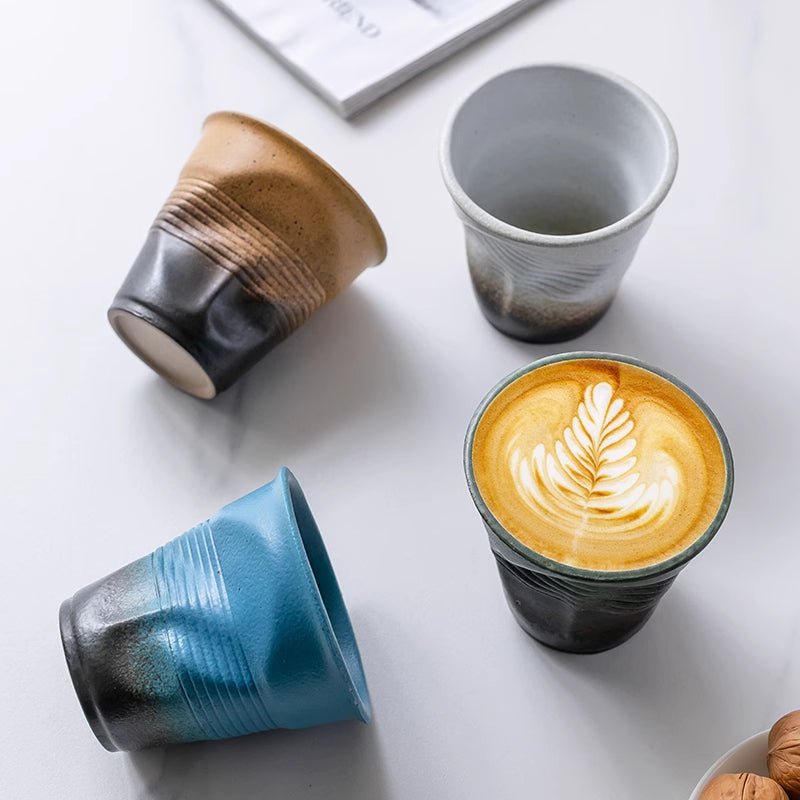
Fancy Coffee Cups: What to Check Before You Buy
Fancy coffee cups should feel polished in the hand and hold up to real daily use. We cover materials, sizes, care, and the details that matter before you buy.
Czytaj dalej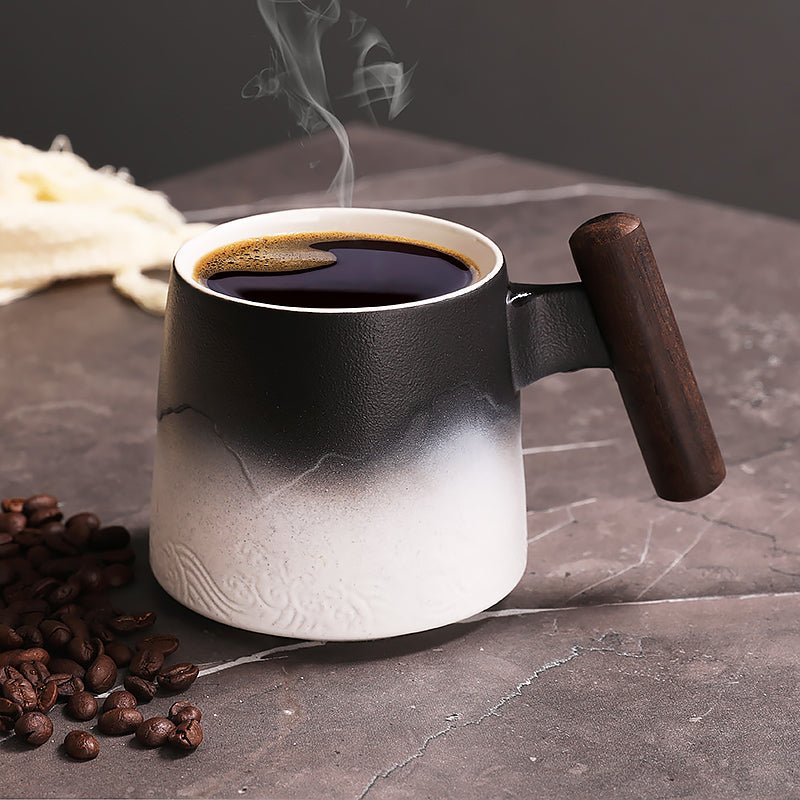
Beautiful Coffee Mugs: How to Choose One That Looks Good Every Day
Beautiful coffee mugs should look good on the shelf and still feel right in daily use. We break down the materials, sizes, handles, care steps, and finish details that matter before you buy.
Czytaj dalej
Zostaw komentarz
Ta strona jest chroniona przez hCaptcha i obowiązują na niej Polityka prywatności i Warunki korzystania z usługi serwisu hCaptcha.