
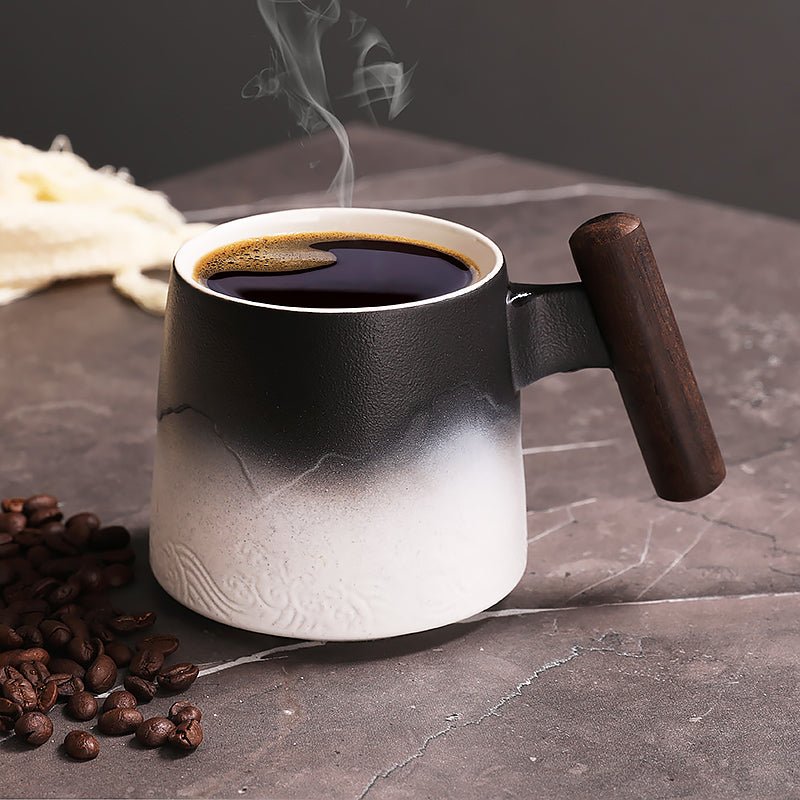
Mugs That Keep Coffee Hot: What to Buy and What to Avoid
Reading time: about 8 minutes
The coffee is hot for five minutes, then the mug steals the rest. We see that problem all the time in our store, especially from people who pour a full mug, get pulled into email or a morning commute, and come back to lukewarm coffee.
The good news is that mugs that keep coffee hot are not all the same. The material, wall thickness, lid fit, and even the size of the opening change how long your drink stays warm. If you want the practical version, this guide covers what actually matters before you buy. For a broader comparison, our guide on Best Coffee Mugs to Keep Coffee Hot: What Actually Works goes deeper into the category.
What actually keeps coffee hot in a mug?
Heat loss comes from four places: the mug walls, the open top, the base sitting on a cold surface, and the air sitting above the coffee. That is why a heavy ceramic mug can feel solid but still cool down faster than a double-wall insulated design. A lid slows the top loss, and double-wall construction slows the transfer through the mug itself.
In practice, the best heat retention usually comes from stainless steel with vacuum insulation. Ceramic can still work well for slower sipping at home, especially if it has a fitted lid or a thicker body. Thin glass and novelty mugs look good, but they are usually a poor fit if your main goal is a hot cup that stays that way for more than a short stretch.
| Material | Heat retention | Best use | Main trade-off |
|---|---|---|---|
| Double-wall stainless steel | Strong | Desk work, long mornings, commuting | Can change mouthfeel if the rim is narrow or the lid is bulky |
| Thick ceramic | Moderate | Home kitchen, slow sipping | Loses heat faster without a lid |
| Glass | Light | Visual presentation | Cools quickly and transfers more heat to the hand |
| Insulated tumbler-style mug | Very strong | Longest warm holding time | Less like a classic mug, more like a utility cup |
Which mug style fits your routine best?
The right choice depends on how you actually drink coffee. We handle a lot of gift orders and office picks, and the patterns are consistent.
- For a desk setup: Choose a mug with a stable base, a comfortable handle, and a lid that stays put when you move from meeting to meeting.
- For home use: A ceramic mug with thicker walls can be enough if you finish coffee in one sitting and want a more traditional feel.
- For commuting: A travel-style insulated mug is usually better than an open cup. It is not the prettiest choice, but it does the job.
- For gifts: Many shoppers want looks and function together. That is where shape, color, and finish matter as much as insulation. If that is your angle, our article on Beautiful Coffee Mugs: How to Choose One That Looks Good Every Day is a useful companion read.
If you want a mug that also gets laughs at the office, style choices matter even more. A novelty mug can be a fun gift, but it is usually not the best pick if the main goal is hot coffee over time. We cover that trade-off in Amusing Coffee Mugs: How to Choose One That Gets Used.
What details matter more than the logo on the side?
Branding gets attention. The small details decide performance. In our experience, these are the things shoppers miss most often:
- Lid fit: A loose lid leaks heat fast. If there is a sip opening, check that it closes cleanly and does not wobble.
- Wall construction: Double-wall or vacuum-insulated bodies hold heat better than a single wall, especially on cold desks and stone counters.
- Mug size: A 12 oz mug may cool differently than a 16 oz one because the coffee-to-air ratio changes. Smaller can mean less exposed surface, but it also means a shorter pour.
- Rim shape: A thinner rim can feel better to drink from, while a thicker or lidded rim can hold heat longer.
- Handle comfort: If you prefer a true mug over a tumbler, the handle should clear your fingers comfortably, especially if the cup is full.
Care matters too. A lot of insulated mugs lose performance because the lid gets coffee oils in the gasket or the vent starts to clog. That is not a manufacturing mystery. It is normal wear from daily use, and it is one reason we tell shoppers to think about cleaning before they buy.
Which mugs are not a good fit?
We try not to oversell this category. Some mugs are the wrong tool for the job.
- Thin novelty mugs: Good for shelves and gifts, weaker for heat retention.
- Oversized mugs filled halfway: Extra air above the coffee can speed cooling.
- Mugs with decorative lids that do not seal: Better than nothing, but not much better.
- Dishwasher-only convenience designs with fragile insulation: Fine for easy cleanup, but sometimes less durable at the seams if the build quality is poor.
If you drink coffee over a long work block, a travel mug or insulated tumbler may suit you better than a classic ceramic mug. If you care more about the look and feel of a real mug, then accept that you are trading some retention for comfort and presentation. That trade-off is real, and it is why no single style wins for everyone.
How do we choose mugs in our store?
We start with the way the mug is used, not just how it photographs. In our store, we look at whether a mug should live on a kitchen counter, beside a laptop, or in a gift box. That is the same lens we recommend to shoppers browsing our product selection or comparing the full range in our collection.
We also pay attention to a few basic checks that are easy to miss online:
- Does the mug sit flat without rocking?
- Does the handle clear an adult hand without pinching?
- Is the opening wide enough for easy cleaning with a sponge?
- Will the lid or finish survive normal dishwasher use, or does it need hand washing?
That last point matters. Some mugs are fine in the dishwasher, while others hold up better with hand washing, especially if they have a printed exterior, a gasketed lid, or a finish you want to keep looking sharp. If the mug is meant for daily office use, that difference can decide whether it gets used or left in a cabinet.
How should you care for a mug that keeps coffee hot?
The easiest way to improve heat retention is not fancy equipment. It is routine. Preheat the mug with hot water before pouring coffee, especially for ceramic or stoneware. Empty the rinse water, then pour fresh coffee immediately so the cup is not starting from cold.
For insulated mugs, wash the lid soon after use. Coffee residue around the seal can create odors and weaken the fit over time. If the mug has a narrow opening, use a bottle brush or a soft sponge that reaches the base without scraping the finish. If the manufacturer says hand wash only, take that seriously. Heat retention is only useful if the mug still looks and seals well after repeated use.
For anyone comparing options in a more focused way, our article on Best mug to keep coffee hot: what to buy and what actually matters is the most direct buying guide in the cluster.
Frequently asked questions
What kind of mug keeps coffee hot the longest?
Double-wall vacuum-insulated stainless steel usually holds heat the longest. It is the strongest choice for slow drinkers, office use, and commutes. The main trade-off is that it feels less like a traditional ceramic mug.
Do ceramic mugs keep coffee hot well enough?
Yes, if you drink coffee fairly quickly. Thicker ceramic holds heat better than thin ceramic, but it still cools faster than insulated metal. A lid helps a lot if you want to extend the drinking window.
Is a mug with a lid better for hot coffee?
Usually, yes. A lid reduces heat loss from the top and helps protect the coffee from cooling drafts on a desk or counter. A loose lid, though, does not help much, so fit matters more than the presence of a lid alone.
What size mug is best for keeping coffee hot?
A smaller mug often stays drinkable a little longer because there is less surface area exposed to air, but it also holds less coffee. For most shoppers, 12 oz is a practical everyday size, while 16 oz is better if you want a larger pour and accept a little more heat loss.
Are travel mugs better than coffee mugs for heat retention?
Yes, if heat retention is the only goal. Travel mugs are built for sealing and insulation, so they usually outperform open-top coffee mugs. If you want the feel of a classic mug at home, though, a travel mug may be more functional than enjoyable.
What should you check before you buy?
If you want mugs that keep coffee hot and not just mugs that look good in a product photo, use a simple checklist:
- Pick the right material for your routine.
- Check whether the mug has a lid and how well it fits.
- Look at the capacity and think about how fast you finish coffee.
- Confirm the care instructions, especially for dishwasher use.
- Decide whether you care more about classic mug feel or maximum heat retention.
If you want to compare styles side by side, start with our full mug collection and choose based on how you actually drink coffee: at a desk, in the kitchen, or on the move. That is the fastest way to end up with a mug you will use every day, not one that just looks good on the shelf.
More from our blog
Read more
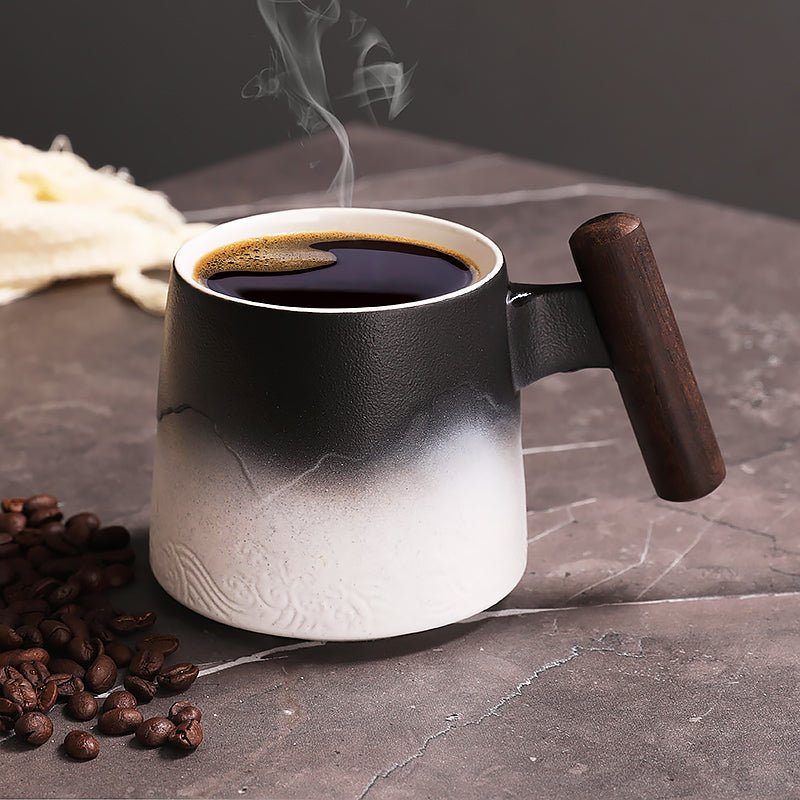
Coffee Mug Heater Buyer's Guide: Fit, Features, and What to Avoid
A coffee mug heater only works well when the mug base, material, and warmer surface match. We cover the setups that keep coffee drinkable longer, plus the cases where a mug warmer is the wrong buy.
Czytaj dalej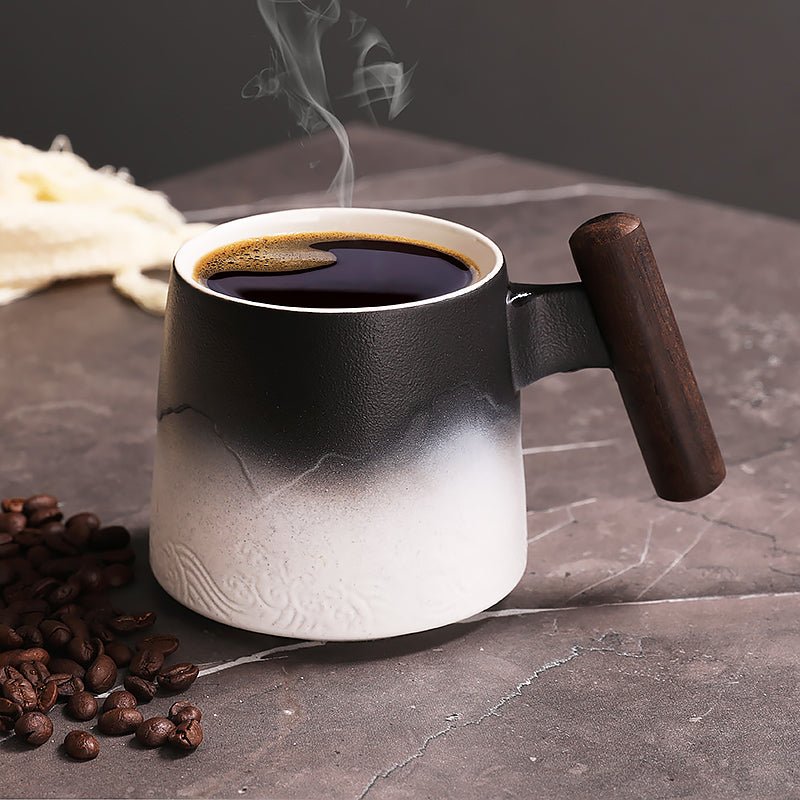
Blue Mug Coffee: What to Check Before You Buy
Blue mug coffee buyers should check size, material, handle comfort, and care before ordering. We break down the trade-offs so you can choose a mug that fits your routine.
Czytaj dalej
Zostaw komentarz
Ta strona jest chroniona przez hCaptcha i obowiązują na niej Polityka prywatności i Warunki korzystania z usługi serwisu hCaptcha.