
Macchiato Cup Shape and Handle Guide: Current Options
Reading time: about 9 minutes
A cup can look compact in a product photo and still feel unexpectedly large beside an espresso machine, or its handle can take up more cabinet space than the body itself. We see these practical mismatches most often after shoppers focus on style without checking capacity, visible shape, and handle form together. This macchiato cup shape and handle guide compares our current ceramic options using only details a buyer can verify: listed capacity, material, visible profile, and the dimensions shown on each product page.
The three current choices cover 170 ml, 200 ml, and 250 ml. Those numbers describe maximum listed capacity, not a required serving size. Macchiato proportions differ between cafes, machines, and home recipes, so the useful question is how much room you want around your usual coffee and milk rather than which cup follows a supposed universal standard.
Macchiato cup shape and handle guide: what changes in daily use?
Shape and handle design affect more than appearance. On a kitchen counter, the body determines how substantial the cup looks next to a compact espresso machine. In a cabinet, the handle can determine how closely several cups sit together. At an office desk, the handle opening and cup capacity influence how practical the cup feels among a keyboard, notebook, and water bottle.
These are the four variables we compare when handling cups in our store:
- Body profile: A retro outline, pleated exterior, or simpler rounded body creates a different visual fit even when all three cups remain in the compact coffee-cup range.
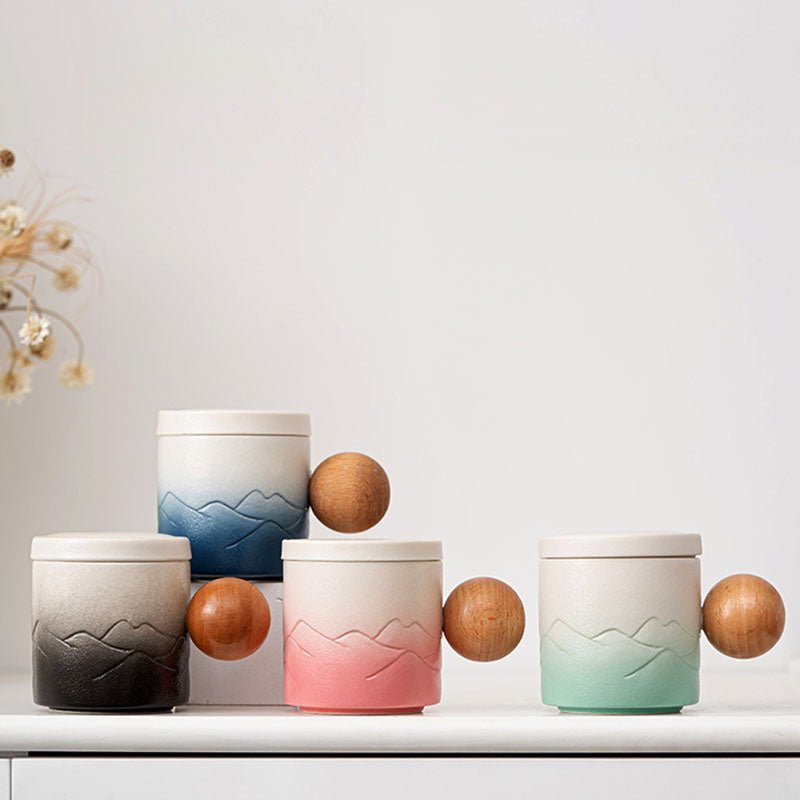
- Handle form: Look at the handle opening, its attachment points, and how far it extends from the cup. The 250 ml option makes its round ball handle a defining visual feature.
- Capacity and headroom: A larger listed capacity gives you more room above a small drink, but it also makes the beverage look smaller inside the cup.
- Current listed dimensions: Capacity does not reveal height, opening width, or total width with the handle. Check the live product page before ordering for a tight shelf, saucer, or espresso-machine area.
We do not treat one of these shapes as inherently easier to hold or better at retaining heat without comparative testing. Handle comfort is personal, and visible form alone cannot support that kind of performance claim.
How do 170 ml, 200 ml, and 250 ml compare for headroom?
The most useful capacity is usually the smallest one that accommodates your actual recipe without forcing you to carry a cup filled close to the rim. Extra space is practical for milk, foam, stirring, and the short walk from machine to table. Too much space is not harmful, but it can make a small macchiato look visually lost.
| Current option | Listed capacity | Visible design cue | Best starting point for | Main trade-off |
|---|---|---|---|---|
| Retro Coffee Tea Cup | 170 ml | Compact retro-style silhouette | Shoppers who want the smallest current capacity and a close visual fit for short drinks | Less headroom for larger milk additions or generous foam |
| Pleated Coffee Tea Cup | 200 ml | Visible pleated exterior | Buyers seeking a middle capacity with a more textured body | Not as compact as 170 ml and not as roomy as 250 ml |
| Ball Handled Coffee Tea Mug | 250 ml | Round ball-shaped handle | People who want more headroom or use more than one short coffee recipe | Larger than a traditional compact macchiato presentation |
Shoppers who want to compare these designs with the rest of our current assortment can browse the unique coffee mugs collection. Compare the photos and current listed dimensions at the same time; a milliliter figure alone does not tell you how the cup will occupy a shelf or feel visually on a saucer.
For a closer breakdown of volume rather than shape, our macchiato cup capacity guide for 170 ml, 200 ml, and 250 ml explains the practical spacing between the three sizes.
Which shape suits a kitchen counter, office desk, or gift?
For a compact home coffee setup: Start with the 170 ml Retro cup. Its smaller listed capacity is the closest match among these options for someone who mainly serves short drinks and wants to limit excess volume. Check its current height and total width against the available area near your machine before buying, especially if the cup must fit below a low shelf.
For a visible texture without moving to the largest size: The 200 ml Pleated cup is the middle option. The pleated exterior gives it a distinct profile in open shelving or a gift unboxing, while the capacity leaves more headroom than 170 ml. It fits a shopper who considers the smallest cup too restrictive but does not need 250 ml.
For an expressive handle and more flexible capacity: The 250 ml Ball Handled mug is the clearest choice. The round handle is part of the design rather than a detail that disappears into the silhouette, and the extra listed capacity provides room for longer variations. The trade-off is straightforward: it is the least compact option in this three-cup comparison.
For a gift, we usually suggest matching the cup to something observable about the recipient. Choose the Retro cup for someone with a compact espresso setup, the Pleated cup for someone who displays textured ceramics, or the Ball Handled mug for someone who prefers visibly unusual handles. A distinctive handle is not automatically comfortable for every hand, so avoid presenting its appearance as an ergonomic guarantee.
What dimensions and handle details should you verify before ordering?
We have handled enough ceramic drinkware to know that capacity is only one part of fit. Two cups with similar volume can differ in height, opening width, base footprint, and total width once the handle is included. Because product specifications can be updated, use the dimensions currently displayed on the individual listing rather than relying on an estimate from a styled photograph.
- Measure shelf clearance. Compare the listed cup height with the vertical space between cabinet shelves. Leave enough room to lift the cup without striking the shelf above.
- Check total width with the handle. This matters when cups will sit side by side or close to a wall. A prominent handle can use more lateral space than expected.
- Compare the base with your saucer or machine tray. Do not assume every compact cup will sit properly on an existing saucer or beneath every espresso machine.
- Look closely at the handle opening. Product photos can help you judge whether you are likely to use one finger, two fingers, or hold the cup partly around its body. That is a visual estimate, not a promise of grip comfort.
- Confirm the opening suits your routine. Consider how you add milk and whether you use a teaspoon. A visibly wider opening may offer easier access, but use current dimensions when the exact opening size matters.
If you are still deciding between volume, body profile, and general compactness, the broader compact ceramic macchiato cup buying guide covers those variables without assuming that every macchiato is prepared the same way.
How should ceramic cups be inspected and cared for?
All three options in this comparison are ceramic. Ceramic gives these cups their formed bodies and visible surface details, but it is not impact-proof. During unpacking, inspect the rim, base, handle attachment points, and glaze before use. A chip at the drinking rim, a visible crack, or movement where a handle meets the body warrants attention rather than continued use.
Care instructions should come from the current product listing. Do not assume a cup is suitable for a dishwasher, microwave, oven, or sudden temperature change unless that use is specifically stated. If dishwasher suitability is not listed, hand washing with a soft sponge and non-abrasive detergent is the conservative approach. Before placing any handled ceramic cup in a dishwasher cycle, make sure it cannot knock against plates or another mug.
On an office desk, set the cup on a stable, level surface away from the edge and charging cables. At home, avoid crowding handles together in the cabinet; ceramic-to-ceramic contact can chip edges if cups are pushed or lifted carelessly. These steps are basic, but they address the damage points we check first when evaluating handled drinkware.
Who should skip these compact macchiato cup options?
These cups are not designed to solve every coffee-serving need. A buyer who regularly prepares a large Americano, a tall iced drink, or a milk-heavy beverage may find even 250 ml restrictive. Ice occupies substantial space, so a compact ceramic cup is generally a poor match for drinks built over several cubes.
The 170 ml option is also not ideal if you routinely add milk without measuring and want a large buffer against spills. At the other end, the 250 ml mug may not satisfy someone seeking the tight proportions and visual presentation of a very small cafe-style cup. Buyers preparing longer drinks can compare larger volume ranges in our Americano coffee cup capacity guide.
None of these options should be chosen solely from the word “macchiato.” Recipes vary. Measure the drink you actually make, add the headroom you prefer, and then compare that total with the listed cup capacity.
A practical three-step choice between the current cups
- Choose the capacity band. Select 170 ml for the most compact current option, 200 ml for a middle ground, or 250 ml for the most headroom.
- Choose the visible form. Decide between a retro silhouette, a pleated exterior, and a prominent ball handle based on the surroundings and recipient.
- Verify physical fit. Open the relevant product listing and compare its current dimensions with your shelf, machine area, saucer, and neighboring cups.
That sequence keeps style in the decision without letting it obscure practical fit. In our experience, shoppers make a clearer choice once they separate required drink volume from optional headroom.
Frequently asked questions
Is 170 ml too large for a macchiato?
It depends on the recipe and how much empty space you accept around the drink. A 170 ml cup is the smallest current option in this comparison, but its listed capacity can still exceed the volume of a short macchiato. It suits buyers who want compact ceramic drinkware without requiring the cup to be filled.
Should I choose a 200 ml or 250 ml macchiato cup?
Choose 200 ml if you want a middle capacity and the visible pleated form. Choose 250 ml if extra headroom and the ball-shaped handle matter more than maintaining the smallest possible presentation. Measure your usual coffee and milk together before deciding.
Does handle shape make a macchiato cup easier to hold?
Handle form changes where your fingers can go, but appearance alone does not prove that one design is more comfortable. Review the product photos, handle opening, and current dimensions, then consider how you normally hold a small cup. The Ball Handled mug is the most visually distinctive handle option, not a universal ergonomic recommendation.
What does this macchiato cup shape and handle guide compare?
This macchiato cup shape and handle guide compares the verified 170 ml Retro, 200 ml Pleated, and 250 ml Ball Handled ceramic options. It focuses on capacity, practical headroom, visible body form, and handle design without making unsupported performance claims.
Where can I compare all three current styles before buying?
Start with the linked product pages to confirm the latest dimensions and care information, then view the current unique coffee mug collection to compare their shapes in the wider assortment. Use a final checklist of drink volume, desired headroom, total width with handle, shelf clearance, and visible style before placing your order.
Read more
Hot Cocoa Mug Shape and Handle Guide: 400 ml vs 480 ml
Compare The Rock, Gradient, and Flow by capacity, visible profile, handle form, listed dimensions, and everyday placement. This guide also explains which details need checking on the live product p...
Czytaj dalej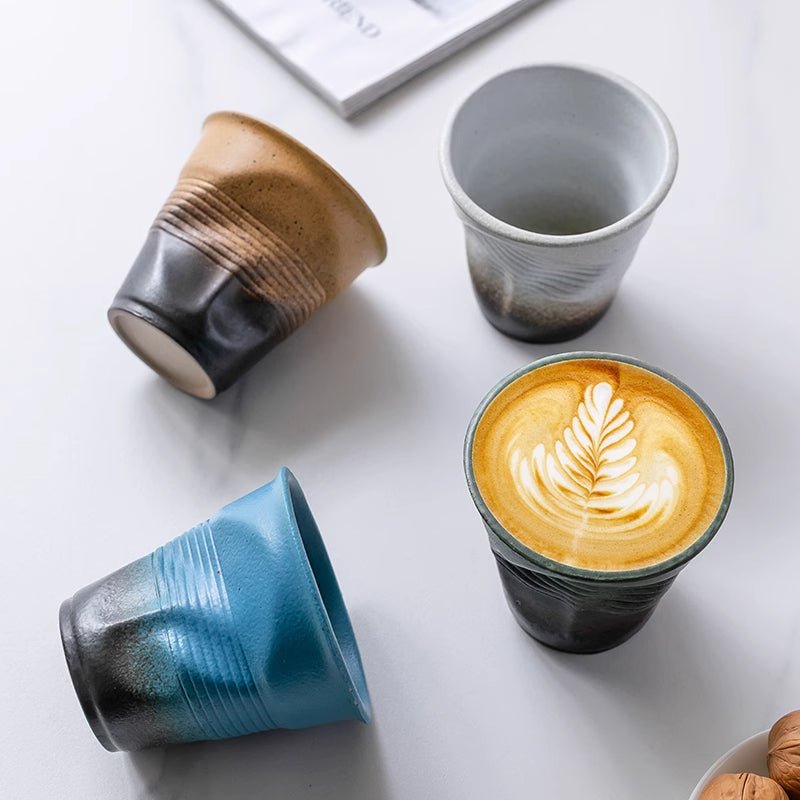
Ceramic Cortado Cup Shape and Handle Guide: Current Options
Compare CoffeifyMug's current 170 ml, 200 ml, and 270 ml ceramic options by capacity, visible silhouette, handle form, listed dimensions, and practical headroom.
Czytaj dalej
Zostaw komentarz
Ta strona jest chroniona przez hCaptcha i obowiązują na niej Polityka prywatności i Warunki korzystania z usługi serwisu hCaptcha.