
Latte Art Cup Buying Guide: Shape, Size, and Material That Work
Reading time: about 10 minutes
A cup can ruin a good pour fast. If the opening is too narrow, the milk piles up before the design spreads. If the rim is too thick, the pattern looks boxed in. We see that problem all the time when shoppers compare mugs for latte art and pick something that is pretty on the shelf but awkward on the counter.
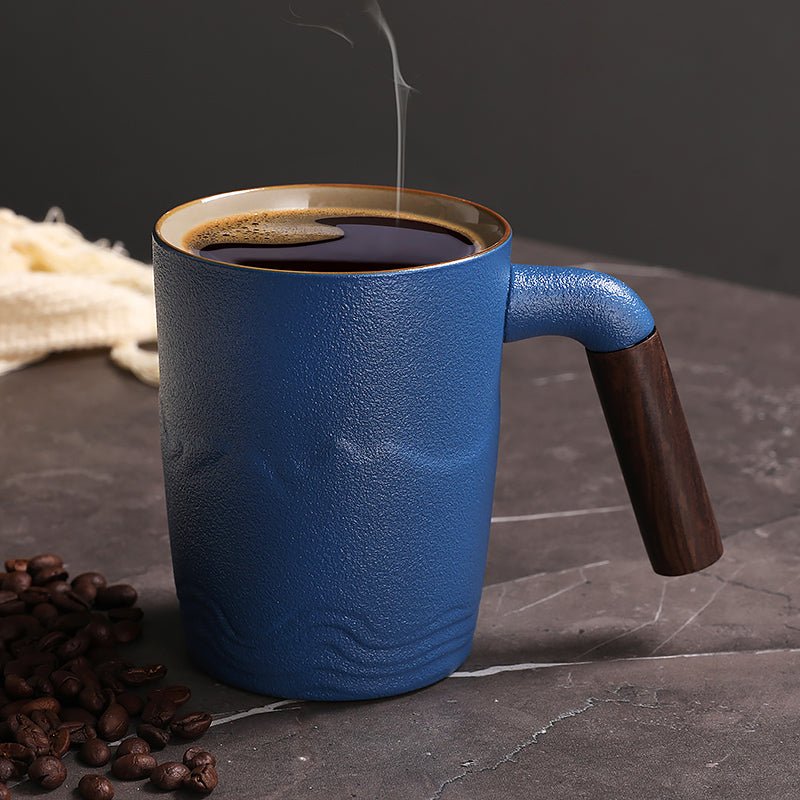
That is why we treat a latte art cup as a working tool first and a gift second. In our store, we look at rim width, wall shape, balance in the hand, and how the cup behaves after a few dishwasher cycles. If you want to browse styles while you read, start with our all cups collection and compare it against a practical option like our Koi Fish Coffee Tea Mug to see how form changes the drinking experience.
What actually makes a latte art cup work?
The best latte art cups give the milk room to spread, then guide the pattern to the surface without making the pour feel vague. That usually means a wider opening, a smooth interior curve, and a lip that is not overly thick. A straight-sided, bowl-like shape is often easier for beginners than a tall, narrow mug because the surface stays more visible while you pour.
We also pay attention to the base. A cup with a stable, flat foot sits better on a saucer, tray, or office desk, which matters more than people expect when you are pouring with one hand and moving the pitcher with the other. Thin, overly light cups can feel elegant, but they can also drift on a slick countertop if the base is not well balanced.
If you are shopping for a beginner, our own rule is simple: choose the cup that makes the milk surface easier to see first, then worry about style. A decorative mug can still be a nice daily cup, but it is not always the best practice vessel for contrast-heavy patterns like hearts, tulips, or rosettas.
What size should you buy for latte art?
Size changes how forgiving the pour feels. A cup that is too small leaves almost no working space, while one that is too large can make a standard cappuccino or flat white look lost. For most home espresso drinks, a mid-size cup is the most practical starting point.
Here is how we think about capacity when we help shoppers compare options:
- 150 to 200 ml works well for short drinks and tighter pours, but it leaves less room for correction.
- 200 to 300 ml is the most flexible range for cappuccino, flat white, and beginner latte art practice.
- 300 ml and above is better if you like larger milky drinks, but the design can spread out more and lose definition if the cup is very wide.
That is also where trade-offs show up. Smaller cups can look more precise, but they punish shaky technique. Larger cups can be more comfortable for a full breakfast latte, but they are not always the best fit if you want crisp pattern definition. If you want more background on larger capacities and everyday handling, our 700ml Cup Buying Guide for Daily Coffee, Tea, and Gifts covers the bigger end of the range, where serving style matters as much as volume.
Which shape is easiest for beginners?
Shape matters as much as capacity. In practice, we see three common styles come up again and again.
| Shape | Best use | What to watch for |
|---|---|---|
| Wide bowl shape | Best for learning basic hearts and tulips | Can cool drinks faster if the walls are thin |
| Straight-sided cup | Good balance of control and presentation | May feel less forgiving if the opening is too narrow |
| Tapered mug | Useful for everyday coffee and tea | Harder to keep the design centered |
For a first latte art cup, a wide bowl or a gently curved straight-sided cup is usually easier to work with than a tall mug. You can actually see the pattern develop, and that visual feedback helps you correct the pour before the design collapses. A tapered mug can still be a great everyday cup, but it is not our first pick if someone specifically wants to practice latte art on a kitchen counter after a morning shot.
If you want a deeper breakdown of shape, size, and material together, we cover those trade-offs in our own article, Latte Art Cup: How to Choose the Right Shape, Size, and Material. It pairs well with the guidance here if you are comparing a few cup styles before buying.
Which material holds up best in daily use?
Material affects more than looks. It changes heat retention, weight, grip, and how the cup ages. We handle a lot of ceramic and glass cups in our store, and the practical differences show up quickly once a cup leaves the product photo.
Ceramic is the most common choice for a latte art cup because it feels stable, insulates well enough for daily use, and usually gives you a clean background for contrast. A glossy glaze is easier to wipe clean, but the finish should be even. Tiny glaze pinholes, rough spots on the lip, or a base that is not fully flat are the kinds of defects we notice during quality checks because they affect comfort and stability.
Glass shows off the layers in the drink, which some buyers love. The limitation is that it often cools faster and can feel more delicate on an office desk or in a busy sink. If your routine includes quick rinses, a full dishwasher, and a crowded drying rack, ceramic is usually the lower-risk choice.
Stoneware tends to feel substantial and giftable. It is a good middle ground if you want a cup that feels handmade or tactile. The trade-off is weight. A heavy stoneware cup is pleasant at the table, but less ideal if you carry your coffee between the kitchen and a workspace several times a day.
Care also matters. We prefer cups that handle normal hand washing well and can survive repeated dishwasher cycles without dulling immediately. If a cup has metallic decoration, delicate decals, or an unusual shape, we treat it as more of a special-use piece than a workhorse. That is not a flaw, just a limitation you should know before you buy.
What details do people miss until they use the cup?
Product photos usually show the front angle. Real use exposes everything else. In our experience, shoppers are often surprised by the small details that affect daily satisfaction.
- Rim thickness: A thicker rim can make the drink feel sturdy, but it can also interrupt clean sipping and make the latte art look less open.
- Handle clearance: If the handle sits too close to the body, two fingers may fit awkwardly, especially when the cup is warm.
- Interior color: A white or light interior makes espresso crema and milk contrast easier to judge.
- Foot ring stability: A flat, even base reduces wobble on counters, trays, and saucers.
- Weight in the hand: A lighter cup is easier to lift, but a heavier cup can feel more secure when you are pouring from a pitcher.
These details are why a latte art cup should not be chosen only by capacity. A 250 ml cup with a good lip and a sensible opening can be more usable than a 300 ml mug that looks larger but hides the milk surface.
If you are buying for a gift, presentation matters too. A decorative option can feel more personal on unboxing day, even if it is not the ideal training cup for a new home barista. That is one reason shoppers often browse the broader collection first, then narrow down by shape and use case.
How do you choose between a practice cup and a gift cup?
This is the part that gets overlooked. A practice cup should help the pour. A gift cup should make the person want to reach for it every day. Those are not always the same thing.
A practice cup is usually simpler: lighter decoration, wider opening, clear interior, and a shape that makes the surface easy to read. It is the cup we would hand someone if they said they were learning basic latte art at home and wanted to see progress quickly.
A gift cup can be more expressive. Pattern, color, and hand-feel start to matter more. A cup like our Koi Fish Coffee Tea Mug is a better fit for someone who values a distinctive mug for coffee or tea, even if they are not chasing a training-focused latte art setup. That is the honest trade-off: a beautiful mug may be less efficient for practice.
If you are choosing for autumn gifting or a cozy kitchen set, our Autumn Coffee Mugs: How to Choose the Right Cup for Cozy Season can help if you want a mug that feels seasonal without losing everyday usefulness.
What should a first-time buyer check before ordering?
Before you buy, we recommend a quick checklist. It saves returns and helps you compare cups that look similar online but behave differently on the counter.
- Check the opening width first. For latte art, wider usually gives you better visual control.
- Confirm the capacity matches your drink size. A cup that suits a flat white may feel too small for a large milk drink.
- Look at the rim and lip. You want clean sipping and a shape that does not pinch the pour.
- Read the care instructions. Dishwasher-safe is convenient, but hand washing may still be gentler on decorative finishes.
- Notice the base and handle. Stability and grip matter more than most buyers expect.
Our team also checks for obvious functional problems before listing a cup, such as uneven glazing on the lip, a foot ring that rocks, or a handle that looks comfortable in photos but would be awkward with a full pour. Those are the issues that turn into daily annoyances later.
If you want to compare more cup styles after reading this guide, the fastest next step is to start with the all cups collection and filter mentally by the checklist above.
Frequently asked questions
What size latte art cup is best for home use?
For most home setups, a cup in the 200 to 300 ml range is the most practical. It gives you enough room to pour a clean pattern without making the drink feel oversized. If you mostly make smaller espresso drinks, you can go smaller, but the margin for error gets tighter.
Is ceramic or glass better for latte art?
Ceramic is usually the safer all-around choice because it feels stable, holds heat reasonably well, and is less fragile in daily use. Glass is attractive if you want to show layers and crema, but it tends to cool faster and can feel more delicate. For most buyers, ceramic is the more forgiving option.
Can I use any mug for latte art?
Not every mug works well. Tall, narrow mugs and heavily tapered shapes make it harder to see the milk surface and control the pattern. You can still pour latte art into them, but the result is usually less crisp than in a wider, more open cup.
How do I know if a cup will be easy to clean?
Look for a smooth interior glaze, a simple shape, and a base that does not trap residue. Deep grooves, textured interiors, and complex handles can hold onto milk film. If the cup is dishwasher-safe, that helps, but a smooth design still makes cleanup easier.
What is the best cup for practicing rosettas and tulips?
A wider cup with a visible interior and a stable base is easiest. Those patterns need space to open up, so a bowl-like or gently curved shape usually works better than a tall mug. If you are still learning, choose function over decoration.
Use the checklist above, then compare the cup shape against the drinks you actually make most often. If you want to keep shopping, start with our all cups collection and pick the one that fits your daily pour, not just the one that looks best in a photo.
Read more
Tea Handle Buying Guide for Comfort, Grip, and Daily Use
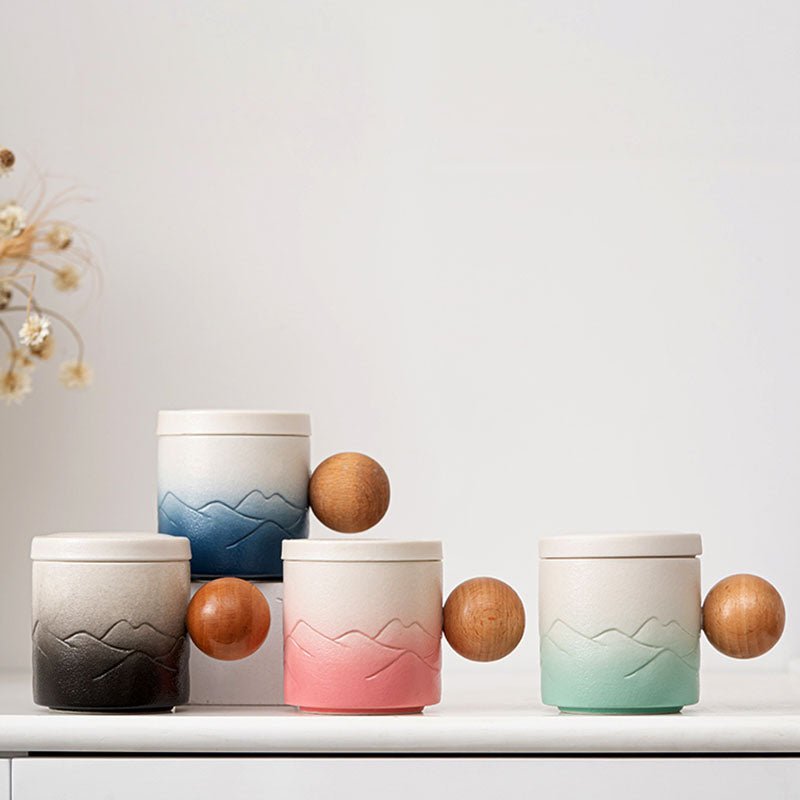
We break down what a tea handle should feel like, how wood and ball styles differ, and which mugs suit desk use, gifting, and everyday tea.
Czytaj dalej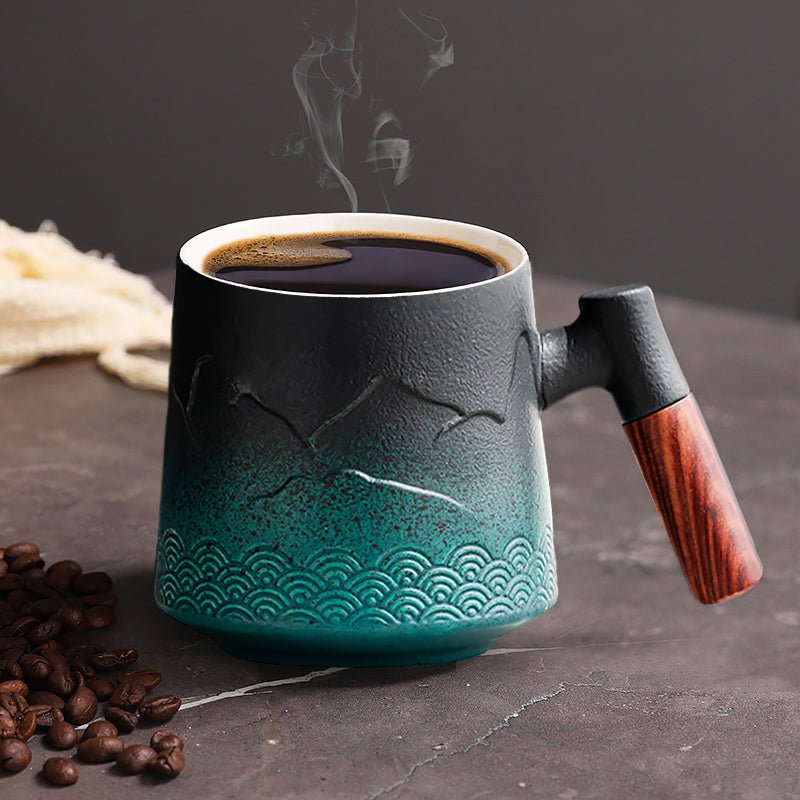
Wood Cups: What to Check Before You Buy for Coffee or Tea
Wood cups can feel better in the hand and look more considered on a desk or kitchen shelf, but the finish, handle, and care routine decide whether they stay nice. Here is what we check in our store...
Czytaj dalej
Zostaw komentarz
Ta strona jest chroniona przez hCaptcha i obowiązują na niej Polityka prywatności i Warunki korzystania z usługi serwisu hCaptcha.