
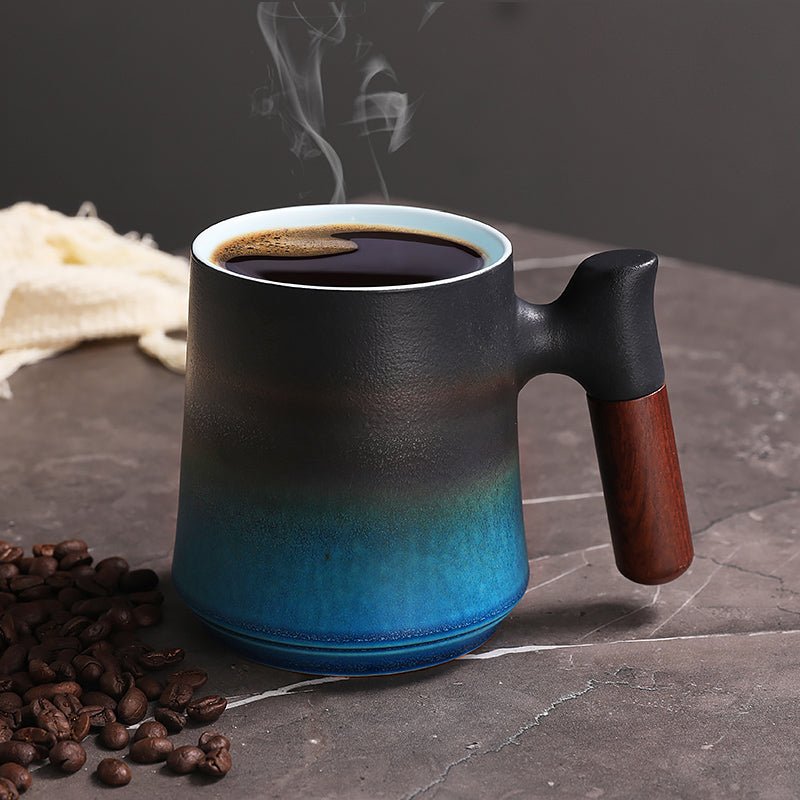
How to Create a Coffee Mug That Fits Your Daily Routine
Reading time: about 10 minutes
The easiest mug to buy is usually the one that looks good in a photo. The one you keep reaching for is different. It sits comfortably in your hand, fits under your coffee machine, survives the dishwasher, and does not make your drink go cold halfway through the morning.
That is the real job if you want to create a coffee mug choice that works for everyday use. At CoffeifyMug, we handle this category for a reason: buyers compare size, shape, and finish far more carefully once they have had one mug crack at the handle, feel awkward on the desk, or stain faster than expected. If you are comparing options right now, our product selection and all collections pages are the best place to start after you narrow down the basics below.
What should you decide before you create a coffee mug?
The first decision is not the print or the color. It is the mug’s job. A mug for black coffee at a home office desk has different needs than a mug for lattes, tea, or gift sets. In our store, the buyers who are happiest usually choose based on use case first, then style second.
Before you create a coffee mug for yourself or as a gift, check these points:
- Capacity: 10 oz, 11 oz, 12 oz, 14 oz, 15 oz, and 16 oz all feel different in the hand and on the counter.
- Handle clearance: A large handle is easier for bigger hands and less frustrating when the mug is full and hot.
- Rim shape: A slightly rolled rim feels smoother for sipping than a sharp edge.
- Base width: A wider base is steadier on a desk, especially near laptops or notebooks.
- Care: Dishwasher-safe is convenient, but some finishes and decorative treatments need gentler handling.
If your coffee routine is more measured and you want a smaller daily cup, our guides on the 10 oz Coffee Mug and 11 oz Coffee Mug break down how those sizes actually feel in use. Those two sizes are common for standard drip coffee and desk use.
Which mug size should you choose?
Size changes more than people expect. A 10 oz mug can feel neat and compact. A 16 oz mug can be perfect for a long morning, but it may be too large for a small espresso-style serving or for a coffee machine with limited clearance. We see this often with office shoppers: they want a bigger mug, then realize the mug no longer fits their brewer or cup holder.
Here is the practical way to compare common coffee mug sizes:
| Size | Best for | Trade-off |
|---|---|---|
| 10 oz | Smaller pours, tea, compact desk setup | May feel too small for longer sipping sessions |
| 11 oz | Everyday coffee, standard gift mug size | Still not ideal for very large drinks |
| 12 oz | Balanced daily use, drip coffee, most casual buyers | Slightly heavier than a compact mug |
| 14 oz | Roomier servings, milk-based drinks | Takes more cabinet space |
| 15 oz | Longer coffee breaks, larger hands | Can feel bulky if you prefer lighter drinkware |
| 16 oz | Big coffee drinkers, tea refills, oversized presentation | May be too tall for some machines and shelves |
If you want a deeper comparison, our posts on the 12 Ounce Coffee Mug Buying Guide, 14 oz Coffee Mug, 15 oz Coffee Mug, and 16 Ounce Coffee Mug Buyer’s Guide cover the real-world fit questions buyers ask before ordering.
Our own rule of thumb is simple: if you want the mug to feel easy and flexible, 11 oz to 12 oz is the safest middle ground. If you like a bigger pour or add milk, 14 oz to 16 oz can be better. If you care about keeping the mug light and compact, 10 oz may be the better fit.
What materials make sense for daily use?
Most shoppers looking to create a coffee mug are choosing between ceramic styles, and that is usually the right starting point for home use. Ceramic mugs feel familiar, hold heat well enough for a normal coffee break, and are usually straightforward to clean. They also work well for gifting because they look finished without feeling fragile in a delicate way.
There are trade-offs. Ceramic can chip if it is knocked against a sink, a metal rack, or another mug. It is also heavier than some alternatives. If your priority is travel, a mug for the car or commute should probably be an insulated tumbler instead of a standard coffee mug.
For buyers who handle mugs day after day, we pay attention to a few concrete details:
- Wall thickness: Thicker walls generally feel sturdier, but they can add weight.
- Handle attachment point: A handle should feel balanced, not top-heavy.
- Glaze finish: A smooth glaze is easier to wipe clean than a textured surface.
- Interior surface: A lighter interior can make it easier to spot residue from coffee or tea.
That said, ceramic is not the best choice for every buyer. If you are hard on drinkware, stack mugs tightly in a small cabinet, or need something for constant travel, a standard coffee mug may not be your best match. In those cases, different drinkware can be a smarter buy than forcing the mug category to do a job it was not made for.
How do you judge comfort in the hand?
This is where a mug either earns its spot or gets pushed to the back of the cabinet. Comfort is about more than the capacity printed on the box. It is about grip, balance, and how the mug feels after the coffee is poured.
In our experience, the most common comfort complaints come from a few specific issues:
- Handles that are too narrow: They pinch larger fingers or feel awkward with a full cup.
- Short handles: They can leave too little room between your knuckles and the mug body.
- Top-heavy shapes: They feel less secure when you carry the mug from kitchen to desk.
- Overly wide mouths: They cool the drink faster and can make sipping feel less controlled.
If you shop for shared spaces like offices, guest kitchens, or client gift boxes, comfort matters more than novelty. People will forgive a plain mug if it pours well and feels stable. They usually will not forgive a mug that slips in the hand or is annoying to drink from.
We see buyers return to the same practical question: does this mug feel right at 7:30 a.m. on a busy morning, not just in a product photo?
That question is a good filter. It cuts through the noise fast.
What care details should you check before buying?
Care instructions are easy to ignore until the first dishwasher cycle. Then a mug starts fading, the print looks worn, or the finish picks up marks that do not come off easily. If you want the mug to stay presentable, this part matters.
Before you create a coffee mug purchase, check for these care points:
- Dishwasher compatibility: Good for convenience, especially if the mug is used daily.
- Microwave use: Helpful for reheating coffee, but some decorative mugs are not suitable.
- Scratch resistance: Useful if the mug will touch metal spoons, dish racks, or stacked cups.
- Stain cleanup: Coffee and tea can leave marks over time, especially on lighter interiors.
We recommend treating a new mug like a tool, not a display piece, unless you plan to keep it purely decorative. If the finish is delicate or the artwork is highly detailed, a gentler wash cycle can help it last longer. If the mug is for everyday use, dishwasher convenience usually matters more than a perfectly pristine look forever.
How do you choose a mug for gifting instead of personal use?
Gift mugs need a different standard. The goal is not just usefulness. It is broad appeal. A mug that feels perfect to you may be too large, too small, or too specific for someone else’s routine.
For gifting, we usually suggest:
- 11 oz or 12 oz: The safest sizes for most people.
- Simple shapes: Easier to fit in different hand sizes and cabinet spaces.
- Durable finishes: Better for a gift that will actually get used.
- Neutral styling: Works for home, office, or a gift basket without feeling overly themed.
A gift mug also needs decent packaging and a clean first impression. A chipped rim or rough glaze edge will be noticed immediately during an unboxing. If you are comparing options for a present, start with our main product page and then check whether the size and finish suit the person’s routine.
One honest limitation: if the recipient already has a favorite mug, a second standard ceramic mug may not impress them unless the design, size, or comfort is clearly better. In that case, it is better to choose a mug that solves a specific problem, like a larger capacity or a cleaner everyday shape.
Which common defects should you watch for?
Even a simple mug should be checked closely. We inspect drinkware for the kinds of issues shoppers usually only notice after the first use.
These are the most common defect modes that matter in everyday buying:
- Rim unevenness: Can affect the sip and feel rough against the lip.
- Hairline glaze flaws: May not look dramatic at first but can make the finish look inconsistent.
- Handle wobble: A handle that feels loose or poorly joined is a red flag.
- Base rocking: A mug that does not sit flat is annoying on a desk and can spill more easily.
- Color inconsistency: Especially noticeable when buying a set or replacing a mug later.
Not every slight variation is a problem. Handmade-style finishes can vary a little, and some buyers like that. But a mug should still feel stable, clean at the rim, and comfortable to hold. If it fails there, style does not make up for it.
Frequently asked questions
What size coffee mug is best for everyday use?
For most buyers, 11 oz to 12 oz is the safest everyday range. It fits standard coffee servings without feeling too small or too bulky. If you drink larger pours or add a lot of milk, 14 oz may suit you better.
Are ceramic coffee mugs good for the dishwasher?
Many ceramic mugs are dishwasher-friendly, which is one of the reasons shoppers choose them. Still, printed designs, specialty finishes, and decorative treatments may hold up better with gentler care. Always check the care notes for the specific mug you are buying.
What should I check before buying a coffee mug online?
Check the size, handle shape, base width, care instructions, and whether it fits your routine. If it will live on a desk, stability matters. If it will be a gift, look for a size that suits most people rather than a very niche shape.
Is a bigger mug always better?
No. Bigger mugs hold more coffee, but they can also feel heavy, take up more space, and cool differently. A 16 oz mug may be right for someone who likes long sipping sessions, but it may be too large for a small shelf or compact brewer.
Can I use a coffee mug for tea or hot chocolate too?
Yes, as long as the size and shape feel comfortable for the drink. Many shoppers use the same mug for coffee, tea, and cocoa. A slightly wider mug can work especially well for drinks with milk or foam.
What is the best next step if you want to create a coffee mug purchase that lasts?
Start with three checks: size, comfort, and care. If those line up, the mug will probably fit your routine better than a more decorative option that only looks good online. If you are still deciding, compare the common capacities in our size guides, then review the mugs currently available in our all collections page and the main product selection.
If you want the shortest path to a good buy, use this checklist:
- Choose 11 oz to 12 oz for a balanced daily mug.
- Choose 14 oz to 16 oz if you want a larger pour.
- Check handle comfort for your hand size.
- Confirm dishwasher and microwave care before ordering.
- Skip delicate finishes if the mug will be used heavily every day.
That is usually enough to narrow the field fast and make a mug choice you will still like after the first week of use.
More from our blog
Read more
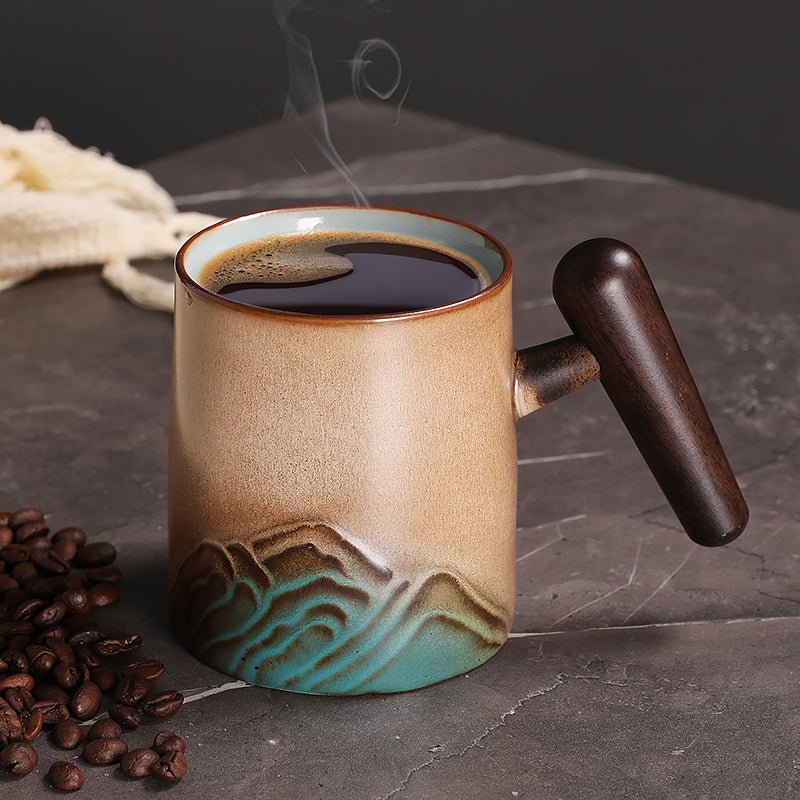
Cake in a Coffee Mug: How to Make, Serve, and Choose the Right Mug
A practical guide to cake in a coffee mug, including mug size, microwave timing, texture fixes, and what works best in real kitchens. We also cover the trade-offs so you can choose the right mug an...
Czytaj dalej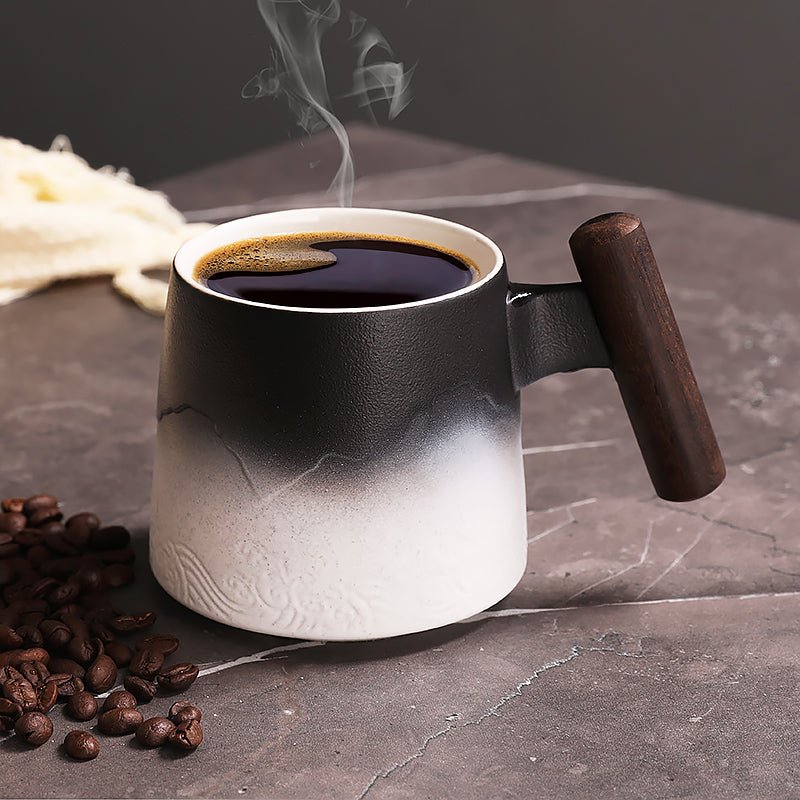
Heater for Coffee Mug: How to Choose the Right Desk Warmer
A heater for coffee mug is easiest to choose when you match the warmer to your mug shape, desk setup, and drinking habits. We break down fit, surface materials, and the trade-offs that matter befor...
Czytaj dalej
Zostaw komentarz
Ta strona jest chroniona przez hCaptcha i obowiązują na niej Polityka prywatności i Warunki korzystania z usługi serwisu hCaptcha.