
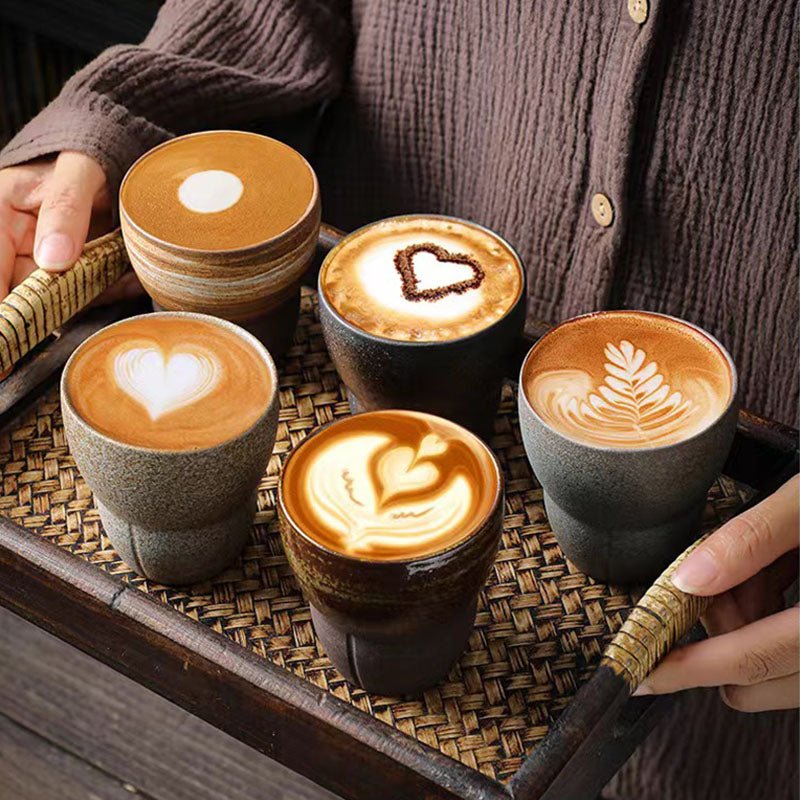
How to Choose a Latte Art Cup for Home Espresso and Daily Use
Reading time: about 9 minutes
A good pour can go wrong before the milk even leaves the pitcher. A cup that is too deep, too wide, or too heavy at the rim makes latte art harder than it needs to be.
That is why we treat a latte art cup as a working tool first and a pretty object second. In our store, we see buyers split into two groups: people who want a cup that helps them pour a cleaner heart or tulip, and people who want something attractive enough to live on the kitchen counter, office desk, or gift shelf after the coffee is gone.
What makes a latte art cup different from a regular mug?
A regular mug can hold coffee. A latte art cup is designed to receive steamed milk in a way that keeps the surface calm enough for the pattern to land. The best cups are not necessarily fancy. They are simply easier to pour into.
The useful differences are practical:
- Wider opening: A broader mouth gives the milk room to spread, which helps a design stay visible instead of stacking up in a narrow column.
- Gentle curve: A slightly rounded interior helps the milk and espresso blend smoothly at the start of the pour, then lets the art sit on top.
- Stable base: A flat, even base keeps the cup from rocking while you pour with one hand and watch the surface with the other.
- Comfortable capacity: Most home pours work better in the 6 to 10 oz range than in an oversized mug. Too much room can make the milk fall flat before the pattern forms.
A tall, straight-sided mug can still be great for drip coffee or tea, but it is usually not the best shape for latte art. The milk has farther to travel, the surface area is smaller, and the pattern has less room to open up.
Which size and shape work best for a clean pour?
For home espresso, the sweet spot is usually a cup that feels compact in the hand without being cramped. A 6 oz cup gives a tighter surface for a more controlled heart or rosette. An 8 to 10 oz cup gives you a little more room to work, which is helpful if you are still getting consistent foam texture.
We usually steer shoppers away from very large cups for practice. A huge mug can be useful for tea, soup, or a long milk drink, but it often works against latte art because the surface becomes too open and the crema breaks up before the design settles.
| Size | Best use | Trade-off |
|---|---|---|
| 6 oz | Small cappuccino-style pours, tighter patterns | Less forgiving if your milk texture is uneven |
| 8 to 10 oz | Most home latte art, everyday espresso drinks | Needs a steady hand, but gives a better balance of control and room |
| 12 oz and up | Larger milk drinks, casual coffee service | Often too open for crisp beginner latte art |
If you want a deeper comparison of shape, size, and material, our latte art cup guide goes further into the practical side of choosing one that actually pours well.
Which material should you buy for everyday use?
Material affects more than looks. It changes heat retention, weight, durability, and how the cup feels during a pour. We see this most clearly when a customer moves from a decorative mug to something that has to survive real kitchen use: morning coffee, dishwasher cycles, desk spills, and the occasional tap against a sink edge.
| Material | What it does well | Watch out for |
|---|---|---|
| Porcelain | Usually the cleanest rim, smooth interior, even heat feel | Can chip if knocked against a hard sink or tile edge |
| Stoneware | Heavier feel, good heat retention, solid everyday presence | Can be thicker and less precise at the lip if the shaping is rough |
| Glass | Lets you see the pour and the contrast in the layers | Often loses heat faster and can feel slippery when hot |
| Stainless steel | Tough and light for travel or outdoor use | Not the best surface for showing latte art and can change the drinking feel |
For most buyers, porcelain or smooth stoneware is the safest starting point. Those materials usually give the best mix of heat retention, clean presentation, and everyday durability. Glass is attractive if you like seeing the layers, but it is not always the easiest choice for a first latte art cup. Stainless steel belongs more in the travel category than at the espresso station.
One detail that gets missed is the rim. A clean, even rim makes the drink feel better and helps the milk land predictably. Another is interior finish. A rough or heavily textured inside can break the flow of the milk and disturb the design before it settles.
What details matter after the purchase?
The cup does not stop mattering once it leaves the box. We look at the same small details again when we decide whether a cup is actually worth keeping in rotation.
- Rim consistency: Run a finger around the lip. If it feels uneven, the pour can look uneven too.
- Base stability: Set it on a flat counter. A wobbly base is annoying at first and messy later.
- Handle balance: A handle that pulls the cup sideways makes a hot drink feel awkward and can throw off your grip during a pour.
- Glaze quality: Look for smooth coverage without obvious pooling, pinholes, or rough patches where coffee residue can collect.
- Care routine: Hand washing is gentler on decorative glazes and metallic accents. Dishwasher cleaning is convenient, but repeated heat and spray can be harder on delicate finishes.
We also pay attention to what a cup is not good for. A latte art cup is usually not the right choice if you want a travel lid, if you need a very large serving, or if you mostly drink tea by the pot and want extra room for steeping. For those jobs, a bigger vessel makes more sense than a precision cup.
If you are comparing an everyday mug against a more decorative option, our Koi Fish Coffee Tea Mug is a good example of the trade-off. It is the kind of cup that works well for coffee or tea service and looks good on a shelf, but it is more of an everyday mug than a purpose-built latte art cup for practice pours.
Which cups work for both latte art and daily coffee?
Many shoppers do not want a dedicated practice cup sitting in a cabinet full of one-use items. That makes sense. A good cup should earn its place by doing more than one job.
For that reason, we usually recommend looking for a cup that sits between a presentation piece and a workhorse. It should have a stable base, a smooth interior, and a size that still feels comfortable for black coffee, cappuccino, or tea. If you are buying for a gift, that balance matters even more because the person opening the box will notice the look first but use the cup every day.
Our full collection is the easiest place to compare different shapes and styles side by side. If you are trying to choose between something practical and something more decorative, that side-by-side comparison helps faster than staring at a single product photo.
For shoppers who are tempted by extra-large mugs, our 700ml cup buying guide is useful context. A very large cup can be excellent for tea or generous daily drinks, but it usually sits outside the best range for latte art because the surface area is too open for a crisp pattern.
If you are comparing styles for cozy-season gifting, our autumn coffee mugs guide is also helpful for picking a cup that feels seasonal without sacrificing everyday use.
What are the most common buying mistakes?
We see the same mistakes repeat, especially when someone buys from photos alone.
- Choosing size by volume only: A cup can be technically the right ounce count and still have the wrong shape for pouring.
- Ignoring the rim: A thick, uneven lip can make a well-poured drink feel clumsy.
- Buying too tall: Tall cups often work against the movement of milk and make the design harder to place.
- Picking a finish before checking use: A glossy decorative surface may look great on unboxing day and still be harder to care for over time.
- Forgetting the real job: If the cup will mostly hold tea, office coffee, or a large milk drink, a dedicated latte art cup may be too specialized.
Our advice is simple: buy for the drink you make most often, not the drink you hope to make once. That keeps the cup useful after the novelty wears off.
Frequently asked questions
What size latte art cup is best for home espresso?
For most home setups, 6 to 10 oz is the most practical range. A 6 oz cup is better for tighter cappuccino-style pours, while an 8 to 10 oz cup gives beginners more room to place the design. Once you get much larger than that, the milk often spreads too thin for clean latte art.
Is porcelain or stoneware better for a latte art cup?
Porcelain usually gives a smoother rim and a cleaner feel for pouring, while stoneware feels heavier and more grounded in daily use. If you want the most precise pouring surface, porcelain is often the easier pick. If you prefer a sturdier hand feel and a more substantial mug, stoneware can be a better fit.
Can I use a latte art cup for tea and regular coffee?
Yes, if the cup is in a sensible size range and the shape feels comfortable to drink from. A latte art cup is often a good everyday cup for short coffees, cappuccino, and tea. It is less useful if you need a travel lid, a very large serving, or a deep mug for loose-leaf tea.
What should I avoid when buying a latte art cup?
Avoid cups that are too tall, too narrow, or visibly uneven at the rim. Those shapes make the pour harder to control and can distort the design. Also watch for rough interior glazing, wobbling bases, and handles that feel off-balance when the cup is full.
Do I need a special cup to practice latte art?
You do not need a competition cup to start, but the right shape helps a lot. A smooth, medium-sized cup with a wide opening will make practice more forgiving than a deep mug. If you are learning, choose a cup that supports repeated use and easy cleaning instead of one that only looks good in photos.
If you want a quick next step, compare cups using three checks: a wide enough opening, a stable base, and a material that holds up to your real cleaning routine. Start with our collection, then use the shape, size, and material advice above to narrow it down before you buy.
Read more
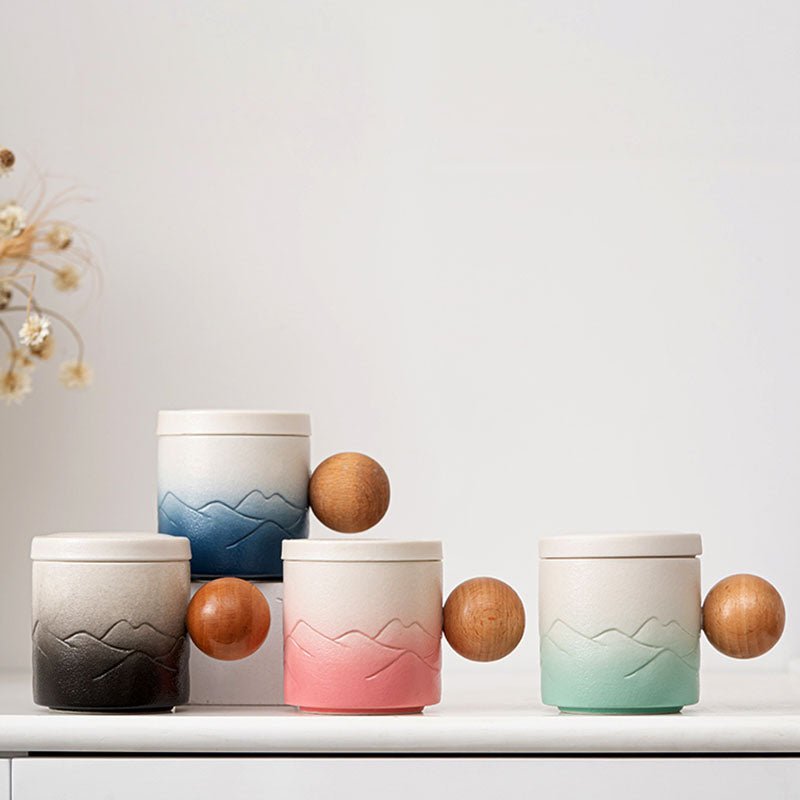
Coolest Coffee Mugs: Practical Picks for Daily Use and Gifts
Our take on the coolest coffee mugs focuses on shape, comfort, and everyday use, not just novelty. We compare standout styles, explain trade-offs, and point you to the mugs that make sense for desk...
Czytaj dalej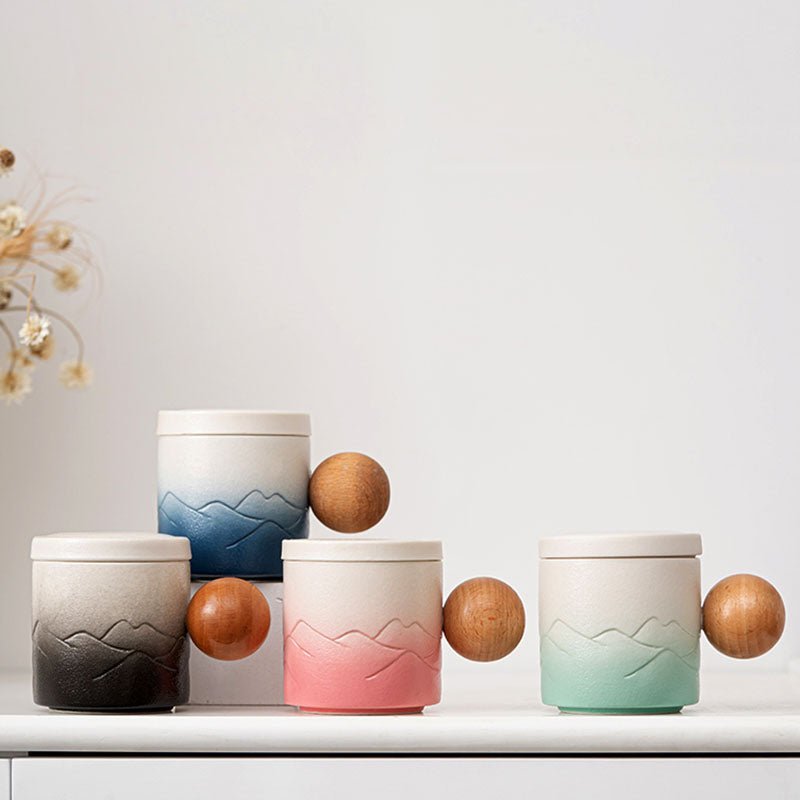
Hot Coffee Mug Guide: What Actually Keeps Coffee Warm for Daily Use
A practical guide to choosing a hot coffee mug for real daily use, with clear trade-offs on heat retention, comfort, care, and which styles are worth buying.
Czytaj dalej
Zostaw komentarz
Ta strona jest chroniona przez hCaptcha i obowiązują na niej Polityka prywatności i Warunki korzystania z usługi serwisu hCaptcha.