
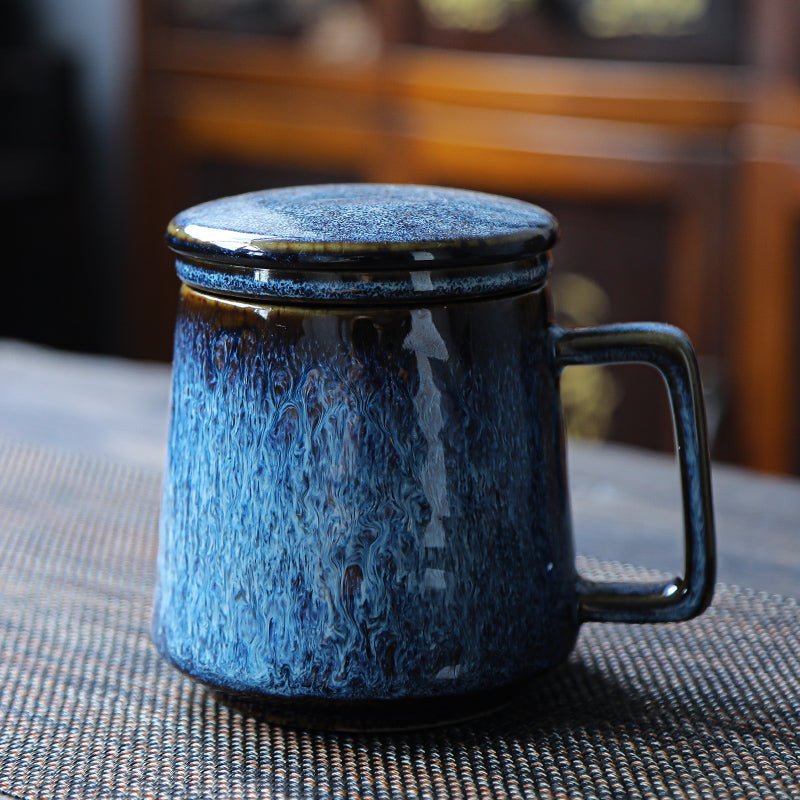
How Many Ounces Is a Coffee Mug? Real Sizes and Buyer Tips
Reading time: about 8 minutes
A coffee mug looks simple until you pour a morning latte into one and realize the cup is either too small for cream or so large that the coffee cools before you finish it. That is the real reason shoppers ask how many ounces is a coffee mug before they buy.
In our store, we see the same pattern at kitchen counters, office desks, and gift openings: people want a mug that fits their habit, not just a number on a product page. If you want to compare styles while you read, start with our full mug collection or look at a practical everyday option like the Landscape Coffee Tea Mug.
How many ounces is a coffee mug in real life?
Most everyday coffee mugs hold 8 to 15 ounces. The most common size you will see in homes and offices is around 11 to 12 ounces, which leaves enough room for hot coffee plus a little milk, sugar, or foam.
That said, the number on the mug does not always match what ends up in the cup. A mug may be sold as 12 ounces but only be comfortable to fill to 10 or 11 ounces before the coffee reaches the rim. That extra space matters if you carry the mug across a room, add cream, or use a kettle that pours fast.
There are also smaller mugs around 6 to 8 ounces. Those suit straight espresso drinks, strong black coffee, or people who prefer a compact cup that stays hot longer. Larger mugs, often 14 to 16 ounces, are better for long work sessions, big cappuccino-style drinks, or tea drinkers who want less refilling.
| Mug size | Typical use | What it feels like in hand |
|---|---|---|
| 6 to 8 oz | Espresso drinks, small servings, strong black coffee | Compact, lighter, easier to heat quickly |
| 10 to 12 oz | Standard home coffee, drip coffee, everyday use | Balanced, familiar, fits most routines |
| 14 to 16 oz | Large pours, milk drinks, long desk sessions | Heavier, more room for cream and foam |
If you have already read our broader sizing guides, our posts on how many ounces in a coffee mug and how many ounces is a regular coffee mug go deeper into standard sizes and fit.
Why does a 12-ounce mug not always hold 12 ounces?
This is where many shoppers get tripped up. Mug capacity is usually measured to the brim, not to the safe fill line. Once you account for the curved interior, the thickness of the lip, and the space needed to avoid spills, the usable volume is lower.
We see this especially with wide mugs. They can look bigger than a taller mug but still feel less practical if you want a full cup of coffee with room for cream. A mug with a wide mouth also cools faster because more surface area is exposed to air. That is useful for people who like to sip slowly, but not ideal if you want the drink hot longer.
Three details we pay attention to when judging real capacity:
- Fill line: The safe pour level is often below the advertised maximum.
- Wall thickness: Thicker walls can reduce the actual liquid space inside.
- Rim shape: A flared lip makes sipping easier but can reduce usable volume near the top.
That is why a mug labeled 12 ounces can feel closer to 10 or 11 ounces in daily use. For shoppers who want a more decorative piece with a comfortable daily size, the Gradient Coffee Tea Mug is a good example of a mug style that balances looks and practicality.
Which mug size works best for your coffee habit?
The right mug size depends less on a label and more on how you actually drink. Here is the simplest way to choose:
- Choose 8 ounces if you drink short black coffee, espresso-based drinks, or smaller servings and do not want leftovers.
- Choose 10 to 12 ounces if you want a true everyday mug for drip coffee, tea, or coffee with a splash of milk.
- Choose 14 to 16 ounces if you refill less often, work at a desk for long stretches, or like extra room for foam and cream.
At our store, the most common buyer mistake is picking a mug that looks stylish but is too small for the way they pour. A compact mug can be excellent for a neat, espresso-style setup, but it is not the best fit if you make a full French press and want one mug to hold the whole serving. On the other hand, a large mug is not ideal if you want your coffee to stay hot through a short commute from the kitchen to the desk.
For buyers comparing shapes as well as sizes, the article how many ounces is a standard coffee mug is useful if you are trying to separate true standard sizes from oversized novelty mugs.
What should you check besides ounces?
Ounces matter, but they are not the whole story. Two mugs with the same capacity can feel very different in daily use.
Look at these details before you buy:
- Handle clearance: A good handle should give your fingers room without forcing a cramped grip. This matters more on larger mugs.
- Rim comfort: A smoother rim feels better when you sip directly from the mug, especially for tea and black coffee.
- Dishwasher durability: Printed designs and specialty finishes can wear faster than plain glazed ceramic, especially if the mug sits near the heating element.
- Shape stability: Tall narrow mugs are easier to tip if they are filled close to the top, while wider mugs feel more planted on a desk.
We also watch for common problem points. A mug with a handle that feels too tight will be annoying from day one. A thin glaze can develop marks faster. A poorly finished lip can drip. None of those issues show up in an ounce rating, but they change how the mug actually performs.
If you want a more casual, retro look without losing daily usability, the Retro Coffee Tea Cup is the kind of style that suits people who care about feel as much as capacity.
Is a bigger mug always better?
No. Bigger is only better if you will use the extra space.
A 15-ounce mug sounds generous, but it can be a poor choice if you mostly drink one small cup in the morning. Large mugs can make coffee cool faster, add weight in the hand, and feel bulky in a crowded sink or dishwasher rack. They also take up more cabinet space, which matters in smaller kitchens.
Smaller mugs have the opposite trade-off. They are easier to handle and usually feel more precise, but they can be frustrating if you keep refilling them. If you add milk, flavored creamer, or foam, a small mug can leave you without enough headroom.
Here is the practical rule we use:
- Pick smaller if you value heat retention, a lighter feel, and a tighter pour.
- Pick larger if you value fewer refills, room for add-ins, and a more relaxed drinking pace.
That is why a lot of shoppers end up around the middle, near 11 or 12 ounces. It is the most forgiving size for households where one person drinks black coffee and another adds cream.
How do you measure a mug at home?
If the label is missing, you can measure a mug with water and a kitchen scale or measuring cup. The cleanest method is to fill the mug carefully with water and pour it into a liquid measuring cup to see the total.
For a quick check, fill the mug to the rim with water and note the measurement. Then subtract a little for normal use. That gives you a more realistic sense of usable capacity than the maximum number alone.
A few practical tips:
- Measure to the point where you would actually stop pouring, not all the way to the top edge.
- Account for ice, milk, or foam if you use the mug for chilled drinks or cappuccino-style drinks.
- Check whether the mug feels balanced when full, because weight and capacity do not always scale the same way.
If you are comparing multiple styles, our all mugs collection is the easiest place to compare shapes, sizes, and finishes in one place.
Frequently asked questions
Is 11 ounces a standard coffee mug size?
Yes. Eleven ounces is close to what most shoppers expect from a standard everyday mug. It is large enough for a normal cup of coffee with some room for milk or cream, but not so large that the mug feels oversized on a desk or in a cabinet.
How many ounces is a coffee mug for drip coffee?
For drip coffee, 10 to 12 ounces is usually the sweet spot. That range gives you enough room for a full pour without making the mug too heavy or too large for daily use.
What size mug is best for latte drinks?
A 12 to 16 ounce mug usually works better for lattes because you need room for espresso, steamed milk, and foam. Smaller mugs can overflow fast once milk is added.
Do bigger mugs keep coffee hot longer?
Not usually. Larger mugs expose more surface area, so coffee can cool faster. If heat retention matters most, a smaller mug with thicker walls often performs better.
Should I buy a mug based on ounces or the photo?
Use both, but trust the ounces first. Photos can make a mug look larger or smaller than it really is, while the capacity tells you whether it fits your actual drinking routine.
If you are ready to compare sizes side by side, start with the full collection and choose the mug that matches how much you really pour, not just how it looks on the shelf.
Read more
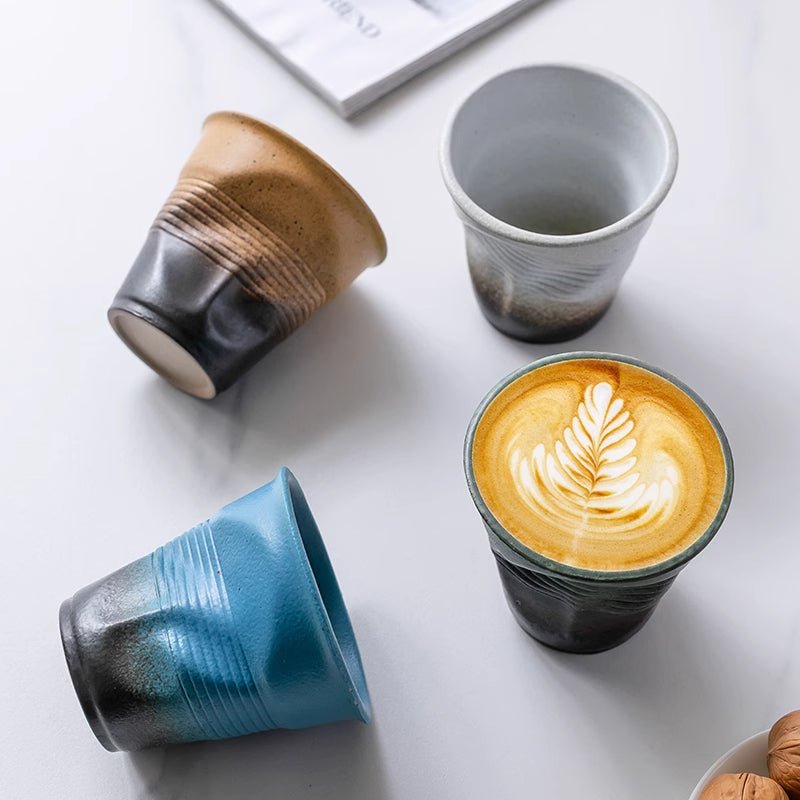
Fancy Tea Cups: What to Buy for Daily Use, Gifting, and Display
Fancy tea cups should look special and still feel comfortable in hand. We break down what matters in shape, size, care, and gifting so you can pick a cup that fits real use, not just a shelf.
Czytaj dalej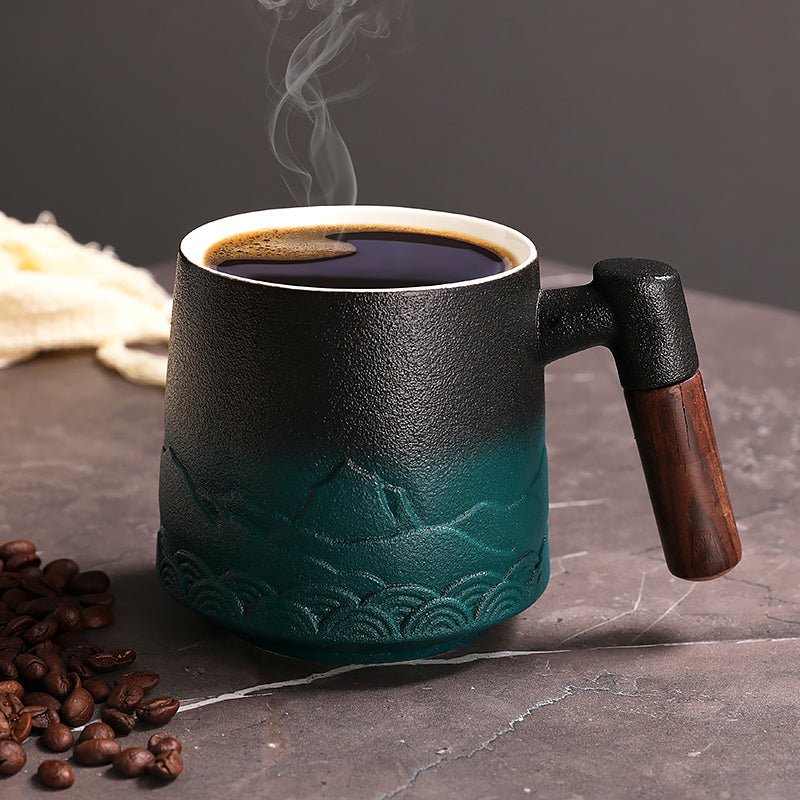
Pumpkin Coffee Mug Buying Guide: Fit, Feel, and Best Picks
A practical guide to choosing a pumpkin coffee mug that feels right in hand, fits your usual pour, and works for daily use, gifting, or seasonal display.
Czytaj dalej
Zostaw komentarz
Ta strona jest chroniona przez hCaptcha i obowiązują na niej Polityka prywatności i Warunki korzystania z usługi serwisu hCaptcha.