
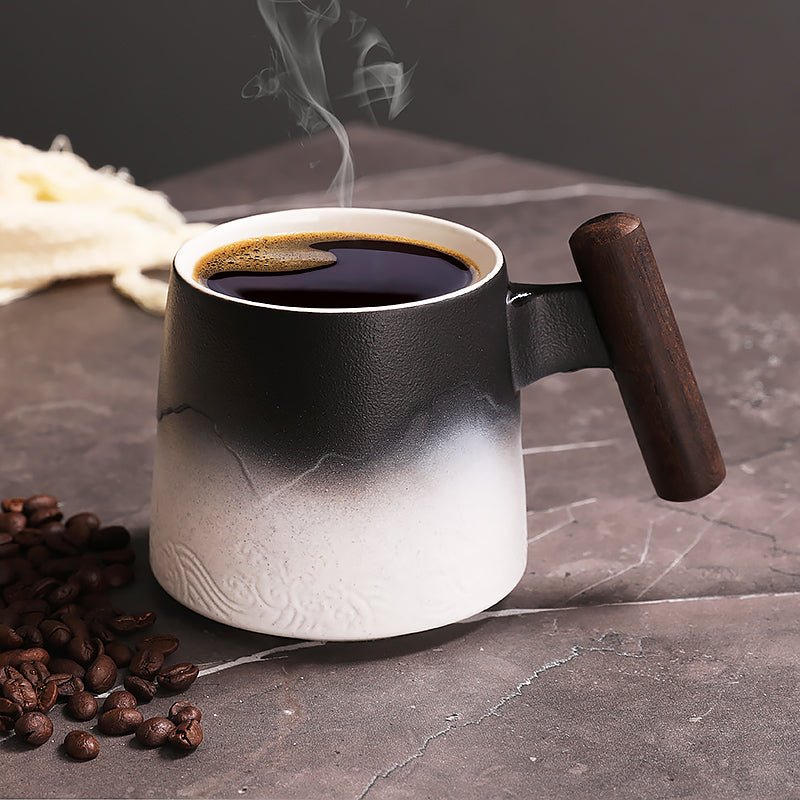
Copper Coffee Mug Buyer’s Guide: What to Check Before You Buy
Reading time: about 8 minutes
A copper coffee mug looks simple on a shelf, but the details show up fast once you actually use it: the rim against your lips, the feel of the handle after a full pour, whether the base rocks on a desk, and how much cleaning it asks for after breakfast. In our store, that is usually the difference between a mug that gets used every day and one that stays in the cabinet.
If you are comparing options, start with the practical question: is this mug meant to be a coffee mug first, or is it mostly a decorative piece with a copper finish? That answer changes everything, from the lining to the size. For a broader look at the category, our Copper Mug Coffee: What to Check Before You Buy article covers the first decision points before you narrow in on a specific cup.
What should you check first in a copper coffee mug?
We look at the same few details every time because they affect comfort and longevity more than the shine does. A good-looking mug can still be awkward in daily use if the handle is narrow, the interior is the wrong material, or the mug feels too top-heavy when full.
- Interior lining: For coffee, a lined interior is usually the safer and more practical choice. Bare copper inside is not what most coffee drinkers want for everyday use.
- Handle shape: A handle should fit at least two fingers comfortably without forcing your knuckles into the body of the mug.
- Rim finish: A smooth rolled rim is easier to drink from than a sharp or uneven edge.
- Base stability: The mug should sit flat on a counter or office desk without a wobble.
- Exterior finish: A polished copper look shows fingerprints quickly; a brushed finish hides handling marks better.
That is why we tell shoppers to compare the mug itself, not just the finish. If you want a size-first approach, our 16 Ounce Coffee Mug Buyer’s Guide: Size, Material, and Fit is useful for figuring out how much volume feels right before you choose a material.
Should the inside be lined or bare copper?
For coffee, lined is usually the better answer. Copper is associated with a classic look, but coffee is an acidic drink, and most buyers do not want the interior surface reacting with flavor, staining quickly, or requiring extra maintenance. A lined mug gives you the look on the outside and a more forgiving drinking surface inside.
In practical terms, we prefer a copper coffee mug with a stainless steel interior when the goal is daily use. Stainless steel is easier to rinse, less fussy about acids, and less likely to pick up flavors. Bare copper can work for decorative use or some specialty drink service, but it is not the version we recommend for someone who wants an everyday coffee cup on a kitchen counter or office desk.
For coffee, the copper is usually best as the exterior story, not the drinking surface.
There is one trade-off to accept: lined mugs often feel a little more utilitarian inside than a fully metal showpiece. That is fine. The point is reliable use, not a display case. If you are comparing broader cup sizes too, our 20 oz Coffee Mug: What to Check Before You Buy guide explains when a larger cup makes sense and when it just becomes extra weight in the hand.
What size works best for coffee at home or at work?
Size matters more than most shoppers expect. A mug that looks perfect in photos can feel clumsy if you routinely pour a full drip coffee into it, or too small if you like a long sit-down drink that lasts through a meeting. We usually sort copper coffee mug choices by how they will actually be used.
| Use case | Size range | What it feels like | What to watch for |
|---|---|---|---|
| Espresso or short coffee | 8 oz to 10 oz | Compact, lighter, easier to hold in one hand | Can feel too small for people who refill often |
| Standard drip coffee | 10 oz to 16 oz | Most balanced for daily use | Check handle clearance and whether the mug fits under your brewer |
| Large desk mug | 20 oz to 24 oz | Good for slow sipping and fewer refills | Can feel heavy when full and may not suit smaller hands |
If you are unsure, 10 oz to 16 oz is the safest band for most coffee drinkers. That range is big enough for a real cup of coffee but not so large that it becomes awkward to wash, carry, or store. For shoppers who want a compact cup, our 10 oz Coffee Mug: Size, Fit, and What to Check Before You Buy article is the easiest place to start. If you know you want a bigger serving, the 24 Ounce Coffee Mug Buyer’s Guide: Size, Fit, and What to Check helps with the trade-offs at the larger end.
Which design details make daily use easier?
Two mugs can look nearly identical in a product photo and still feel very different once you fill them. We pay close attention to the details that affect the first 30 seconds of use and the cleanup afterward.
- Wall thickness: Thinner walls can look elegant, but they may feel less substantial and can be more prone to denting.
- Handle attachment: A strong weld or secure join matters more than a decorative shape that looks good from one angle.
- Interior seam quality: Rough seams are annoying to clean and can trap residue around the rim or base of the interior.
- Finish consistency: If the copper exterior is lacquered, the coating should look even and not patchy around the rim or handle.
- Desk stability: A flat base matters if you use the mug near a keyboard, laptop, or paperwork.
For gift buyers, these details matter even more. A copper coffee mug is easy to buy for the appearance, but the person opening it will usually notice the grip and finish before anything else. If you are building a gift from a wider range, our products page is a practical place to compare individual pieces, and the full collection helps when you want to see everything in one place.
How do you care for a copper coffee mug without ruining the finish?
Copper looks best when it is kept dry and handled with a little care. That does not mean it is high-maintenance, but it does mean you should buy with realistic expectations. A mug used for coffee every morning will pick up fingerprints, water spots, and occasional dulling over time.
- Wash it with mild soap and warm water after use.
- Dry it right away with a soft towel instead of air-drying if you want to reduce spotting.
- Avoid abrasive scrubbers, especially on coated or polished finishes.
- Do not put it in the microwave.
- Only use the dishwasher if the maker clearly says it is dishwasher safe.
If the exterior is uncoated copper, expect patina over time. Some buyers like that lived-in look. Others want the shine to stay bright. Neither is wrong, but it should affect your decision before you buy. If you want something truly low-fuss for a busy office kitchen, a ceramic mug or insulated stainless tumbler may be a better fit than a copper coffee mug.
Is a copper coffee mug the right choice for every buyer?
No, and that is worth saying plainly. A copper coffee mug is not the best choice if you want to microwave your drink, toss everything in the dishwasher without thinking, or hide fingerprints and water marks. It is also not the most practical option for people who want a mug that disappears into the background and never asks for attention.
Where it does make sense is the buyer who wants a distinctive mug with a warmer, more handcrafted look and is comfortable with a little upkeep. That could be a home coffee station, a desk mug you keep at arm’s reach, or a gift where the finish matters as much as the function. For shoppers comparing larger and smaller drinkware side by side, our guide to 8 oz Coffee Mug: What to Check Before You Buy is useful if you are considering a compact option, while the 24 oz Coffee Mug: What to Check Before You Buy article is better if you know you prefer a big pour.
In our experience, the mugs people keep using are the ones that feel easy in the hand, sit level on the counter, and clean up without drama. The shine is a bonus. The real value is whether the mug fits the coffee routine you already have.
Frequently asked questions
Is a copper coffee mug safe for hot coffee?
Yes, if it is made for drinking and has the right interior lining. For coffee, we recommend a lined interior rather than bare copper inside the cup. That gives you a more practical surface for daily use and reduces the maintenance most shoppers want to avoid.
Can I put a copper coffee mug in the dishwasher?
Only if the maker clearly says it is dishwasher safe. Many copper finishes, coatings, and liners are better off hand washed. If you want the finish to stay cleaner and brighter for longer, hand washing is the safer choice.
Do copper coffee mugs keep coffee hot longer?
They can feel warm to the touch and they do hold heat differently than plain ceramic, but the result depends on wall thickness, lining, and whether the mug has insulation. If heat retention is your main goal, an insulated mug may be a better buy than a decorative copper coffee mug.
What size copper coffee mug should I buy for daily use?
Most daily coffee drinkers do well with 10 oz to 16 oz. That range works for drip coffee without becoming overly heavy or bulky. If you usually refill often, stay smaller; if you want one large serving for slow sipping, move up to 20 oz or more.
What is the main downside of buying copper instead of ceramic?
Copper usually asks for more care and shows fingerprints faster. Ceramic is simpler for everyday use, especially in shared kitchens or if you want a mug that disappears into the routine. Copper is a better choice when the look and feel are part of the appeal.
If you are ready to compare real options, start with the finish, then check the lining, size, handle, and care instructions on the mug itself. After that, browse our full collection or head to our products page to narrow the choice to the mug that actually fits your coffee routine.
Read more
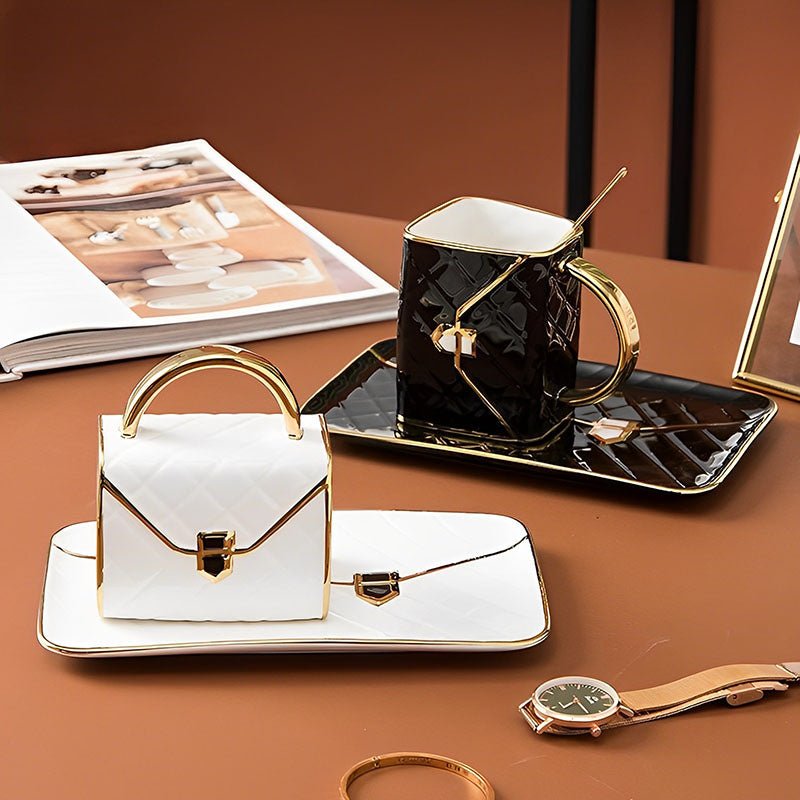
USMC Coffee Mug Buyer’s Guide: Size, Materials, and Gift Checks
A practical guide to choosing a USMC coffee mug for daily desk use or gifting. We cover size, material, care, and the small details that separate a keep-it mug from a drawer filler.
Czytaj dalej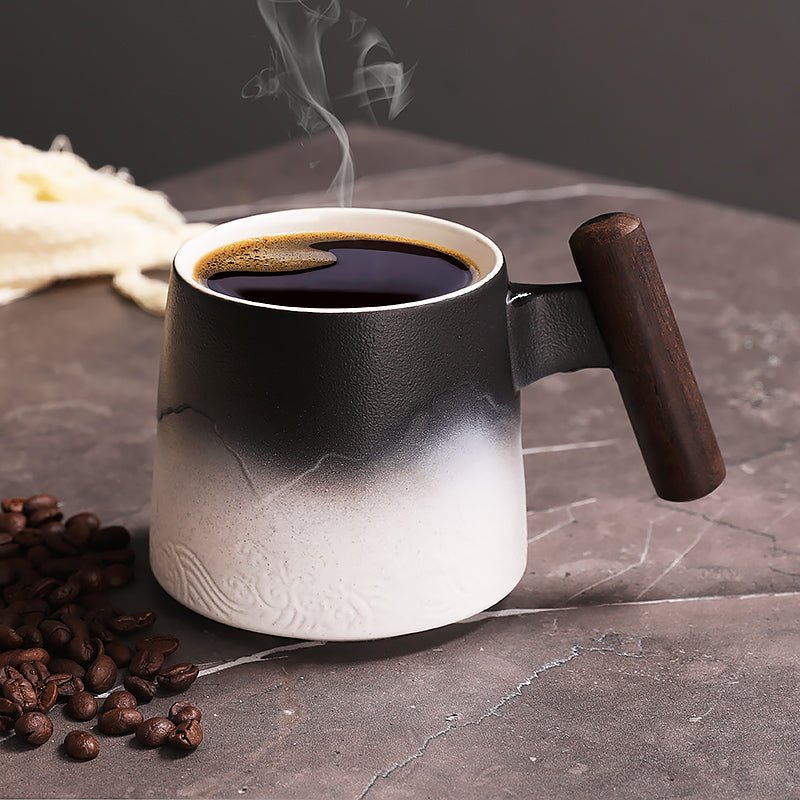
11 oz Coffee Mug: Size, Fit, and What to Check Before You Buy
An 11 oz coffee mug is a practical middle-ground size for everyday coffee, tea, and desk use. This guide covers fit, materials, care, and when a larger or smaller mug makes more sense.
Czytaj dalej
Zostaw komentarz
Ta strona jest chroniona przez hCaptcha i obowiązują na niej Polityka prywatności i Warunki korzystania z usługi serwisu hCaptcha.