
Coffee Mug Storage Ideas That Actually Fit Real Kitchens
Reading time: about 10 minutes
A crowded cabinet usually fails in the same few ways: handles catch, rims chip, and the one mug you actually use every morning ends up buried behind a stack of extras. We see that pattern all the time in our store, especially with buyers trying to fit new mugs into a kitchen that was already full before the purchase.
If you are comparing coffee mug storage options, the right answer depends on two things: how your mugs are shaped and where they live most of the time. A mug that sits neatly on an open shelf can be annoying inside a shallow cabinet. A mug that looks great on display can be the worst choice for a tight office shelf if the handle crowds the next cup.
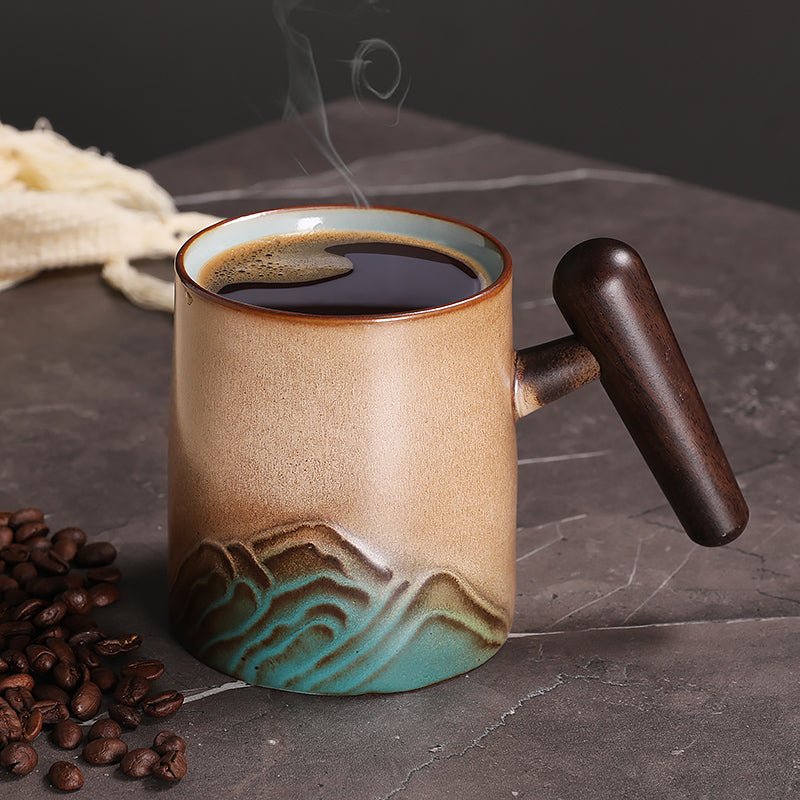
For a quick look at mugs that are easier to place and rotate into daily use, start with The Gradient Coffee Tea Mug, Retro Coffee Tea Cup, and Ball Handled Coffee Tea Mug. If you want to see the full range before deciding what to store and how, browse our full collection.
What makes coffee mug storage work in a real kitchen?
Good storage is not just about squeezing in more cups. It is about protecting the mugs you use, making them easy to reach, and avoiding the daily annoyance of shifting pieces around. In practice, the best setup leaves enough room for the handle, lets the mug sit level, and keeps the rim from knocking into other hard surfaces.
We usually recommend thinking in three zones:
- Daily-use zone: the 2 to 4 mugs you reach for every day should be in the easiest spot, usually at eye level or on the lowest open shelf.
- Backup zone: extra mugs can go higher up, deeper in a cabinet, or on a secondary rack.
- Display zone: special mugs, gift mugs, or matching sets can sit on open shelving where they look intentional instead of crowded.
The mistake we see most often is buying a mug set first and only then realizing the cabinet shelf is too low for the handle orientation. A mug with a wider handle or a more rounded body can need more side clearance than expected, even if the cup itself looks compact from the front.
If you want more detail on rack styles and spacing, our Coffee Mug Rack Guide: Materials, Fit, and Storage Choices covers the practical differences between shelf hooks, under-cabinet racks, and countertop stands.
Which storage setup is best for cabinets, shelves, and counters?
Different spaces reward different setups. A kitchen cabinet, a home office, and a gifting display do not have the same goals, so the storage should not be identical.
| Storage type | Best for | Main trade-off |
|---|---|---|
| Closed cabinet shelf | Keeping dust off and hiding mismatched extras | Handles can waste space and stacked mugs can chip if rushed |
| Open shelf | Quick access and a more styled look | Dust and visual clutter show faster |
| Hook rack or rail | Saving shelf space when handles are uniform | Not ideal for bulky handles or very heavy mugs |
| Countertop stand | Small kitchens or coffee corners | Takes up valuable prep space |
For most buyers, a closed cabinet is the safest default. It protects glazed ceramic mugs from dust and reduces the chance of chips from bumping against plates or glassware. The downside is that a crowded cabinet can encourage stacking, and stacking is where the damage starts if the rims are not aligned or if the bottom of one mug is rough.
Open shelves are better if you actually use the mugs daily and want them within reach. They work especially well with coordinated shapes like the Gradient mug or the Retro Coffee Tea Cup, where the visual line matters as much as the storage itself. But open shelves are not the best choice if the mugs are an odd mix of souvenir pieces, oversized novelty cups, and handle-heavy designs that knock into each other.
For smaller kitchens and tight office layouts, we also published Coffee Mug Storage Ideas for Small Kitchens, Offices, and Gifted Sets, which is useful if you are trying to make a few square feet do more work.
How do you choose a mug shape that is easier to store?
The mug itself matters as much as the rack. A shape that feels good in hand can still be awkward in storage if the handle is oversized, the body flares out, or the base is unstable.
Here is what we check before we recommend a mug for easier storage:
- Handle profile: a slimmer handle usually wastes less side space on a shelf or hook rail.
- Body shape: straighter sides tend to nest visually better and fit closer together than wide flared bowls.
- Base stability: a flat, even base is less likely to wobble on a wire rack or shelf edge.
- Rim condition: chipped rims are a sign the mug has been stacked or handled roughly, which usually means the storage setup needs fixing too.
That is one reason shoppers compare mugs before they buy. A ball-handled design can be comfortable and distinctive, but it may not be the best choice if your cabinet is already tight. A more traditional profile can be easier to line up in rows or set on a narrow shelf. If you are matching a mug to capacity and cabinet fit, our size-focused article 11 oz Coffee Mug: Size, Fit, and What to Check Before You Buy is a practical follow-up.
There is a trade-off here. The most storage-friendly mug is not always the most expressive one. Some buyers care more about the look on a breakfast tray or a gift shelf than they do about fitting one extra cup in a cabinet. That is valid. We just do not recommend buying a shape that forces you into constant rearranging.
What storage mistakes cause chips, stains, and clutter?
Most mug damage comes from avoidable habits, not bad luck. In our experience, the same issues show up again and again after dishwashing, stack-and-grab storage, or moving mugs between kitchen and office.
The common failure modes are straightforward:
- Rim chips: often caused by stacking mugs with hard contact points or by placing them too tightly beside heavier dishes.
- Handle cracks: usually linked to bumping against another mug, a shelf rail, or a crowded sink area.
- Surface dulling: can happen when mugs are stored damp or rubbed repeatedly against rough shelf liners.
- Dust and residue: an issue with open shelving if mugs are not rinsed, dried, and rotated regularly.
Dishwasher cycles are part of the storage conversation too. If mugs come out wet and are put straight into a closed cabinet, that trapped moisture is not helping. Let them dry fully before storing them away, especially if they have printed designs, textured surfaces, or tighter glazed edges around the handle.
One practical habit we like is to keep the daily mugs separate from the rest of the collection. That reduces unnecessary handling. It also means the mugs you use most are not being lifted over the others twice a day.
How should you store mugs for an office, coffee corner, or gift set?
Office storage and gift storage have different goals from a normal kitchen shelf. In an office, the priority is access and cleanup. For gift sets, the priority is presentation and keeping everything intact until the moment it is opened.
For an office coffee corner, we suggest:
- keeping 2 to 6 mugs visible and easy to reach;
- avoiding deep stacks that force people to move three cups to get one;
- choosing mugs with handles that are easy to grab one-handed;
- using a tray or designated shelf so mugs do not drift into paper, cables, or snacks.
For gift sets, the best storage is usually the simplest one. Wrap, box, or place the mug in a stable spot where the handle will not press against tissue paper or another hard edge. If a mug is being stored before gifting, do not pack it so tightly that the rim takes pressure from the box wall. That is one of the fastest ways to turn a fresh gift into a disappointing unboxing.
That is also why buyers comparing styles often look at the broader assortment first. Our collection page is the best place to compare mug profiles side by side before deciding which shapes are worth keeping on display and which are better tucked away.
If you are choosing between storage and presentation, our article Coffee Mug Storage Ideas for Kitchens, Offices, and Gift Sets breaks down how the same mug can live very differently depending on the space.
Which coffee mug storage option should you buy first?
If you want the shortest path to a better setup, start with the storage style that matches your most crowded area. Do not buy a rack just because it looks neat online. Measure the shelf, count the mugs you actually use, and check how much side room the handles need.
A simple buying order usually works best:
- Measure the cabinet height, shelf depth, and open space around the mugs you already own.
- Decide whether your priority is hiding clutter, freeing counter space, or making mugs easy to reach.
- Choose one storage method first, then match mug shapes to it instead of forcing everything to fit.
- Keep one or two mugs out of the main stack if they are daily-use pieces.
If you are replacing older mugs at the same time, this is a good moment to choose shapes that store cleanly from the start. The Retro Coffee Tea Cup suits buyers who want a compact, classic profile. The Gradient Coffee Tea Mug works well for people who want a more visual display without sacrificing everyday use. The Ball Handled Coffee Tea Mug is the one we would be more selective about if shelf space is tight, because the handle shape can matter more in storage than it first appears.
We sell and handle this category every day, and the simplest advice is still the most useful: store the mugs you use most where they are easiest to reach, and buy shapes that do not fight your shelves.
Frequently asked questions
Should coffee mugs be stacked or hung?
Stacking saves space, but it also increases the chance of rim chips if the fit is tight or if the mugs are moved often. Hanging works well when the handles are uniform and the rack is sturdy, but it is not ideal for heavier mugs or oversized handles. For most kitchens, a mix of one daily-use shelf and one backup stack is the most practical setup.
What is the best way to store mugs in a small kitchen?
Use the space you already have before buying more hardware. A single open shelf, an under-cabinet hook rail, or a countertop stand can work if the mugs are chosen for fit and not just style. Small kitchens benefit from fewer shapes and fewer extra cups, not more clever accessories.
How do I keep mugs from getting dusty on open shelves?
Keep only the mugs you use often on open shelves and rotate them regularly. Dust builds faster on rarely used cups, especially near stoves, windows, or vents. A quick rinse before use is usually enough for daily mugs, but long-unused display pieces need a more deliberate wipe-down.
What kind of mug is easiest to store in a cabinet?
A mug with a fairly straight body, a stable flat base, and a handle that does not flare too far outward is usually easiest to store. These shapes line up better in rows and waste less side space. Very wide handles, extra-bulky bodies, and novelty shapes tend to be harder to place efficiently.
Can I use the same storage for coffee mugs and tea cups?
Sometimes, yes, if the cup sizes and handle shapes are similar. The problem starts when one set is taller or has a more delicate profile, because those pieces often need more spacing and gentler handling. If you mix both, keep the lighter or more fragile pieces in the safest spot.
If you are ready to compare mugs by shape and storage fit, start with our full collection, then check the rack and size guides before you choose the mug that will actually work in your cabinet, on your desk, or in your gift box.
Read more
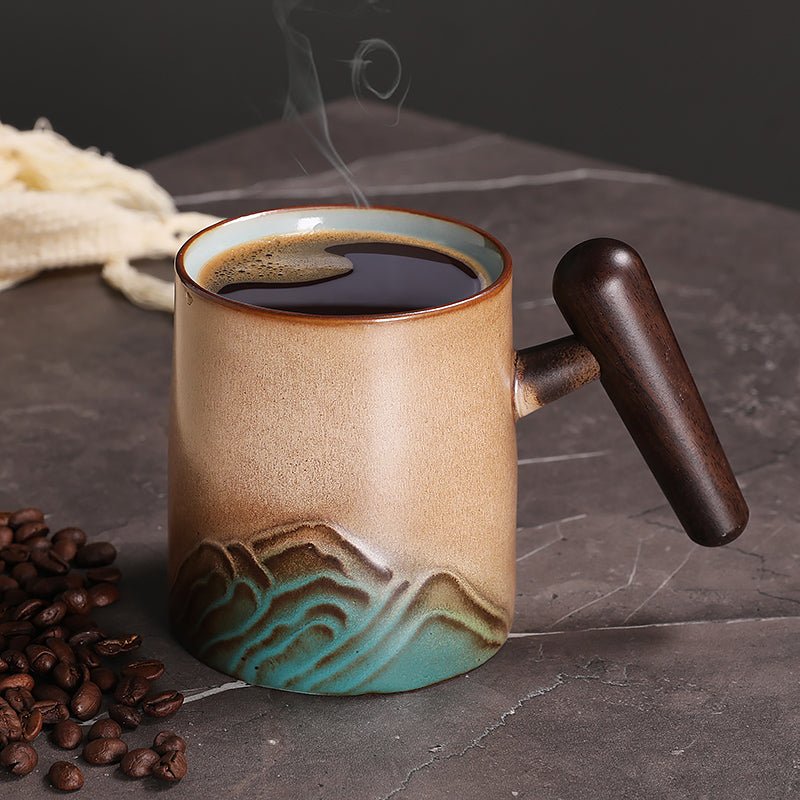
Coffee Mug Designs: How to Choose the Right Shape, Size, and Finish
A practical guide to coffee mug designs for shoppers comparing shape, comfort, and everyday use. We cover what actually matters on a kitchen counter, in the office, and in the dishwasher.
Czytaj dalej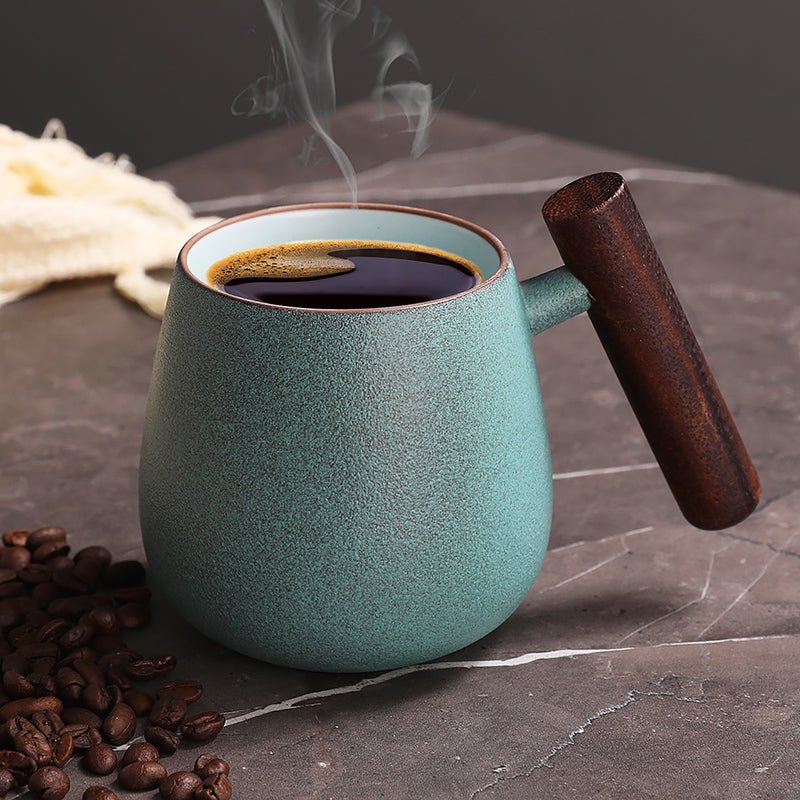
Steel Coffee Mug Buying Guide: What to Check Before You Buy
A steel coffee mug should feel solid in the hand, clean easily, and suit the way you actually drink coffee. Here is how we compare finishes, lids, and everyday use before we list a mug in our store.
Czytaj dalej
Zostaw komentarz
Ta strona jest chroniona przez hCaptcha i obowiązują na niej Polityka prywatności i Warunki korzystania z usługi serwisu hCaptcha.