
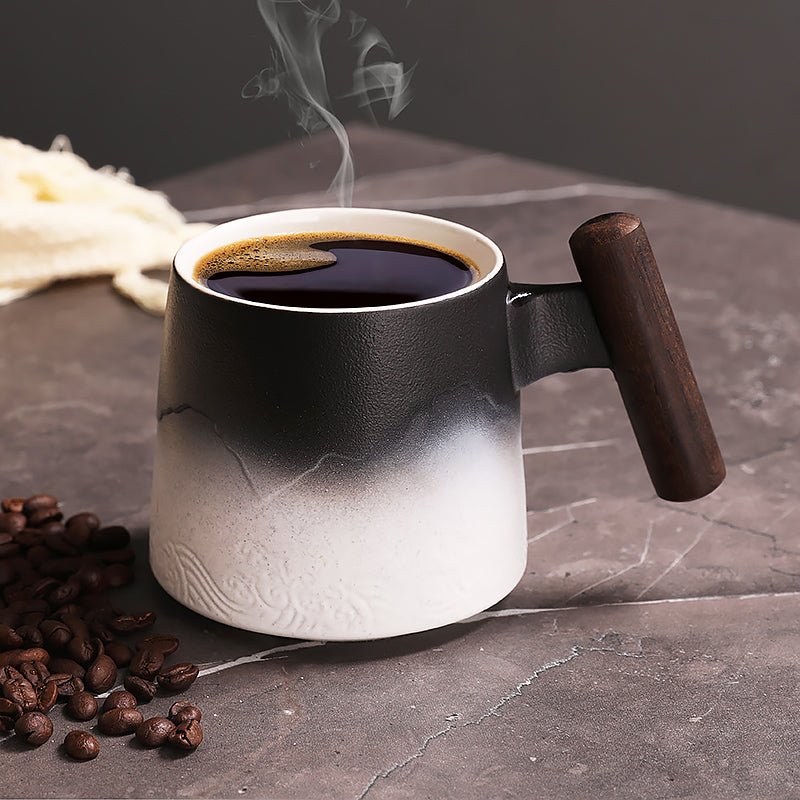
Coffee Mug Dimensions: Sizes, Fit, and What to Check Before Buying
Reading time: about 9 minutes
A mug can look perfect online and still feel awkward in a real kitchen cabinet. We see this all the time: the cup fits the photo, but the handle catches on the shelf, the mug is too tall for the under-cabinet coffee machine, or the opening is wider than the buyer expected.
That is why coffee mug dimensions matter more than the product image. Capacity tells only part of the story. Height, rim diameter, base width, and handle space decide whether a mug works for your morning routine, office desk, or dishwasher rack.
In our store, we look at mugs the way shoppers actually use them: quick pours before work, long desk sessions, gift unboxings, and repeated dishwasher cycles. This guide breaks down coffee mug dimensions in plain language so you can choose a size that fits your hand, your brewer, and your shelf space.
What do coffee mug dimensions actually include?
Most buyers focus on ounces, but a mug’s physical dimensions can matter just as much. A 12 oz mug can be short and wide, tall and narrow, or somewhere in between. Those shapes change how the mug feels, how stable it sits, and whether it clears a pod machine or cabinet lip.
When we check mugs, we look at four measurements:
- Capacity — how much liquid it holds, usually listed in ounces.
- Height — important for cabinet clearance and machine fit.
- Rim diameter — affects sipping comfort, heat loss, and spoon space.
- Base width and handle clearance — help determine stability and grip comfort.
Material also changes the experience. Ceramic is the most common because it keeps heat reasonably well and feels familiar in the hand. Stoneware is usually thicker and heavier. Porcelain tends to feel lighter and finer. Stainless steel travel mugs are a different category entirely; they solve spill resistance, but they are not the same as a desk mug you want to sip from at a workstation.
How do common mug sizes compare in real use?
The easiest way to compare coffee mug dimensions is to think about how much coffee you actually pour and where you use the mug. A size that looks small in a product photo may be the best fit for a strong espresso-based drink. A larger mug may be comfortable for tea, cocoa, or a long refill-free morning, but it can feel oversized for a standard drip coffee pour.
For a deeper breakdown by size, we also cover individual options in our size-specific guides like 10 oz Coffee Mug: Size, Fit, and What to Check Before You Buy, 11 oz Coffee Mug: Size, Fit, and What to Check Before You Buy, and 12 oz Coffee Mug: Size, Fit, and What to Check Before Buying.
| Common size | Typical use | Real-world fit notes |
|---|---|---|
| 10 oz | Short coffee pours, smaller hands, espresso drinks | Good for compact cabinets and office desks; may feel small for large drip coffee |
| 11 oz | Standard everyday mug | A balanced middle ground for home and office use |
| 12 oz | Typical drip coffee, tea, and cocoa | Often the easiest size for shoppers who want a little extra room |
| 15 oz | Larger coffee servings, longer sipping sessions | Can be tall enough to matter for machine clearance and shelf height |
| 16 oz | Big pours, milk-heavy drinks, all-day desk use | Comfortable for volume, but heavier when full and not ideal for tight cabinets |
If you are deciding between those middle sizes, our related guides for 15 oz Coffee Mug: Size, Fit, and What Buyers Should Check and 16 Ounce Coffee Mug Buyer’s Guide: Size, Material, and Fit are useful next reads.
Which dimensions matter most for cabinets, coffee machines, and dishwashers?
We hear three fit complaints more than any others: “It does not fit under my machine,” “It hits the shelf above my mugs,” and “The handle blocks the neighboring cup in the dishwasher.” Those are dimensional problems, not capacity problems.
Before buying, measure these spaces at home:
- Cabinet shelf clearance — measure the vertical space from shelf to shelf. Leave room for your hand to slide the mug in and out.
- Coffee machine height clearance — especially for pod machines and espresso setups where the mug must sit under the spout.
- Dishwasher rack spacing — tall mugs and wide handles can touch during the cycle or block the spray pattern.
- Counter footprint — a wide mug may take up more drying or storage space than you expected.
In our experience, taller mugs are the most likely to cause trouble on crowded lower shelves. Wider mugs can be easier to sip from, but they also take up more horizontal room. If your cabinet is already tight, a shorter 10 oz or 11 oz mug may work better than a larger model. If you want a bigger daily cup, look at the 12 oz to 16 oz range and check the full profile carefully. Our 16oz Coffee Mug Buyer’s Guide: Size, Material, and Fit goes deeper into that balance.
How do mug shape and handle size change the feel?
Two mugs can share the same capacity and still feel completely different. One may have a narrow body and a small handle; the other may be squat with a larger grip opening. The difference shows up the second you pick them up with a full pour.
Three details make the biggest difference in daily use:
- Handle opening — if you use two or three fingers, make sure the handle has enough room without pinching.
- Wall thickness — thicker stoneware holds heat a bit longer but adds weight; thinner porcelain feels lighter but can cool faster.
- Lip shape — a rolled rim can feel smoother on the mouth than a sharp cut edge.
We also look for balance. A mug with a narrow base and a very tall body can feel top-heavy. That is not necessarily a defect, but it is not the best choice for a crowded desk or a kitchen where mugs get bumped around.
A mug should feel easy before the first sip. If the handle needs adjusting every time you lift it, the dimensions are working against you.
What size works best for coffee, tea, and milk-heavy drinks?
The right coffee mug dimensions depend on what you actually pour into it. A black coffee drinker and a latte drinker do not need the same shape.
Here is the practical breakdown we use in our store:
- 10 oz — better for short black coffee, cappuccino-style drinks, and smaller servings.
- 11 oz to 12 oz — the best all-around range for many homes; enough room without feeling oversized.
- 15 oz to 16 oz — better for large drip coffee, tea refills, cocoa, or drinks with milk and foam.
If your routine includes latte art, a wider mouth may help with pouring, but it can also lose heat faster. If you drink slowly at a desk, the larger mugs can be useful. If you finish coffee quickly and want something that stays warmer in the hand, a smaller mug may be a better buy.
For shoppers comparing the bigger end of the range, our article on 20 oz Coffee Mug: What to Check Before You Buy is helpful, especially if you are deciding between a large ceramic mug and a travel-style container. If you need a very large serving size, the 24 Ounce Coffee Mug Buyer’s Guide: Size, Fit, and What to Check covers the trade-offs that come with oversized mugs.
What are the common quality issues to check before buying?
A mug can be the right size and still disappoint if the construction is poor. We inspect mugs for a few common issues that matter in real use, not just in photos.
- Uneven glaze — may be cosmetic, but rough patches can make the finish feel cheap.
- Wobble on a flat surface — often caused by an uneven base or firing variation.
- Sharp rim or handle seam — can make the mug uncomfortable to use.
- Thin glaze coverage near the foot — more likely to show wear over time, especially in repeated dishwasher cycles.
Care matters too. Most ceramic and stoneware mugs do fine in the dishwasher, but hand-washing can help preserve printed designs and reduce long-term wear on decorative surfaces. If a mug has metallic detailing, textured embellishments, or a delicate finish, that may limit dishwasher or microwave use. We would rather tell you that up front than have you find out after the first wash.
How do you choose the right mug size for your space?
The easiest way to shop is to match the mug to the space where it will live. A kitchen mug, an office mug, and a gift mug often need different dimensions.
Use this quick checklist:
- Measure your cabinet height before choosing a tall mug.
- Check your machine clearance if you use a single-serve brewer or espresso setup.
- Think about how long you sip. Fast drinkers often prefer smaller mugs; slow sippers usually want more capacity.
- Check the handle fit if you have larger hands or prefer a two-finger grip.
- Decide whether weight matters. A heavier stoneware mug feels sturdy, but it is not ideal if you carry coffee between rooms all morning.
If you want to browse options after reading, our full collection of mugs is the best place to compare styles, capacities, and shapes side by side. We also keep our main product listings at our products page so you can check current availability without guessing from old screenshots or outdated dimensions.
Frequently asked questions
What are standard coffee mug dimensions?
There is no single universal standard, but many everyday mugs fall between 10 oz and 12 oz, with heights often around 3.5 to 4.5 inches. Wider mugs may feel lower in the hand, while taller mugs usually need more cabinet clearance.
Is an 11 oz mug big enough for daily coffee?
For many people, yes. An 11 oz mug is a common everyday size because it balances capacity and ease of handling. If you usually add a lot of milk or prefer larger pours, a 12 oz or 15 oz mug may be a better fit.
How do I know if a mug will fit under my coffee machine?
Measure the vertical space from the drip tray to the underside of the spout or machine housing, then compare that to the mug height. Leave a little room for easy placement, especially if the mug has a tall handle or a slightly raised base.
Are larger mugs harder to use in the dishwasher?
They can be. Tall mugs may touch the upper rack, and wide handles can block neighboring items. If your dishwasher is already crowded, a shorter mug shape often loads more easily and dries more consistently.
What is the best mug size for a gift?
A 11 oz or 12 oz mug is usually the safest gift size because it fits most routines and most kitchens. If the recipient drinks large lattes or tea refills all day, a 15 oz mug may be more practical.
If you are still deciding, compare the mug height, rim width, and handle opening before you check out. Those three details tell you more about real comfort than the ounce number alone, and they will help you pick the right mug the first time.
Read more
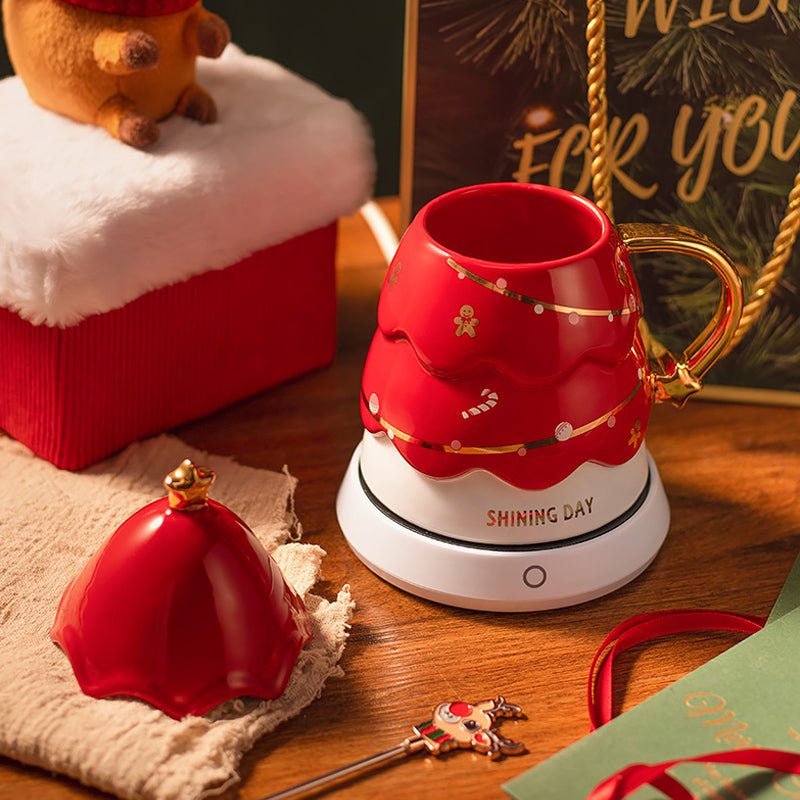
Christmas Ceramic Coffee Mugs: What to Check Before You Buy
Christmas ceramic coffee mugs can be cozy gifts, desk upgrades, or everyday cups for December and beyond. This guide shows what to check before you buy so you can choose a mug that looks festive, f...
Czytaj dalej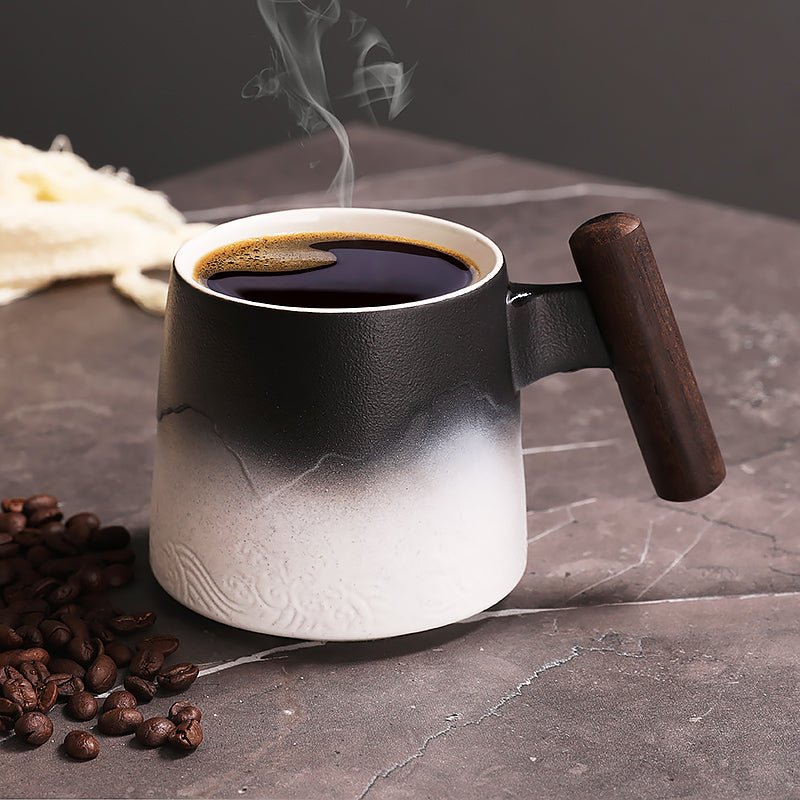
Coffee Mug for Men: Size, Material, and Fit Before You Buy
A coffee mug for men should feel stable in the hand, fit the way you actually drink, and hold up after repeated use. We break down size, material, handle comfort, and the checks that matter before ...
Czytaj dalej
Zostaw komentarz
Ta strona jest chroniona przez hCaptcha i obowiązują na niej Polityka prywatności i Warunki korzystania z usługi serwisu hCaptcha.