
Coffee Mug Buying Guide for First-Time Buyers
Reading time: about 8 minutes
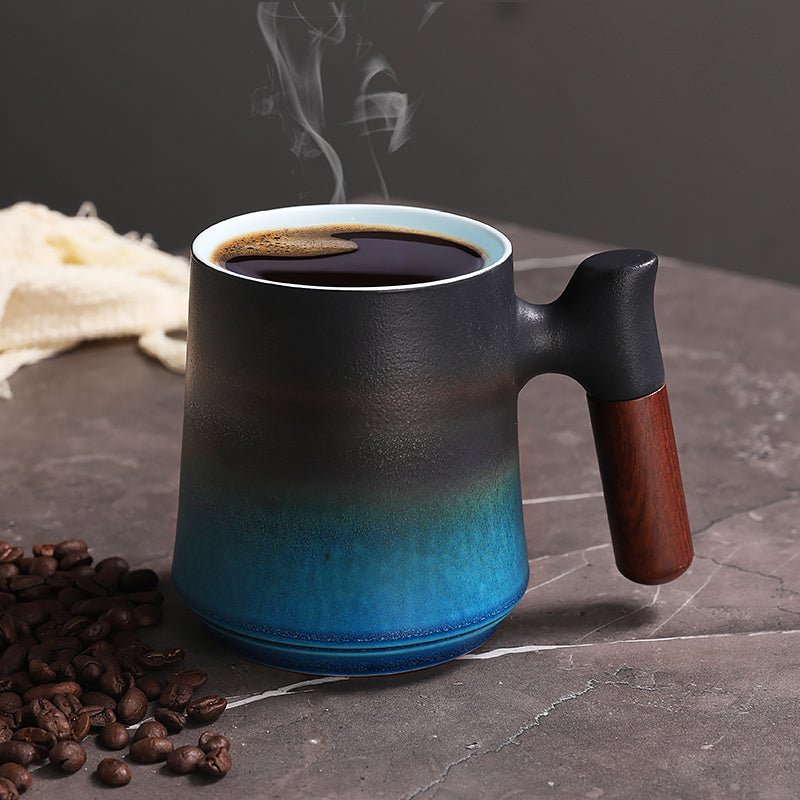
A first mug purchase usually happens at a real counter, not in a vacuum. One buyer wants a cup that fits a morning pour from the drip machine, another wants something that will not overheat in the microwave, and a third wants a gift that does not feel generic. We write this buying guide from the products we handle in our store, and if you want a quick starting point, open our Gradient Coffee & Tea Mug product page and browse the all mugs collection while you read.
The right mug is not just about looks. Size, material, handle shape, and care instructions decide whether it becomes a daily favorite or a cabinet piece that never gets used. In our experience, first-time buyers usually make the best choice when they compare a few concrete details instead of shopping by color alone.
Which mug size should a first-time buyer start with?
Size is the fastest way to narrow the field. A mug that is too small feels frustrating on busy mornings. A mug that is too large can be awkward to hold, slow to finish, and harder to fit under a home coffee machine.
For most first-time buyers, the sweet spot is usually 12 oz or 16 oz. A 12 oz mug works well for a standard drip coffee or tea without feeling oversized on the desk. A 16 oz mug gives more room for milk, foam, or a larger home brew, but it will feel bulkier in the hand.
| Size | Best for | Main trade-off |
|---|---|---|
| 8 oz | Espresso drinks, small tea servings, compact kitchen shelves | Too small for most drip coffee or milk-heavy drinks |
| 12 oz | Daily coffee, office desks, lighter hand feel | Less room if you like larger pours |
| 16 oz | Long mornings, lattes, bigger servings | Heavier and more likely to feel oversized |
| 20 oz | Buyers who want a large mug and fewer refills | Can feel unwieldy and may be too tall for some machines |
If you already know you want a smaller everyday cup, our 12 oz Coffee Mugs: How to Choose the Right Mug for Daily Use article is a practical place to start. For buyers who want more room without jumping straight to an oversized mug, compare that with our 16 oz Coffee Mugs: How to Choose the Right Mug for Daily Use guide. If you think you need a larger daily vessel, our 20 oz Coffee Mugs: How to Choose the Right Fit for Daily Use article covers the practical trade-offs.
What material feels best for daily use?
Material changes the way a mug feels in the hand, how fast it cools, and how much care it needs. For first-time buyers, the common choices are ceramic, stoneware, porcelain, and stainless steel. Each has a real use case, and each has limits.
Ceramic is the familiar middle ground. It tends to be easy to live with, widely available, and suitable for everyday kitchen use. Stoneware is usually thicker and heavier, which gives it a sturdy feel and decent heat retention, but that extra mass can be a downside if you want a lighter mug for office use. Porcelain is thinner and often looks more refined; it is a strong pick for buyers who want a cleaner, lighter feel, but it can chip more easily if it gets knocked around. Stainless steel is more of a travel or outdoor option. It is not a microwave choice, and it does not give the same drinking experience as a classic mug on a kitchen table.
Here is the practical version we use in our store:
- Ceramic for the broadest everyday use and easy replacement if you want a standard mug.
- Stoneware for a heavier, more substantial feel on the counter or at a home desk.
- Porcelain for a lighter, more refined mug that still belongs in daily rotation.
- Stainless steel only if the buyer needs portability and is not depending on the microwave.
Trade-off matters here. A thicker mug usually holds heat a bit longer, but it also adds weight. A thinner mug can feel nicer at the lip, but it may not be the best match for someone who drops mugs into the sink or stacks them tightly in a cabinet.
What should you inspect before you buy?
The small details are where mug quality shows up. We inspect these items because they are the first places buyers notice disappointment after the box is opened or after a few dishwasher cycles.
Look for these points before you commit:
- Handle clearance: your fingers should fit without squeezing. If the opening is too tight, the mug feels awkward from the first sip.
- Base stability: a flat, even foot helps the mug sit securely on a kitchen counter, office desk, or tray.
- Rim finish: the drinking edge should feel smooth, not sharp or uneven.
- Glaze quality: watch for pinholes, rough spots, or visible crazing if you want a mug that looks clean up close.
- Wall thickness: thicker walls usually feel more substantial, while thinner walls feel lighter and can be nicer for lighter pours.
We also pay attention to common defect modes that first-time buyers often miss online: a handle that is attached at an awkward angle, a base that wobbles on a flat table, chips on the rim from packaging damage, and hairline cracks in the glaze that show up after repeated heating and cooling. None of those issues are ideal for a mug that is supposed to be used every day.
Care is part of quality too. If a mug is labeled dishwasher safe, that is helpful, but the finish still matters. Printed designs and metallic accents usually need more caution than a plain glazed ceramic body. If you use a microwave often, make sure the mug is actually suitable for it. Do not assume every mug is.
Which mug fits home, office, or gifting?
The right choice changes with the setting. A mug that works at the kitchen sink may not be the one you want on a crowded office desk. A gift mug needs a little more flexibility because you are not buying only for your own routine.
For home use, a 12 oz or 16 oz ceramic mug is usually the easiest choice. It handles drip coffee well, fits most cupboards, and is simple to wash. For office use, buyers usually appreciate a mug that is stable, not too tall, and easy to grip with one hand while typing. For gifting, a mug should feel solid in the hand and look good straight out of the box, but it should also be practical enough that the recipient will actually use it.
We usually narrow it down like this:
- If the mug is for a desk, prioritize handle comfort and a stable base.
- If the mug is for a gift, prioritize a clean finish and a size that works for most coffee drinkers.
- If the mug is for a daily routine at home, prioritize size and care instructions over decorative extras.
If you want more size-specific context, our blog breaks the decision down further in the 8 Ounce Coffee Mugs: How to Choose the Right Small Mug article for compact servings, especially if you make espresso-based drinks or drink smaller portions. We also recommend revisiting the 20 oz Coffee Mugs: How to Choose the Right Size, Material, and Fit guide if you keep going back and forth between a standard mug and a larger one.
One limitation worth saying plainly: a big mug is not automatically a better mug. If you like smaller, hotter servings, a 20 oz cup may frustrate you. If you usually make a modest pour, a 12 oz mug often feels more balanced and easier to use.
How do you compare two mugs side by side without overthinking it?
When buyers feel stuck, we tell them to compare only four things: size, material, handle comfort, and care. That keeps the decision grounded and avoids getting distracted by surface details that do not change daily use.
A simple comparison checklist works best:
- Size: does it match the amount you actually drink?
- Material: does it fit your preference for weight, heat retention, and microwave use?
- Handle: can you grip it comfortably with your usual hand position?
- Care: will you realistically wash it by hand, or do you need dishwasher-friendly construction?
That approach is practical because it reflects how mugs are used in real life. A buyer at a kitchen counter has different needs than someone sipping through a long meeting at a desk. The best mug is the one that fits the routine you already have, not the one that sounds best on paper.
Frequently asked questions
What size coffee mug is best for a first-time buyer?
For most first-time buyers, 12 oz is the safest starting point because it works for standard coffee without feeling oversized. If you drink larger pours or add a lot of milk, 16 oz may fit better. If you prefer smaller servings, 8 oz can be the right choice, but it is not as flexible for everyday drip coffee.
Is ceramic or stoneware better for daily use?
Ceramic is usually the easier all-around option because it is familiar, practical, and broadly available. Stoneware is a good pick if you want a heavier mug with a more substantial feel, but that extra weight is not ideal for every buyer. If you want the lightest feel, porcelain is worth comparing too.
Can I put a printed mug in the dishwasher and microwave?
Only if the maker says it is safe for both. Printed graphics, metallic details, and some specialty finishes can wear faster in a dishwasher or react poorly in a microwave. Plain glazed ceramic is usually simpler to live with, but always check the care note before buying.
What should I avoid if I want a mug that lasts?
Avoid mugs with rough rims, uneven bases, loose-feeling handles, or visible glaze flaws. Those are the details that often become problems after regular use or a few dishwasher cycles. If the mug is going to live on a busy kitchen counter, durability matters more than decoration.
Is a 20 oz mug too big for first-time buyers?
Not always, but it is a committed choice. A 20 oz mug is useful if you want a large serving or fewer refills, yet it can feel heavy, take longer to finish, and be awkward under some coffee machines. If you are unsure, compare it against a 12 oz or 16 oz mug before choosing the larger size.
If you are still deciding, compare one mug at a time against your routine, then browse the all mugs collection to narrow the shape and size that fits your counter, desk, or gift list.
Read more
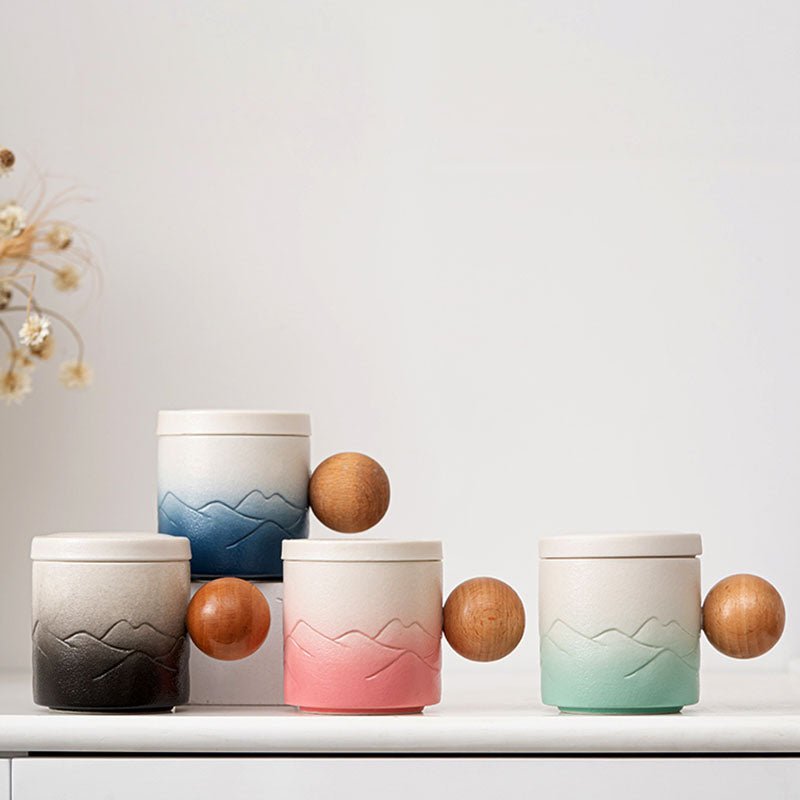
Small Coffee Corner Ideas for Office Desks and Shared Kitchens
Practical small coffee corner ideas for office desks and shared kitchens, with mug shape trade-offs, cleanup habits, and setup tips that keep a tight space usable.
Czytaj dalej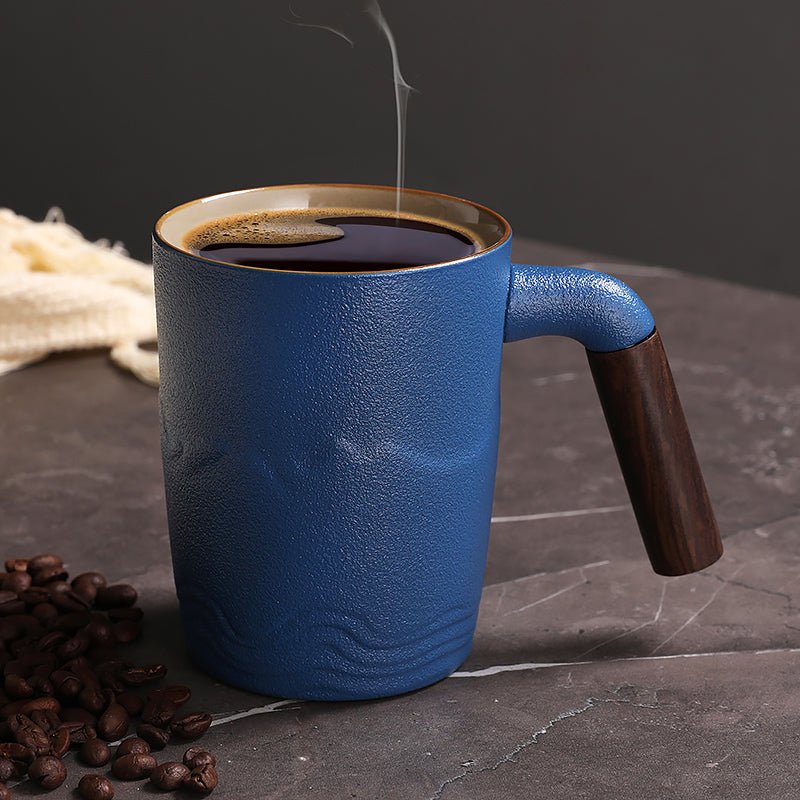
Maintenance Tips That Help Coffee Mugs Last Longer
Practical maintenance tips for coffee mugs that reduce chips, stains, and worn finishes. Use these habits to keep ceramic mugs looking better and working longer.
Czytaj dalej
Zostaw komentarz
Ta strona jest chroniona przez hCaptcha i obowiązują na niej Polityka prywatności i Warunki korzystania z usługi serwisu hCaptcha.