
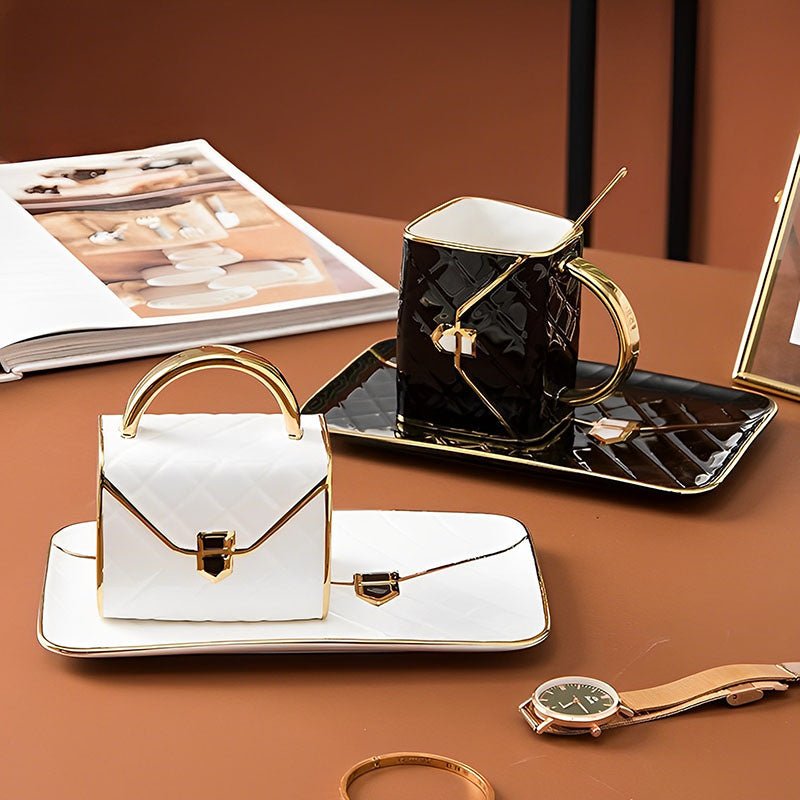
Clear Coffee Mug Buyer's Guide: Materials, Sizes, and Daily Use
Reading time: about 8 minutes
A clear coffee mug changes how a drink looks on the counter, but the buying decision is still practical. We see shoppers pick one up for the clean look, then ask the same questions we ask in our store: does it feel balanced in the hand, is the glass thick enough for daily use, and will it still look clear after a week of dishwasher cycles?
If you are comparing options now, our full collection is the fastest place to browse styles, and our products page is where we point shoppers who want to move from browsing to choosing a specific mug.
What does a clear coffee mug do better than an opaque mug?
A clear coffee mug is best when the drink itself is part of the experience. You can see crema on an espresso drink, milk mixing into coffee, or a layered iced latte before you take the first sip. That matters more than people expect, especially on a kitchen counter or office desk where the mug is sitting in view most of the day.
There is a trade-off. Clear glass shows everything. Water spots, fingerprints, hard-water haze, and tiny scratches are easier to notice than on ceramic. It also does not hide tea staining or coffee residue as well as a darker mug. If you want a mug that always looks pristine with minimal effort, an opaque ceramic mug is usually more forgiving.
We also see a difference in how people use them:
- For presentation, a clear mug is strong. Latte art and milk foam look better in glass.
- For heat retention, clear glass is usually weaker than a thick ceramic mug or an insulated double-wall cup.
- For durability, the quality of the rim, handle, and base matters more than the clear look itself.
If your top priority is holding heat for a long time, a clear coffee mug is usually not the best choice. If your priority is seeing the drink and keeping the look clean and modern, it makes sense.
Which size should you start with?
Size is where many buyers get it wrong. A clear mug can look elegant on a screen and still feel awkward on a real desk if it is too small for your usual pour or too tall for your machine. If you want to compare the common sizes, our size guides for the 10 oz Coffee Mug: Size, Fit, and What to Check Before You Buy, the 12 oz Coffee Mug: Size, Fit, and What to Check Before Buying, and the 16 Ounce Coffee Mug Buyer’s Guide: Size, Material, and Fit are the best places to compare fit before you buy.
| Size | Best for | What to check |
|---|---|---|
| 10 oz | Smaller pour-over servings, espresso-based drinks, or people who like less empty space at the top | Feels compact, but may be too small for milk-heavy drinks |
| 12 oz | Standard drip coffee, cappuccinos, and everyday desk use | Often the most balanced option for handle feel and drink volume |
| 16 oz | Larger coffee pours, longer sips, and drinkers who add extra milk | Can feel bulky in smaller hands and may need more storage space |
Our experience is that 12 oz is the easiest starting point for most shoppers. It is large enough for a real cup of coffee, but not so large that it dominates the hand or looks oversized on a small work surface. If you regularly make bigger drinks, the 15 oz Coffee Mug: Size, Fit, and What Buyers Should Check is worth a look too.
What glass and build details should you check before buying?
Two clear mugs can look almost identical in photos and feel very different in the hand. We check a few details every time because those are the ones that cause complaints later.
- Glass type: Many clear mugs are made from borosilicate glass or standard soda-lime glass. Borosilicate is usually the better pick if the mug will move between hot coffee and a cool sink or counter quickly.
- Rim finish: A smooth rim matters more than people think. A rough or uneven rim is noticeable at every sip.
- Handle shape: The opening needs enough room for real fingers, not just a small decorative loop.
- Base thickness: A mug with a flat, stable base is less likely to wobble on a desk or chipped countertop.
- Clarity and seams: Look for cloudiness, trapped bubbles, or obvious mold lines if a perfectly clean look matters to you.
These are the same issues that show up in returned glassware. A thin handle can feel fragile even if the mug is technically usable. A slightly uneven base can make a mug rock on the table. And if the glass is too thin, it can feel delicate in a way that makes people stop using it every day.
If you want the cleanest-looking mug possible, do not judge it only by the photo. Check the rim, the handle opening, and the base thickness. Those three details tell you more about day-to-day satisfaction than a polished product image does.
Is a clear coffee mug practical for daily use?
Yes, with the right expectations. A clear coffee mug works well for home kitchens, office desks, and gift sets because it feels neat and easy to style. It is especially good when the mug is going to sit in view, because the drink inside becomes part of the presentation.
It is not the best option for every routine. If you are rough on dishes, frequently stack mugs rim-to-rim, or want a cup that hides every coffee ring, clear glass can be less forgiving. If you need maximum heat retention during long meetings, an insulated mug will do a better job. If you tend to grab a mug with wet hands or move it around a crowded sink, a heavier ceramic mug may feel safer.
For daily use, the best clear mugs are the ones that keep their shape after repeated washing. We look for mugs that can handle normal dishwasher use when the manufacturer says they can, and we pay attention to whether the glass stays clear rather than turning cloudy after a few cycles. Hard water is a real issue in some kitchens, so the finish matters.
How do you keep clear glass from looking cloudy?
Clear glass needs a little more care than ceramic if you want it to stay visually clean. Most problems are not dramatic; they are the small things that add up on a mug used every day.
- Rinse the mug soon after use, especially after milk drinks or sweetened coffee.
- Use a soft sponge or cloth instead of abrasive scrubbers.
- Dry it with a lint-free towel if your water leaves spots.
- Avoid stacking it against other mugs if the rims touch.
- Check for chips or hairline cracks before putting it back into rotation.
If your sink water is hard, a clear coffee mug will show mineral spots faster than a ceramic mug. That is not a defect in the mug itself, but it does change how it looks on the shelf. A quick dry after washing usually makes the difference.
We also recommend watching for temperature shock. Pouring boiling water into a mug that is already very cold, or moving it from a hot dishwasher into a cold rinse, can be harder on the glass than regular daily use. That does not mean clear glass is fragile by default. It means the mug should match the way you actually use it.
Who should choose a different style instead?
A clear coffee mug is not the best match if you want to hide stains, keep drinks hot for a long time, or throw the mug into a busy travel routine. In those cases, a thick ceramic mug or a travel mug usually makes more sense.
We also tell shoppers to skip clear glass if they are buying for a setting where durability matters more than presentation, such as an outdoor patio, a shared office kitchen, or a household where mugs get stacked tightly. A clear mug is easiest to enjoy when it gets a little care and a little space.
If you are shopping for a gift, clear mugs can work well because they look polished out of the box and suit many kitchens. They are less ideal if the person you are buying for wants a heavy mug, a very warm feel in the hand, or a piece that can be tossed into the sink without thought.
Frequently asked questions
Are clear coffee mugs dishwasher safe?
Some are, but not all. Check the maker’s care instructions before assuming it is safe for every wash cycle. If the mug is dishwasher-safe, top-rack placement is usually the safer choice for everyday cleaning.
Do clear coffee mugs stain like ceramic mugs?
They can show residue and hard-water spots more easily, but the surface itself does not hold stains the same way porous ceramic can. That means they may look dirty faster, even when they are not permanently stained. Regular rinsing and drying helps keep them clear.
Is borosilicate glass better for a clear coffee mug?
Usually, yes, if you want better resistance to temperature change. It is a practical choice for hot coffee because it handles heat shifts more comfortably than many basic glass styles. It is still glass, so it should be used with normal care.
What size clear coffee mug is best for everyday use?
For most shoppers, 12 oz is the safest starting point. It fits a standard cup of coffee without feeling oversized, and it usually works well for office desks and kitchen counters. If you prefer smaller servings or larger milk-based drinks, compare 10 oz and 16 oz first.
Can I use a clear coffee mug for iced drinks too?
Yes, and clear glass is often better for iced drinks than for hot ones from a visual standpoint. You can see the ice, milk, and coffee layers clearly. Just make sure the mug has a stable base and enough capacity for the ice you normally add.
If you are narrowing your choice now, start with the size guides for 10 oz, 12 oz, and 16 oz, then browse our collection to compare the shapes and finishes side by side. That is the fastest way to decide whether you need a compact clear coffee mug, a standard everyday size, or a larger cup for milk-heavy drinks.
More from our blog
Read more
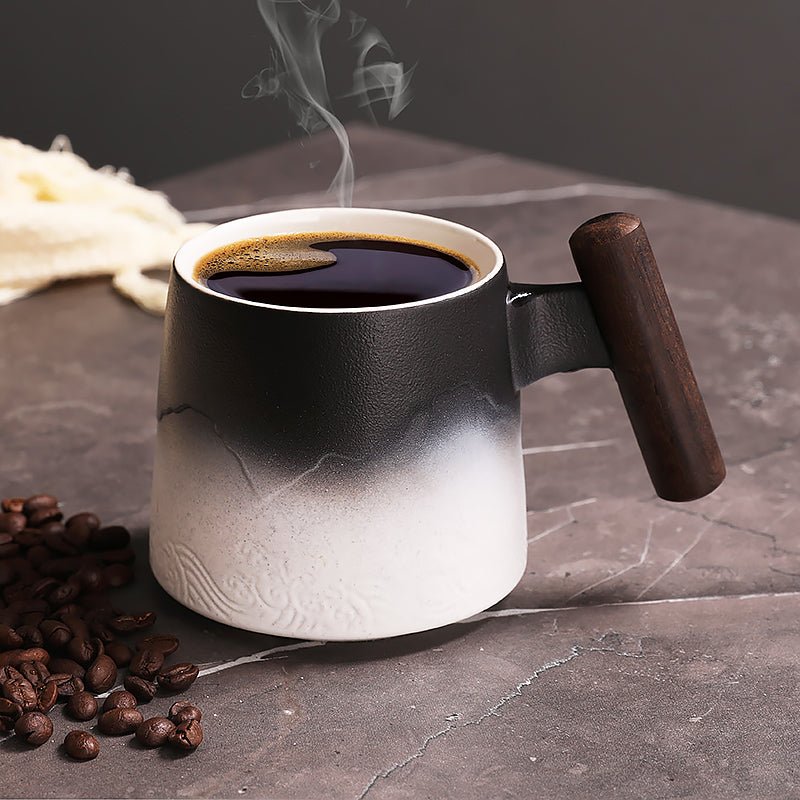
Discount Coffee Mugs That Still Feel Solid and Useful
Discount coffee mugs can be a smart buy if you know where the shortcuts are. We break down materials, sizes, care, and the trade-offs that matter before you order.
Czytaj dalej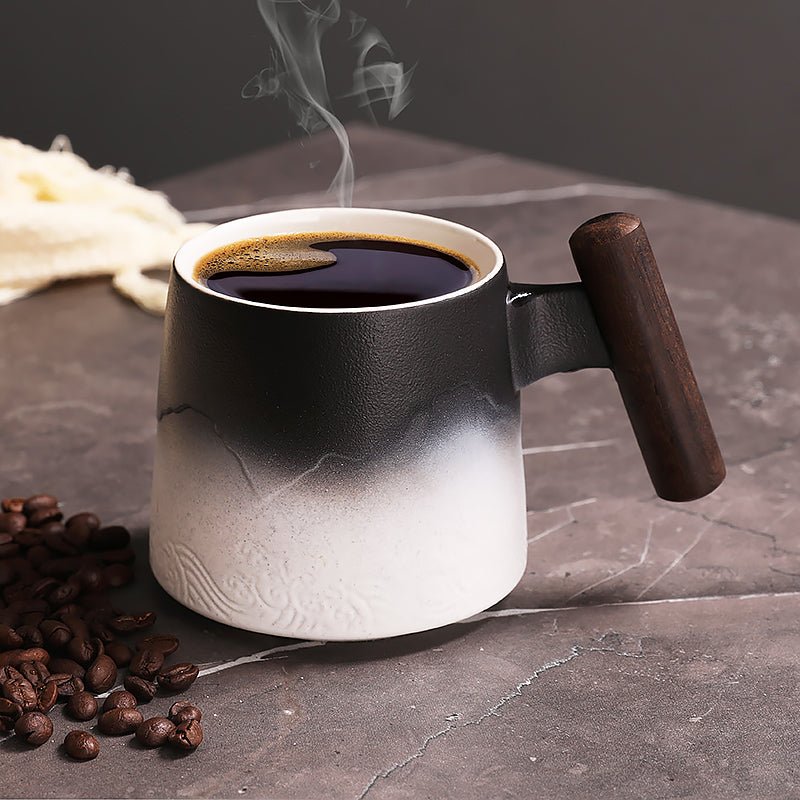
Coffee Mugs in Bulk: Sizes, Materials, and Ordering Checks
A practical guide to buying coffee mugs in bulk for offices, events, or gifts, with the size, material, and order checks we use in-store.
Czytaj dalej
Zostaw komentarz
Ta strona jest chroniona przez hCaptcha i obowiązują na niej Polityka prywatności i Warunki korzystania z usługi serwisu hCaptcha.