
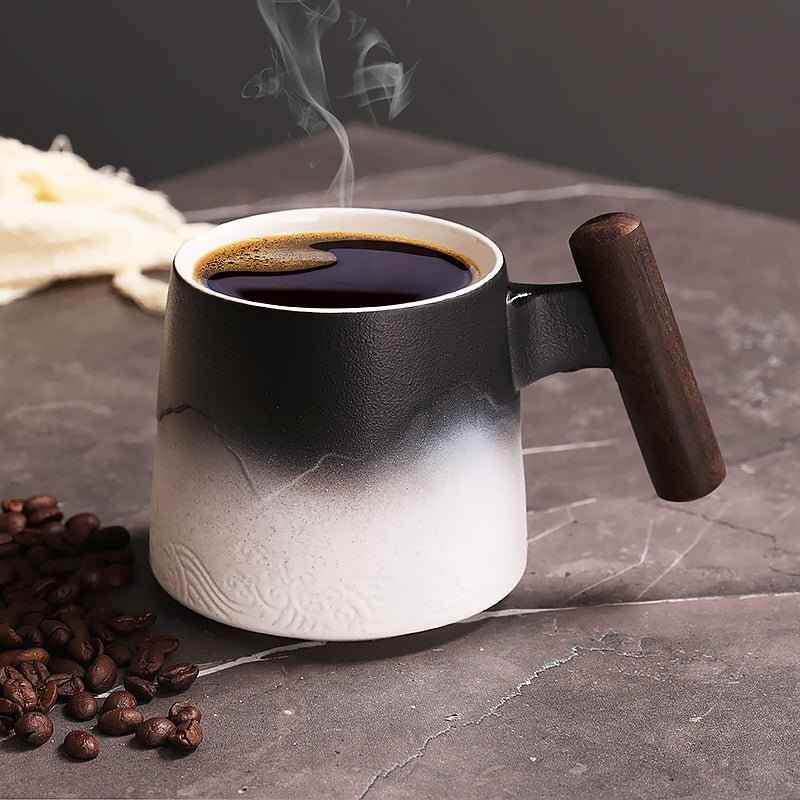
Brown Coffee Mugs: What to Check Before You Buy
Reading time: about 9 minutes
What should you check first on a brown coffee mug?
Brown coffee mugs can look simple on a shelf and still disappoint in hand. We see the issues first on the counter: a handle that crowds your fingers, a base that rocks on stone, or a glaze that looks rich online and flat in daylight. In our store, we look at mugs the way people actually use them at home, at an office desk, and during a gift unboxing.
If you want a practical starting point, compare the Mountain Coffee Tea Mug and the Great Mountain Coffee Tea Mug against the rest of our all mugs collection. Color matters, but the shape, rim, and handle tell you more about daily comfort than the shade alone.
We also tell shoppers to look for the little things that are easy to miss in product photos:
- A rim that feels smooth when you sip, not sharp or unfinished.
- A flat foot ring that sits steady on a counter or desk.
- A handle with enough clearance for two fingers, especially if you like a fuller mug.
- A glaze that looks even under kitchen light, not just in staged photography.
Brown mugs do one job very well: they hide some daily wear better than bright white mugs. Coffee rings, tiny splashes, and a little cabinet dust are less obvious. They are not magic, though. A brown mug can still show mineral film if you let it air-dry with hard water, and a matte finish can show oils from your hands faster than a glossy one.
For shoppers who want a different visual tone, the Emerald Coffee Tea Mug is a useful comparison. Brown reads warmer and more grounded; emerald reads brighter and more distinct on a shared shelf. That matters if you are buying for an open office kitchen or a family cabinet where every mug needs to be easy to spot.
What size brown coffee mug fits real daily use?
Most buyers narrow their search by color too early. Size changes the experience more. A mug that is too small cools off fast and needs constant refills. A mug that is too large can get heavy when filled, especially if you like to carry it from kitchen to desk with one hand.
For everyday coffee, people usually compare the 12 oz to 16 oz range. A 12 oz mug is a good fit if you drink one standard pour and want the mug to feel balanced in the hand. A 14 oz or 16 oz mug works better if you like room for milk, tea, or a longer coffee break that starts on the counter and ends at your desk.
If you are still deciding on size, our related guides can help you think through the trade-off: 16 oz Coffee Mugs: How to Choose the Right Mug for Daily Use and Brown Coffee Mugs: Materials, Sizes, and Buying Tips.
- Choose 12 oz if you want a lighter mug, shorter heat loss, and a cleaner fit under compact coffee machines.
- Choose 14 oz if you split the difference between hand feel and capacity.
- Choose 16 oz if you want extra room for cream, foam, or a second pour.
One practical note from our side: bigger is not automatically better. Oversized mugs can become awkward if the handle is small or the wall is thin. If the mug looks wide but the handle is undersized, it will feel clumsy before the first sip is finished.
Which material works best for brown coffee mugs?
Material drives the feel of a mug more than the color does. A brown finish can sit on stoneware, ceramic, or porcelain, and each one behaves differently on a kitchen table or office desk.
| Material | What it feels like | Best for | Trade-off |
|---|---|---|---|
| Stoneware | Heavier, sturdier, usually warmer in the hand | Daily use, relaxed breakfasts, mugs that stay put | Can feel bulky if you prefer a lighter cup |
| Ceramic | Balanced weight and a familiar everyday feel | Most home kitchens and casual office use | Quality varies more from piece to piece |
| Porcelain | Lighter and more refined in the hand | Cleaner table settings, lighter drinkers, gift sets | Can feel less substantial if you like a thick mug wall |
Our practical advice is simple. If you want a mug that feels grounded and forgiving, stoneware is usually the safer bet. If you want a lighter profile, porcelain can work well, but it is not the right pick if you prefer a thick wall that holds heat longer. Ceramic sits in the middle, which is why many shoppers start there.
We also look at the surface itself. A glossy brown glaze is easier to wipe clean after a coffee ring or a tea drip. A matte brown mug can look more tactile and modern, but it may show fingerprints and smudges sooner. Neither is wrong. They just behave differently on a busy countertop.
If you want more detail on the material side, the buying notes in Brown Coffee Mugs: Materials, Sizes, and What to Check Before Buying go deeper into the kind of finish and weight people usually miss when they shop from a thumbnail image.
What handle and rim details make a mug comfortable?
A mug can be the right color and the wrong shape. We catch that fast when we hold it in person. The handle should leave enough space for your fingers without forcing your knuckles against the body of the mug. If the mug is full and hot, that small gap matters.
Here is what we check before we recommend a mug to a customer:
- Handle clearance: enough room for two fingers, sometimes three if the handle is broad.
- Rim finish: smooth enough that it does not catch on the lip while you drink.
- Balance: the mug should not feel top-heavy when filled with coffee or tea.
- Foot ring: a flat base that does not wobble on a desk, tray, or dishwasher rack.
Common defect modes are worth checking for before you buy. A rough rim can make a premium-looking mug feel cheap. A small wobble in the foot ring can be annoying every single morning. Pinholes in the glaze are sometimes cosmetic, but they can also tell you the finish was not applied cleanly. Hairline crazing, if present, deserves a closer look because it may affect how the mug ages with repeated hot-and-cold use.
This is the reason we tell shoppers to compare photos from multiple angles, not just the hero shot. A mug that looks great from the front may have a handle that is too narrow from the side. A good brown glaze should feel intentional, not like an afterthought hiding a weak shape underneath.
How do brown coffee mugs hold up in the dishwasher and microwave?
Most buyers want a mug they can use without babysitting it. That is fair. We sell to people who drink coffee before work, rinse a mug between meetings, and stack cups in the dishwasher at night. Convenience matters.
Still, durability has limits. Even a sturdy mug can take damage if it goes from very hot to very cold too fast. Avoid moving a cold mug straight into boiling liquid, and do not leave one sitting in the freezer and then fill it with fresh coffee. Thermal shock is one of the easiest ways to shorten the life of any ceramic mug.
For care, we suggest the basics:
- Rinse soon after use if you drink dark roast, tea, or cocoa that can leave residue.
- Use a soft sponge for matte finishes so you do not dull the surface.
- Check the product page before microwaving if the mug has metallic decoration or unusual trim.
- Do not stack heavy mugs too tightly if the glaze is delicate, because rim chips usually start there.
Brown mugs are forgiving in the dishwasher because they do not scream every small stain the way some pale glazes do. That said, they are not ideal if you want zero maintenance and a perfectly polished look after every cycle. Hard-water spotting and detergent residue can still show up, especially on darker finishes. A quick hand dry after washing keeps them looking better for longer.
Which brown coffee mug fits your use case?
The best brown coffee mug depends on where it will live. At home, you may care more about weight and comfort. At the office, you may care more about visibility and how easily it stands out next to a sink full of plain white cups. For a gift, the unboxing experience matters as much as the brew itself.
Here is how we would narrow it down in a real buying session:
- For a daily desk mug: choose a balanced shape with a comfortable handle and a finish that will not show every fingerprint.
- For a kitchen shelf set: choose a brown mug with an even glaze and a stable base so it stacks or stores cleanly.
- For a gift: choose a mug with a strong first impression, clean lines, and a color that feels warm without looking generic.
- For tea or longer drinks: go slightly larger so the liquid stays usable while you are still working through it.
Brown is a strong choice if you want something calm, earthy, and easy to live with. It is not the best choice if you want a mug that acts like a centerpiece or a bright color accent on a modern shelf. That is where a contrasting option like the Emerald Coffee Tea Mug can make more sense.
If you want to browse without overthinking the narrow details, start with our all mugs collection and compare the mugs side by side. You will usually know fast whether you want a thicker, heavier feel or a lighter mug that disappears into the routine.
Frequently asked questions
Are brown coffee mugs good for everyday use?
Yes, brown coffee mugs are a strong everyday choice because they hide minor stains and wear better than many light-colored mugs. They also tend to look steady and warm on a kitchen counter or desk. The best everyday pick is one with a comfortable handle, a flat base, and a glaze that is easy to wipe clean.
Do brown mugs hide coffee stains better than white mugs?
Usually, yes. Brown glazes make light coffee rings and small splashes less noticeable, which is useful if you use the same mug all day. They do not eliminate residue, though, so a quick rinse or wash still matters if you want the finish to stay clean-looking.
What size brown coffee mug is best for daily coffee?
For most people, 12 oz to 16 oz is the useful range. A 12 oz mug feels lighter and is easier to finish before the coffee cools, while a 16 oz mug gives you more room for milk, tea, or a slower drinking pace. If you already know you like a fuller mug, choose the larger size and pay close attention to the handle.
Can I put a brown coffee mug in the dishwasher?
Many brown coffee mugs can go in the dishwasher, but the finish matters. Glossy stoneware usually holds up well, while some matte finishes need a gentler cycle and careful drying to keep them looking good. If the mug has special decoration, check the product details before running it through a hot wash.
What should I avoid when buying a brown coffee mug as a gift?
Avoid mugs that look stylish but feel awkward in the hand. A narrow handle, a heavy top, or a rough rim can make a good-looking gift less enjoyable to use. For gifting, we usually favor a mug with a stable base, a smooth sip, and a finish that looks intentional from every angle.
If you want to compare options with a practical eye, use this checklist: handle comfort, rim smoothness, base stability, finish type, and size. Then browse our all mugs collection to narrow the field to the brown coffee mugs that actually fit how you drink.
Read more
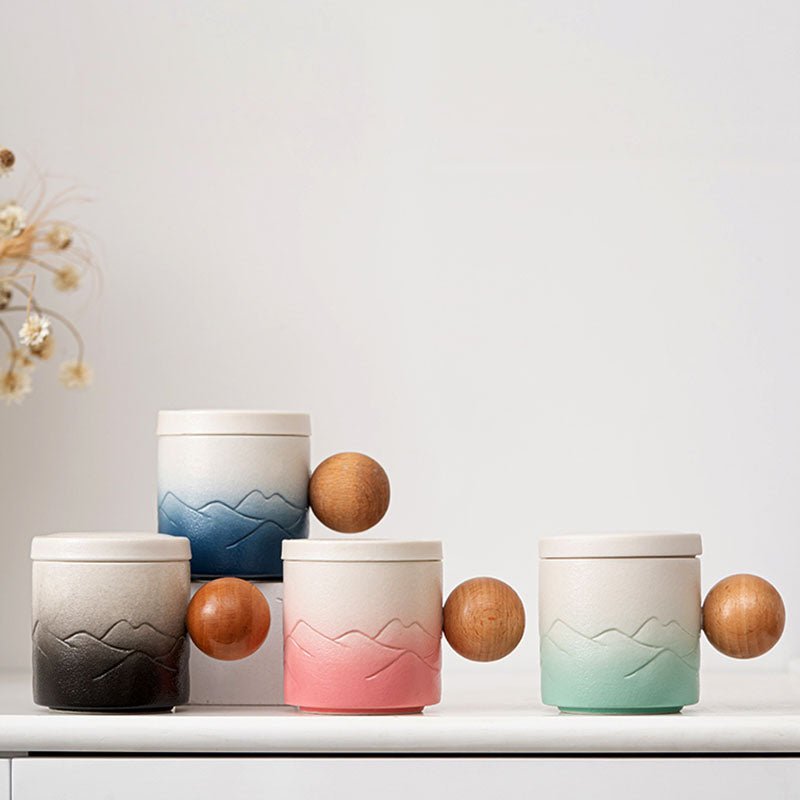
Adorable Coffee Mugs: How to Choose the Right One for Daily Use
A cute mug should still work on a busy morning desk, in a dishwasher, and during gifting. Here’s how we help shoppers choose adorable coffee mugs that look good and hold up to everyday use.
Czytaj dalej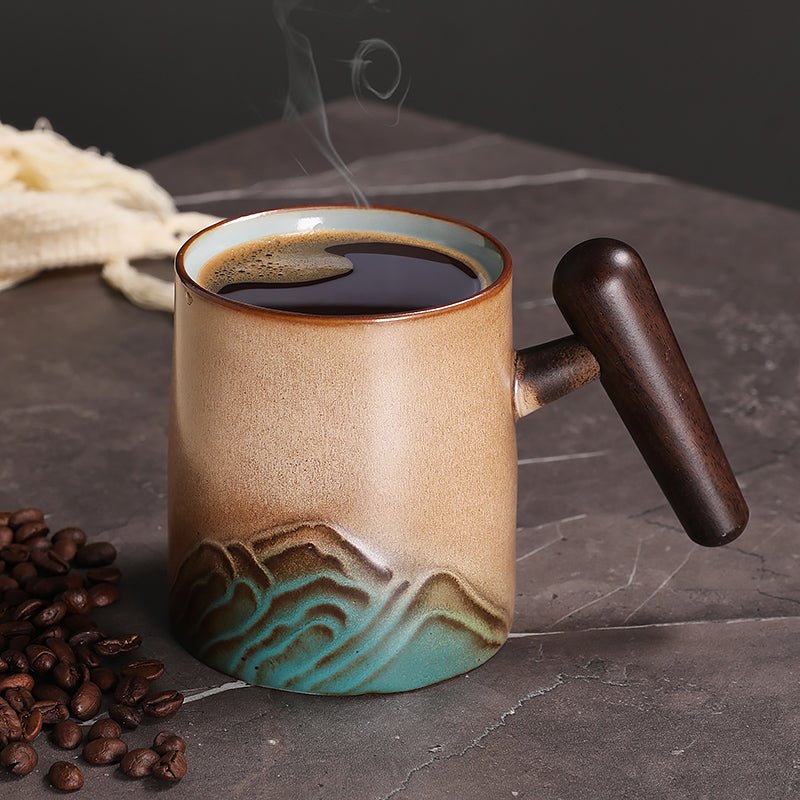
Coffee Mug Display Ideas That Actually Work in Real Kitchens
Practical ways to build a coffee mug display that looks intentional and still works for daily use. We cover shelf fit, mug shape, spacing, and which styles are worth putting on display.
Czytaj dalej
Zostaw komentarz
Ta strona jest chroniona przez hCaptcha i obowiązują na niej Polityka prywatności i Warunki korzystania z usługi serwisu hCaptcha.