
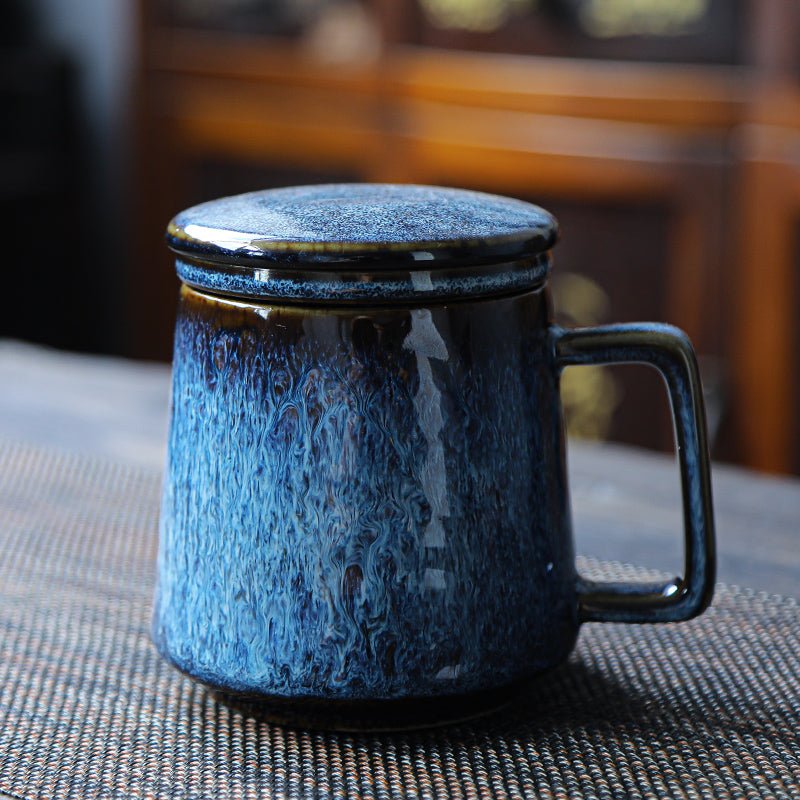
Bone China Coffee Mugs: What to Check Before You Buy
Reading time: about 9 minutes
What do bone china coffee mugs feel like in daily use?
A bone china mug can feel perfect in your hand at the kitchen counter and still annoy you at the office desk if the rim is too sharp or the handle is too tight. That is the real difference with this category: not just how it looks on a shelf, but how it behaves after the third refill, the first dishwasher cycle, and the first time you pack it as a gift.
In our store, we look at bone china coffee mugs the way a shopper does. We ask whether the cup feels balanced, whether the rim is smooth against the lip, and whether decorative finishes will hold up to normal use. A good piece should feel light without feeling flimsy. It should also look refined without forcing you to treat it like a display object only.
Bone china is typically chosen for a few reasons:
- Lighter hand feel than many stoneware mugs.
- Cleaner, brighter appearance that suits a gift box or a neat kitchen setup.
- Thinner walls that make the mug feel more delicate and elegant.
- Less tolerance for rough treatment than heavier everyday ceramic mugs.
That last point matters. If you want a mug for a garage, a shared break room, or constant tossing into a dishwasher basket, bone china is usually not the toughest choice. If you want something refined for pour-over coffee, afternoon tea, or a desk mug that makes the workspace look more considered, it can be an excellent fit.
What should you check before ordering bone china coffee mugs online?
Buying online means you cannot tap the rim, test the balance, or see the glaze under kitchen light. So we recommend checking the details that matter most before you click buy. If you want a broader checklist, our article Bone China Coffee Mugs: What Buyers Should Check Before Ordering goes deeper into the same purchase questions we use internally.
These are the details that separate a mug you keep from one you relegate to the back of the cabinet:
- Rim finish: Run your eye around the lip area in the photos. You want a clean, even rim with no rough spots, pinholes, or tiny glaze breaks.
- Handle comfort: Bone china mugs can look slim, but the handle still needs enough clearance for a normal grip. A handle that looks beautiful but crowds your knuckles will be irritating fast.
- Base stability: The mug should sit flat and not rock. A slightly uneven base is a common defect mode on fragile drinkware.
- Glaze consistency: Look for even shine and consistent color. Uneven glaze can signal sloppy finishing or hidden weak spots.
- Trim and decoration: If a mug has metallic detailing, treat it as decorative first and functional second. Metallic accents can change how you care for it and may limit microwave use.
- Shipping protection: Bone china is not a category where thin packaging is acceptable. Double-boxing and proper cushioning matter.
A few defects are worth calling out because they show up more often in this category than shoppers expect: hairline cracks near the handle join, tiny chips on the foot ring, and glaze crazing that only becomes obvious under strong light. None of those are dealbreakers for every buyer, but they are things we would rather know about before the mug arrives than after.
If capacity matters more than style, a size guide can help you narrow the right everyday fit. Our 12 oz Coffee Mugs: How to Choose the Right Mug for Daily Use article is useful if you are comparing lighter bone china pieces against larger daily-use mugs.
Which CoffeifyMug styles fit different buyers?
Not every buyer wants the same look. Some want texture. Some want a cleaner profile. Some want a mug that feels special enough for gifting but still practical on a weekday morning. The three options below show how we think about that trade-off in our own catalog.
| Mug | Best for | What to check | Trade-off |
|---|---|---|---|
| Pleated Coffee Tea Cup | Buyers who want visible texture and a more styled tabletop look | Check the rim smoothness and how the pleated surface is glazed around the handle and base | Textured pieces look distinctive, but deeper surface detail can take a little longer to wipe dry |
| Golden Waves Kio Coffee Tea Mug | Gift buyers and anyone who wants a dressier piece for guests | Confirm whether the decorative finish is purely ornamental and review care notes before using heat or abrasive cleaners | Decorative trim can raise the style level, but it usually asks for more careful handling |
| The Flow Coffee Tea Mug | People who prefer a cleaner, more modern silhouette | Look for an even wall shape and a comfortable grip that feels natural in the hand | Simpler profiles are easier to live with, but they may feel less ornate if you want a statement piece |
If you want to browse all current mug styles before choosing, start with our all collection. That is usually the fastest way to compare shape, finish, and presentation without jumping between individual pages.
We see these three use cases most often:
- Daily desk mug: Choose a shape that is easy to lift with one hand and has no rough decorative edges where your fingers rest.
- Gift mug: Prioritize visual finish, unboxing presentation, and a profile that looks clean from every angle.
- Tea-and-coffee crossover: Look for a cup that feels balanced for both smaller pours and longer sipping sessions.
How should you care for bone china without wearing it out?
Bone china does not need museum-level treatment, but it does respond better to gentle habits. The common failure points are usually avoidable: chipped rims from crowded sinks, metal trim damaged by harsh scrubbers, and thermal shock from going straight from a cold cabinet to boiling liquid.
Our practical care routine is simple:
- Wash with a soft sponge rather than an abrasive pad.
- Dry the rim and handle first so moisture does not sit in small grooves or decorative detail.
- Keep metallic or gold accents out of the microwave unless the maker clearly says otherwise.
- Do not stack aggressively if the mug has a delicate lip or raised surface pattern.
- Check the product care notes before assuming dishwasher use is fine for every version.
If the mug is plain and the manufacturer allows dishwasher use, that can be convenient. If it has gold edging, hand washing is the safer expectation. That is one of the main trade-offs in this category: the more refined the finish, the more the mug asks you to handle it like a finished object rather than a utility cup.
Bone china is also not the best pick if you regularly need maximum heat retention. A thicker stoneware mug will often hold heat longer in a cold room. Bone china tends to win on feel, presentation, and lightness, not on brute thermal performance.
Is bone china a good choice for everyday coffee or mostly for gifts?
It can be both, but only if the use case matches the mug. We sell and handle a lot of drinkware, and in our experience the buyers happiest with bone china coffee mugs are the ones who want a polished table setting without adding much visual weight to the room. A clean desk, a neat breakfast tray, or a guest-ready cabinet is where this material makes sense.
It is less convincing for:
- Busy family kitchens where mugs get stacked quickly and grabbed in a rush.
- Shared offices where cups are washed with other hard-wearing items and handled by different people.
- Outdoor use where durability matters more than finish.
That does not make it fragile in a bad way. It just means the buyer should be honest about the environment. If the mug is going to sit on a sideboard, appear in gift photos, or live near a coffee setup that gets used with some care, bone china makes a lot of sense. If the mug is going to take a beating, another material is the smarter buy.
What should you buy instead if bone china is not the right fit?
If you like the look but need less maintenance, plain porcelain or a thicker ceramic mug is usually easier to live with. If you want something that stays hot longer during slow mornings, stoneware often does that job better. If you need a mug for a microwave-first routine and you do not want to think about trim or special care, a simpler everyday mug is the safer path.
This is also where size matters. A smaller, elegant cup can feel perfect for espresso-based drinks or shorter pours, while a larger mug may be better for people who want a long coffee session at a desk. If you are still comparing capacity and hand feel, the 12 oz Coffee Mugs: What to Check Before You Buy guide is a useful companion read.
For shoppers who want the look but not the fragility, our recommendation is straightforward: choose bone china for presentation and lightness, not for rough environments. That is the cleanest way to avoid buyer regret.
Frequently asked questions
Are bone china coffee mugs dishwasher safe?
Some are, but not all. If the mug has metallic trim, gold edging, or other decorative details, hand washing is usually the safer choice even if the body itself is dishwasher-friendly. Check the product care notes before assuming every bone china mug can go through a regular cycle.
Can bone china coffee mugs go in the microwave?
Plain bone china may be microwave-safe if the maker says so. Any mug with metallic accents should be kept out of the microwave unless the product page explicitly states otherwise. We would not guess on this one.
What should I inspect as soon as the mug arrives?
Check the rim, handle, and foot ring first. Look for chips, hairline cracks, glaze pinholes, or a mug that rocks on a flat surface. Those are the most useful early checks before you wash and start using it.
Do bone china coffee mugs chip easily?
They can chip more easily than heavier stoneware if they are knocked against a sink, another mug, or a hard counter edge. That is why we treat them as refined everyday pieces rather than rough-use utility cups. With normal care, they can still hold up well.
Are bone china mugs better for coffee or tea?
They work well for both. Coffee buyers usually like the lighter feel and cleaner presentation, while tea drinkers appreciate the refined cup shape and the way it suits smaller pours. The better question is not coffee or tea, but how careful the user is and how the mug will be washed.
If you want the shortest path to the right purchase, compare finish, care notes, and how the mug will actually be used on a kitchen counter, desk, or gift tray. Then browse the current options in our all collection and pick the style that fits the way you drink, not just the way the mug photographs.
Read more
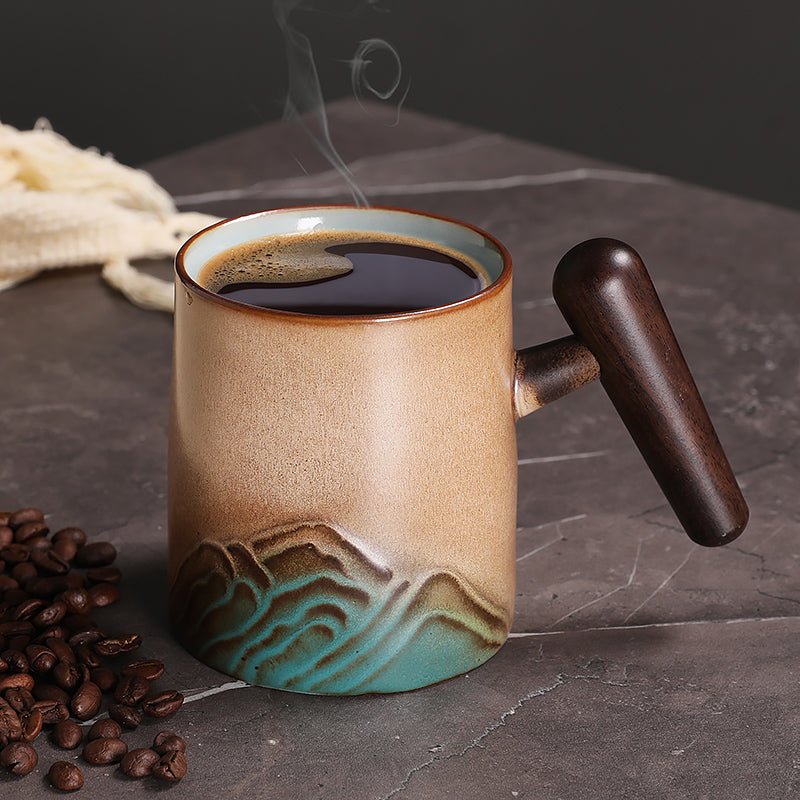
Normal Coffee Mug Size: What Buyers Should Expect Before Ordering
A normal coffee mug size is usually the everyday middle ground: big enough for a real pour, small enough to fit a coffee machine, desk, or dishwasher rack. We break down the sizes buyers actually u...
Czytaj dalej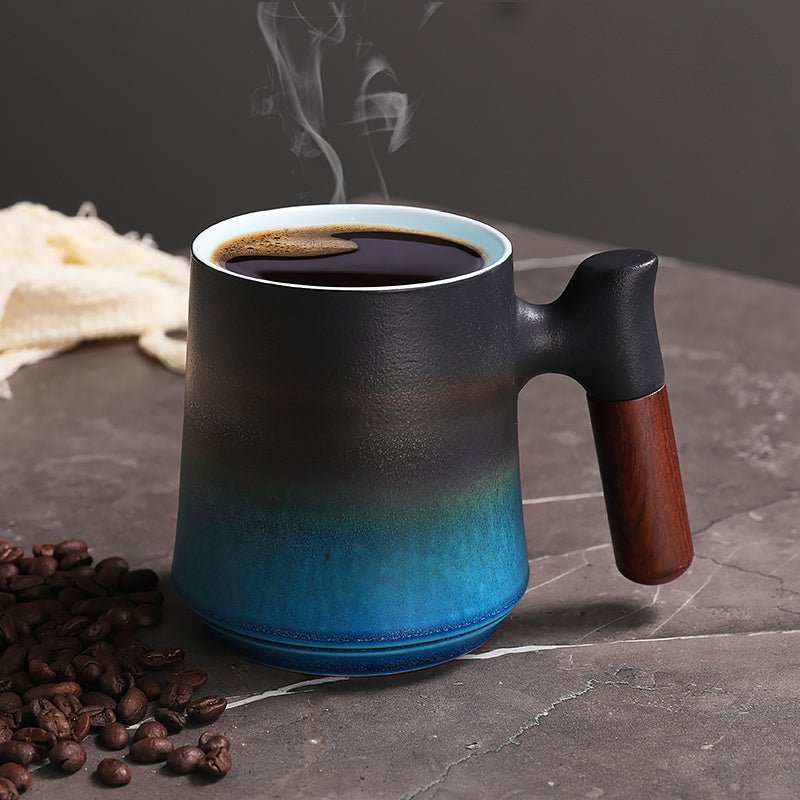
Bones Coffee Mug Buying Guide: What to Check Before You Buy
A bones coffee mug only works if the size, handle, and finish match how you actually drink coffee. We break down the checks we use in our store and the alternatives worth comparing before you buy.
Czytaj dalej
Zostaw komentarz
Ta strona jest chroniona przez hCaptcha i obowiązują na niej Polityka prywatności i Warunki korzystania z usługi serwisu hCaptcha.