
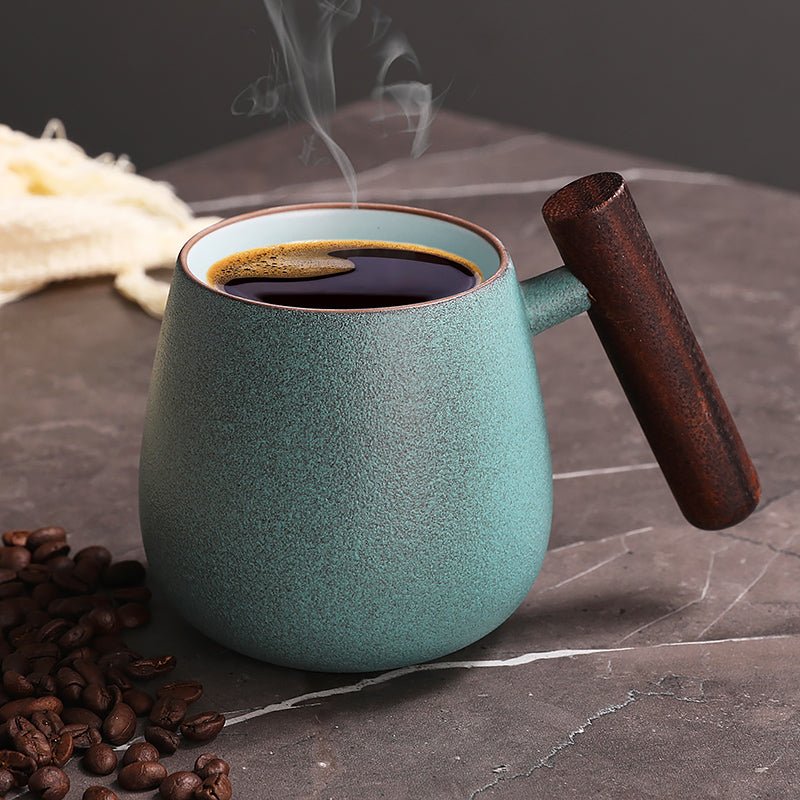
Top Rated Travel Coffee Mugs for Commutes, Office Days, and Trips
Reading time: about 9 minutes
A travel mug that leaks into a work bag on Monday morning does not stay a favorite for long. It gets sidelined, then forgotten, then replaced.
That is why the top rated travel coffee mugs are not only the ones that look polished in a product photo. They are the ones that stay dry in a tote, fit a car cup holder, and still feel good in hand after a few weeks of daily use. In our store, we pay attention to those boring details because that is what people notice after the first commute, the first office refill, and the first dishwasher cycle.
If you want a broader buying framework, our guide on Coffee Travel Mugs: How to Choose the Right One for Daily Use breaks the decision down by routine instead of hype. For a tighter comparison of use cases, we also recommend Best Travel Coffee Mugs for Commutes, Office Days, and Trips and Best Coffee Mugs Travel: What to Buy for Commutes, Office Days, and Trips.
Why do the top rated travel coffee mugs keep winning reviews?
The mugs that keep getting bought again usually solve the same four problems: they do not leak, they fit where people actually use them, they keep coffee drinkable for long enough, and they do not require annoying cleanup. That sounds basic, but plenty of mugs miss one of those jobs. A great finish or a nice color means very little if the lid drips onto a keyboard.
We look for a few practical signals before we recommend a mug for everyday use:
- A lid that locks or seals cleanly, especially around the sip opening and the gasket.
- A base that fits standard car cup holders without wobbling.
- Insulation that is useful for real-life delays, not just the first ten minutes after pouring.
- Materials that hold up to bag use, desk use, and repeated washing.
- A shape that is easy to hold with one hand while opening a door, carrying groceries, or answering a call.
Common failure modes show up fast. We see twisted silicone gaskets, sliders that loosen, paint that chips at the base, and lids that start to hiss or seep after a few wash cycles. A mug can still be attractive and still not be the right buy if one of those weak points is likely to bother you.
If you are comparing more than one style, our store usually suggests starting with your daily route. A desk mug can tolerate a slightly less aggressive lid. A bag-carry mug cannot.
Which material should you choose for everyday coffee?
Material affects taste, weight, durability, and cleaning more than many buyers expect. The most common split is between double-wall stainless steel, ceramic-lined interiors, and lighter lid systems built around BPA-free plastic components. Each one has a place, and each one has a downside.
For buyers who want a cleaner-tasting sip and a mug that feels closer to a home cup, our article on Ceramic Travel Coffee Mugs: What Buyers Should Check Before Ordering covers the main trade-offs. Ceramic can be a good choice for a desk or a short office walk, but it is not the best pick for rough backpack use or drops onto hard floors.
| Material | Best for | Trade-off | What we tell buyers to check |
|---|---|---|---|
| Double-wall stainless steel | Commutes, road trips, long workdays | Can hold odors if the lid is not cleaned well; body is not microwave-safe | Look for a tight lid seal, a comfortable rim, and a base that fits your cup holder |
| Ceramic-lined interior | Desk use, slower sipping, buyers who care about taste | Can chip if dropped and usually needs a little more care | Check the lid fit, the thickness of the liner, and whether the mug is too heavy for daily carry |
| BPA-free plastic lid systems | Lighter carry and simpler commuter mugs | Can feel less premium and may show wear sooner around the moving parts | Inspect the hinge, slider, and gasket because those parts wear first |
Capacity matters just as much as material. A 12 oz mug is compact and easy to stash. A 16 oz mug is the sweet spot for many office users. A 20 oz mug works better for long drives or people who want fewer refills, but it can feel bulky in a crowded tote or oversized in a smaller hand.
Which lid style is least likely to leak in a bag?
Lid design is where many travel mugs are won or lost. A beautiful body with a weak lid is still a weak mug. We focus on how the lid closes, where the seal sits, and how much pressure it takes to open and close without spilling coffee onto the counter.
- Screw-on lids usually give the most confidence for bags and backpacks. They take an extra second to open, but that trade-off is worth it if you carry a mug with books, a laptop, or paperwork.
- Flip-top lids are fast for one-handed use. They are handy in the car, but the hinge and the gasket need to feel solid or they can start to loosen over time.
- Slider lids are convenient at a desk because they open and close quickly. The downside is that the slider channel can trap residue if it is not cleaned regularly.
- Sip-through lids are simple and lightweight. They work well for careful drinkers, but not every sip-through design is truly bag-safe.
One of the most common problems we see is a gasket that sits slightly twisted after washing. That tiny mistake can cause drips around the threads or a slow seep near the sip opening. It is not glamorous, but it matters. If you are buying for daily commuting, inspect how the seal seats, how the lid threads feel, and whether the mouthpiece closes with a clean, firm motion.
A mug that is fine for a desk is not always fine for a backpack. That is the part shoppers often miss on the first pass.
What size works best for a commute, desk, or road trip?
Size should match how you actually drink coffee. That sounds obvious, but many returns happen because the mug is too tall for the car, too narrow for a hand, or too small to be useful on a long morning. We recommend choosing the size around your routine first and the appearance second.
- 12 oz: Best for short commutes, espresso drinks, or buyers who want a lighter mug that disappears into a bag. The trade-off is more refills.
- 14 to 16 oz: Often the most practical option for office days and standard drip coffee. This range gives you enough capacity without making the mug feel oversized.
- 18 to 20 oz: Better for long drives, shared workspaces, or people who want coffee to last longer. The trade-off is bulk, weight, and a higher chance that the mug will not fit every cup holder.
Two dimensions matter more than many shoppers realize: the height with the lid on and the width of the base. A mug that is technically the right capacity can still fail if it does not fit under your coffee machine or into the shallow holder in your car. That is why we suggest measuring the spots where the mug will actually live: kitchen counter, office desk, car console, and bag pocket.
For a commuter setup, the safest move is usually a mid-size mug with a stable base and a lid you can open without two hands. For a desk-only setup, a wider ceramic-lined mug can be a better daily companion because it is calmer to sip and easier to set down between meetings.
How do you compare mugs for office days, gifts, and long trips?
Different buying situations call for different priorities. A gift mug needs to look clean out of the box. An office mug needs to be easy to rinse and refill. A road-trip mug needs to stay closed when it gets bounced around in a cup holder for hours.
We usually compare mugs by scenario instead of pretending one model is perfect for every buyer.
| Scenario | What matters most | What can be compromised |
|---|---|---|
| Office desk use | Comfortable rim, easy cleaning, stable base | Absolute leak protection |
| Gift purchase | Clean finish, simple shape, broad appeal | Ultra-specific capacity needs |
| Long road trip | Strong seal, insulation, cup-holder fit | Fancy exterior details |
| Backpack carry | Dependable lid lock and gasket | Fastest possible open-and-close action |
For gifts, we also think about unboxing. A travel mug should feel solid when the buyer first opens the package, and the lid should click or thread on with confidence instead of wobbling. That first impression matters, but the real test still comes a week later after the first coffee run and the first wash cycle.
Care is part of the purchase decision too. Some lids are fine on the top rack, but hand washing the lid and removing the gasket occasionally usually helps the seal last longer. That small step prevents buildup around the mouthpiece and reduces the stale coffee smell that can show up in any mug with a moving lid.
If you want to compare what we currently carry, start with our products page or browse the full collection. That is the fastest way to match lid style, capacity, and cleaning routine to the way you actually drink coffee.
Frequently asked questions
What size travel coffee mug is best for daily use?
For most daily routines, 16 oz is the easiest starting point because it balances capacity, weight, and cup-holder fit. A 12 oz mug is better if you drink smaller servings or carry the mug in a bag, while 20 oz makes more sense for long drives or people who want fewer refills. The right answer depends on how much coffee you finish before it cools.
Are stainless steel travel mugs better than ceramic?
Stainless steel is usually the safer pick for commuting because it is tougher and more forgiving if the mug gets bumped around. Ceramic can taste a little cleaner and feels nicer on a desk, but it can chip if dropped and is not the best choice for rough carry. If you move between home, car, and office, stainless steel usually wins.
Which travel mug lid leaks the least?
In general, a screw-on or well-sealed twist lid is the most reliable for bag carry. Flip and slider lids can be convenient, but they depend more on the hinge, slider, and gasket staying aligned. If leak resistance is your top priority, check the seal first and the convenience second.
Can I put a travel coffee mug in the dishwasher?
Some mugs and lids are dishwasher-safe, but not all of them are, and the lid often needs more care than the body. Even if the mug can go in the dishwasher, hand washing the gasket and moving parts can help prevent buildup and keep the seal working properly. Always follow the care instructions for the specific mug.
What should I avoid if I carry coffee in a backpack?
A loose lid, a weak gasket, and a mug that does not close securely are the biggest problems. Avoid designs that are fine for desk use but not meant for bag carry, and check whether the mug is actually leak-resistant or just splash-resistant. If the lid feels flimsy in your hand, it will feel worse once it is bouncing around with your gear.
If you are comparing options today, use the checklist above first, then browse our products or the full collection to match lid style, capacity, and cleaning needs to your routine.
More from our blog
Read more
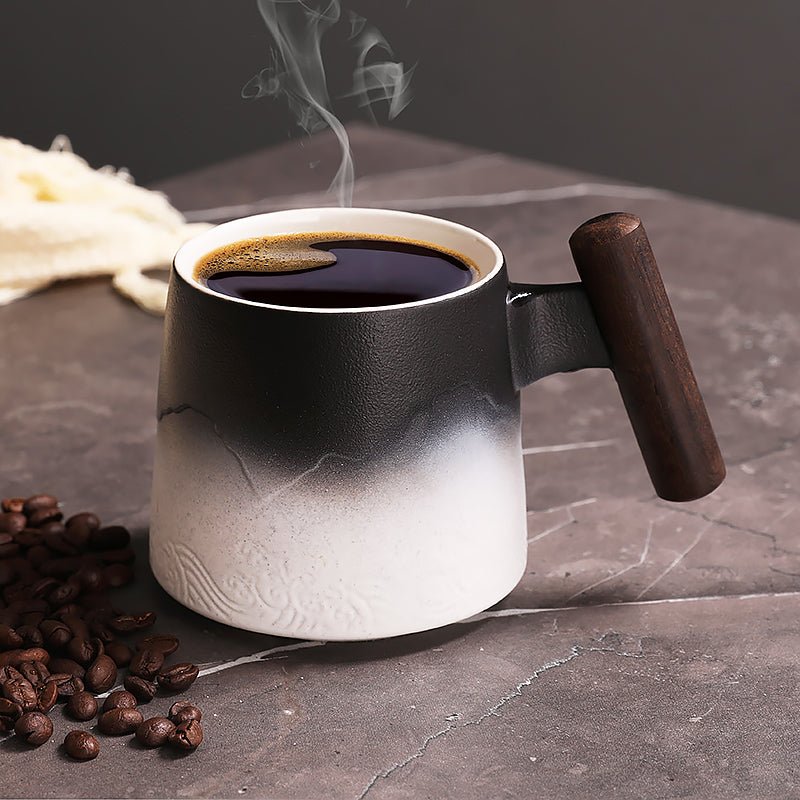
Top Rated Coffee Mugs: What Buyers Should Check Before Ordering
A practical guide to top rated coffee mugs, focused on size, material, handle comfort, and day-to-day durability. Use it to compare options before you buy from our store.
Per saperne di più
Mr. Coffee Mug Warmer: What to Check Before You Buy
A Mr. Coffee mug warmer can be a simple desk fix, but only if the plate size, cup fit, and controls match how you actually drink coffee. Here’s what we check before recommending one.
Per saperne di più
Commenta
Questo sito è protetto da hCaptcha e applica le Norme sulla privacy e i Termini di servizio di hCaptcha.