
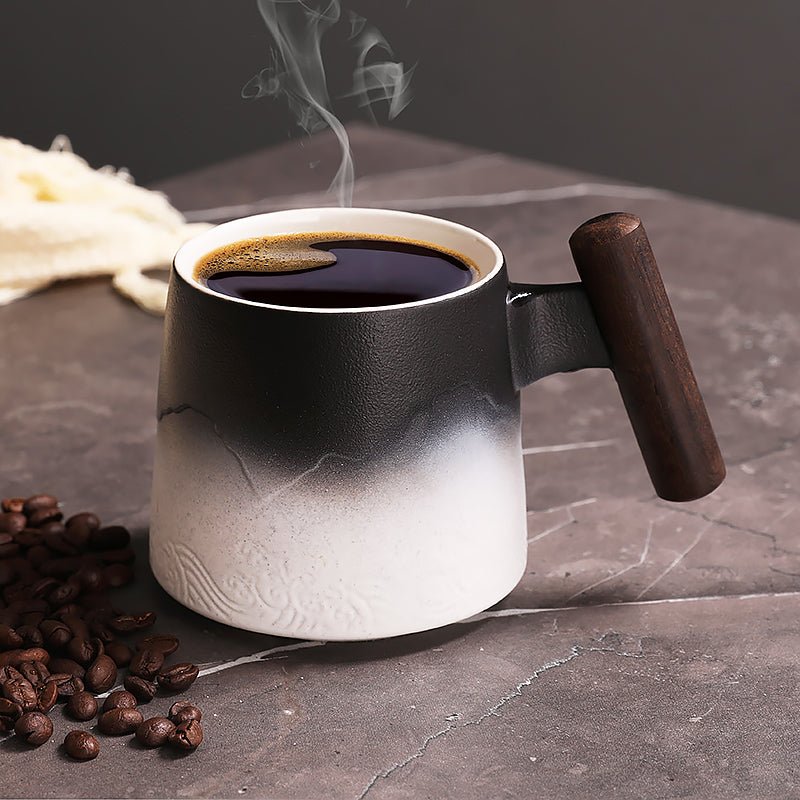
Top Rated Coffee Mugs: What Buyers Should Check Before Ordering
Reading time: about 9 minutes
A mug can look perfect on a product page and still feel wrong the first time you pour coffee into it. The handle may be too tight for three fingers, the rim may feel sharp, or the base may wobble on a desk that is not perfectly flat. Those are the details we watch for in our store, because they are the details buyers notice after the box is opened.
If you are comparing top rated coffee mugs, the real question is not just which one looks best. It is which one fits your routine at the kitchen counter, the office desk, or the gift box you are sending to someone else. We see those use cases every day, and they do not all call for the same mug.
What actually makes a coffee mug top rated?
A top rated mug usually earns that status because it gets the basics right. It holds a comfortable amount, feels steady in the hand, and survives repeated use without turning into a chipped, stained, or awkward cup.
From our perspective, the best mugs share a few practical qualities:
- Balanced weight: not so light that it feels fragile, not so heavy that it becomes tiring to hold before the last sip.
- Comfortable handle clearance: enough room for adult fingers without forcing your knuckles against the mug body.
- Stable foot or base: a mug should sit flat on a desk, coaster, or table without rocking.
- Rim finish: the drinking edge should feel smooth, not rough or overly thick.
- Easy care: a mug that can handle routine dishwasher use is usually easier to live with than a delicate shelf piece.
We also look at the small defects that shoppers often miss online. Hairline glaze cracks, pinholes in the finish, awkwardly placed handles, and uneven bases are the things that make a mug feel cheap after a week of use. A mug can still be pretty and still not be a good daily pick.
If a mug is meant for display only, that is fine. If you want a daily driver, prioritize grip, balance, and finish over decoration.
Which mug size fits your coffee habit?
Size matters more than many buyers expect. A 12 oz mug is a comfortable middle ground for drip coffee and tea, while a 16 oz mug gives more room for milk, foam, or a larger morning pour. A 20 oz mug is better for long work sessions or people who do not want a refill close by, but it can feel bulky in smaller hands.
We have separate guides that go deeper on the fit of each common size. If you want a narrower look at compact cups, our post on 8 Ounce Coffee Mugs: What Buyers Should Check Before Ordering is useful. For everyday use, the comparison in 12 oz Coffee Mugs: What to Check Before You Buy and 16 oz Coffee Mugs: What to Check Before You Buy helps separate convenient from oversized.
| Size | Best for | Trade-off |
|---|---|---|
| 8 oz | Espresso-based drinks, small servings, compact cabinets | Too small for many drip coffee drinkers |
| 12 oz | Standard coffee and tea, balanced everyday use | May feel limited for milk-heavy drinks |
| 16 oz | Larger pours, lattes, long desk sessions | Can be too tall or heavy for some users |
| 20 oz | Big coffee drinkers, fewer refills, work-from-home desks | Bulkier, less convenient for small hands or crowded cabinets |
If you already know you want a larger profile, our guide to a buyer's guide to large capacity coffee mugs is the right next step. A larger mug is not automatically better. For some shoppers, it is simply too much ceramic to manage every morning.
Which material lasts best for daily use?
Most shoppers choosing top rated coffee mugs end up comparing ceramic, stoneware, and sometimes porcelain. Each has a different feel in the hand and a different tolerance for daily wear.
Ceramic is the most familiar choice. It usually offers a clean, simple look and good heat retention for a typical coffee break. The trade-off is that thinner ceramic can chip if it gets knocked against a sink or crowded dishwasher rack.
Stoneware tends to feel heavier and more substantial. That extra density can be a plus on a home counter or office desk, but it is not ideal if you want the lightest possible mug. For many buyers, stoneware is the sweet spot between durability and a handmade feel.
Porcelain often looks refined and can have a smoother, finer edge. It suits buyers who want a polished look for gifting or a more delicate table setting. It is not the best option if you tend to be rough on mugs or stack them tightly in a crowded cabinet.
From the store side, we tell customers to consider how the mug will be washed. Dishwasher use is common, but repeated contact with other dishes can wear the glaze on the rim or produce tiny chips at the base over time. If you hand-wash, use warm water, a soft sponge, and avoid sudden temperature changes. Dropping a hot mug into cold water is a good way to invite thermal stress.
For shoppers who care about smaller, more intentional mugs, our post on 8 oz Coffee Mugs: Size, Material, and Fit Guide breaks down how material choice changes the feel of a compact cup.
What details do we check before we recommend a mug?
Our team does not judge a mug by the photo alone. We pay attention to the details that show up during everyday use, because that is where satisfaction is won or lost.
- Handle geometry: We check whether two or three fingers fit comfortably without the knuckles scraping the mug body.
- Base stability: A flat base matters on glass desks, wood tables, and kitchen counters that are not perfectly level.
- Rim smoothness: A clean drinking edge makes a mug feel better immediately, even before the coffee is hot.
- Glaze consistency: An even finish usually signals better manufacturing control than visible streaking or rough patches.
- Interior shape: A slightly wider opening is easier to clean and better for drinks with milk or foam.
We also think about storage. A tall mug can be awkward under a low cabinet shelf. A wide mug may not fit neatly in a crowded dishwasher rack. A decorative mug can be beautiful, but if the handle is oversized, it may take up more space than a buyer wants.
That is why we advise shoppers to compare actual use, not just style. A mug you reach for every morning should work with your cabinet height, sink habits, and brewing method. It should not require you to rearrange your kitchen to enjoy it.
Which top rated coffee mugs fit which buyer?
Different buyers need different mugs. That sounds obvious, but it is where many purchases go wrong.
- For office desks: choose a stable base, a comfortable handle, and a size that does not splash when you set it down quickly.
- For home brewers: choose a mug that matches your usual brew volume so the cup does not feel half full or dangerously close to overflowing.
- For gifts: choose a mug with a clean silhouette and an easy-care finish. A gift mug should be attractive, but it also needs to be practical for someone you do not live with.
- For small kitchens: choose a mug that stacks well or stores easily under shelves. Big handles and oversized bellies can crowd a cabinet fast.
- For heavy daily use: choose a material and glaze that can handle repeated washing without becoming dull too quickly.
We also see buyers choose the wrong mug for the wrong drink. A wide, shallow mug is great for lattes and cocoa, but it is not the best choice if you want heat retention over a long meeting. A compact mug can feel elegant, but it may leave espresso-based drinkers wanting more room for milk.
If you are comparing styles beyond the basics, our article on Adorable Coffee Mugs: What to Look for Before You Buy is useful for gift shoppers who want charm without sacrificing usability.
Where should you shop if you want a good everyday mug?
The safest place to start is a collection that makes it easy to compare sizes and finishes side by side. That is why we keep our current lineup organized on our full collection page, and we direct shoppers to the live assortment on our products page when they are ready to narrow down the options.
In our experience, shoppers make better decisions once they can compare a few real choices instead of guessing from a single image. Look at the handle, the rim, the base, and the listed size together. A mug that looks small in a photo may be perfect for espresso drinks. A mug that looks substantial may be too heavy for a person who drinks tea all day.
There is also a practical limit to what a mug should do. A top rated coffee mug is not a travel tumbler. It is not meant to keep coffee hot for hours in a car cup holder, and it is not the best pick for people who need a sealed lid. If that is your use case, you want a different category altogether.
Frequently asked questions
What size coffee mug is best for daily use?
For most buyers, 12 oz is the most balanced everyday size. It fits standard coffee, tea, and many lattes without feeling oversized. If you add a lot of milk or want fewer refills, 16 oz may be a better fit.
Are ceramic mugs better than stoneware mugs?
Neither is universally better. Ceramic often feels a little lighter and cleaner-looking, while stoneware tends to feel heavier and more durable in hand. If you want a sturdier mug for everyday countertop use, stoneware is often the safer choice.
Can coffee mugs go in the dishwasher?
Many can, but the finish and construction matter. Repeated dishwasher cycles can wear on glaze, especially around the rim and base, and crowded racks can cause chips. If a mug is especially decorative or thin-walled, hand-washing is the safer option.
What makes a mug uncomfortable to hold?
The most common problem is a handle that is too small or too close to the mug body. That leaves little room for fingers and can make the mug feel hot faster. A very heavy mug can also become tiring if you carry it from room to room often.
Are larger mugs always better?
No. Larger mugs are useful for big pours and long work sessions, but they can feel bulky, take up more cabinet space, and be awkward for small hands. If you usually drink a standard serving, a mid-size mug often works better day to day.
If you want the fastest next step, compare your usual drink size against the size guides above, then browse our full collection or jump straight to our current mugs and pick the shape that fits your routine.
More from our blog
Read more
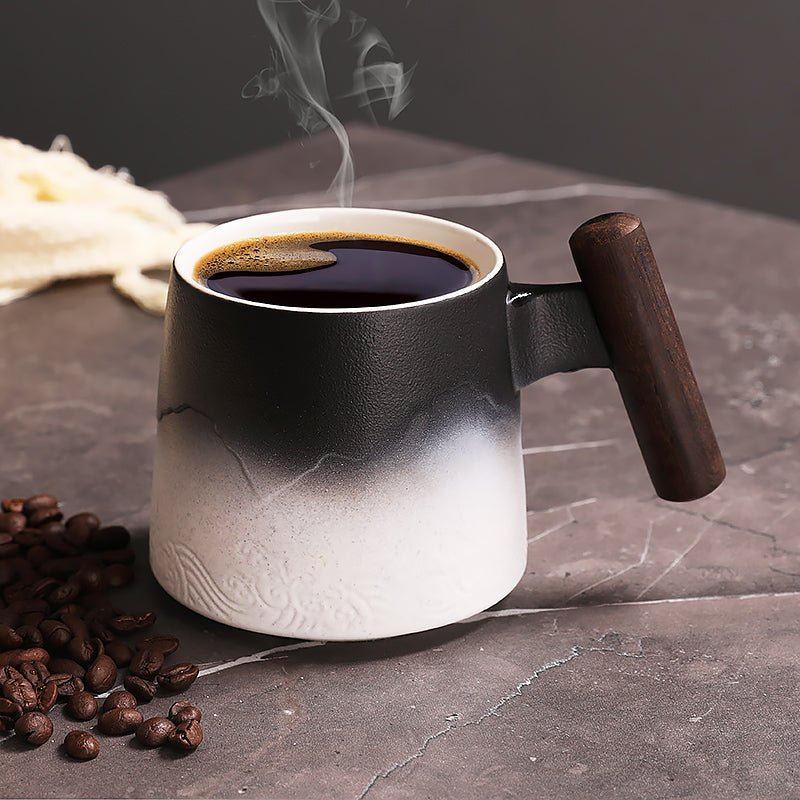
IKEA Coffee Mug Buying Guide: What to Check Before You Buy
A practical look at what an IKEA coffee mug usually does well, where it falls short, and how to choose a mug that fits your routine. Includes size, material, care, and a few real-world trade-offs w...
Per saperne di più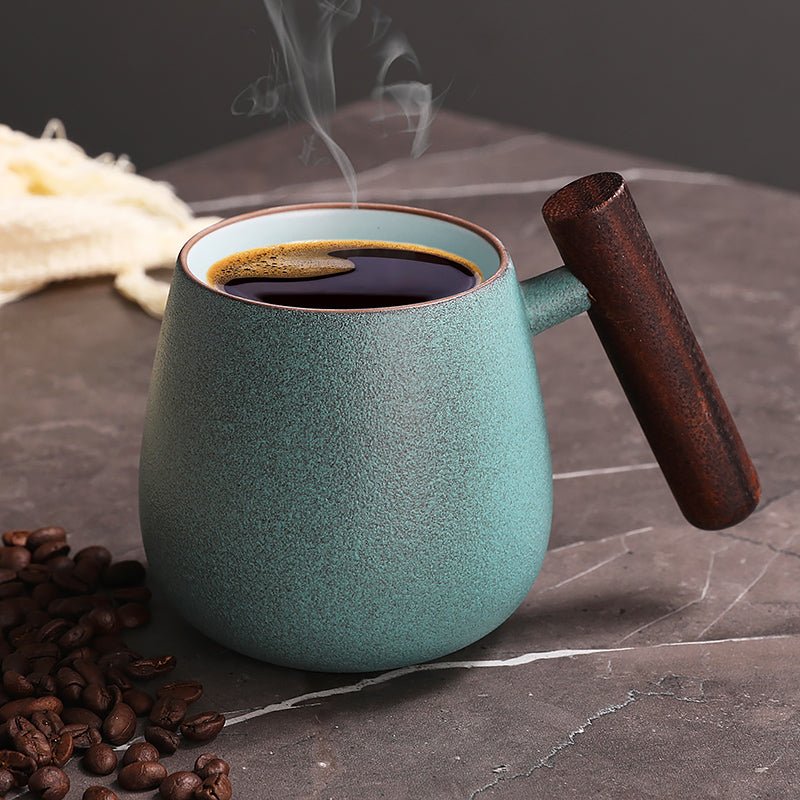
Top Rated Travel Coffee Mugs for Commutes, Office Days, and Trips
A good travel mug keeps coffee hot, fits a cup holder, and stays dry inside a bag. We compare the top rated travel coffee mugs by lid design, materials, size, and daily-use trade-offs so you can ch...
Per saperne di più
Commenta
Questo sito è protetto da hCaptcha e applica le Norme sulla privacy e i Termini di servizio di hCaptcha.