
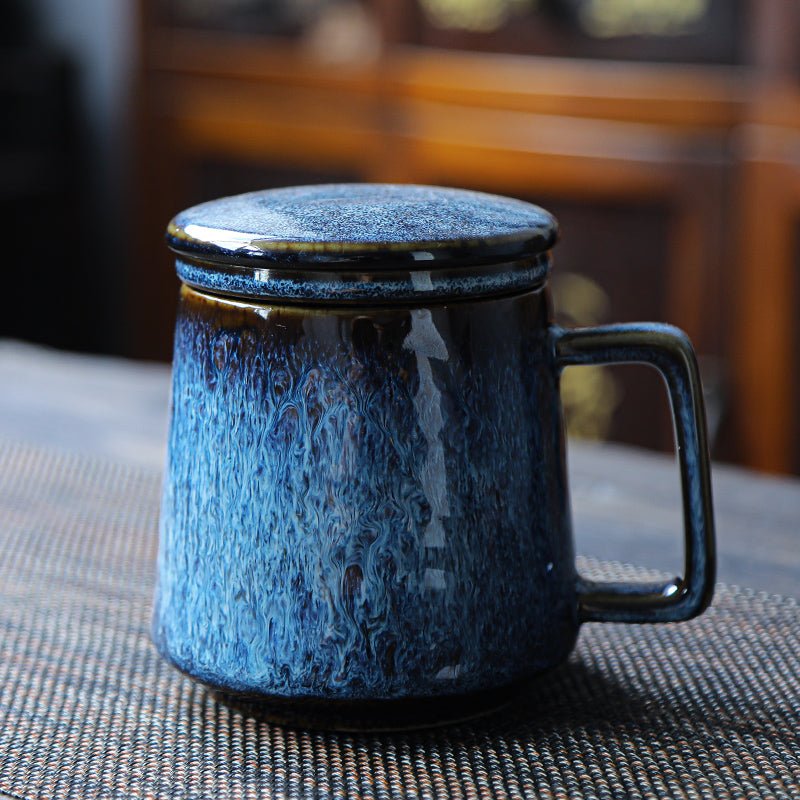
Thick Ceramic Coffee Mugs Daily Use Guide: Practical Trade-Offs
Reading time: about 10 minutes
A substantial mug can feel reassuring on a kitchen counter, then become less appealing once it is full, your coffee machine has little clearance, or the handle pinches your fingers during a long work call. This thick ceramic coffee mugs daily use guide focuses on those ordinary moments. In our store, we find that the useful questions are rarely limited to color or decoration: buyers also need to consider working capacity, rim shape, empty weight, handle clearance, cabinet space, and cleaning habits.
Start with the shape you are genuinely likely to use. A visually bold option such as The Rock Coffee Tea Mug may belong on your shortlist if you want the mug to have a strong presence on a desk or open shelf. If you are still deciding between several visual directions, browse our unique coffee mugs collection before comparing the practical details below.
Why does ceramic thickness change the first ten minutes of a drink?
Thicker ceramic has more thermal mass than a thin wall. That creates a trade-off rather than an automatic advantage. A room-temperature mug initially absorbs heat from freshly brewed coffee or tea, but once warm, its substantial wall can help the drink feel less exposed to rapid temperature changes. The result also depends on the mug's opening, fill level, room temperature, and whether you keep stirring or adding cold milk.
For a slow desk drink, pre-warming can make a noticeable practical difference. Fill the mug with hot tap water, let it stand briefly, empty it, and then add the drink. Avoid moving a very cold ceramic mug directly into an extreme temperature change. Sudden thermal shock can stress ceramic, especially if the piece already has an unnoticed chip or crack.
A broad open top releases heat and aroma differently from a narrower opening. Thickness cannot compensate completely for exposed surface area. If keeping a drink covered during a commute is the priority, a purpose-designed lidded vessel is usually a better match; our guide to ceramic coffee mugs with lids explains that separate use case.
Thick ceramic coffee mugs daily use guide: which fit checks matter?
Capacity printed on a product page may describe the volume near the brim, while comfortable daily capacity is lower. You need headspace for walking from the kitchen, adding milk, or carrying the mug across an office. A mug that technically holds your preferred serving can still feel overfilled in use.
- Machine clearance: Measure from the drip tray to the dispenser on your coffee maker. Include any saucer or removable platform you normally use.
- Handle clearance: Check how many fingers you prefer inside the handle and whether your knuckles would touch the warm body.
- Rim profile: Wall thickness and drinking-edge thickness are not necessarily identical. A rounded rim can feel different from a straighter, more defined lip.
- Stable footprint: Compare the base with the top-heavy portion of the mug, especially for a crowded desk or a small side table.
- Storage space: Measure shelf height and depth. Sculptural handles and irregular profiles may prevent close side-by-side storage or stacking.
- Full carrying weight: Consider the empty vessel plus your normal serving. This matters for wrist comfort and repeated refills.
These checks take only a few minutes and prevent a common mismatch: choosing by listed capacity while overlooking the physical space the mug occupies. For a broader explanation of ceramic bodies, handles, glazing, and listing details, use our ceramic coffee mug buying guide.
Which CoffeifyMug design fits your actual routine?
The product page should be the final authority for current dimensions, materials, capacity, and care instructions. We do not assume that similarly substantial-looking mugs share the same specifications. Use the page photography to compare the rim, handle, base, and overall profile, then confirm the written listing before ordering.
The Rock: for a mug that stays visible
If you keep one personal mug on an office desk or an open kitchen shelf and prefer a pronounced, object-like design, inspect The Rock Coffee Tea Mug. Its listing is the relevant next step for checking the current images and specifications against your grip and available space. It is not the automatic choice for a buyer who wants plain cylindrical mugs that pack tightly together or coordinate invisibly with an existing set.
The Flow: for an organic visual direction
A shopper drawn to a more fluid-looking profile should compare The Flow Coffee Tea Mug. It makes sense as a shortlist candidate when the silhouette is part of the appeal, such as for an individual tea ritual or a mug displayed between uses. Before buying, confirm that the current listing's dimensions and handle treatment work with your coffee maker, cabinet, and preferred grip. Choose a simpler regular-sided mug instead if easy stacking is essential.
Spittoon: for an unconventional vessel profile
For someone who wants a less conventional form rather than a standard office mug, review the photographs and current details for the Spittoon Coffee Tea Mug. This is a design-led next step, so judge it against where it will be used and stored, not only how it looks in isolation. A conventional travel cup will be more suitable for cup holders, sealed carrying, and frequent walking.
How do weight, rim shape, and handles feel over a full day?
A heavy-feeling mug can be pleasant during a seated breakfast because it stays planted while you stir. That same weight may become tiring if you carry it repeatedly between rooms or have limited grip strength. Test the idea with a mug you already own: weigh or compare it empty, fill it to your normal level rather than the brim, and hold it for the length of a typical sip.
Handle geometry matters as much as overall size. A small loop encourages a one- or two-finger grip, while a larger opening may accommodate more fingers but can move the mug's center of gravity farther from your hand. Neither arrangement is universally better. Look closely at the gap between the handle and body, where knuckles can contact hot ceramic.
The rim deserves similar attention. A thick, rounded drinking edge can feel substantial, but buyers who prefer a fine, precise sip may favor a thinner lip. Tea drinkers who judge temperature with small sips may notice this more than someone drinking a milk-based coffee. Product photos taken at rim level are especially useful; if the edge is not clear, do not infer its shape from a front view.
What happens on an office desk, kitchen counter, or gift table?
| Daily situation | Why thick ceramic may fit | Reason to choose another style |
|---|---|---|
| Long desk session | A substantial base can feel settled during typing, stirring, and repeated sips. | A lighter mug may be easier if you carry it to meetings or refill it often. |
| Breakfast at home | The solid feel suits a mug that stays on the table or counter. | A wide opening may cool the drink faster than expected, regardless of wall thickness. |
| Shared office kitchen | A distinctive profile can make a personal mug easier to recognize. | An unusual shape may occupy more cabinet or dishwasher space. |
| Gift unboxing | Visible glaze, rim, handle, and form give the recipient something tactile to inspect. | Personal grip and weight preferences are hard to predict, so check return terms and listing details. |
| Car or train commute | It may work for drinking before departure. | An open ceramic mug is not a substitute for a sealed, cup-holder-compatible travel vessel. |
For gifts, do not rely on appearance alone. Think about the recipient's routine: pod machine clearance, tea infuser size, cabinet height, dominant hand, and tolerance for hand washing. During unboxing, inspect the rim, handle junctions, body, and foot ring before use. Those are practical areas where a chip, crack, rough spot, or unstable base would matter.
How should a thick ceramic mug be cleaned and inspected?
Follow the care instructions on the individual product listing. Ceramic appearance alone does not establish that a mug is dishwasher-safe or microwave-safe, and decorative finishes can change the care requirements. Never assume microwave compatibility if metallic-looking decoration is present; use only the seller's explicit guidance.
- Let the mug cool before exposing it to a sharply different water temperature.
- Use a soft sponge and ordinary dish soap for hand washing unless the listing gives different instructions.
- Clean coffee or tea residue promptly rather than attacking a set stain with an abrasive pad.
- If dishwasher use is approved, position the mug so it cannot knock against another ceramic piece or a rack tine during the cycle.
- Inspect the drinking rim and handle attachment after washing. Stop using the mug if a crack develops or a chip creates a sharp or difficult-to-clean edge.
- Dry the base before returning the mug to a wood shelf or desk, particularly if the foot ring retains water.
Fine glaze lines, sometimes called crazing, are different from removable surface stains. If you notice a new line, rough patch, or change after a dishwasher cycle, inspect it under good light rather than continuing to scrub aggressively. Product-specific support guidance should determine the next step.
When is a thick ceramic mug the wrong purchase?
Thick ceramic is not the best answer for every drinker. It can take up more storage room, feel heavy when full, and absorb heat from a drink if the mug starts cold. Sculptural shapes may also be awkward in a crowded dishwasher or beneath a compact coffee dispenser.
Choose a different format if your main requirement is any of the following:
- A leak-resistant vessel for a backpack or commute
- A lightweight mug for limited hand or wrist strength
- A tightly stackable set for a small cabinet
- A narrow cup that must fit a vehicle cup holder
- A lidded container for keeping dust away at a workshop or outdoor desk
- A precisely matched set for frequent group service
For iced coffee, check usable capacity and opening diameter. Ice displaces liquid, and a mug filled to its stated brim capacity leaves no safe walking room. Condensation can also make the exterior or handle slippery, so a stable grip and a coaster may matter more than heat retention.
A five-minute comparison before you order
Use this short process after opening the product pages. It keeps visual preference in the decision while forcing the everyday constraints into view.
- Measure coffee-machine, shelf, and dishwasher clearance.
- Estimate your comfortable fill, including milk, foam, tea infuser, or ice.
- Compare the photographed handle opening and rim with a mug you already enjoy using.
- Read the current material and care details; do not infer dishwasher or microwave safety.
- Decide where the mug spends most of its time: counter, desk, cabinet, gift box, or dining table.
- Choose the design only after checking the reason it might not fit your routine.
Our thick ceramic coffee mugs daily use guide is designed to make that final comparison more concrete. Revisit The Rock, The Flow, or Spittoon if one matches your visual preference, then use the unique coffee mugs collection to compare it with other current options.
Frequently asked questions
Are thick ceramic coffee mugs better at keeping coffee hot?
A thicker ceramic wall has more thermal mass, but a cold mug also absorbs heat from the first pour. Pre-warming may help during a slow desk drink. The opening size, room temperature, fill level, and use of a lid also affect how quickly the drink cools.
What should a thick ceramic coffee mugs daily use guide help me measure?
Measure coffee-machine clearance, cabinet height, dishwasher space, and the handle opening you find comfortable. Also compare brim capacity with your realistic working fill, which needs room for milk, foam, an infuser, ice, and movement.
Can every thick ceramic mug go in a microwave and dishwasher?
No. Thickness and ceramic appearance do not establish microwave or dishwasher compatibility. Follow the current product page's care instructions, especially if the mug has a special glaze, applied decoration, or metallic-looking detail.
Is a heavy ceramic mug a good office mug?
It can be a good desk mug if you value a planted feel and rarely carry it far. A lighter vessel is usually more practical for moving between meetings, climbing stairs, or managing limited grip strength.
Are thick ceramic mugs suitable for gifts?
They can make tactile, visually distinctive gifts, but weight, rim feel, and handle fit are personal. Check the recipient's machine and storage space, review current dimensions and care details, and inspect the rim, handle junctions, body, and base during unboxing.
More from our blog
Read more
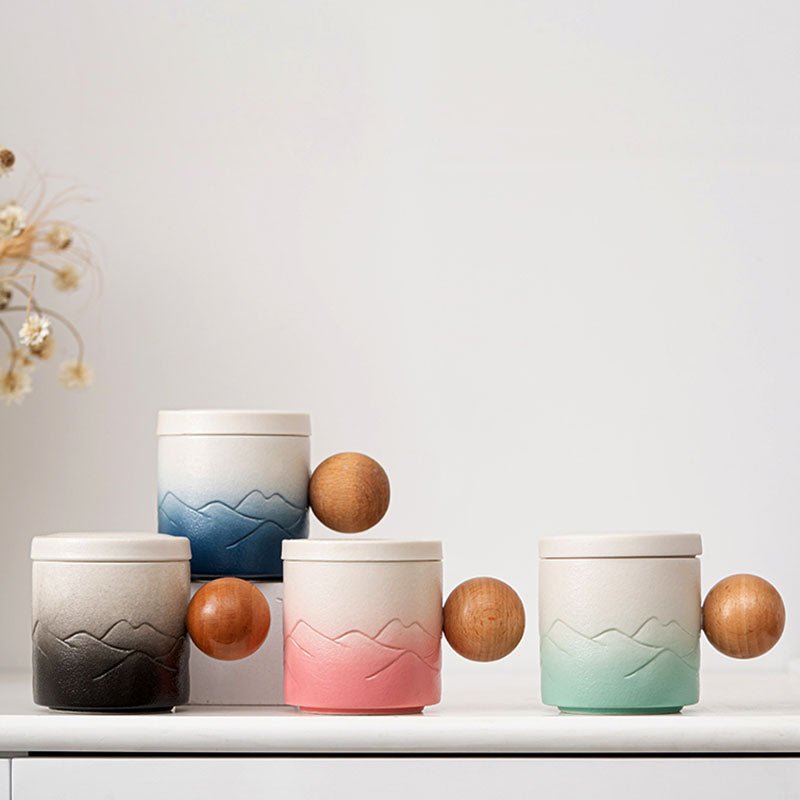
The macchiato cup daily use guide: 170 ml to 250 ml
Compare 170 ml, 200 ml, and 250 ml macchiato cups by usable headroom, drink style, handling, care, and everyday setting before choosing a compact cup.
Per saperne di più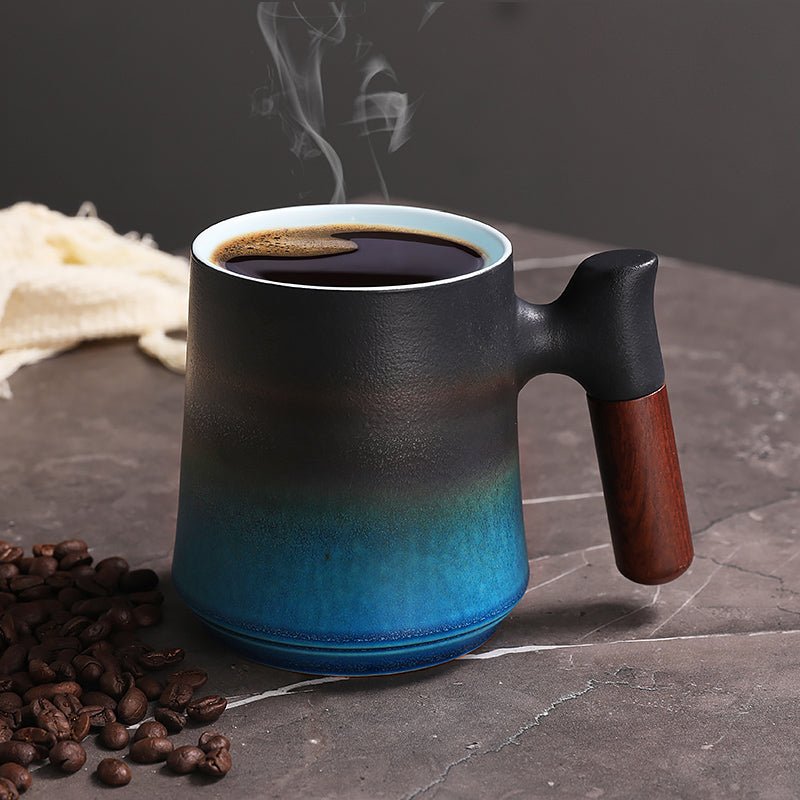
Dandelion Coffee Mug Comparison: Which Option Fits Your Routine?
Compare the 400 ml Gradient and Flow with the 480 ml Rock. This practical guide covers serving capacity, filled-mug handling, grip checks, care questions, and everyday fit.
Per saperne di più
Commenta
Questo sito è protetto da hCaptcha e applica le Norme sulla privacy e i Termini di servizio di hCaptcha.