
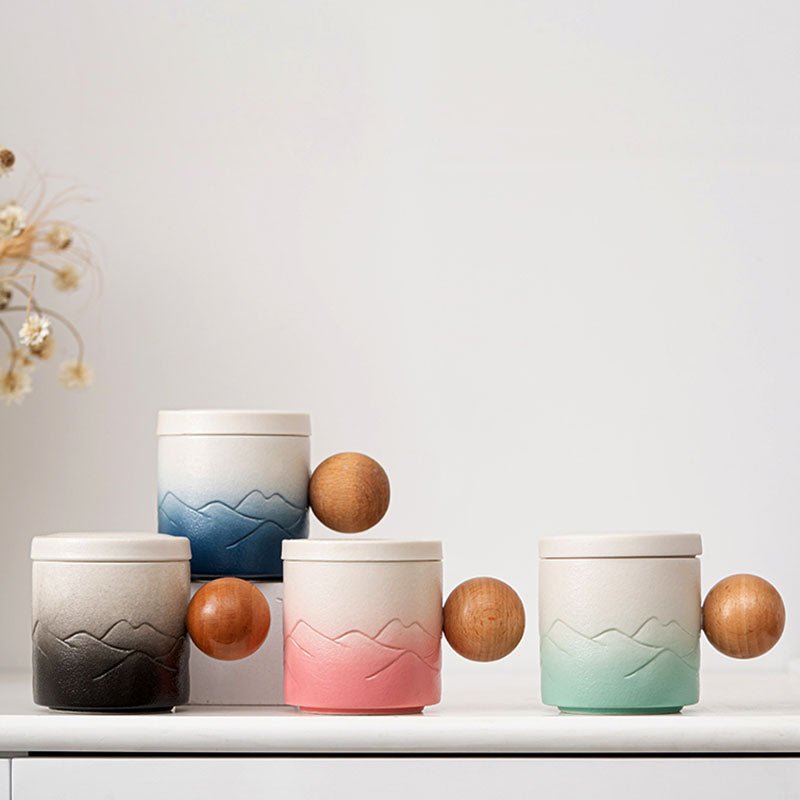
The macchiato cup daily use guide: 170 ml to 250 ml
Reading time: about 9 minutes
A compact cup can look perfectly sized beside an espresso machine, then feel cramped the first time you add milk or carry it to an office desk. This macchiato cup daily use guide focuses on that everyday gap between listed capacity and comfortable working capacity. In our experience selling drinkware, the useful question is not simply how many milliliters a cup holds. It is how much room remains after the coffee, milk, and foam are in it.
Macchiato recipes are not universal. A traditional espresso marked with a small amount of milk uses much less space than the larger, milk-forward drinks served under the same name in some cafes. Start with the drink you actually prepare, not the name printed on a menu. A compact option such as the Retro Coffee Tea Cup can suit a short serving, while shoppers who need broader style and capacity choices can compare the unique coffee mug collection before committing.
How does the macchiato cup daily use guide define usable capacity?
The listed capacity is the maximum volume associated with the cup, but filling a drink to the rim is rarely practical. You need headroom for foam, stirring, and the small tilt that happens when the cup moves from the kitchen counter to a table. A full cup is also more likely to leave coffee on the rim or splash onto a saucer, keyboard, or notebook.
For daily use, think about three separate volumes:
- Base drink volume: the espresso, brewed coffee, or tea entering the cup first.
- Add-in volume: milk, foam, cream, syrup, or water added afterward.
- Handling headroom: the empty space that lets you stir and carry the drink without treating every step like a balancing exercise.
Measure your usual preparation once with a marked measuring vessel. If the finished drink already approaches the cup's listed capacity, move up a size. This simple check is more reliable than choosing from a styled product photo, where scale can be difficult to judge.
170 ml, 200 ml, or 250 ml: how much headroom do you need?
| Capacity | Likely daily fit | Main trade-off |
|---|---|---|
| 170 ml | Short espresso-led drinks and compact servings | Least room for generous milk, foam, or vigorous stirring |
| 200 ml | Compact drinks that need a little more finishing space | Still smaller than a standard large mug |
| 250 ml | Longer compact drinks or buyers who prioritize headroom | Less of the close, small-cup feel associated with short servings |
The difference is noticeable in use. A 200 ml cup provides 30 ml more listed capacity than a 170 ml cup, while a 250 ml cup provides 80 ml more than the 170 ml option. That extra space can hold more drink, but it can also remain empty as practical spill protection.
Do not assume that bigger is automatically better. A small espresso portion can look visually lost in a 250 ml cup, and a larger open space may not deliver the compact presentation you want. On the other hand, choosing 170 ml for a milk-heavy preparation can turn stirring and carrying into the most frustrating parts of the routine.
Which compact cup fits your actual drinking routine?
For a short, espresso-led serving: The 170 ml Retro Coffee Tea Cup is the closest fit among these three capacities. Its smaller volume makes sense when the drink itself is intentionally compact and you do not add a large layer of milk or foam. It is not the best choice for an iced drink, a long coffee, or anyone who regularly tops up after brewing.
For a compact drink with moderate finishing room: The 200 ml Pleated Coffee Tea Cup sits in the middle. The visible pleated exterior gives it a different surface treatment from a plain cup, while the extra 30 ml over the 170 ml option offers more flexibility for milk or headroom. Choose it when 170 ml feels tight but you still want a distinctly compact cup. It remains unsuitable for recipes that normally fill a large breakfast mug.
For an office desk or a less crowded fill: The 250 ml Ball Handled Coffee Tea Mug offers the most listed capacity in this group and has a clearly visible ball-style handle. It is the practical next step for a longer drink or for someone who would rather leave a wider margin below the rim. The trade-off is scale: buyers seeking a very small, traditional-looking serving may find 250 ml more cup than they need.
If the handle is a deciding factor, compare the visible form with the way you normally hold a cup. Our handle cup buying guide explains why finger space, grip style, and handle joins deserve attention before purchase.
How do material and cup form affect daily handling?
Material changes weight, heat behavior, and care needs, but those details should be confirmed on the individual product page rather than guessed from photography. A glossy surface does not by itself prove that a cup is ceramic, porcelain, stoneware, or glass. In our store, we treat the listed material and care information as the boundary for those claims.
There are still several visible details you can assess before ordering:
- Inspect the rim shape. A clean, even rim matters for a small drink because each sip is taken from a narrow area. After delivery, check for rough spots, chips, or hairline cracks before use.
- Look at the handle form. A ball handle creates a different hold from a loop handle. Consider how you pick up a hot drink and whether you prefer a conventional finger-through grip.
- Check the exterior texture. Pleating adds visible surface detail, but grooves can require more attention during washing than a smooth wall if coffee or milk reaches the outside.
- Consider the footprint. Compact capacity does not guarantee a tiny base. Compare the product images with your espresso machine tray, saucer, shelf, or cup holder before buying.
What should you check after repeated washing and desk use?
A daily cup has to survive more than its first gift unboxing. It moves between counters, sinks, drying racks, and desks, often while spoons tap the inner wall. Before placing any cup in a dishwasher or microwave, follow the care information on its product page. Do not infer appliance suitability from the cup's appearance.
For cautious everyday care:
- Rinse milk residue soon after use so it does not dry around the inner rim or in exterior grooves.
- Use a non-abrasive sponge unless the listed care instructions say otherwise.
- Check the handle connection points periodically for a developing hairline crack.
- Avoid sudden temperature changes unless the product information specifically supports them.
- Let the cup dry fully before stacking it in a cabinet, especially if moisture can become trapped between surfaces.
For gifts, inspect the rim, base, exterior finish, and handle as soon as the package is opened. Visible chips, unstable bases, rough contact points, or cracks at the handle join are reasons to stop using the cup and contact the seller. This inspection matters more than decorative packaging because a compact cup is handled close to the face.
Where does a compact macchiato cup fall short?
These capacities are built around compact drinking. They are poor matches for large brewed coffees, substantial tea servings, tall iced drinks, or recipes that need room for several cubes and milk. A 170 ml cup is especially unforgiving if your normal pour varies from day to day.
A compact cup may also be inconvenient for someone who wants one vessel to cover every drink from morning coffee to afternoon tea. In that situation, read the big mug size and daily-use trade-offs guide and compare the added capacity against the extra counter space, weight, and drink-cooling time that a larger mug can bring.
For shared households, check what each person actually drinks. One 170 ml cup may fit an espresso-focused routine, while another user needs 250 ml simply to avoid filling near the rim. Matching capacity to the individual is usually more useful than buying identical cups based only on appearance.
Frequently asked questions
Is 170 ml large enough for a macchiato?
It can be large enough for a short, espresso-led macchiato with a modest amount of milk. Cafe recipes and home preparations vary, so measure your usual finished drink and leave space below the rim. If your drink approaches 170 ml before foam or stirring, choose a larger cup.
Should I choose a 200 ml or 250 ml macchiato cup?
Choose 200 ml if you want a compact presentation with some extra room beyond a 170 ml cup. Choose 250 ml if you make a longer drink, add more milk, or value spill-resistant headroom on an office desk. The 250 ml option is less suited to buyers seeking a very small serving vessel.
What does the macchiato cup daily use guide recommend for foam?
This macchiato cup daily use guide recommends treating foam as part of the total drink volume and still leaving an empty margin at the top. Foam height varies with milk type and preparation, so a cup that barely fits one attempt may overflow on the next. Moving from 170 ml to 200 ml or 250 ml provides more tolerance.
Can I put a macchiato cup in the dishwasher or microwave?
Only do so if the specific product listing or care instructions confirm that use. Material and finish cannot be identified reliably from a photo alone, and decorative surfaces may have different care limits. Hand washing with a non-abrasive sponge is the cautious default when appliance guidance is unavailable.
Is a compact macchiato cup suitable for iced coffee?
Usually not if you want several ice cubes, milk, and room to stir. Ice occupies substantial volume and can push liquid toward the rim as it shifts. A larger coffee cup is generally the more practical choice for iced drinks.
Use this three-step check before ordering
- Measure the finished drink you prepare most often, including milk and foam.
- Add enough empty space for stirring and carrying, then compare that total with 170 ml, 200 ml, and 250 ml.
- Confirm the product page's material and care details, then inspect the visible rim, exterior form, base, and handle style.
Choose 170 ml for the tightest espresso-led fit, 200 ml for compact flexibility, or 250 ml for the most headroom in this group. To compare those forms alongside other designs, use the CoffeifyMug unique coffee mug collection and keep your measured drink volume beside you while browsing.
More from our blog
Read more
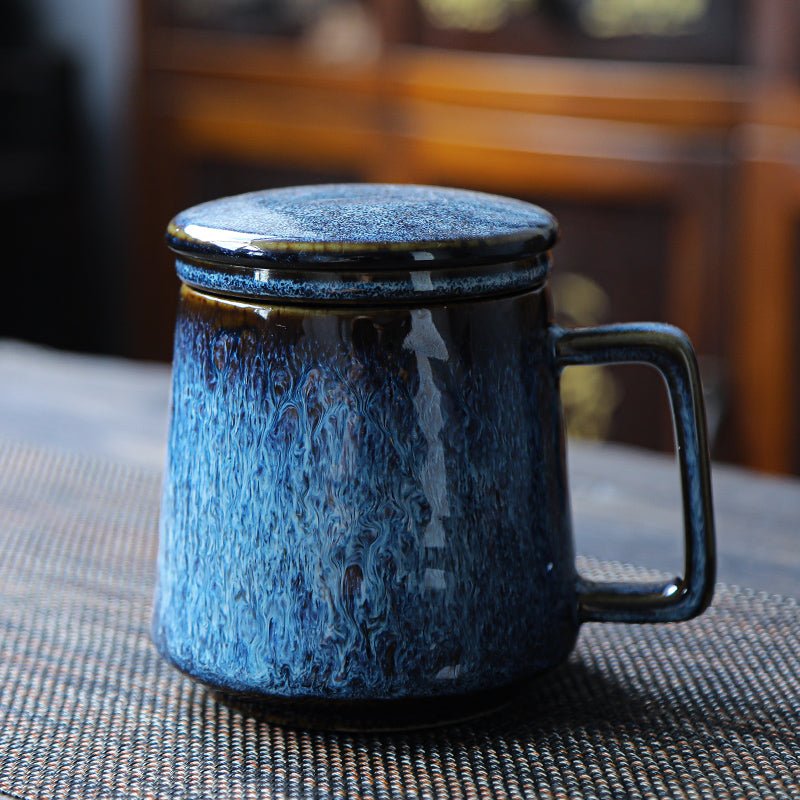
Wassail Mug Comparison: 400, 440, or 480 ml?
Compare The Flow, Morning and Night, and The Rock by listed capacity, routine, and handle fit. This practical breakdown explains the trade-offs between 400, 440, and 480 ml.
Per saperne di più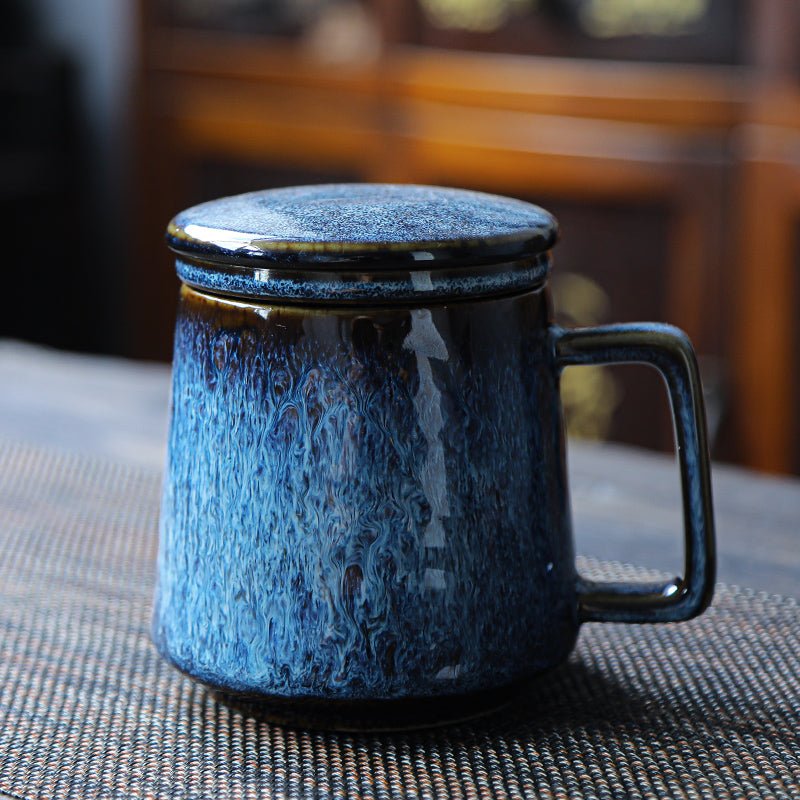
Thick Ceramic Coffee Mugs Daily Use Guide: Practical Trade-Offs
A practical comparison of thick ceramic mugs for kitchen counters, office desks, tea breaks, and gifting. Learn how heat, weight, rim shape, handle fit, care, and storage affect everyday use.
Per saperne di più
Commenta
Questo sito è protetto da hCaptcha e applica le Norme sulla privacy e i Termini di servizio di hCaptcha.