
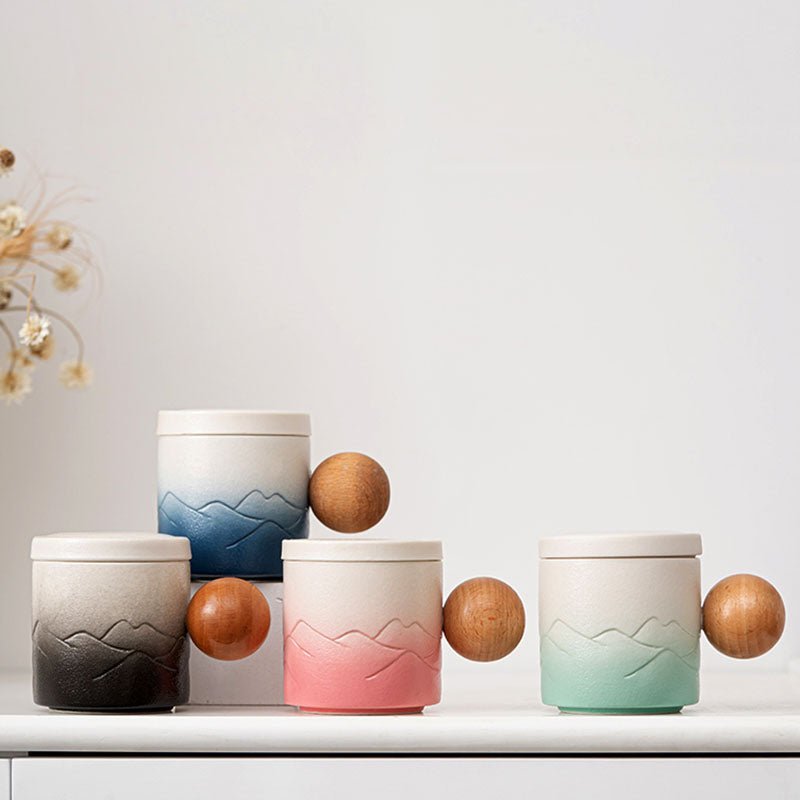
Tea Ceramic Cup Buying Guide for Daily Brewing
Reading time: about 9 minutes
A tea cup that looks good in a photo can still be awkward at the desk. Too narrow, and the tea stays hot longer than you want. Too wide, and the last few sips go lukewarm before you finish them. We see that trade-off all the time in our store, especially from shoppers comparing a daily tea cup to a mug they might also use for coffee.
If you are choosing a tea ceramic cup for everyday use, start with the basics: size, lip comfort, heat retention, and how the cup sits in your hand. If you want to compare styles while you read, start with our full collection and then narrow it down to a few distinct shapes like the Pleated Coffee Tea Cup, The Flow Coffee Tea Mug, and Mountain Sea Coffee Tea Mug.
What should you expect from a tea ceramic cup on a daily counter?
A good ceramic tea cup should feel stable, drink comfortably from the rim, and handle regular washing without turning fussy. In practice, that means a flat base, a smooth glaze inside, and a shape that does not force you to tilt your wrist awkwardly every time you sip. We look for cups that work on a kitchen counter at breakfast, on an office desk with a tea bag still in the cup, and at gift time when the buyer wants something attractive but still useful.
Ceramic is a practical middle ground. It holds heat better than thin glass, it usually feels calmer in the hand than metal, and it does not absorb flavor the way some porous materials can if the glaze is poor. The limitation is just as real: ceramic is not the right pick if you want long, insulated heat retention. If you need tea to stay piping hot for an hour or more, a double-wall cup or insulated tumbler is a better fit.
That trade-off matters. A tea ceramic cup is best for the normal drinking window most of us actually live in: pour, steep, sip, refill if needed. It is not ideal for rough travel, for balancing in a car cup holder, or for users who slam mugs into a sink and expect them to take abuse. Ceramic rewards careful daily use, not rough treatment.
Which size and shape actually suit the tea you drink?
Size changes the experience more than most buyers expect. A cup in the 8 to 12 ounce range tends to work well for solo tea drinking because it is easy to finish while the tea is still pleasant. Larger formats around 12 to 16 ounces make more sense for herbal blends, desk drinking, or anyone who likes a longer, slower session. If you want more help on that part of the decision, our Tea Ceramic Cup Buying Guide: Size, Finish, and Daily Use breaks down the daily-use side in more detail.
Shape matters just as much as volume. A wider opening lets the tea cool faster and lets aromas rise more openly. A taller, narrower cup tends to hold heat a little longer and can feel more controlled in the hand. If you drink green tea, a cup with a calmer, open shape usually feels right because it avoids trapping too much heat. Black tea can handle a slightly deeper shape. Herbal tea often benefits from a larger mouth because many herbal blends are better when you can smell them as you sip.
There is also the handle question. Some buyers want a handled mug for control. Others prefer a handleless tea cup because it feels more traditional and compact. We usually tell shoppers to think about how they actually drink at home. If your tea sits near a laptop, a handle can help. If you like a small, quiet cup for the breakfast table, a handleless ceramic cup can feel more natural.
Practical shape rules we use in our store
- Choose a wider cup if aroma matters more than heat retention.
- Choose a taller cup if you want tea to stay hot a little longer.
- Choose a handled mug if you drink at a desk or tend to refill from a hot kettle.
- Choose a handleless cup if you want a lighter visual profile and a more compact feel.
If you are comparing shape families rather than individual products, our article Ceramic Mugs for Tea: How to Choose the Right Size, Shape, and Finish is a useful companion read.
What details should you check before you buy?
The small details are usually what separate a cup that gets used from one that gets pushed to the back of the cabinet. A smooth rim matters because a sharp lip can make every sip feel less refined. A level base matters because a wobbly cup is irritating on a nightstand or office desk. A clean glaze matters because tea stains show up faster on rough or inconsistent surfaces.
These are the details we pay attention to when we handle ceramic pieces for the store:
| Detail | What to check | Why it matters |
|---|---|---|
| Rim | Even, smooth, no sharp edge | Makes daily sipping more comfortable |
| Base | Flat and stable on a counter | Prevents wobble and spills |
| Glaze | Uniform inside and out | Helps resist staining and makes cleaning easier |
| Thickness | Balanced, not overly thin | Feels better in hand and is less fragile in normal use |
| Foot ring | Clean, not rough or overly sharp | Protects tabletops and improves the finish quality |
We also watch for common defect modes that show up in ceramic drinkware: pinholes in the glaze, tiny glaze skips near the rim, rough spots on the base, and hairline cracks that can start near the bottom after stress or impact. Those are not cosmetic quirks to ignore. They are usually signs that the cup will age badly under normal use.
For buyers who want a bigger-format cup, our Big Tea Cup Buying Guide: Size, Material, and Daily Use is a good follow-up, especially if your tea habit leans toward larger pours or extended desk sessions.
How do our ceramic cup styles compare for tea?
We do not think every tea drinker needs the same silhouette. Some people want a shape that feels compact and tactile. Others want something more fluid or more sculptural on the shelf. That is why we suggest comparing a few different profiles before buying rather than deciding from one photo.
Here is the simplest way to think about the three styles we point shoppers toward most often:
- Pleated Coffee Tea Cup: good if you want a more textured, defined look that still reads as an everyday tea cup.
- The Flow Coffee Tea Mug: a better fit if you prefer a smoother, more relaxed silhouette for daily drinking.
- Mountain Sea Coffee Tea Mug: worth comparing if you want a more decorative presence without leaving the tea-mug category.
None of those options is automatically the best for everyone. The right one depends on how you drink. If you sip slowly at a work desk, comfort and balance matter more than the photo-ready silhouette. If the cup is also a gift, the visual design can carry more weight, but it should still be a practical size that works with common tea portions.
That is also why we keep our broader collection page front and center. It gives you a quick way to compare profiles side by side instead of guessing from a single product image.
How should you care for a tea ceramic cup so it lasts?
For daily use, the safest approach is simple: rinse soon after drinking, wash with a soft sponge, and let the cup dry fully before stacking it. If the maker says a cup is dishwasher-safe, that helps, but handwashing is still gentler on the glaze and the rim over time. That matters most for lighter glazes, matte finishes, and cups with detailed exterior texture, where harsh scrubbing can dull the surface sooner than expected.
We also tell buyers to avoid thermal shock. Do not move a ceramic cup straight from a very hot tea service into cold water. Let it cool first. Sudden temperature swings are one of the easiest ways to stress ceramic and contribute to cracking over time.
A few care habits go a long way:
- Do not use metal scrubbers on the glaze.
- Dry the base before placing the cup on wood surfaces to avoid moisture rings.
- Store cups with enough space that rims do not knock together.
- Check the foot ring occasionally for chips if you use the cup every day.
That is the honest trade-off with ceramic. It is durable enough for everyday use, but it does not reward careless handling. If you want a cup that lives in a gym bag, a car, or a commute kit, choose something built for travel instead.
Which tea drinkers should skip a ceramic cup?
A tea ceramic cup is not the best answer for every buyer. If you want your drink to stay hot for a long stretch without a coaster or refill, insulated drinkware is a better fit. If you are rough on dishware, a simple stainless travel cup may survive your routine better. And if you whisk tea or milk into a frothy drink often, a broader bowl or specialty vessel can be easier to use than a standard cup shape.
That said, ceramic wins for a lot of everyday situations because it feels calm, looks good on the counter, and does not complicate the drink. It is especially practical for people who want one vessel that can handle tea in the morning and a different hot drink later in the day. If your use case is mostly home or office, ceramic still makes sense.
Frequently asked questions
What size tea ceramic cup is best for daily use?
For most people, 8 to 12 ounces is the most practical range. It is large enough for a normal tea portion without cooling too slowly or taking up too much space on a desk. If you regularly drink herbal tea or want a longer session, a slightly larger cup can make more sense.
Is a tea ceramic cup better with a handle or without one?
It depends on how you drink. A handle is more comfortable if you sip at a desk or often pour very hot tea. A handleless cup feels more compact and traditional, but it can be less convenient if the cup gets hot on the outside.
Do ceramic tea cups stain easily?
Quality glaze usually resists everyday staining well, but strong black tea and herbal blends can leave marks if the cup sits unwashed for long periods. Rinsing after use and avoiding abrasive scrubbers helps a lot. Matte or textured finishes may show use sooner than a glossy interior.
Can I put a tea ceramic cup in the dishwasher?
Many ceramic cups can handle dishwashers, but handwashing is still the safer default unless the maker clearly says otherwise. Dishwashers can be harder on decorative finishes and can increase the chance of rim chips if items bump together. If you want the cup to look new longer, wash it gently by hand.
What should I avoid when buying a tea ceramic cup?
Avoid cups with a rough rim, a wobbly base, or obvious glaze flaws. Those issues usually show up again in daily use. Also avoid buying purely on appearance if the cup shape does not match how much tea you actually drink.
If you want to compare the practical options side by side, start with the full collection, then shortlist the Pleated Coffee Tea Cup, The Flow Coffee Tea Mug, and Mountain Sea Coffee Tea Mug against the checklist above: size, rim comfort, base stability, glaze quality, and how the cup fits your actual tea routine.
Read more
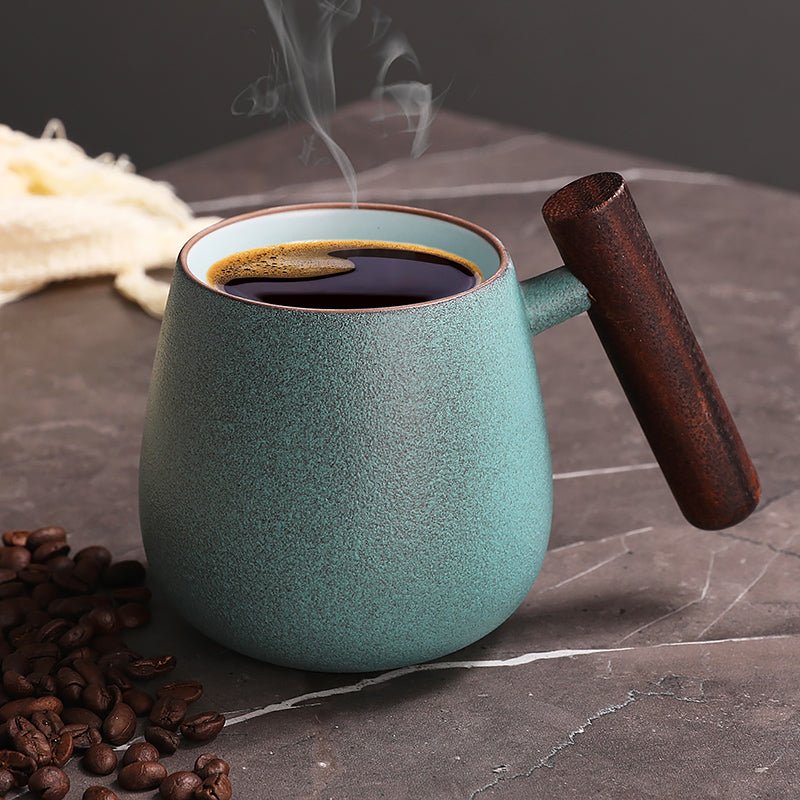
Coffee Mug Wide: What Buyers Should Check Before They Buy
A wide coffee mug changes the way a drink sits, handles, and fits on a desk or in a dishwasher rack. Here’s how to compare shape, comfort, and use case before you choose.
Per saperne di più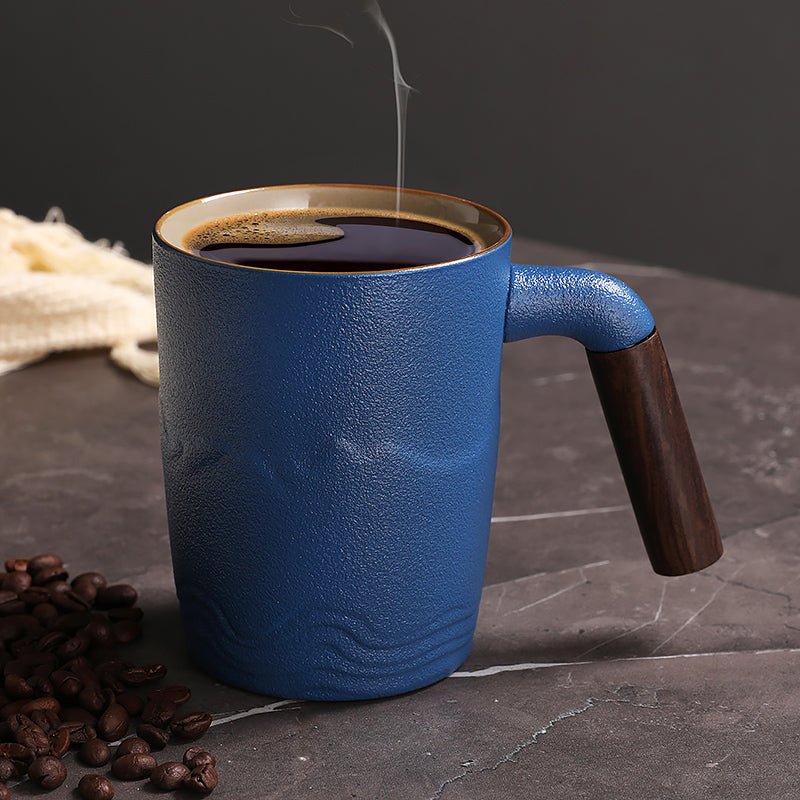
Luxury Coffee Mugs: What Makes Them Worth Buying
Luxury coffee mugs should feel better in the hand, hold up through daily washing, and look at home on a kitchen counter or office desk. Here’s how we compare materials, shapes, and use cases before...
Per saperne di più
Commenta
Questo sito è protetto da hCaptcha e applica le Norme sulla privacy e i Termini di servizio di hCaptcha.