
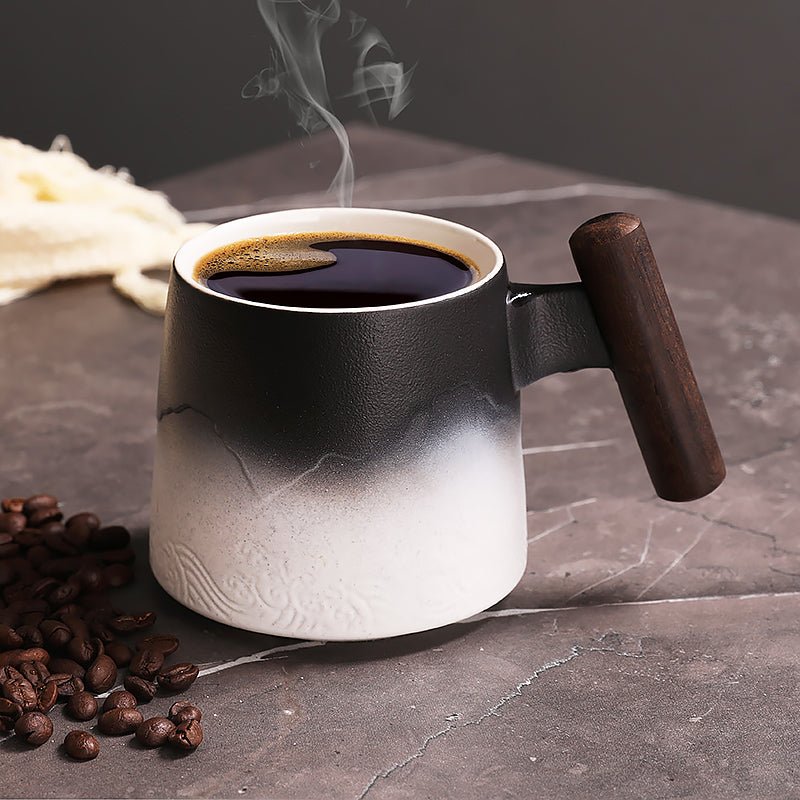
Stackable Coffee Mugs: What Buyers Should Check Before Ordering
Reading time: about 9 minutes
A crowded cupboard makes the problem obvious fast: a regular mug collection can turn into a noisy pile that chips rims and wastes space. Stackable coffee mugs solve that, but only if the cups actually fit together cleanly and still feel good in the hand.
We handle this category in our store all the time, and the best stackable mugs tend to be the ones that balance storage, comfort, and everyday durability. A mug that stacks well but gets too hot to hold, wobbles on the counter, or traps water in the dishwasher is not a good buy. The details matter.
If you want to compare our current range first, start at our products page, or browse the broader collection if you are checking styles across the store.
What makes a coffee mug truly stackable?
A mug is only genuinely stackable if the base and rim are shaped to sit securely on another mug without sliding around. In practice, that usually means a flat or slightly recessed base, a stable foot, and enough clearance in the handle so the cups do not bind when nested.
We look for a few practical signs before we recommend a set:
- Consistent base diameter so each mug lands in the same spot when stacked.
- A rim that does not flare too wildly, which can create unstable towers in a cabinet.
- Handle spacing that leaves room for your fingers when the mug is lifted from the stack.
- Glaze coverage on contact points so the stack does not grind raw ceramic against raw ceramic.
That last point gets overlooked a lot. If the stacking point is unglazed or rough, you may hear scraping every time you pull one mug down. It is not just annoying. Over time, it can leave visible wear.
Which size works best for daily use?
Size changes how stackable mugs behave on a shelf and how they feel in the hand. Smaller cups stack lower and usually fit tighter cupboards, while larger cups can become top-heavy if the foot is narrow.
If you are deciding between standard and larger capacities, our size guides may help. We have separate breakdowns for 12 oz Coffee Mugs: What to Check Before You Buy and 16 oz Coffee Mugs: What to Check Before You Buy, plus a closer look at bigger cups in 20 Ounce Coffee Mugs: What Buyers Should Check Before Ordering and A buyer's guide to large capacity coffee mugs.
For stackable mugs specifically, here is the practical trade-off we see most often:
| Size | What it does well | What to watch |
|---|---|---|
| Smaller cups | Save shelf space, stack lower, work well for espresso-to-medium coffee drinkers | Can feel too small for long desk sessions |
| Mid-size cups | Best balance for most homes and offices | May still need a wider cabinet shelf if handles are large |
| Large cups | Good for heavier pours and slower sipping | Can be harder to stack securely if the base is narrow |
If your cabinet shelves are shallow, a shorter mug height often matters more than capacity. We have seen shoppers choose a beautiful oversized mug only to discover it barely clears the shelf above it.
Which materials are best for stackable coffee mugs?
Material affects weight, heat retention, chip resistance, and how the mugs sound when they are stacked. Most buyers compare ceramic, stoneware, porcelain, and sometimes glass. Each one behaves differently in a kitchen drawer, dishwasher, or office break room.
Ceramic and stoneware are the most common choices for stackable mugs because they are sturdy and familiar for everyday use. Stoneware usually feels a little heavier and more substantial. Porcelain can be lighter and cleaner-looking, but it may show hairline wear more easily if the glaze or firing is inconsistent.
Here is the practical version we give shoppers:
- Stoneware: good for daily coffee, comfortable in the hand, often a little more forgiving on cabinet use.
- Porcelain: slimmer profile, more refined feel, but usually less casual in appearance.
- Glass: useful if you want to see the drink, but not our first choice for a stacked kitchen shelf because it is less forgiving of bumps.
For many homes, a glazed ceramic mug with a solid foot is the safest pick. Just keep in mind that thicker walls usually mean a heavier mug. If you want a feather-light cup for commuting, stackable coffee mugs are probably not the right category at all.
How do you judge whether a stack will stay stable?
Stackability is not just about saving space. A good stack should sit straight, lift cleanly, and stay put when a cabinet door shuts. We test this the same way customers use them: on a kitchen shelf, on an office counter, and during dishwasher unloads where one hand is usually busy.
These are the details we check first:
- Foot size relative to body width. A tiny foot under a wide body can make the stack feel top-heavy.
- Rim symmetry. If one mug has a slightly uneven rim, it may rock instead of nesting neatly.
- Handle orientation. Handles should leave enough room so stacked mugs do not lock awkwardly together.
- Bottom finish. A smooth, finished base helps protect shelves and reduces scraping.
In our experience, the stacks that look best in photos are not always the stacks that behave best in real cabinets. The real test is whether you can grab the bottom mug without disturbing the whole set.
That is why we advise against choosing stackable mugs for very cramped open shelving if the shelf is shallow and the stack is tall. In those spaces, a mug tree or a smaller, non-stacking cup may actually be easier to live with.
What should you check for dishwashers, chips, and long-term wear?
Stackable mugs often get pulled in and out more frequently than single mugs. That means more contact, more clinking, and more chances for wear on the base, handle edges, and rim. A mug can look fine on day one and still be annoying after a month if the finish is too delicate.
We suggest checking for these common problem spots:
- Rim chips from repeated stacking and unstacking.
- Glaze crazing, which can show up as tiny surface lines over time on lower-quality finishes.
- Handle stress if the handle is thin or sharply joined to the body.
- Water pooling under the base after dishwasher cycles if the foot ring is not well formed.
Most buyers want dishwasher-safe mugs, and that is reasonable for everyday use. Still, a dishwasher-safe label does not guarantee that the finish will age beautifully. A busy family kitchen is harder on drinkware than a guest shelf that only gets used on weekends.
If you are choosing mugs for a gift, think about the unboxing moment too. Stackable sets can look thoughtful and organized, but only if the pieces arrive well protected. Loose packing can lead to scuffs before the set is even used.
Are stackable coffee mugs better for homes, offices, or gifts?
They can work in all three settings, but the best style changes with the use case. A home kitchen usually benefits from mugs that stack neatly in a cabinet and feel comfortable for slow morning coffee. An office break room needs durability and easy grab-and-go handling. A gift set should look polished and arrive with a clean, unified shape.
Here is how we usually steer shoppers:
- For homes: choose a comfortable handle, moderate capacity, and a stable stack height.
- For offices: prioritize durability, dishwasher-friendly care, and easy rinsing between uses.
- For gifts: look for a coordinated set with a simple profile and a finish that photographs well in the box.
Stackable mugs are not the best pick if the recipient prefers oversized novelty mugs, very ornate handles, or highly irregular handmade shapes. Those styles can be beautiful, but they often sacrifice stacking consistency. If the goal is storage and daily convenience, restraint usually wins.
For buyers who like style-led pieces, our earlier breakdown of Anthropologie Coffee Mugs: How to Compare Style, Size, and Everyday Use can help you compare a more decorative look against practical everyday use. If you are shopping by season as well as function, Autumn Coffee Mugs: How to Choose the Right Cup for Cozy Season is a useful next read.
What are the main trade-offs before you buy?
The biggest trade-off is simple: better stacking usually means a more controlled shape. That can limit how expressive the mug looks or feels. A wide, chunky artisan mug may be more charming, but it is often worse for storage. A very slim stackable mug may save space, but it may not be the best choice for someone with larger hands.
Before ordering, ask yourself:
- Do I care more about cabinet space or about a generous, oversized feel?
- Will these mugs be used every day, or only for guests?
- Does my dishwasher have enough spacing for the mug shape?
- Am I okay with a simpler profile if it stacks better?
That is the honest answer we give shoppers. Stackable coffee mugs are practical, but they are not for everyone. If your top priority is a statement piece or a highly textured handmade cup, a non-stackable style may suit you better.
Frequently asked questions
Do stackable coffee mugs chip more easily than regular mugs?
They can, especially if the contact point between mugs is rough or unglazed. The risk is higher when the set is stacked tightly and moved often. A smooth glazed base and careful cabinet handling help reduce wear.
What size stackable coffee mug is best for everyday use?
For most shoppers, mid-size mugs are the safest all-around choice because they balance comfort, storage, and shelf height. Smaller mugs save more space, while larger ones can feel bulky and less stable in a stack. Your cabinet clearance matters as much as capacity.
Are stackable coffee mugs dishwasher safe?
Many are, but you should still check the care details for the exact mug. Dishwasher-safe does not always mean scratch-proof or chip-proof. If the glaze is delicate or the stacking edge is rough, repeated cycles can still show wear over time.
Can I use stackable coffee mugs in a small apartment kitchen?
Yes, and that is one of the best use cases for them. They help reduce clutter on shallow shelves and make it easier to keep a tidy cabinet. Just make sure the handle size and stack height fit your actual storage space.
What should I avoid if I want mugs that stack neatly?
Avoid very irregular handmade shapes, oversized handles, and bases that are too narrow for the body. Those features often look nice individually but create unstable stacks. If you want a clean, reliable stack, a simpler shape usually performs better.
If you are ready to compare styles, start with our products page and check the dimensions, base shape, and care notes first. For a broader look across the store, browse the full collection and choose the mug that fits your shelf, your dishwasher, and the way you actually drink coffee.
More from our blog
Read more
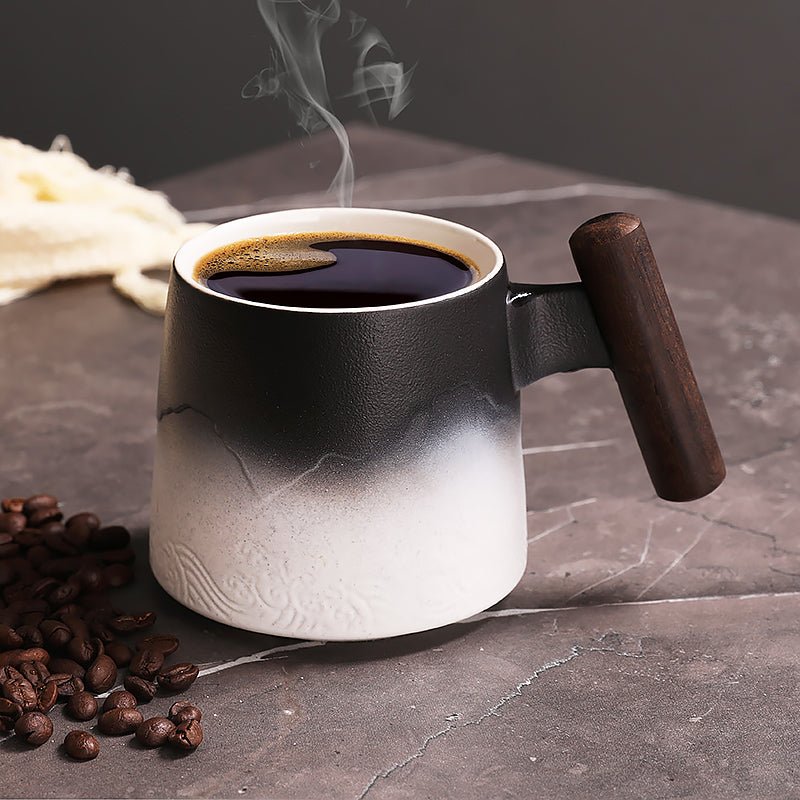
Grinch Coffee Mug Buyer’s Guide: What to Check Before You Buy
A practical guide to choosing a grinch coffee mug that looks good on the shelf and holds up in real daily use. We cover size, material, care, giftability, and the trade-offs to watch before you buy.
Per saperne di più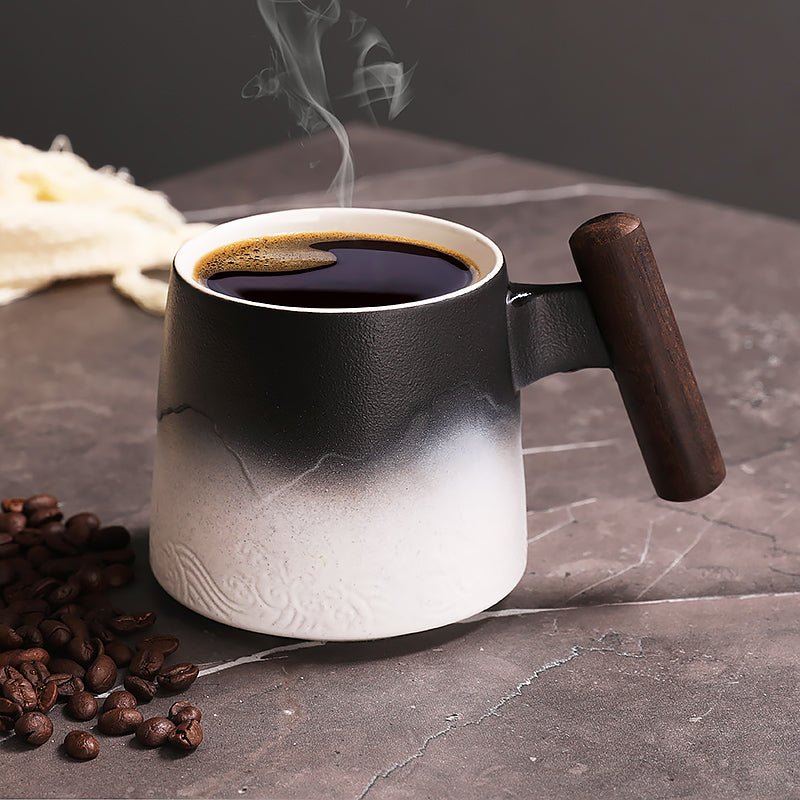
Mighty Mugs Coffee: What Buyers Should Check Before They Order
A practical guide for shoppers comparing mighty mugs coffee options, with the key size, material, and care details that affect daily use. We also point you to the right CoffeifyMug collection and w...
Per saperne di più
Commenta
Questo sito è protetto da hCaptcha e applica le Norme sulla privacy e i Termini di servizio di hCaptcha.