
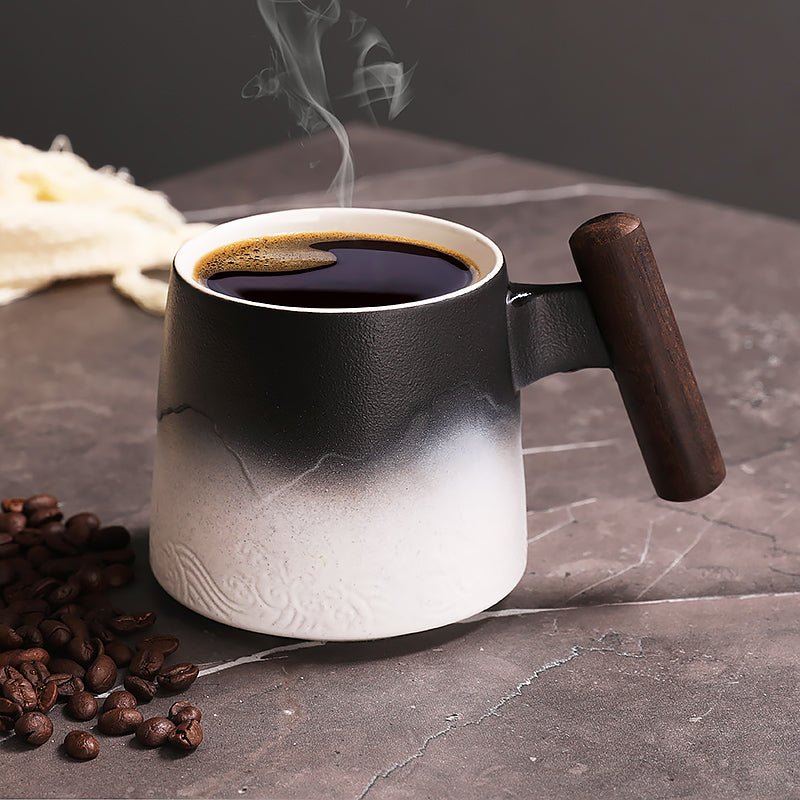
Mighty Mugs Coffee: What Buyers Should Check Before They Order
Reading time: about 9 minutes
The first thing most shoppers notice is not the mug shape. It is the handle. If a mug feels awkward in the hand, chips too easily on the dishwasher rack, or is too small for the way you actually drink coffee, it gets pushed to the back of the cabinet fast. That is the real test we think about in our store when people ask about mighty mugs coffee: will it hold up on a kitchen counter, an office desk, and the occasional rushed morning?
If you are comparing options for mighty mugs coffee, start with the basics that affect everyday use. Our products page shows the current mug lineup, while the full collection is the fastest way to compare what is available right now. We also recommend checking size guides like our 12 oz Coffee Mugs: What to Check Before You Buy and 16 oz Coffee Mugs: What to Check Before You Buy if you are deciding between a standard cup and something with a little more room.
What makes mighty mugs coffee worth comparing in the first place?
Shoppers usually search this term because they want a mug that feels substantial without becoming clumsy. That usually means a mug with a solid wall thickness, a handle that clears four fingers comfortably, and enough capacity for a normal pour plus room for cream or milk. In our experience, the best mugs are not the ones with the biggest capacity alone. They are the ones that fit the drinker’s routine.
Here is what we look at first when we handle mugs in our store:
- Capacity — many buyers do best with 12 oz or 16 oz, while larger drinkers should check 20 oz options before ordering.
- Material — ceramic is the most common daily-use choice because it keeps coffee warm well and feels familiar on the desk; however, it can chip if knocked against a sink.
- Handle shape — a handle that is too narrow can be irritating on a work morning, especially if you use your mug several times a day.
- Finish — glossy glazes look polished but can show utensil marks more easily than some matte finishes.
We do not treat every mug as the same. A heavy, oversized mug can be excellent for a long home desk session, but it is not the best pick for a small kitchen shelf or a crowded office dishwasher.
Which size fits your coffee routine best?
Size changes the whole experience. A mug that is too small feels disappointing after the first refill. A mug that is too large can make coffee cool down before you finish it, and it may be too bulky for people with smaller hands.
For shoppers comparing sizes, our size-specific articles help make the trade-off clearer. The 20 Ounce Coffee Mugs: What Buyers Should Check Before Ordering article is useful if you pour large drinks, while A buyer's guide to large capacity coffee mugs covers the practical side of bigger mugs: storage, weight, and daily cleanup.
| Size | Best for | Trade-off |
|---|---|---|
| 12 oz | Standard drip coffee, espresso-based drinks with milk, smaller servings | Can feel too small if you like a full pour plus cream |
| 16 oz | Daily coffee drinkers who want room for a larger pour | Heavier when full and may take more cabinet space |
| 20 oz | Long mornings, large coffee servings, tea drinkers who stay on one mug longer | Can be bulky and less comfortable for quick sipping or small hands |
If you are buying for a desk setup, a 16 oz mug is often the most forgiving middle ground. If you mostly drink at home and do not mind a bigger footprint, a 20 oz option can be practical. If you prefer a lighter feel or use smaller coffee pours, 12 oz still makes a lot of sense.
What materials and finishes should you check before ordering?
Most people focus on the print or color first. We look at the base material and finish before that. Why? Because the part you touch every day is what determines whether the mug stays in rotation.
For mighty mugs coffee shoppers, these are the details that matter most:
- Ceramic body — sturdy, familiar, and good for daily kitchen use; it can still chip at the rim or base if handled carelessly.
- Glazed surface — helps with cleaning and gives the mug a finished look; some glazes may show fine marks over time from metal spoons.
- Rim thickness — a slightly thicker rim often feels more durable, but an overly thick rim can change how the coffee tastes at the lip.
- Handle attachment points — this is where stress shows up first if a mug is dropped, stacked tightly, or handled roughly during washing.
In real homes, the common failure modes are small chips, hairline cracks from thermal shock, and handle stress from repeated bumps in the sink or dishwasher. That is why we suggest keeping ceramic mugs away from sudden temperature swings, such as going from a cold cabinet straight into boiling liquid without any room-temperature prep.
For shoppers who like visual style as much as function, our article on Anthropologie Coffee Mugs: How to Compare Style, Size, and Everyday Use is a useful comparison point. It is a good reminder that a pretty mug is only useful if it works well in a real kitchen.
How should you care for a mug so it keeps looking good?
Care matters more than people think. We have seen great mugs lose their shine because they were stacked hard, scrubbed with abrasive pads, or left with coffee sitting in the cup for too long. Good care is simple, but it has to be consistent.
- Wash after use, especially if you drink coffee with sugar, milk, or flavored syrups.
- Use a soft sponge or dishcloth rather than a harsh scrubber on glazed surfaces.
- Do not slam mugs together in the sink or stack them tightly rim-to-rim.
- If the mug is labeled dishwasher safe, place it where it will not knock into other dishes during the cycle.
- Dry fully before storing so you do not trap moisture at the base or handle joint.
One trade-off worth stating plainly: ceramic mugs are a strong everyday choice, but they are not the best option for travel, the car cup holder, or outdoor use. If that is your real use case, a travel tumbler or insulated cup will serve you better than a standard desk mug.
What should you expect from a mug bought online?
Online mug shopping is mostly about reducing surprises. Photos can make a mug look larger or lighter than it really is. A size label helps, but the best shoppers also compare capacity, handle opening, and mug height before placing the order.
In our store, we try to think like the customer opening the box at the kitchen table. Does the mug look good in natural light? Does the handle feel comfortable with a full pour? Does it fit in the dishwasher without taking over half the top rack? Those are the questions that matter after checkout.
If you want a broader view of the available styles, our all-collection page is the quickest place to compare options side by side. If you already know the mug size you want, the size-specific guides below can save time and keep you from ordering something that does not match your routine:
- 12 oz Coffee Mugs: What to Check Before You Buy
- 16 oz Coffee Mugs: What to Check Before You Buy
- 20 Ounce Coffee Mugs: What Buyers Should Check Before Ordering
Which buyers should skip mighty mugs coffee and choose a different style?
Some mugs are great for daily home use and not great for everyone. That is normal. If you need a cup that fits a car holder, keeps drinks hot for hours, or will be tossed into a bag, a standard mug is the wrong category. If you have very small hands or prefer a lightweight feel, a large-capacity mug may feel awkward even if it looks appealing online.
We also would not recommend choosing by design alone if you are gifting. Gift mugs should still be practical. A novelty print is fine, but the handle size, capacity, and wash care need to suit the person who will actually use it. That is why shoppers often pair fun styles with practical checks from articles like Amusing Coffee Mugs: How to Choose One That Gets Used.
If the mug will live on a desk, in a kitchen cabinet, and in the dishwasher, practicality matters more than a photo-friendly shape.
Frequently asked questions
What does mighty mugs coffee usually refer to?
Shoppers usually use the phrase to find sturdy, everyday coffee mugs rather than a single technical product type. The useful checks are still the same: size, material, handle comfort, and care instructions. If you want to compare available options, start with our products page.
Is a 16 oz mug better than a 12 oz mug for daily coffee?
For many people, yes, because 16 oz gives more room for a fuller pour and milk without feeling oversized. A 12 oz mug is better if you prefer smaller servings or want a lighter cup in the hand. The right choice depends on how you actually drink coffee at home or at work.
Are ceramic coffee mugs dishwasher safe?
Many ceramic mugs are, but you should always check the product care notes before buying. Even dishwasher-safe mugs last longer if they are not banged against other dishes. If you hand wash, use a soft sponge and avoid abrasive pads that can dull the finish.
What is the main drawback of a large coffee mug?
Large mugs can be bulky, heavier when full, and harder to store in tight cabinets. They are also not ideal if you like smaller, hotter servings that you finish quickly. If you want to compare large options, our large-capacity mug guide can help you decide before you order.
Where should I shop if I want to compare all CoffeifyMug options?
The fastest place is our all collection, then move to the size guide or product page that matches your routine. If you know you want a standard daily mug, the 12 oz and 16 oz buying guides are the most useful next stops.
If you are ready to compare, use this quick checklist: size, handle comfort, material, care instructions, and whether the mug fits your real routine. Then visit our collection page or open the products page to narrow down the best match for your kitchen, office, or gift order.
More from our blog
Read more
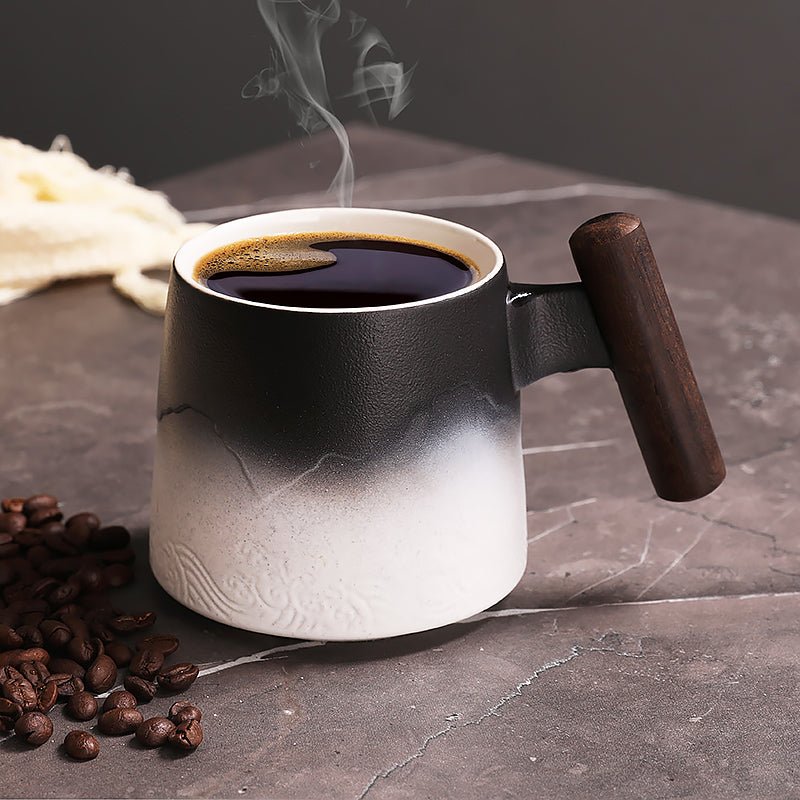
Stackable Coffee Mugs: What Buyers Should Check Before Ordering
Stackable coffee mugs save cabinet space, but the best ones do more than nest neatly. We break down the details shoppers should check before buying, from rim shape and handle clearance to material,...
Per saperne di più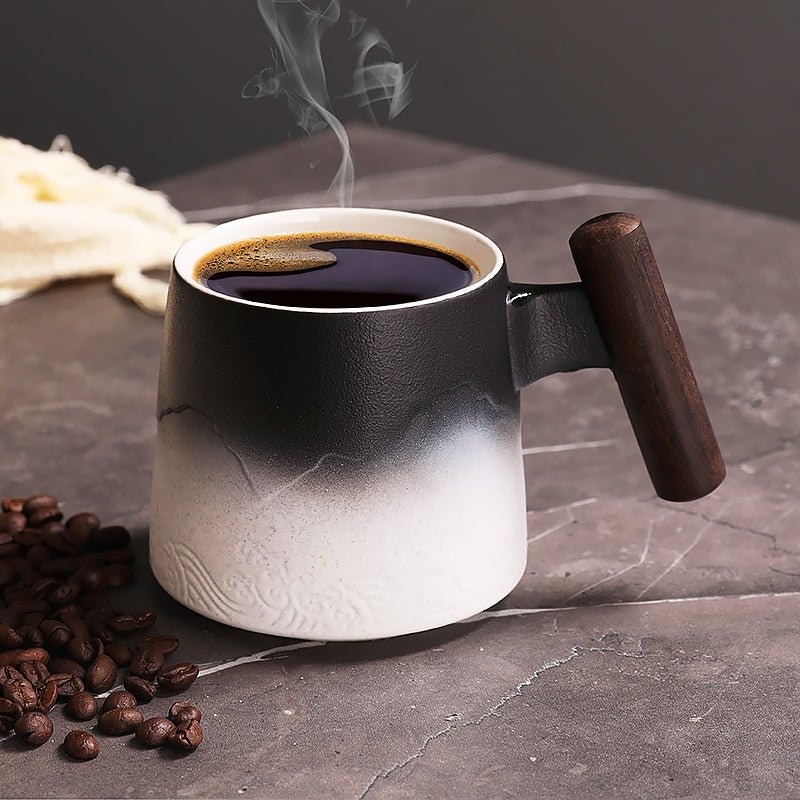
Fun Coffee Mugs: How to Pick One That Gets Used Every Day
Fun coffee mugs should do more than make someone smile for five seconds. The best ones fit real routines, hold up to daily washing, and feel good in the hand.
Per saperne di più
Commenta
Questo sito è protetto da hCaptcha e applica le Norme sulla privacy e i Termini di servizio di hCaptcha.