
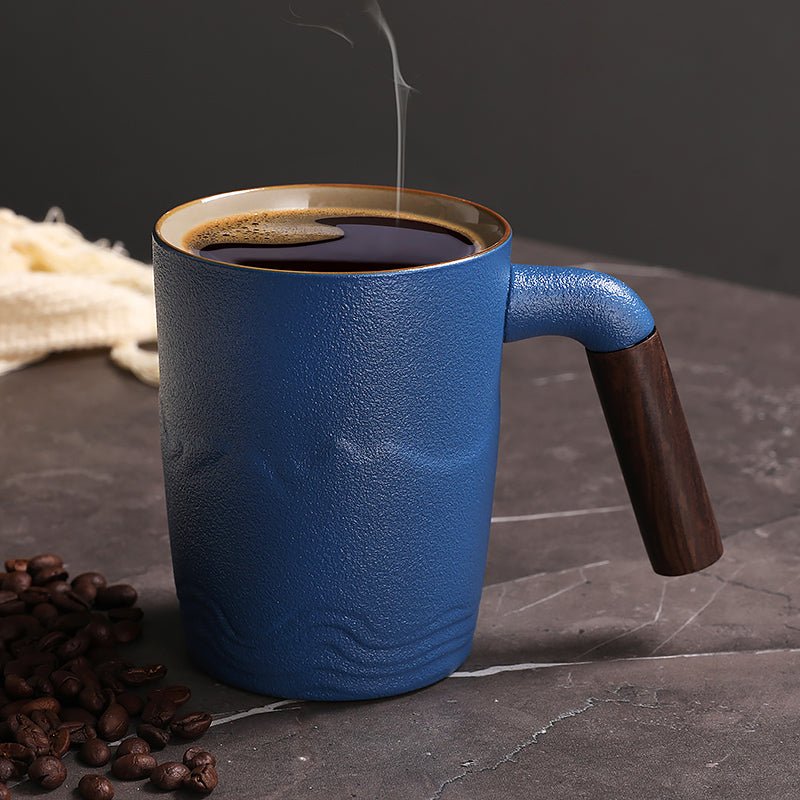
Latte Art Mug Buying Guide: Shape, Size, and Real-World Fit
Reading time: about 9 minutes
A latte that lands in the wrong mug is obvious right away. The foam spreads too thin, the pattern sinks, and the cup can feel either cramped or oversized before you even take the first sip.
That is why we treat a latte art mug as more than a pretty drinkware pick. In our store, we look at the shape, rim, and practical capacity first, because those details decide whether the mug works for home pours, office desks, or a gift that actually gets used.
If you are comparing options, start with the mug shape and the way you plan to drink from it. For shoppers who want to browse quickly, our full collection is the fastest way to compare styles side by side. And if you want a design-forward example that still functions like a daily cup, the Koi Fish Coffee Tea Mug is a good place to look at proportions and visual style together.
What makes a latte art mug different from a regular coffee mug?
A true latte art mug gives the foam room to sit high enough for the pattern to show, while still feeling stable in the hand. Regular coffee mugs often have taller walls, heavier lips, or a shape that works fine for drip coffee but makes latte art look flatter.
We usually tell shoppers to check three things first:
- Rim shape: A slightly open mouth makes poured art easier to see and drink from.
- Bowl depth: A shallow-to-medium bowl helps patterns stay visible longer.
- Capacity: Many latte drinkers want enough space for espresso plus steamed milk without the cup feeling half empty.
That does not mean every latte art mug must be a wide café cup. Some people prefer a more closed profile for heat retention or a more decorative mug for gifting. The trade-off is simple: the more sculpted the mug, the more you may give up in pour visibility and sipping comfort.
Which shape works best for latte art at home?
Shape matters more than most buyers expect. We see a lot of customers choose by artwork alone, then realize the cup is too narrow for clean foam placement or too tall to show the design from above.
For home use, these are the most practical shape considerations:
| Shape | What it does well | Where it falls short |
|---|---|---|
| Wide bowl | Shows latte art clearly and gives milk room to settle | Can cool faster if the wall is thin |
| Taller mug | Feels good in hand and can hold warmth longer | Can hide the pattern and make pouring less forgiving |
| Decorative mug | Great as a gift or display piece | Sometimes sacrifices sipping comfort or pour surface |
If your latte art is mostly for kitchen counters, breakfast tables, or social posts, a wider opening usually works best. If you carry your coffee to a desk and sip slowly, a slightly deeper mug can be the better compromise. We cover more shape trade-offs in our latte art cup buying guide, especially if you are comparing bowl-style versus taller silhouettes.
How much capacity should a latte art mug have?
Capacity should match how you actually drink. A mug that looks generous on a product page can feel awkward in real use if it is too large for your usual pour size.
As a practical rule, look for a mug that leaves enough headroom after espresso and milk are added. That keeps the foam from doming over the rim and gives the art a clean surface. For many shoppers, a mid-size mug is the sweet spot: not tiny like a demitasse, not oversized like a soup mug.
Here is how we think about fit in real life:
- Home espresso and steamed milk: Choose a mug that holds the drink comfortably without leaving a lot of unused space.
- Gift use: A medium capacity is usually safer because it works for coffee, tea, or hot chocolate.
- Desk use: A larger opening can be easier to sip from, but make sure the mug is still easy to carry with one hand.
If you are specifically weighing size and fill level, our posts on 10 oz coffee mug size, fit, and what to check before you buy and what fits in a 10 oz coffee mug are useful for comparing real-world volume against what you plan to pour.
What materials should you look for, and what are the trade-offs?
For a latte art mug, material affects more than durability. It changes heat retention, lip feel, weight, and how the mug handles repeated washing.
In our experience, most shoppers are choosing between ceramic and stoneware-style mugs for everyday latte use. Ceramic is usually smoother and lighter in the hand. Stoneware tends to feel sturdier and a bit more substantial, which some buyers prefer on a kitchen shelf or for gifting.
There are trade-offs either way:
- Ceramic: Often lighter and easier to drink from, but thin walls can lose heat faster.
- Stoneware: Feels solid and can keep a drink warmer longer, but it may be heavier for smaller hands.
- Glossy finishes: Usually easy to wipe clean, but very dark glazes can make foam color harder to judge.
We also pay attention to the rim. A smoother, even lip matters more than people expect. If the rim feels uneven, the mug can drink poorly even if it looks great in photos. That is one of the common defect modes we watch for during handling: small glaze bumps, slight wobble on the table, or a rim that feels off-center in the hand.
How do you choose a latte art mug that still works for daily use?
The best latte art mug is not always the most stylized one. For daily use, we look for a mug that can move between coffee, tea, and gifting without feeling too specialized.
These practical checks help:
- Handle size: Big enough for a comfortable grip, especially when the mug is full.
- Base stability: A flat, steady base matters on crowded kitchen counters and office desks.
- Washability: A mug that can handle regular dishwasher cycles is easier to keep in rotation, even if hand washing is gentler on decorative finishes.
- Surface detail: Embossed or painted designs should not interfere with the lip or the area where your hand naturally rests.
This is where decorative mugs can surprise buyers. A patterned mug may photograph beautifully, but if the handle is too small or the wall too thick, it may not feel right for everyday latte drinking. That is why we encourage shoppers to compare visual style with practical proportions, not treat them as separate decisions.
Is a latte art mug a good gift, or too specific?
It can be a strong gift if the recipient already drinks coffee or tea regularly. The key is choosing a mug that looks distinctive without becoming too fragile, too novelty-driven, or too hard to use outside of special occasions.
We see the best gift reactions when the mug has at least one of these qualities:
- A shape that feels balanced on the table
- A design that stands out without being overly busy
- A capacity that works for both coffee and tea
The downside is that a very specialized latte art mug can miss the mark if the recipient mostly drinks from travel mugs or oversized tumblers. If that is the case, a more versatile mug from our collection may be the better buy. For design-focused gifts, the Koi Fish Coffee Tea Mug is a good example of a mug that can feel special on unboxing day and still earn a place in regular use.
What should you check before you buy online?
Online photos can hide the details that matter most. We always recommend checking the product page for the exact mug dimensions, capacity, material, and care guidance before adding anything to cart.
Here is the shortlist we use internally when evaluating a latte art mug for our store:
- Read the dimensions: Height, diameter, and handle projection all affect comfort.
- Check the material: Ceramic, stoneware, or a decorative glaze can change the feel in hand.
- Look at the rim: A mug with a clean, even opening usually drinks better.
- Review care instructions: Hand wash only is common on decorative mugs, while some everyday mugs are easier to maintain.
- Compare the silhouette: Wide, shallow, and balanced mugs tend to show latte art better than very tall mugs.
If you want a broader buying framework before narrowing down on shape, our older guides on size, print, and material and best shapes for clean art are helpful. They apply well to latte art mugs too, especially if you are comparing decorative mugs that need to work as real drinkware.
Frequently asked questions
What size latte art mug is best for a home espresso machine?
For most home setups, a medium mug with enough room for espresso plus steamed milk is the safest choice. You want headroom so the foam sits cleanly and the art stays visible. A mug that is too large can make the drink feel diluted or visually lost.
Can I use a latte art mug for tea too?
Yes, and that is one reason many shoppers prefer a versatile mug instead of a latte-only cup. A mug with a comfortable handle and a balanced rim works well for tea, though very shallow café-style cups may feel less ideal for longer sipping sessions.
Are decorative latte art mugs dishwasher safe?
Some are, but not all. Decorative paint, metallic accents, or textured finishes may need hand washing to keep the surface looking good. Always check the care instructions on the product page before you assume it can go through repeated dishwasher cycles.
What kind of latte art mug is not a good fit for everyday use?
Very tall mugs, overly narrow cups, and pieces with awkward handles are usually better as display items than daily drinkers. If the mug makes the pour awkward or feels unstable on a desk, it may look better than it functions.
Do wide mugs show latte art better than tall mugs?
Usually, yes. A wider opening gives the foam pattern more surface area and makes the design easier to see from above. Tall mugs can still be useful, but they tend to hide the art and are less forgiving during pouring.
If you are comparing options now, start with one question: do you want the mug to showcase latte art, or do you want the most versatile everyday cup? Then check the product details, compare shapes in our all collections page, and choose the mug that fits the way you actually drink at home, at work, or when you are buying a gift.
Read more
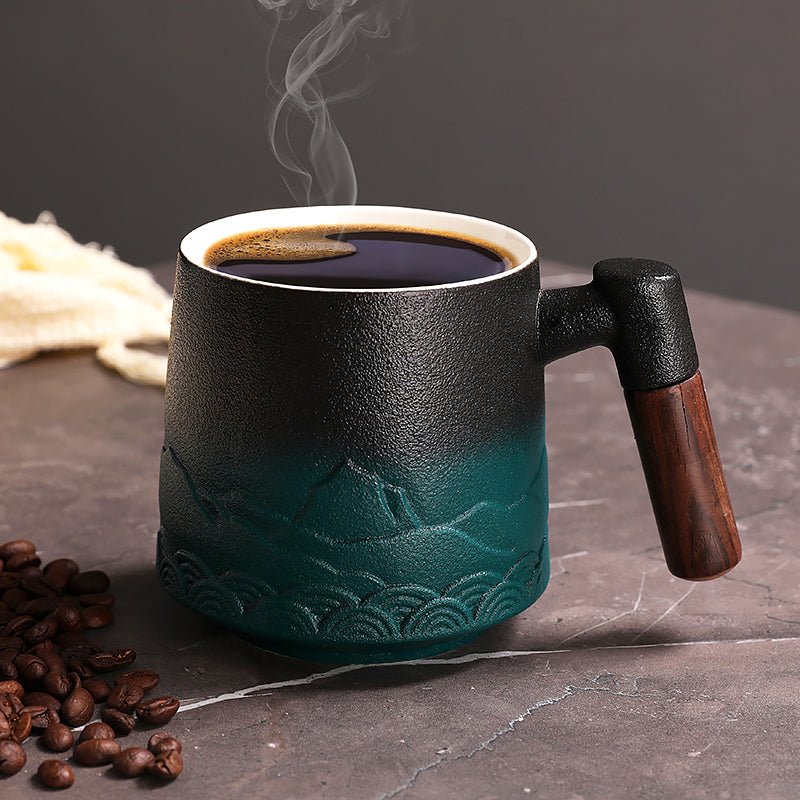
XL Coffee Mug Buying Guide: Size, Fit, and Best Uses
An xl coffee mug sounds simple until you try to fit it under a home brewer, wash it in a crowded sink, or carry it from kitchen to desk without a spill. This guide breaks down real size trade-offs ...
Per saperne di più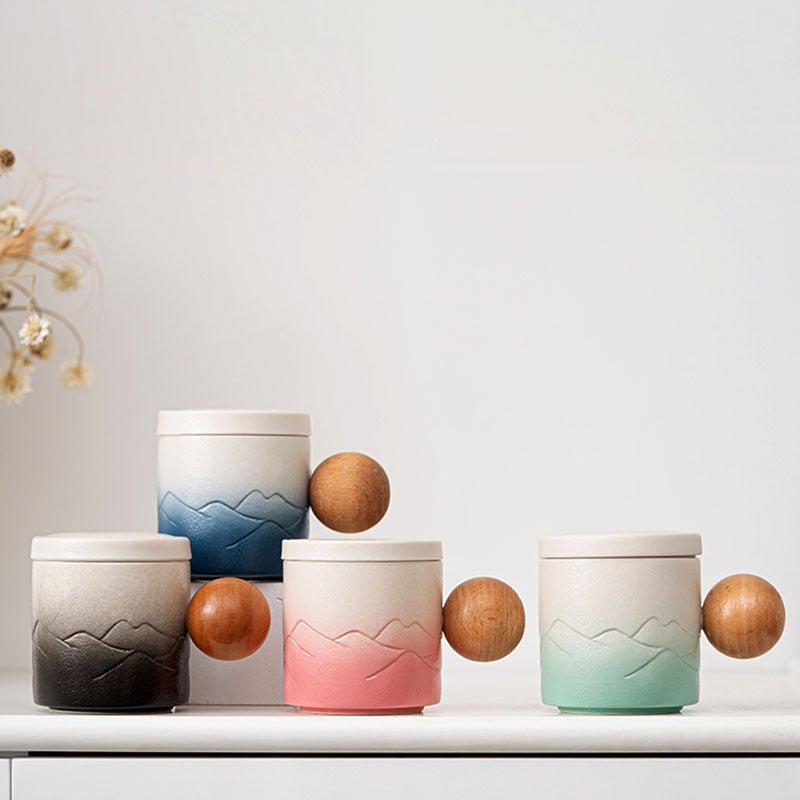
Handled Mug Buying Guide: What to Check Before You Buy
A practical guide to choosing a handled mug that actually feels good in hand, fits your drink size, and holds up to daily use. We cover grip style, material trade-offs, care, and what to avoid.
Per saperne di più
Commenta
Questo sito è protetto da hCaptcha e applica le Norme sulla privacy e i Termini di servizio di hCaptcha.