
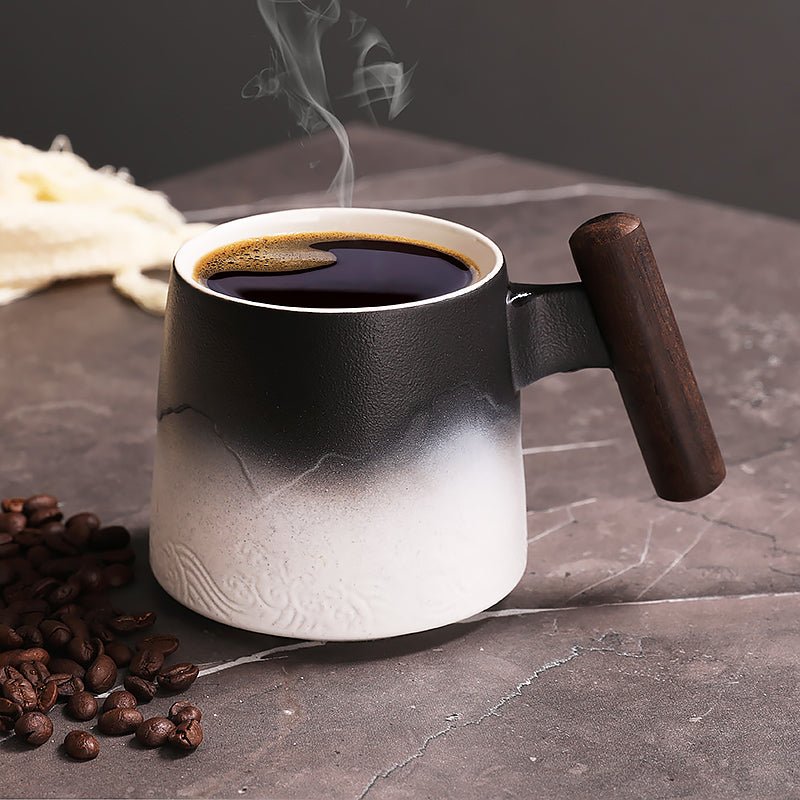
Keep Warm Coffee Mug: What Actually Keeps Coffee Hot Longer
Reading time: about 9 minutes
Your coffee is hot for the first few sips, then it starts cooling the moment you answer a message or step away from the counter. That is usually where the mug matters more than people expect.
A good keep warm coffee mug is not magic. It is a mix of material, wall thickness, shape, and whether the cup is left open to the air or covered. In our store, we see shoppers make better choices once they stop looking for a single "best" mug and start matching the mug to the way they actually drink.
If you want to compare options while you read, our full range is here: products and the broader collection.
What actually keeps coffee warm longest in a mug?
Heat loss happens fast in an open cup. The surface of the coffee cools first, then the mug pulls heat from the liquid, and the room keeps taking more away. That is why a mug that feels heavy and well made often performs better than a thin novelty cup.
Three details matter most:
- Material: Ceramic and stoneware usually hold heat better than thin glass. Double-wall stainless steel holds heat longer still, but it changes the drinking experience and is not for everyone.
- Wall thickness: A thicker cup can stay warmer to the touch and slow heat loss, but it may take longer to preheat and can feel bulky in the hand.
- Lid or open top: A lid slows heat loss and helps with spills. An open mug gives the best coffee aroma, but it cools faster.
If you like the feel of a classic mug, ceramic is often the sweet spot. If you need coffee to stay hot longer on a desk, a lid helps a lot. If you need it to stay hot through a commute, you are usually better off with a travel-style cup than a standard mug.
For shoppers focused on size as much as heat retention, these guides help put the numbers in context: 10 oz Coffee Mug: Size, Fit, and What to Check Before You Buy, 16 Ounce Coffee Mug Buyer’s Guide: Size, Material, and Fit, and 20 oz Coffee Mug: What to Check Before You Buy.
Which keep warm coffee mug fits your routine?
The right mug depends on where it lives. A kitchen mug, an office desk mug, and a gift mug do not need the same shape or material.
| Use case | Best mug type | What it does well | Trade-off |
|---|---|---|---|
| Home counter | Ceramic or stoneware | Feels familiar, good flavor, steady heat for a normal drinking pace | Leaves coffee exposed if you step away |
| Office desk | Heavier mug with lid or mug warmer compatibility | Better at holding temperature between sips | May be less elegant and less convenient for refills |
| Gift | Well-shaped ceramic mug with a comfortable handle | Looks thoughtful and is easy to use every day | Style can matter more than maximum heat retention |
| Commute or errands | Insulated travel mug | Best at keeping coffee hot on the move | Does not feel like a traditional cup |
We tell customers this plainly: if the mug will sit on a desk for half an hour at a time, a strong ceramic mug can be enough. If the coffee will ride in a bag or car cup holder, a standard keep warm coffee mug is the wrong tool. A true travel mug is the better buy.
If you care about the look of the mug as much as the function, our style-focused readers often compare this decision with a design-first cup like the one in Anthropologie Coffee Mug: Style, Size, and Everyday Use Guide.
What details should you check before buying?
Most people scan the color and miss the details that matter after the first week. We do not. The small things are usually what decide whether a mug becomes a daily favorite or ends up at the back of the cabinet.
- Capacity: An 8 oz or 10 oz mug often feels warmer in the hand because there is less surface area exposed. A 16 oz mug works better for long pours, milk-heavy drinks, or people who do not want to refill quickly. Larger 20 oz and 24 oz mugs can be useful, but if the coffee sits open, the extra volume can also mean more heat loss over time.
- Handle clearance: Make sure your fingers fit comfortably without touching the mug wall. A nice-looking handle that is too tight gets annoying fast, especially with hot ceramic.
- Rim shape: A thinner rim feels better to drink from, but it is a little less forgiving if you are trying to keep heat in. A thicker rim can feel sturdy, though it sometimes reads more casual.
- Base stability: A flat, even base matters if the mug goes on a desk warmer or a crowded kitchen counter. A wobbly base is a small defect that becomes a daily irritation.
- Care instructions: Check dishwasher and microwave compatibility before you buy. Glazed ceramic is often easy to clean, but any metallic trim or metal body changes the rules immediately.
For more size-specific comparison points, we also cover 24 Ounce Coffee Mug Buyer’s Guide: Size, Fit, and What to Check and 8 oz Coffee Mug: What to Check Before You Buy. Those guides are useful if you are deciding between a compact cup and a larger one that holds more but may cool a little faster when left open.
In our experience, the most common disappointment is not the material itself. It is the mismatch between mug size and habit. Someone buys a large cup because they want fewer refills, then realizes they drink slowly and the last third is no longer hot.
How do you keep coffee hotter after pouring?
The mug matters, but so does the routine around it. A few simple habits make a real difference without adding gadgets.
- Preheat the mug: Swirl hot water in the cup for a few seconds, then dump it before pouring coffee. A cold mug steals heat immediately.
- Use a lid if you pause between sips: Even a basic lid can slow visible steam loss and help keep the top layer hotter.
- Pour a little less at first: A half-full mug loses heat faster than a fuller one, but an overfilled mug is awkward to handle. Aim for the amount you will drink in the next 10 to 15 minutes.
- Keep it off cold stone or metal: A countertop or desk warmer can draw heat away faster than you expect. A coaster is a small fix that helps.
- Do not constantly lift the lid: Each opening dumps the warm air above the coffee. If you are sipping slowly, keep interruptions to a minimum.
There is one practical limit here: if you routinely leave a drink untouched for a long stretch, a standard mug will not stay hot for very long, no matter how nice it is. At that point, you need either a mug warmer or an insulated cup designed for retention first and drinking feel second.
What should you avoid if you need heat retention?
Some mugs look ideal online but are poor choices for keeping coffee warm in real use. We see the same weak points over and over.
- Very thin walls: They often feel light and pretty, but they lose heat quickly.
- Oversized mugs for small servings: A big cup with only a little coffee cools faster because there is more air above the liquid.
- Decorative shapes that are hard to hold: Sculpted mugs can be awkward in the morning, especially when the ceramic is hot.
- Metal mugs without proper insulation: They can get hot to the touch and still fail to hold temperature well.
- Mugs with narrow or unstable bases: These are a bad match for desks, warmers, and busy counters.
A keep warm coffee mug is also not the best choice if you need one cup to cover every use case. The mug that feels best at home is usually not the mug that travels best. That trade-off is normal, and it is better to choose honestly than to expect one cup to do everything.
If your priority is everyday drinking at a table or desk, a sturdy ceramic mug is often the most comfortable option. If your priority is long hold time, an insulated travel cup or a heated mug system may be the better fit.
Where should you start if you want to buy one now?
Start by deciding where the mug will spend most of its time. Home counter, office desk, gift shelf, or car cup holder. That answer narrows the field faster than color, branding, or trend-led shapes.
Then compare three things side by side: capacity, material, and cleaning. A mug that looks good but is annoying to wash does not stay in rotation for long. A mug that is easy to handle, fits your pour size, and does not force you to micromanage every sip usually becomes the daily favorite.
If you want to shop directly, browse our products page or scan the full collection. If you are still deciding on size, our linked guides on 8 oz, 10 oz, 16 oz, 20 oz, and 24 oz mugs give you a practical comparison before you choose.
Frequently asked questions
What size keep warm coffee mug holds heat best?
Smaller mugs usually hold heat better because there is less surface area exposed to the air. For most people, an 8 oz to 10 oz mug stays warmer longer than a larger one if the coffee is sipped at a normal pace. If you need a bigger serving, a lid becomes more important.
Is ceramic or stainless steel better for keeping coffee warm?
Stainless steel with insulation usually wins on heat retention. Ceramic usually wins on drinking comfort, flavor feel, and everyday kitchen use. If the mug stays on a desk and you care about the drinking experience, ceramic is often the better buy. If you need maximum heat hold, choose insulated steel.
Can I put a keep warm coffee mug in the microwave?
Many ceramic mugs are microwave-safe, but not all of them are. Check for metallic trim, specialty glazes, or any manufacturer note that says otherwise. Stainless steel and most insulated metal mugs should never go in the microwave.
Do mug warmers work with every mug?
No. Flat-bottom mugs tend to work best, and some warmers are picky about base size or weight. A mug with a curved or unstable bottom can sit poorly on the warmer and heat unevenly.
Is a lid worth it on a keep warm coffee mug?
Yes, if you drink slowly or get interrupted often. A lid helps reduce heat loss and can keep the top of the coffee warmer between sips. If you drink quickly and refill often, you may not need one as much.
Use the size guides to narrow your choice, then compare the mug against your routine. If you mostly drink at a desk, look for ceramic with a comfortable handle and a flat base. If you need coffee to stay hot through the commute, move straight to an insulated travel mug instead of forcing a regular cup to do that job.
More from our blog
Read more
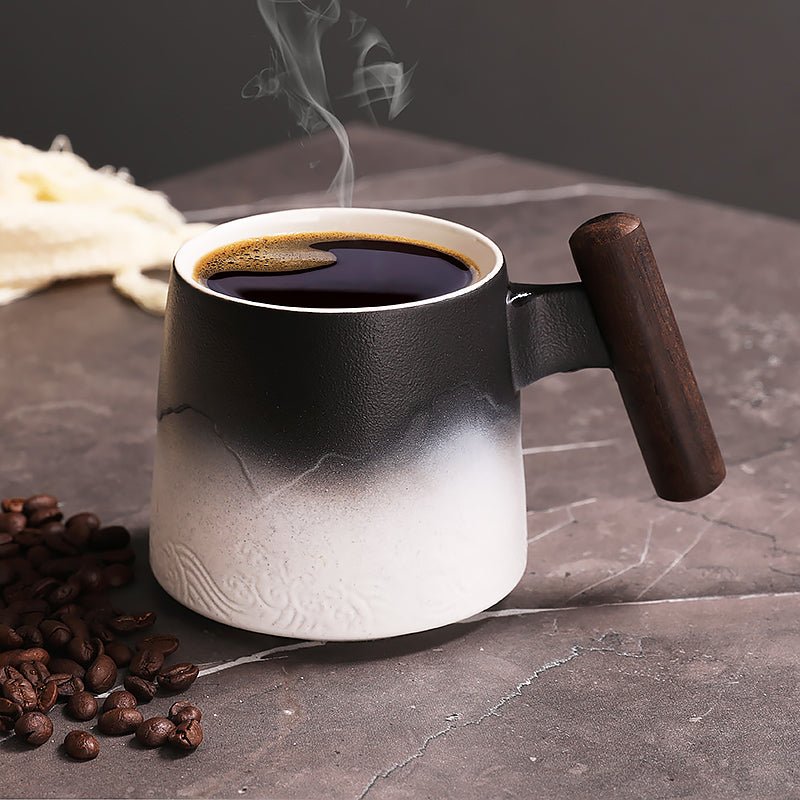
Coffee Mug Ember Buying Guide: What to Check Before You Buy
A coffee mug ember is a desk-first solution for keeping coffee at a steady temperature, but the details matter more than the label. We break down the real trade-offs: size, materials, charging, car...
Per saperne di più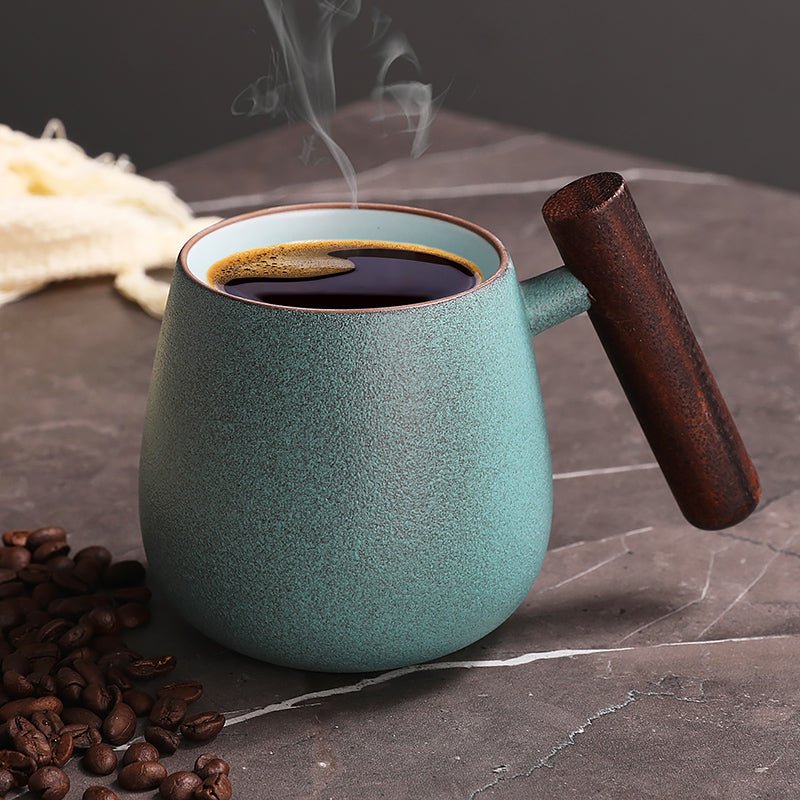
Yeti Travel Coffee Mug: What Buyers Should Check Before Ordering
A Yeti travel coffee mug can work very well for commutes and desk days, but the lid, size, and cleaning routine matter more than the name on the side. We break down the features that actually affec...
Per saperne di più
Commenta
Questo sito è protetto da hCaptcha e applica le Norme sulla privacy e i Termini di servizio di hCaptcha.