
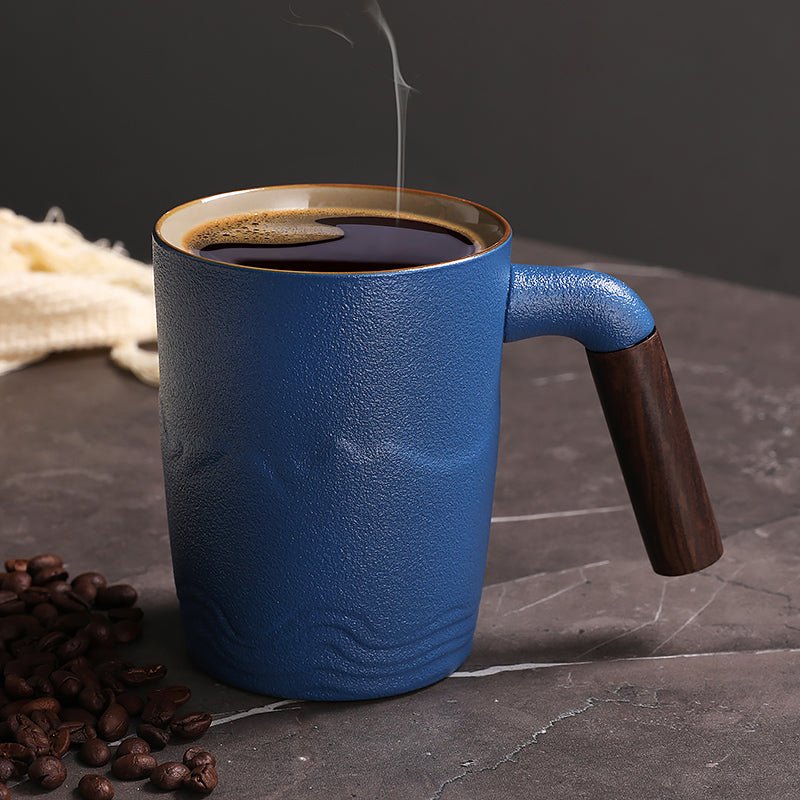
How Many Oz Is a Regular Coffee Mug? A Practical Buyer Guide
Reading time: about 10 minutes
A full drip coffee looks simple in the pot. The problem shows up at the mug. A cup that is technically large enough on paper can still feel cramped once you add cream, leave room to sip safely, or try to fit it under an office machine. In our store, that is usually the moment shoppers ask the same thing: how many oz is a regular coffee mug?
The short answer is that most regular coffee mugs land somewhere between 8 and 12 oz. The more useful answer is that the number on the listing is only part of the story. Shape, wall thickness, handle size, and how much empty space you want at the top all change how the mug feels in real use.
How many oz is a regular coffee mug?
For everyday shopping, a regular coffee mug usually means an 8 oz to 12 oz mug. In ecommerce, 11 oz is a very common size because it gives enough room for a standard pour without making the mug feel oversized on a desk or kitchen shelf. In homes and offices, though, many people treat 12 oz as the comfortable everyday size because it leaves a little breathing room for milk, foam, or a splash of cream.
One thing we see often: the listed capacity is usually the mug filled close to the rim, not the amount you want to drink to the edge. A mug that is labeled 11 oz may feel better if you pour 9.5 to 10 oz into it, especially if you want to keep the surface from sloshing as you walk from the kitchen to the couch.
| Common mug size | What it usually means | Best for | Trade-off |
|---|---|---|---|
| 8 oz | Small everyday cup | Espresso drinks, smaller servings, tea | Feels tight for a full drip coffee |
| 10 oz | Compact regular mug | Black coffee, shorter pours, small desks | Less room for milk or foam |
| 11 oz | Common online standard | Most drip coffee drinkers, gifting, daily use | Can still overflow if you pour very full |
| 12 to 14 oz | Larger everyday mug | Milk-heavy drinks, tea, long work sessions | Takes more cabinet space and may feel bulky |
| 15 to 16 oz | Oversized mug | Big coffee pours, cocoa, people who dislike refills | Too large for some cup holders and some hands |
If you want a quick rule, use this: 8 oz feels small, 10 to 11 oz feels regular, and 12 oz starts to feel roomy. That is the practical line we use when we help shoppers compare mugs at our store.
Why do two mugs with the same ounces feel different?
Two mugs can both be labeled 11 oz and still behave differently at the counter. The reason is shape. A tall mug with straighter walls often feels narrower in the hand and leaves less surface area exposed. A wide, short mug spreads the coffee out, which can cool it faster but feels easier to stir.
Material matters too. Most everyday mugs are ceramic or stoneware, and both tend to hold heat well enough for a normal coffee break. Thicker walls usually feel sturdier and retain warmth a little longer, while thinner cups can feel lighter but are more likely to transmit heat to your hand. The difference is not just comfort. It changes how fast the drink cools on a desk.
There are a few real-world details we check before we recommend a mug:
- Handle clearance: A handle that is too small can make a mug awkward for larger hands or when you are carrying it with a spoon inside.
- Foot ring and balance: A mug with a narrow base may feel tippy if the top is wide and the cup is heavy with liquid.
- Interior shape: A tapered interior can make a mug feel smaller than the capacity number suggests.
- Finish and decoration: Metallic accents or printed surfaces may need gentler washing than a plain glazed mug.
That is why we never treat oz as the only buying factor. A good mug is the one that fits your hand, your machine, and the way you actually drink.
Which mug size works best for black coffee, lattes, and tea?
The right size depends on what you pour into it. A regular black coffee drinker has different needs from someone who drinks a latte or a mug of tea that sits on the desk for an hour.
- Black coffee: 8 to 11 oz usually works well. If you brew a standard drip cup and do not add much milk, an 11 oz mug often gives the best balance.
- Coffee with milk or cream: 10 to 12 oz is safer. That extra room keeps the drink from reaching the rim once you add dairy.
- Tea: 10 to 12 oz is comfortable for most tea drinkers. It gives enough volume without making the mug feel oversized for a quick tea break.
- Latte or cappuccino: 12 oz is often the practical minimum if you want room for foam, milk, and coffee together.
- Cocoa or bigger desk drinks: 12 oz and up works better if you dislike refilling.
If you want to go deeper on those size differences, our 10 oz Coffee Mug: Size, Fit, and What to Check Before You Buy article is useful for compact everyday cups, and our 11 oz Coffee Mug: Size, Fit, and What to Check Before You Buy guide compares the most common online size more directly.
For shoppers comparing shapes first, start with our all mugs collection. If you want a more distinctive daily mug instead of a plain cylindrical shape, the Handbag Coffee Tea Mug is the sort of piece people buy for both use and gifting. For a taller profile, the White Golden Waves Tall Coffee Tea Mug and Mountain Tall Coffee Tea Mug show how a mug can hold a regular pour while taking up less width on the table.
We like those taller profiles for work desks and kitchen counters because they keep the footprint compact. They are not the best choice if you want a very wide opening for latte art, heavy stirring, or cooling a drink quickly. That is the trade-off.
What should you check before buying a mug online?
Buying a mug online is mostly about reading past the marketing name. A product can look like a simple coffee cup and still behave differently from what you expect once it reaches the sink.
- Capacity wording: Check whether the oz figure is the listed capacity or the practical fill amount. Those are rarely identical.
- Material: Ceramic and stoneware are the most common everyday choices. They are sturdy, but they can chip at the rim or base if handled roughly.
- Care instructions: A plain glazed mug usually handles normal dishwasher use well, but decorative surfaces, gold-tone details, or specialty finishes may be better with gentler washing.
- Handle fit: If you drink with one hand while walking, a comfortable handle matters more than a slightly larger capacity number.
- Base and rim finish: A rough foot ring or uneven glaze can scratch shelves and feel cheap in hand, even if the mug looks good in photos.
- Use case: A mug that works for coffee may not be ideal for soup, travel, or a machine with limited clearance.
In our experience, the most common disappointment is not that the mug is too small on paper. It is that the buyer wanted a roomy daily cup and ended up with a shape that looks larger than it really drinks. The second most common issue is choosing a decorative mug for a machine-dishwasher routine and then expecting the finish to stay perfect forever. It rarely does.
If you want a mug for daily use, check the dimensions as well as the ounces. A tall 11 oz cup and a short 11 oz cup do not feel the same on the counter, in the cabinet, or under a coffee machine.
Which mug size should you choose if you want one mug for everything?
If you only want one mug to cover the basics, we usually steer shoppers toward 11 oz or 12 oz. That range handles black coffee, tea, and a moderate amount of milk without feeling oversized. It also stores more easily than a 16 oz mug, which can dominate a shelf and feel too large for smaller hands.
A good middle-size mug is the safest choice if you share a kitchen with other people or buy gifts for someone whose routine you do not know well. It is also the size range most shoppers recognize as a regular coffee mug, which is why so many listings sit there. If you want a shorter, more compact cup, choose 8 to 10 oz. If you know you pour a large morning drink and dislike refills, move up to 12 oz or more.
We also think about how the mug will live in a real home or office:
- Kitchen shelf: A standard mug stacks and stores more easily than an oversized cup.
- Office desk: A taller mug can save width, but a wider mug may be easier to stir and sip from.
- Gift box: A regular 11 oz or 12 oz mug usually feels familiar and useful instead of niche.
- Machine fit: If the mug sits under an espresso machine or small brewer, height matters as much as volume.
For shoppers who want a useful next step after the size question, our main advice is simple: compare the oz number, the shape, and the day-to-day use case together. A mug that looks perfect in a photo can be wrong if it is too tall for your machine or too shallow for the way you drink.
Frequently asked questions
Is 11 oz a regular coffee mug?
Yes, 11 oz is one of the most common regular mug sizes online. It usually gives enough room for a standard coffee pour without feeling oversized on a desk or in a cabinet. If you like a little room at the top for cream or foam, 11 oz is often a practical middle ground.
Is 8 oz too small for coffee?
Not if you like a smaller drink or drink espresso-based coffee. For a full drip coffee, though, 8 oz can feel tight once you add milk or want to avoid sipping right at the rim. It is better for compact servings than for a large morning pour.
Can I use a 10 oz mug for a 12 oz drink?
Only if you do not fill it all the way. A 10 oz mug is a capacity limit, so a 12 oz drink will not fit safely at the top unless you intentionally underfill it. If you regularly pour that much, step up to an 11 oz or 12 oz mug.
Are tall mugs better than short mugs?
They are better for some people and worse for others. Tall mugs can save counter space and often feel good for tea or a standard coffee pour, but they may be less stable or harder to stir than a wider mug. If you want easier access with a spoon or more room for latte foam, a wider mug may suit you better.
What size mug is best for gifting?
11 oz is the safest default for gifting because it feels familiar to most buyers and works for coffee or tea. If you know the person likes oversized drinks, 12 oz or larger can be a better fit. If you are unsure, a regular-size mug is usually less risky than a very small or very large one.
If you are still deciding, use a simple checklist: pick the drink you make most often, check the mug height against your brewer, and compare the handle and shape before you buy. For a straightforward browse, start with our all mugs collection and choose the size that matches the way you actually drink coffee.
More from our blog
Read more
8 oz Coffee Mugs: What to Check Before You Buy
A practical guide to 8 oz coffee mugs for shoppers comparing size, shape, and everyday fit. We cover real trade-offs, the best use cases, and which options make sense for desks, kitchens, and gifting.
Per saperne di più
Flower Coffee Mugs: What to Buy for Daily Use, Gifts, and Display
Flower coffee mugs can be charming, but the best ones still need a comfortable handle, a stable base, and a finish that holds up to daily washing. This guide breaks down what to look for, what to a...
Per saperne di più
Commenta
Questo sito è protetto da hCaptcha e applica le Norme sulla privacy e i Termini di servizio di hCaptcha.