
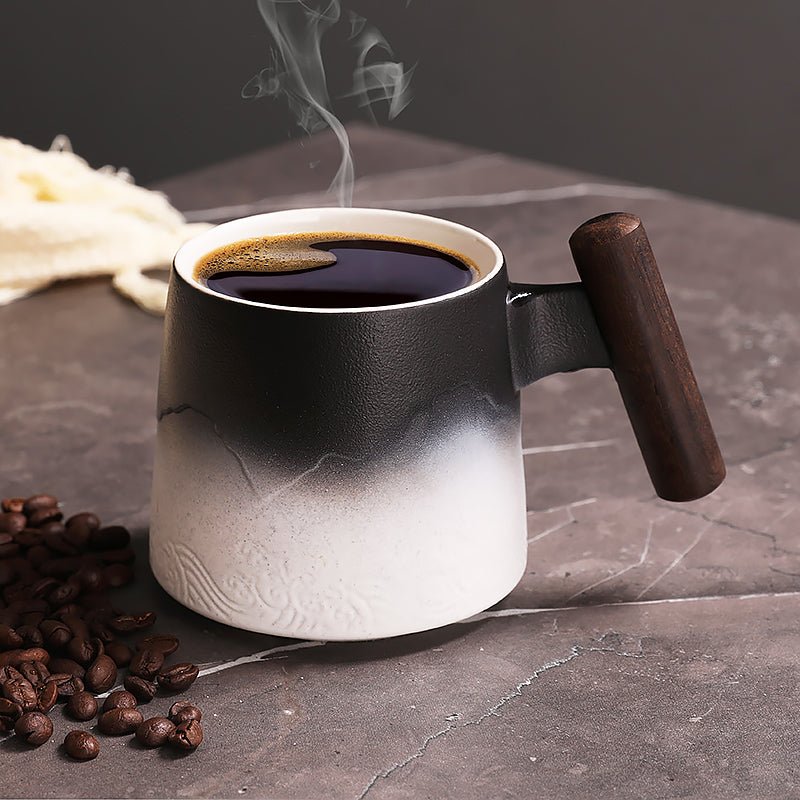
How Many Oz in a Coffee Mug? Common Sizes and What Fits Best
Reading time: about 9 minutes
A mug marked 12 oz rarely gets filled to the rim. Leave space for crema, milk, tea bags, or just a safer grip, and the usable pour drops fast.
That is why how many oz in a coffee mug has a practical answer, not a single exact one. In our store, we see shoppers compare the label on the bottom against what actually fits on a kitchen counter, under a drip machine, or in a crowded office mug tree.
We handle a lot of mugs that look similar on paper but feel very different in use. A wide bowl, a tall cylinder, and a heavy stoneware shape can all carry the same ounces and still serve different people better.
How many oz is a coffee mug, usually?
For most shoppers, the short answer is that a coffee mug usually lands somewhere between 8 oz and 16 oz. The most common everyday sizes are 11 oz, 12 oz, 14 oz, and 15 oz, though you will also see smaller 8 oz and 10 oz cups for tighter pours or more compact servings.
That range matters because the printed size often reflects the mug filled close to the rim, not the amount you should actually pour. Once you leave headspace, the practical capacity is lower.
| Labeled size | Typical use | What fits comfortably |
|---|---|---|
| 8 oz | Small drip coffee, espresso-based drinks, tea | Best when you want a tight, smaller pour with little extra room |
| 10 oz | Short coffee pour, tea, smaller servings | Leaves limited room for milk or foam |
| 11 oz | Classic everyday mug | Good for a standard cup of coffee without feeling oversized |
| 12 oz | Office coffee, flexible daily use | Often the sweet spot for shoppers who want a little extra room |
| 14 oz | Larger coffee, latte-style drinks | Better if you pour more than one small top-off |
| 15 oz | Big mug drinkers, tea, cocoa | Not as compact, but useful if you want fewer refills |
If you want a broader comparison, our post on How Many Oz Is a Coffee Mug? Common Sizes and What Fits Best goes deeper into the size range shoppers usually compare first.
What size actually fits a normal pour?
For drip coffee, most buyers are not looking for the absolute brim capacity. They want a mug that holds a real serving with a little margin for movement, heat, and added milk. That is where usable ounces matter more than label ounces.
A 12 oz mug is often more comfortable than a 10 oz mug if you drink black coffee and like a bit of breathing room. A 15 oz mug can feel generous on a work desk, but it is not the best pick if you want a compact cup that slips neatly under a low espresso machine or stores easily on a narrow shelf.
We usually point shoppers to the following rule of thumb:
- 8 to 10 oz for smaller pours, espresso drinks, or tea drinkers who prefer a compact cup.
- 11 to 12 oz for the most common daily coffee routine.
- 14 to 15 oz for people who want a larger drink and fewer refills.
If you are still deciding between a regular cup and a larger one, our article on How Many Oz Is a Regular Coffee Mug? Common Sizes and Fit is a useful companion read.
Why do two mugs with the same oz feel different?
Ounces do not tell the whole story. Shape, wall thickness, rim flare, and handle size all change how a mug feels in the hand and how much coffee you actually want to pour into it.
A tall, narrow mug and a wide, shallow mug can both be labeled 12 oz, but they behave differently. The tall one usually keeps heat a little longer because there is less surface area at the top. The wide one cools faster, which some people like for drinking right away.
Here are a few details we pay attention to when we handle mugs for the store:
- Material: Ceramic and stoneware usually feel heavier and more substantial. Porcelain often feels lighter and more refined. That changes both heat retention and hand feel.
- Rim thickness: A thinner rim can feel nicer to sip from, but it may also chip more easily if it gets knocked in a sink or dishwasher rack.
- Handle clearance: A handle that only fits two fingers can feel cramped, especially when the mug is full. A deeper handle is usually easier for daily use.
- Base stability: A mug that rocks slightly on the counter is annoying fast. Flat bases matter more than most people expect.
That is also why the same 11 oz mug can be a great desk mug for one person and a poor fit for another. The size on the label is only one piece of the decision.
Which mug size should you buy for home, office, or gifting?
Different rooms create different needs. A mug for a quiet kitchen shelf is not always the same mug that works at an office desk or as a gift.
If you want a quick way to narrow it down, this is how we usually think about it:
- Home kitchen: 11 oz to 12 oz is the safest everyday choice for most coffee drinkers.
- Office desk: 12 oz to 14 oz works well if the mug will sit through a long meeting or a slow morning.
- Gift: 12 oz is the most flexible middle ground because it works for coffee, tea, and hot chocolate without feeling oversized.
- Small drinker: 10 oz or 11 oz is better if the person usually drinks a smaller cup and does not want a bulky mug.
- Big pour fan: 15 oz makes sense if they refill less often and like extra room for milk or foam.
For shoppers comparing specific capacities, our size-specific guides can help: 10 oz Coffee Mug: Size, Fit, and What to Check Before You Buy, 12 oz Coffee Mug: Size, Fit, and What to Check Before Buying, and 15 oz Coffee Mug: Size, Fit, and What Buyers Should Check.
If you are browsing for a wider selection, our current product range and all mugs collection are the fastest way to compare shapes, finishes, and sizes in one place.
There are trade-offs. A larger mug is not ideal if you want something light in the hand, easy to store, or compatible with a compact espresso setup. A smaller mug is not ideal if you drink long, slow cups and hate refilling.
What should you check before you buy a coffee mug?
Before you choose by size alone, check the details that affect daily use. This is where a good mug beats a pretty one.
- Material: Ceramic and stoneware are common for a reason. They are sturdy for everyday use, but they can chip if they hit another mug in the sink.
- Care instructions: If the mug has metallic trim, special decals, or a delicate finish, it may need hand washing. If it is labeled dishwasher safe, that usually simplifies daily cleanup.
- Heat behavior: Thick walls help the mug hold warmth longer, but they also make the mug heavier. Thin walls feel lighter, but the drink can cool faster.
- Rim and lip: A smooth rim makes a real difference when you drink coffee several times a day. Rough glazing or an uneven lip is something we would not want on a daily mug.
- Cabinet and machine fit: Check height if you use a pod machine or espresso station, and check width if your shelves are tight.
We also look for common failure points before we recommend a mug: a wobbly base, a handle that pinches the fingers, or a glaze line that looks fragile near the rim. Those are the kinds of small defects that become annoying after a week of use.
If you want a practical shortcut, think about what the mug will do most often. A mug used for office refills needs a different shape than one used for weekend pour-over or tea at the kitchen table.
How do size and shape affect everyday use?
The number on the mug matters less than the experience of using it. A slightly narrower mug can keep coffee warmer for longer. A wider mug can make it easier to stir in cream or sugar and cool the drink a bit faster so it is ready sooner.
That is why we rarely recommend choosing only by ounces. The best mug size depends on how you drink, where you use it, and how much space you want between the liquid and the rim.
A few real-world examples:
- A 10 oz mug can be ideal for a morning cup if you do not want the mug to dominate a small desk.
- A 12 oz mug works well for a kitchen shelf because it is versatile enough for coffee, tea, and hot chocolate.
- A 15 oz mug is useful if you want fewer trips back to the coffee pot, but it may feel too large for a minimalist setup.
For buyers comparing the standard range, our article on How Many Oz Is a Standard Coffee Mug? is a good next read if you want to see how the usual sizes line up against one another.
Frequently asked questions
Is 12 oz a standard coffee mug?
Yes, 12 oz is one of the most common everyday mug sizes. It is a practical middle ground for coffee drinkers who want enough room for a normal pour without jumping to a bulky mug.
Is a 15 oz mug too big for daily coffee?
Not if you like a larger drink or use milk and foam. It can be too big if you prefer a compact mug, store your mugs on a tight shelf, or want something lighter in the hand.
How much coffee fits in a mug after adding milk or cream?
Less than the label suggests, because you need headspace. If you usually add milk, cream, or foam, a 12 oz mug may feel more comfortable than a 10 oz mug even if both seem close on paper.
Are ceramic mugs better than stoneware mugs?
Neither is universally better. Ceramic often feels a bit lighter and cleaner in the hand, while stoneware tends to feel heavier and more substantial. The better choice depends on whether you want a lighter everyday mug or a sturdier feel.
What mug size is best for gift buyers?
12 oz is usually the safest gift size because it works for coffee, tea, and cocoa without feeling extreme in either direction. If you know the person likes oversized cups, 14 oz or 15 oz can make sense instead.
What should you compare before choosing your mug?
If you are deciding right now, compare three things side by side: the labeled ounces, the mug shape, and the way you actually drink. Those three points tell you more than the number alone.
Our practical checklist is simple:
- Pick the size that matches your normal pour, not the biggest number available.
- Check whether the mug is easy to wash, stack, and store in your kitchen.
- Make sure the handle and rim feel comfortable enough for daily use.
- Choose a material that matches how you really drink, not just how it looks on a shelf.
If you want to keep comparing, start with our all mugs collection and then jump into the size guide that fits your drinking style best. That is usually the fastest way to land on a mug that looks good and actually works every day.
More from our blog
Read more
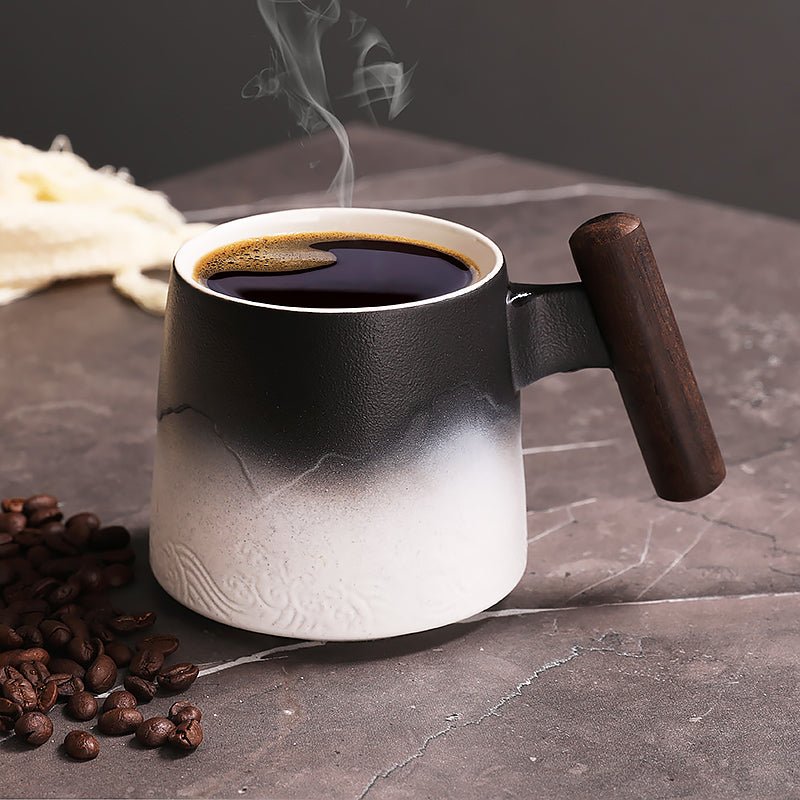
Cracker Barrel Coffee Mugs: Size, Style, and What to Check
A practical buyer’s guide to cracker barrel coffee mugs, with the details shoppers usually miss: material, capacity, handle comfort, care, and where these mugs fit best. Use it to compare styles be...
Per saperne di più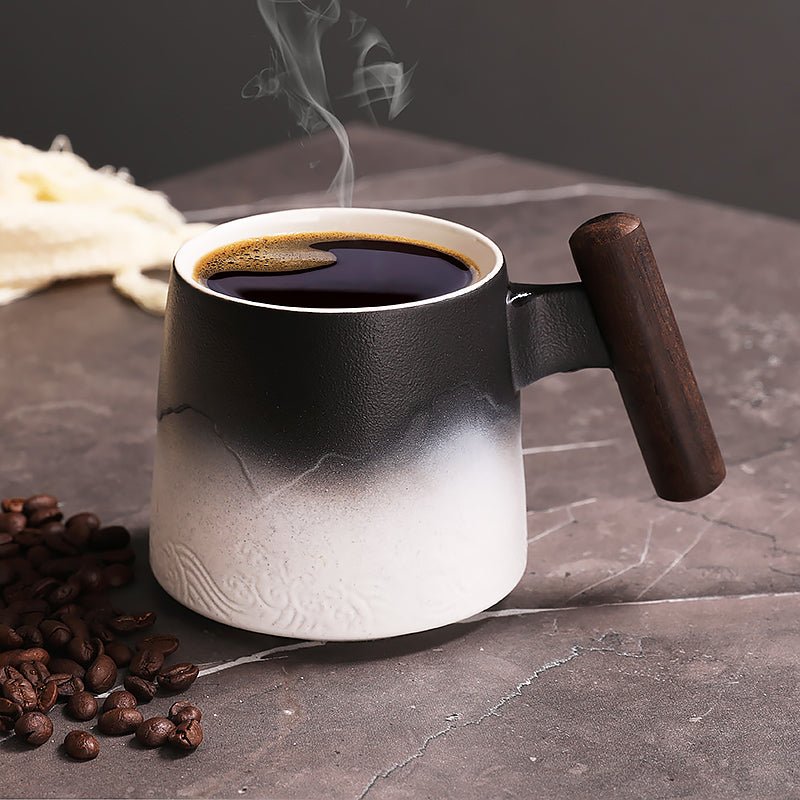
Best To Go Coffee Mugs for Daily Carry and Commutes
A practical guide to the best to go coffee mugs, with clear advice on materials, sizes, lids, and care so you can choose a mug that fits your commute, desk, and daily routine.
Per saperne di più
Commenta
Questo sito è protetto da hCaptcha e applica le Norme sulla privacy e i Termini di servizio di hCaptcha.