
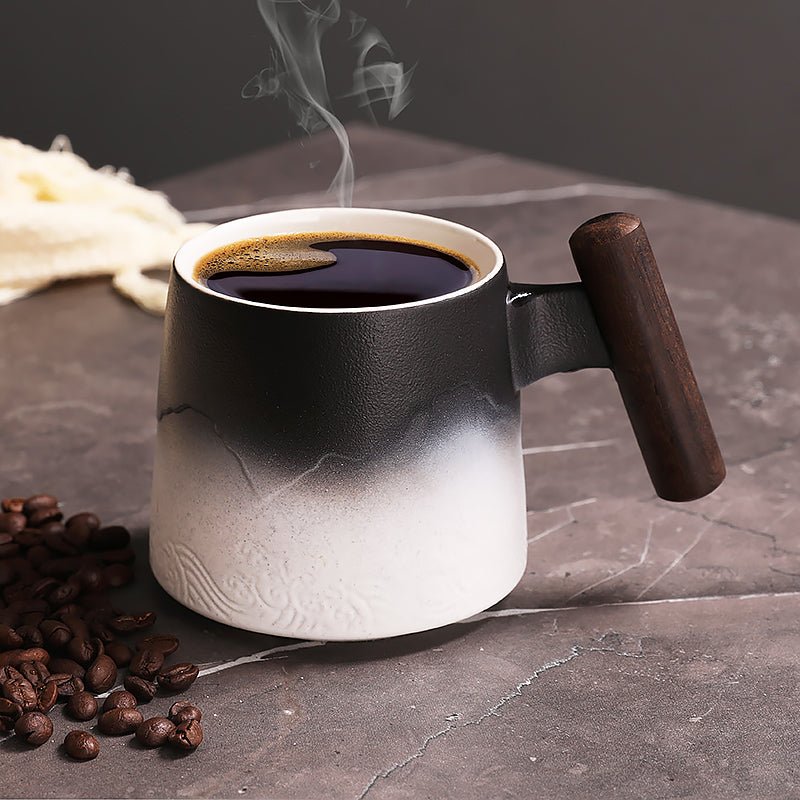
Double Wall Coffee Mugs Glass: Buyer Guide for Heat, Comfort, and Care
Reading time: about 9 minutes
A hot coffee cup should stay comfortable in the hand, not force you to juggle a sleeve, a napkin, or a second mug. That is the main reason shoppers look at double wall coffee mugs glass: the look is clean, the cup feels lighter in the hand than it appears, and the outer wall stays cooler than a single-wall glass mug.
We sell and handle this category every day, and the best choice is usually the one that matches how you actually drink coffee. A double wall mug that works for an office desk may not be the best choice for a weekend latte ritual, and a petite 6 to 8 oz cup is very different from a larger 10 to 12 oz format. If you want a quick view of what is available, start with our products page or browse the full collection.
What makes double wall coffee mugs glass different from regular glass mugs?
The key difference is the insulated air gap between the inner and outer glass walls. That gap slows heat transfer, so the drink stays warmer longer and the outside of the mug is easier to hold. It also reduces condensation when you pour iced coffee, which matters more than many shoppers expect if the mug spends time on a desk, a bedside table, or a wooden counter.
Compared with a standard clear glass mug, double wall coffee mugs glass usually feel more refined and less fussy in daily use. You get the visual benefit of seeing the coffee float inside the cup, but with less heat on your fingers and less moisture on the table.
That said, they are not a substitute for a travel mug. If you need a sealed lid, car cup-holder fit, or hours of heat retention, a vacuum-insulated tumbler is the better tool. If you mainly want a clean presentation for home espresso, cappuccino, americano, or tea, double wall glass is often the better fit.
What buyers should check first
- Material: most are borosilicate glass, which handles thermal shock better than ordinary soda-lime glass.
- Capacity: small sizes suit espresso and flat white drinks; larger sizes work better for drip coffee or tea.
- Handle shape: some cups have a small loop or no handle at all, which changes comfort and grip.
- Base stability: a wider base is more reassuring on a crowded desk or next to a keyboard.
- Care instructions: dishwasher-safe claims vary, and we always recommend checking the listing before buying.
Which size should you buy for your daily coffee?
Size is where many buyers get the wrong mug the first time. A cup that looks generous in photos can feel too small once you pour a real drink, especially if you add milk foam. In our experience, shoppers are happiest when they match the mug to the beverage they make most often, not the one they only make on weekends.
| Typical size | Best for | What to watch |
|---|---|---|
| 6 to 8 oz | Espresso, macchiato, cortado | Too small for a large pour-over or long coffee break |
| 8 to 10 oz | Cappuccino, flat white, small latte | Good balance, but foam can reduce usable volume |
| 10 to 12 oz | Drip coffee, latte, tea | Can feel large in small hands if the mug has no handle |
If you drink espresso-based drinks, smaller is usually better because the cup height supports the crema and keeps the drink visually balanced. If you top off with milk or use a bigger morning brew, a mid-size mug is safer. The mistake we see most often is buying a mug that looks good empty but feels too tight once coffee and foam are added.
For more context on size and form factor, our related guides on Double Wall Glass Coffee Mugs: What Buyers Should Check Before They Buy and Double Walled Glass Coffee Mugs: What to Check Before You Buy cover the details that matter before ordering.
How do these mugs handle heat, condensation, and everyday use?
Good double wall mugs should keep the outside more comfortable than a single-wall cup and reduce the ring of moisture that shows up under cold drinks. That is the everyday value. The mug is not magic, though. It will not keep coffee piping hot for hours the way a sealed thermal flask can, and it will still lose heat if the drink sits untouched.
Heat performance depends on the construction. A well-made mug usually uses two evenly spaced glass walls with a sealed chamber between them. If the seal is uneven, the cup may look slightly off, and that is more than a cosmetic issue because it can affect long-term durability. We inspect for clean wall spacing, centered bases, and smooth rims because those are the details buyers notice after the first week, not just on unboxing day.
Common use cases we see in real kitchens and offices:
- Morning coffee on a desk where condensation would otherwise mark a notebook or coaster.
- Gift use where the clear layered glass makes the cup feel more premium straight out of the box.
- Afternoon tea when the drink is enjoyed slowly and comfort in the hand matters more than maximum insulation.
They are not ideal for rough handling, sink piles, or people who tend to clink mugs together. Double wall glass is still glass. If you need something for a bag, patio, or commute, a different category is the safer choice.
What should you check before buying one online?
Photos only tell part of the story. The practical details are what separate a mug you keep from one you re-gift. We recommend comparing the listing against this checklist before you place an order.
- Glass type: borosilicate is the common choice for thermal resistance.
- Wall symmetry: the inner cup should sit centered, without obvious tilting.
- Rim comfort: a thin rim feels nicer for sipping, but should still look finished and smooth.
- Handle or no handle: decide based on your grip and how hot your drinks run.
- Care needs: check whether hand washing is recommended, especially for decorated or more delicate designs.
- Use case: espresso, tea, iced coffee, or daily drip coffee all need different proportions.
We also suggest checking the product page for what is actually included. Some buyers assume a pair, then discover the listing is for a single mug. That is not a design issue, but it is one of the most common disappointments in this category.
If you want a broader comparison across formats, our article on Double Wall Coffee Mugs: What to Check Before You Buy and our guide to Insulated Glass Coffee Mugs: Buyer Guide for Heat, Size, and Care are useful side-by-side reads.
How should you clean and care for double wall glass mugs?
Care is usually simple, but it needs a little more attention than a stoneware mug. If the listing says dishwasher safe, that does not always mean it is the best daily habit. For longevity, we prefer gentle washing and careful drying, especially around the rim and base where chips and stress marks are most likely to show up first.
Practical care tips:
- Rinse soon after use so coffee oils do not build up inside the chamber.
- Use a soft sponge instead of abrasive scrubbers.
- Dry by hand if water spots are visible on the outer wall.
- Stacking is not ideal unless the product is clearly designed for it.
- Avoid sudden temperature swings unless the product page specifically supports them.
For iced coffee, condensation is usually the bigger win than heat retention. For hot drinks, the goal is comfort, not endless warmth. That is why the right expectation matters more than the fanciest-looking mug. Our Glass Coffee Mugs: What to Look for Before You Buy article goes deeper on what makes a glass mug pleasant to live with every day.
Who are double wall coffee mugs glass best for, and who should choose something else?
These mugs are best for buyers who want a cleaner presentation and a more comfortable glass cup for home or office use. They are especially useful for people who drink coffee slowly, serve guests, or want the visual appeal of a clear cup without the hot outer surface of a single-wall mug.
They are not the best choice for:
- People who need a sealed travel mug for a commute.
- Anyone who is rough on kitchenware and wants the toughest possible cup.
- Shoppers who prefer heavyweight ceramic and a more insulating feel in the hand.
- Buyers who want very long heat retention rather than drinking comfort and style.
If your use case is mostly display, gifting, or a calm desk setup, double wall glass is a strong pick. If your main priority is maximum insulation in a portable format, look at other drinkware instead of forcing this category to do a job it was not designed for.
We see the best fit when the mug matches the scene: a neat kitchen counter, a meeting table, a gift box on a desk, or a quiet morning at home. That is where the category makes sense.
Frequently asked questions
Are double wall coffee mugs glass dishwasher safe?
Some are, but not all. We always recommend checking the product listing because construction, rim thickness, and decorative details can change care instructions. If you want the safest long-term routine, gentle hand washing is usually the lower-risk choice.
Do double wall glass mugs keep coffee hot longer than regular mugs?
Yes, they usually keep coffee comfortable for longer than a standard single-wall glass mug. They are designed to slow heat loss and keep the outer surface cooler. They are not a replacement for a vacuum-insulated travel mug if you need hours of heat retention.
Can I use double wall coffee mugs glass for iced drinks?
Yes. They are a strong choice for iced coffee, cold brew, and other chilled drinks because they help reduce condensation on the outside. That makes them better for desks, side tables, and wood surfaces than a single-wall glass cup.
What size double wall mug should I buy for latte drinks?
A mid-size mug, usually around 8 to 10 oz, is often the most practical range for lattes and cappuccinos. It leaves room for espresso and milk foam without feeling cramped. If you make larger drinks, move up to a bigger format rather than trying to overfill a small cup.
Are double wall coffee mugs glass fragile?
They are still glass, so yes, they are more fragile than ceramic or stainless steel. The construction can be durable for normal home use, but it is not meant for rough handling or travel. If durability is your top concern, choose a different material.
If you want to compare styles before ordering, start with our full collection and narrow it down by size, handle style, and the drinks you make most often. That simple filter will usually point you to the right mug faster than any generic product description.
More from our blog
Read more
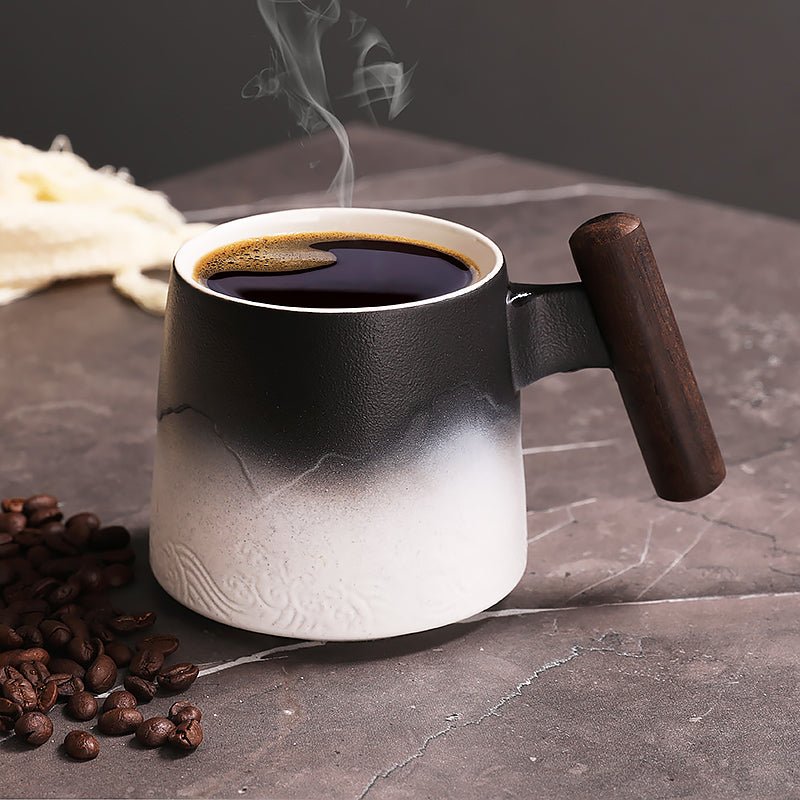
Death Coffee Mug Buying Guide: Size, Material, and Fit
A death coffee mug should look sharp and still work as a real daily mug. We break down size, finish, comfort, care, and the checks that matter before you buy.
Per saperne di più
Starbucks Paris Coffee Mug Buying Guide for Shoppers
A Starbucks Paris coffee mug can be a souvenir, a daily desk mug, or a gift, but the details matter: material, handle comfort, print quality, and care label. Here is how we judge one before buying.
Per saperne di più
Commenta
Questo sito è protetto da hCaptcha e applica le Norme sulla privacy e i Termini di servizio di hCaptcha.