
Coffee Mug Storage Ideas That Actually Work in Kitchens and Offices
Reading time: about 9 minutes
A crowded cabinet turns into a daily nuisance fast. One mug lands sideways, a handle catches on the shelf above it, and the cup you actually want ends up behind three others.
That is the real coffee mug storage problem: not just where to put mugs, but how to keep them easy to reach, safe from chips, and organized by the way you actually use them. In our store, we pay attention to this because mug shape matters as much as mug style. A straight-sided cup, a retro profile, and a ball-handled mug all take up different space on a shelf.
If you are comparing storage options while shopping for mugs, start with the mugs themselves. Some shapes are easier to stack, some are better as display pieces, and some need more room around the handle. If you want to browse our current range while you plan the storage setup, start with our full mug collection.
What makes coffee mug storage work in a real kitchen?
Good mug storage does three things: it keeps handles clear, uses vertical space well, and avoids forcing mugs into a spot that is too tight. The failures are predictable. The shelf is too shallow, the hooks are too close together, or the mugs are too tall for the cabinet once the rack is installed.
We see the same mistakes again and again:
- Handles bumping into each other on a crowded shelf.
- Mugs getting chipped because they are stacked under each other with no clearance.
- Cabinet doors not closing because the mug is taller than expected.
- Wall racks installed without checking stud placement or weight limits.
Before you buy anything, measure three things: shelf depth, shelf height, and the widest point of the mug including the handle. A mug that looks compact on a product page can still be awkward if the handle sticks out more than expected.
If you are still deciding what size mug you plan to store, our size-focused guides can help. We break down fit details in 10 oz coffee mug fit checks and 11 oz mug fit checks, which are useful if your storage is already tight.
Should you use a mug rack, shelf, or cabinet?
Each setup solves a different problem. The right answer depends on whether you want display, speed, or hidden storage. A mug rack makes sense if you use the same few cups every day. A cabinet works better if you want dust protection and a cleaner counter. An open shelf gives you visibility, but it also asks for neatness.
| Storage type | Best for | Trade-off |
|---|---|---|
| Wall rack | Daily-use mugs and quick access | Needs wall space and proper installation |
| Cabinet shelf | Clean look and dust protection | Less visible; can waste vertical space |
| Open shelf | Display and easy grab-and-go use | Shows clutter quickly |
| Stacked storage | Small kitchens with low mug counts | Can chip rims or stress delicate handles |
For a deeper comparison of layouts, our coffee mug rack guide walks through materials, fit, and what to check before mounting anything.
One practical note from handling mugs day after day: not every shape likes every system. A straight cup is easier to line up. A mug with a broad handle or a decorative body can take up more room than you expect. That is where a more open shelf or single-row rack often works better than a tight cabinet stack.
Which mug shapes are easiest to store without chips?
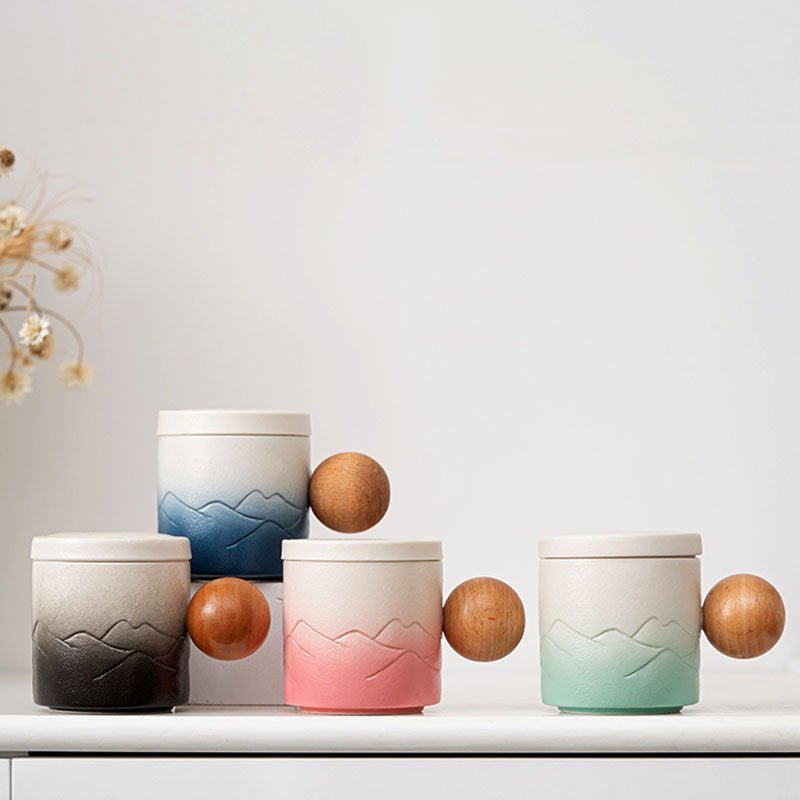
Shape affects storage more than most people expect. A standard cylindrical mug is the easiest to line up in rows. A retro-inspired cup with a slightly different profile may look better on display but needs a little more breathing room. A ball-handled mug can be comfortable to hold, yet its handle shape may make it less efficient for tight stacking or narrow racks.
That is why we usually suggest matching the mug to the storage style, not the other way around. If you know the mugs will live in a cabinet, choose shapes that nest visually without touching. If you want them out on a shelf, choose forms that still look intentional when lined up side by side.
For shoppers comparing styles, these three mugs are useful examples of different storage behavior:
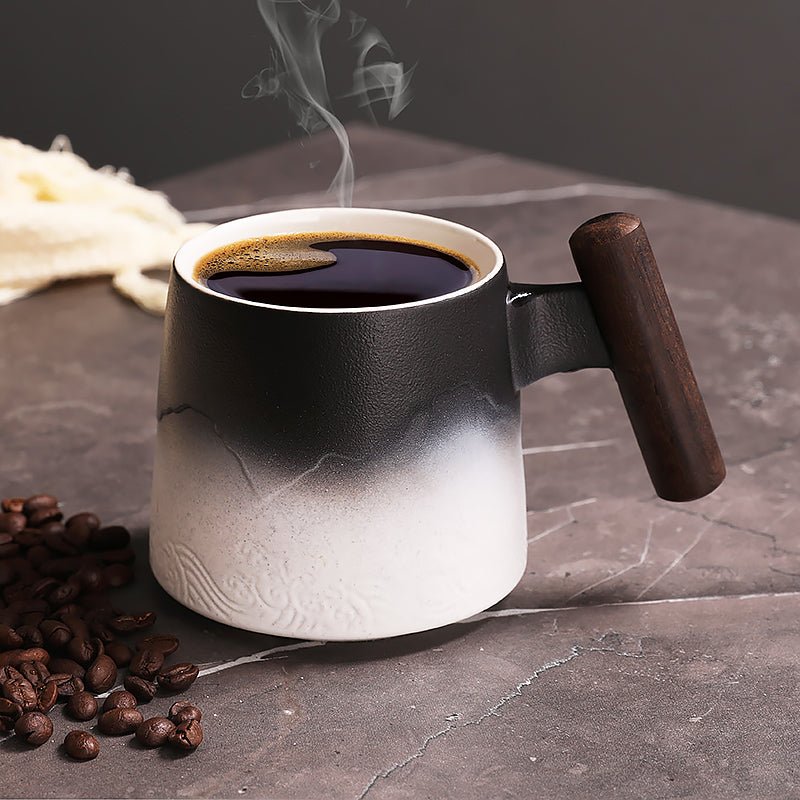
- The Gradient Coffee Tea Mug for a cleaner, modern look that works well in visible storage.
- Retro Coffee Tea Cup if you want a more characterful shape that stands out on an open shelf.
- Ball Handled Coffee Tea Mug if you want a handle-forward design and have enough room for it.
These are not the best choices if your cabinet is already packed edge to edge. Decorative shapes can be harder to line up, and they are usually not the first pick for people who need maximum capacity in a small space.
How do you store mugs in a small kitchen without making it feel crowded?
Small kitchens need discipline. The goal is not to store every mug you own in the same place. The goal is to keep the daily set accessible and move the rest out of the way.
We recommend a simple order:
- Keep two to four daily mugs closest to the coffee maker.
- Store guest mugs or seasonal mugs higher up or deeper in the cabinet.
- Use one vertical zone for cups only, so handles do not fight for space with bowls or plates.
- Leave a little air around each mug to reduce rim chips from contact during loading and unloading.
If you have to stack, use it selectively. Stacking is fine for sturdy mugs with similar shapes, but it is not ideal for delicate glaze edges, tall handles, or cups with decorative finishes. It is also a poor match for mugs you use every morning, because the extra lift-and-separate step gets annoying quickly.
Our article on coffee mug storage ideas for small kitchens, offices, and gifted sets goes deeper into compact setups, especially if your kitchen has one narrow cabinet and not much else.
What should office mug storage look like?
Office coffee mug storage has different rules. The mug has to be easy to grab, easy to clean, and stable enough that someone does not knock it over while reaching for a keyboard or notebook. Desk storage should be simple. Anything fussy gets ignored.
For shared offices, we usually suggest a labeled shelf or a small open rack near the coffee station. That keeps personal mugs separated and reduces the chance that someone uses the wrong cup. For a private desk, one mug and one coaster is often enough. The rest can stay in a cabinet or pantry.
If you are buying a mug to live at work, consider these details before you choose:
- A handle that is easy to grip with one hand.
- A shape that fits on a narrow shelf or under a cabinet lip.
- A finish that is easy to wipe clean after coffee drips or tea stains.
- A size that does not crowd a small desk area.
Office storage is not the place for oversize novelty pieces. Those can be fun at home, but they take up too much space around laptops, monitors, and papers.
How do you keep mugs safe during washing and daily use?
Storage is only half the job. The other half is keeping the mugs in a condition that does not create future storage problems. Rim chips, handle cracks, and worn finishes often start with careless handling, not with the storage rack itself.
Our practical handling notes are straightforward:
- Do not crowd mugs so tightly that they scrape during loading.
- Let mugs cool before putting them back in a tight cabinet, especially after hot drinks.
- If a mug has a printed or decorative exterior, wash it according to the care guidance provided with the product.
- Check handles regularly for hairline cracks if the mug is used every day.
One small defect mode we watch for in shop handling is handle stress from repeated bumping against neighboring mugs. Another is rim wear from stacking cups that are slightly different in diameter. Neither issue is dramatic at first, but both are avoidable if the storage layout is sane.
If you want more buying guidance around capacity and fit before choosing storage, these pieces are useful: 12 ounce coffee mug buying guide and coffee mug storage ideas for kitchens, offices, and gift sets.
What should you buy first if storage is the main problem?
If storage is the main problem, buy with the final home in mind. A great-looking mug that does not fit the shelf is still the wrong mug. That is the part shoppers often skip.
Use this short checklist before you buy:
- Measure the cabinet or rack space first.
- Decide if the mug will be displayed, stacked, or hidden.
- Check the handle width and overall height, not just the printed capacity.
- Choose a shape that matches how often you will reach for it.
- Leave room for the mug to come in and out without scraping neighboring items.
From a buying perspective, the best coffee mug storage setup is usually the simplest one. Daily mugs go in the easiest spot. Less-used pieces go higher, deeper, or off to the side. Decorative mugs can stay visible, but only if they are not making the whole cabinet harder to use.
If you are ready to compare options, start with our mug collection and choose the shape that fits the storage you actually have, not the one you wish you had.
Frequently asked questions
What is the best way to store coffee mugs in a small kitchen?
The best setup is usually a single-row shelf, a compact wall rack, or a dedicated cabinet zone close to the coffee maker. Keep only the daily-use mugs within easy reach and move the rest higher up or farther back. That reduces clutter and lowers the chance of chips from tight stacking.
Can you stack coffee mugs safely?
Yes, but only if the mugs are sturdy and close in shape. Stacking is less ideal for delicate rims, decorative finishes, or unusual handles because repeated contact can lead to chips or stress marks. If you stack, keep the pile short and avoid mixing different mug sizes.
Are wall-mounted mug racks better than cabinet storage?
Wall racks are better for visibility and quick access. Cabinet storage is better if you want a cleaner look or less dust exposure. The better option depends on whether your priority is display, convenience, or keeping the mugs protected.
What mug shapes are hardest to store?
Mugs with wide handles, tall profiles, or decorative bodies are harder to fit into tight cabinets. They can also knock against neighboring mugs more easily. If your storage is limited, simpler cylindrical shapes are usually easier to live with.
How much space should I leave around each mug?
Leave enough room for the mug to be picked up without scraping the next one. In practical terms, that means planning for the handle and the widest part of the cup, not just the base. If you have to force mugs into place, the storage is too tight.
Use the checklist above, then compare your cabinet, shelf, or rack against the mug shape you actually want. If your setup is still flexible, start with the collection and choose the mug style that fits your storage first, not last.
Read more
Coffee Mug Shelf Display Ideas for Small Kitchens and Open Shelves
A coffee mug shelf display works best when it looks intentional and still leaves room to grab a mug without knocking the others. We cover what fits, how to arrange it, and which tall mugs make the ...
Per saperne di più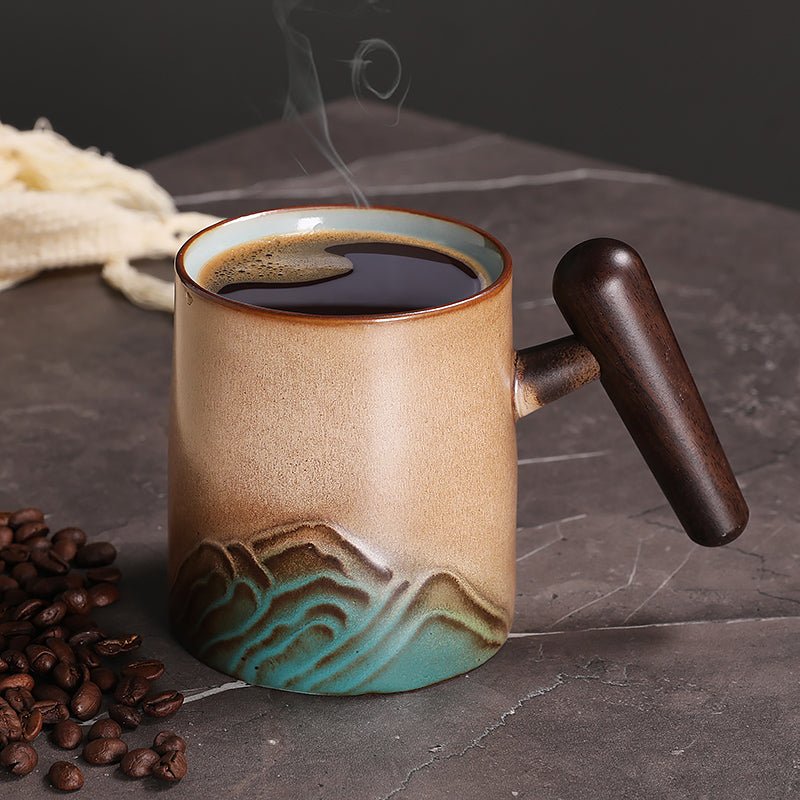
Coffee Mug Designs: How to Choose the Right Shape, Size, and Finish
A practical guide to coffee mug designs for shoppers comparing shape, comfort, and everyday use. We cover what actually matters on a kitchen counter, in the office, and in the dishwasher.
Per saperne di più
Commenta
Questo sito è protetto da hCaptcha e applica le Norme sulla privacy e i Termini di servizio di hCaptcha.