
Coffee Mug Storage: How to Choose Mugs That Store Well
Reading time: about 9 minutes
A crowded cabinet usually tells the whole story: the mug you use every day ends up buried behind a tall stack, one handle catches another, and the cup you actually wanted comes out with a small chip on the rim. We see this often in kitchens, office break rooms, and gift sets that look great on day one but become awkward to store once real use starts.
That is why coffee mug storage is not just an organization problem. It starts with the mug shape, the handle size, the finish, and how you plan to keep it between dishwasher cycles and daily grabs. In our store, we look at storage the same way shoppers do: by asking what fits, what stacks, and what stays easy to reach.
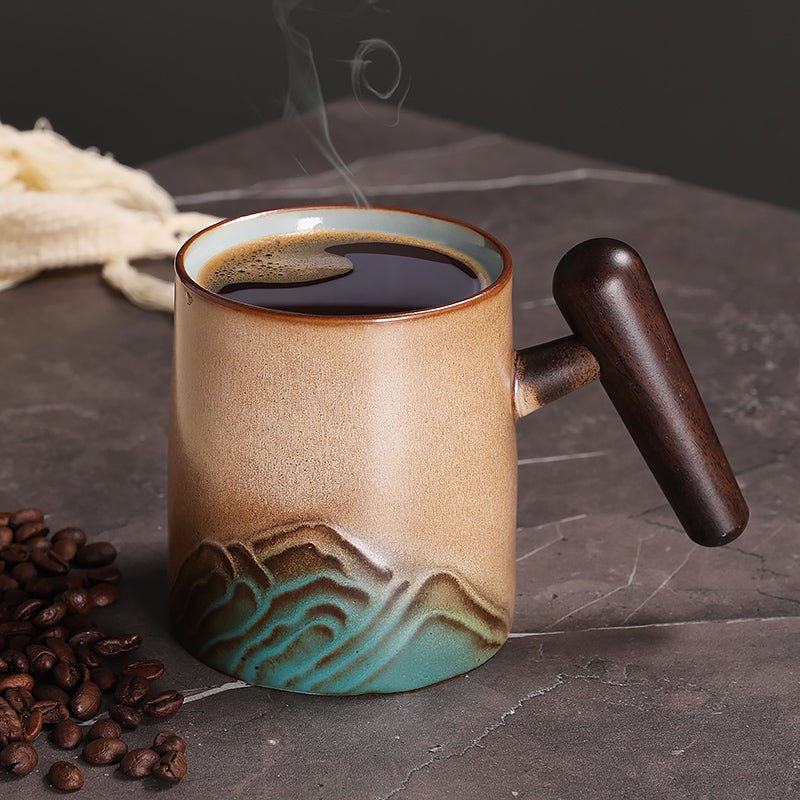
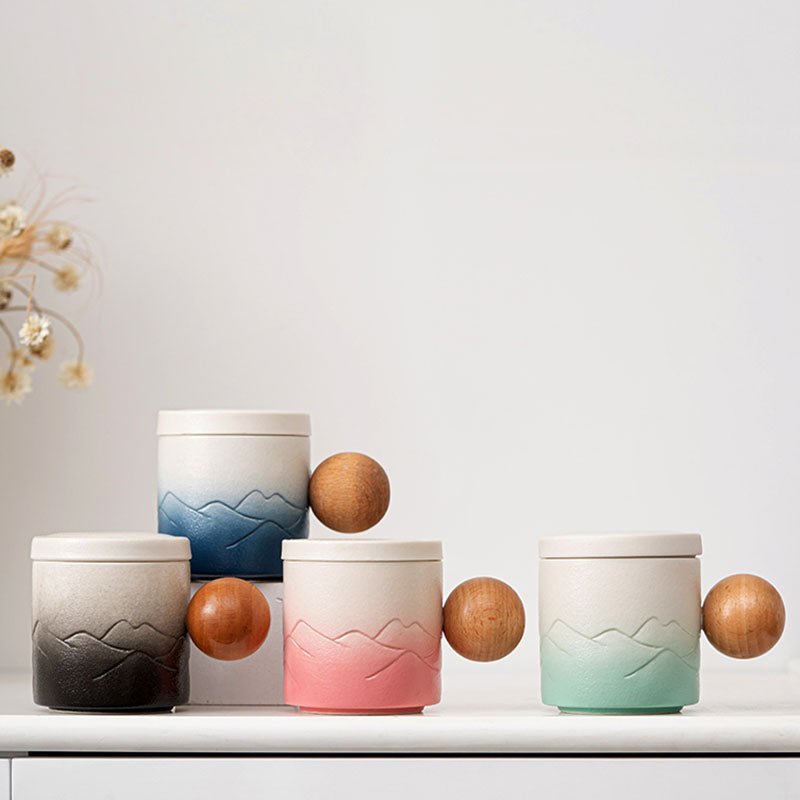
If you are comparing mugs with storage in mind, start with our all mugs collection and narrow by the shape you actually have room for. For example, the Gradient Coffee Tea Mug works well when you want a cleaner, more modern look on an open shelf, while the Retro Coffee Tea Cup suits a display-forward cabinet. If you want a more comfortable grip and a mug that feels secure in hand, the Ball Handled Coffee Tea Mug is the kind of piece we would place where it can be reached without jostling other cups.
What should you check before buying mugs for coffee mug storage?
Storage starts before the mug ever reaches the cabinet. We check three things first: rim size, handle profile, and overall height. Those details decide whether a mug will nest neatly, hang cleanly on a hook, or keep bumping into the shelf above it.
Here is the practical version:
- Rim diameter: wider mugs need more shelf space and tend to limit stacking.
- Handle shape: a rounded or oversized handle can block tight side-by-side storage.
- Mug height: taller mugs are more likely to hit an under-shelf lip or upper cabinet rail.
- Base width: a stable base matters if you plan to stack mugs or line them up on a tray.
We also look at finish. Glossy glaze is attractive, but it can show contact marks if mugs rub together in a tight cabinet. Matte or textured finishes can hide minor marks better, but they may need a little more care if you are putting them through regular dishwasher cycles.
For shoppers who want a deeper sizing check, our guides on 10 oz coffee mug sizing and 11 oz coffee mug sizing are useful because mug capacity is often tied to cabinet fit and shelf height. A mug that seems small on paper can still be awkward if the handle is oversized.
Which mug shapes store easiest in cabinets and on shelves?
The easiest mugs to store are usually the ones with a balanced silhouette: not too tall, not too wide, and with a handle that does not flare out aggressively. That is why a lot of everyday kitchen mugs are made in familiar rounded forms. They are simple to line up, simple to reach, and less likely to collide when you are taking one out fast in the morning.
In practice, these are the trade-offs we see:
| Mug style | Storage advantage | Watch out for |
|---|---|---|
| Standard rounded mug | Easy to line up in a cabinet and usually simple to hand-wash or load into a dishwasher rack | Can be too common-looking if you want the mugs visible on open shelves |
| Taller tea mug | Works well if your shelf height is generous and you want a slimmer footprint | More likely to block an upper shelf or hit cabinet hardware |
| Wide display mug | Looks strong on open shelving and can hold more visual presence in a gift set | Takes more shelf space and is harder to stack cleanly |
| Handled specialty mug | Good for a designated daily-use spot where you can grab it without moving other mugs | Oversized handles can make tight storage frustrating |
For a visual comparison of shelf-friendly shapes, our coffee mug rack guide breaks down what usually works on hooks, rails, and open racks. That matters because the best storage setup is not always a cabinet. Sometimes it is the wall space above the counter.
We also recommend thinking about how the mug will behave after washing. A thick ceramic body is usually durable for daily use, but if the rim is very thin or the glaze is delicate, repeated contact in a packed cabinet can lead to small chips. That is not a defect in the mug itself. It is often just a storage issue.
How do you store coffee mugs without chipping them?
Chipping happens when mugs touch too hard, slide across each other, or are lifted by the handle while another cup is still pressing against it. The common failure modes are predictable: rim chips, handle stress, and base scuffing. We see them most often in cabinets where mugs are stacked in a hurry and in dish-drying areas where cups are placed mouth-down too tightly.
A few habits make a real difference:
- Leave enough space between mugs so the handles do not lock together.
- Do not stack heavy mugs on top of thin-rimmed ones unless the base is designed for it.
- Dry mugs fully before putting them back into a closed cabinet, especially if the cabinet is not ventilated.
- Use a tray or shelf liner if the cabinet surface is slick and cups tend to slide.
- Keep your most-used mugs at the front so you are not moving three cups every morning just to reach one.
If you are organizing mugs for frequent daily use, the best setup is often boring on purpose: one row, consistent spacing, no forced stacking. That is not the prettiest option, but it is the one that holds up after months of use.
We also tell shoppers to be careful with decorative mugs that look great in photos but have fragile handles or overly narrow bases. They can work for display. They are not always the best choice for a cramped cabinet, a busy office kitchen, or a household where mugs are pulled out quickly.
What works best for small kitchens and office desks?
Small spaces reward simple systems. In a tight kitchen, we usually see three workable setups: a single cabinet row, a wall rack, or a dedicated shelf section for daily mugs only. On an office desk, the winning move is usually one mug in reach and the rest stored elsewhere. Too many mugs on a desk just create clutter.
For small kitchens, the storage trade-off is this:
- Cabinets: cleaner look, but limited by shelf height and door clearance.
- Open shelves: easier access, but everything is visible and dust can settle faster.
- Hanging storage: saves shelf space, but only works if the handle shape is compatible.
That is why our coffee mug storage ideas for kitchens, offices, and gift sets can be useful if you are deciding where mugs should live rather than just how they should look. For a smaller setup, the right mug is the one you can reach without moving anything else.
In office settings, a mug with a comfortable handle and stable base matters more than matching the rest of the desk. We have seen plenty of attractive mugs get left in the back of a pantry because they are awkward to hold or too tall for the shelf above the coffee station. A mug should earn its space. If it cannot sit neatly beside a coffee machine or inside a shared cabinet, it becomes dead inventory.
Which mugs work better for gift sets or display?
Gift sets and display shelves are where design matters most, but storage still matters. A mug that arrives in a tight box and then lives on a shelf should be easy to place back in its original position, easy to dust, and not so delicate that the owner avoids using it.
We usually suggest:
- Display-first mugs: good when the buyer wants a decorative shelf piece and does not mind a little extra storage space.
- Everyday mugs with character: better when the mug will be used often and still needs to look presentable in the cupboard.
- Comfort-grip mugs: useful for people who care about how the mug feels as much as how it looks.
The Gradient Coffee Tea Mug is a strong example of a mug that can do both jobs: it looks clean on display, but it is still practical enough for daily use. The Retro Coffee Tea Cup makes more sense for someone who wants a styled shelf or a gift set with a specific visual theme. And if the priority is grip and comfort, the Ball Handled Coffee Tea Mug gives a more distinctive hand feel, though that same handle shape may reduce how tightly it stores with other mugs.
There is a real limitation here: the most decorative mug is not always the easiest to store in bulk. If you are buying for a full kitchen refresh, function should lead. If you are buying one piece as a gift, presentation can lead.
How do we compare mug storage options before recommending a mug?
We keep the comparison practical. A mug should be judged on how it behaves in a normal home, not just how it looks on a product page. That means checking the shelf, the sink, the dishwasher, and the hand holding it.
Use this checklist before you buy:
- Measure the cabinet height and shelf depth where the mug will live.
- Check whether the mug handle clears the neighboring cup.
- Decide if you want stackable, hangable, or display-only storage.
- Think about cleanup: dishwasher access, drying space, and how often the mug will move.
- Match the mug style to the space, not the other way around.
For buyers who want more context on storage layouts, our article on coffee mug storage ideas for small kitchens, offices, and gifted sets is a good companion read. It fits especially well if you are trying to make a small number of mugs do a lot of work.
Our perspective in the store is simple: the right mug is the one you will actually keep using because it fits the space you have. If a mug is beautiful but gets buried, it stops being a good purchase.
Frequently asked questions
What is the easiest way to store coffee mugs in a small cabinet?
Use one row of mugs with handles facing the same direction and leave a little space between each one. If the cabinet is short, choose mugs with moderate height and avoid stacking unless the bases are designed for it.
Are wide mugs harder to store than standard mugs?
Usually, yes. Wide mugs take more shelf width and can make side-by-side storage awkward, especially when the handles flare outward. They can still work well on open shelves if you have enough space.
Can I hang all coffee mugs on a rack?
No. Hanging works best when the handle is shaped for a hook or rail and the mug is not too heavy for the setup. Some specialty handles look good but do not hang securely, so it is worth checking fit before buying a rack for them.
Which mug style is best for office coffee mug storage?
A stable, medium-height mug with a comfortable handle is usually the safest choice. In an office, storage needs to be fast and practical, so avoid overly tall or decorative pieces that are hard to place back on a shared shelf.
How do I keep stored mugs from getting chipped?
Do not pack them tightly, and avoid letting rims or handles rub together. Dry them before putting them away, use a liner if the shelf is slippery, and keep the most frequently used mugs in the easiest spot to reach.
If you are narrowing down options, start with the full mug collection, then compare the mug shape against your shelf height and daily routine. That is the fastest way to choose coffee mug storage that actually works.
Read more
Fathers Coffee Mug Buying Guide for Practical Gift Shoppers
A practical guide to choosing a fathers coffee mug that feels good in the hand, fits the drink he actually makes, and holds up in daily use. We compare handle styles, size trade-offs, and where eac...
Per saperne di più
Hot Coffee Mug Guide: What to Buy for Desk Use and Everyday Heat
A hot coffee mug should keep your drink pleasant long enough to finish without rushing. We break down the materials, shapes, and trade-offs that matter before you buy.
Per saperne di più
Commenta
Questo sito è protetto da hCaptcha e applica le Norme sulla privacy e i Termini di servizio di hCaptcha.