
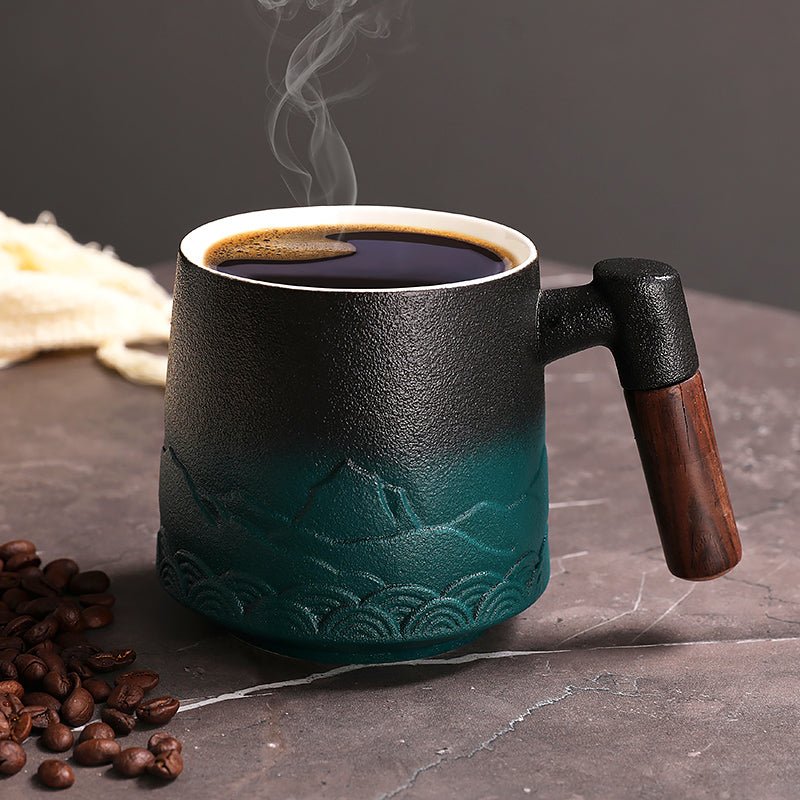
Coffee Mug Painting: Materials, Methods, and What Holds Up
Reading time: about 9 minutes
A hand-painted mug looks great on a desk until the first hot rinse turns a crisp logo into a chipped edge. That is the part most people do not see at the craft table: coffee mug painting is less about the drawing and more about the surface, the paint, and the way the mug will actually be used.
In our store, we usually look at two questions first. Is this mug meant to be a daily coffee mug, or is it a decorative piece for a shelf or gift box? And is the blank surface smooth enough to hold a clean design without fighting the glaze? Those two answers decide almost everything.
What kind of mug should you paint?
The easiest base is a plain glazed ceramic or stoneware mug. Smooth glaze gives paint pens and brush lines a better chance to sit cleanly on the surface, and it is much easier to clean before painting. Unfinished clay, heavily textured glaze, or a mug with a raised logo usually creates more problems than it solves.
Shape matters as much as material. A straight-sided mug is easier for lettering and wraparound art than a deep belly shape that curves hard near the middle. Handle size matters too, especially if the mug will be used on an office desk or carried one-handed between meetings. If you are still deciding on the blank before you paint, our products page is the quickest way to compare available mug styles, and our broader collection helps if you want to browse everything in one place.
Capacity also changes the project. A smaller mug gives you less canvas, which can be perfect for initials or a simple icon. A larger mug leaves more room for wraparound illustrations, but it also exposes every brush wobble. If you want a size reference before choosing a blank, our guides on 10 oz mugs, 11 oz mugs, and 16 oz mugs show how surface area and grip comfort change as the mug gets larger.
Which paints and markers actually hold up?
For coffee mug painting, not every craft paint behaves the same on glossy ceramic. We separate the options by how the mug will be used, because a mug that sits on a desk all day can tolerate different materials than one that goes through regular dishwashing.
| Method | Best for | Trade-off |
|---|---|---|
| Paint pens | Lettering, outlines, signatures, and small icons | Clean lines, but they can scratch if the mug gets a lot of rough handling |
| Ceramic or enamel paint | Filled shapes, floral work, and bolder color blocks | Usually needs careful curing and can show brush marks if applied too thickly |
| Craft acrylic with a clear sealer | Decorative mugs used more for display than heavy washing | Works for simple projects, but it is the least forgiving option for daily dishwasher use |
The biggest mistake we see is assuming all paint is automatically washable once it dries. Dry is not the same as cured. If the label on the paint does not spell out how it should be cured, treated, or sealed, treat it as a decorative finish first and a wash-friendly finish second. That is especially true if you plan to give the mug as a gift and expect it to be used every morning.
One more limit matters: if you want the mug to remain a true food-contact item, keep paint off the rim and out of the drinking area unless the product instructions clearly say otherwise. A painted exterior can look finished and still be a bad choice for the lip, the inside wall, or any surface that gets repeated contact with hot liquid and detergent.
How do you prep a mug so the design sticks?
Preparation is where good results start. We test mugs after handling, storage, and shipping, and the ones that hold up best always begin with a clean, oil-free surface. Fingerprints, dust, and sticker residue are the usual reasons paint fisheyes or lifts at the edges.
- Wash the mug with warm water and dish soap.
- Dry it fully, then wipe the paint area with isopropyl alcohol so no kitchen oil is left behind.
- Mark the design boundary with low-tack painter's tape if you want a clean band or straight edge.
- Use a pencil sketch or a light transfer outline before adding paint.
- Keep the interior, rim, and handle contact points clear if the mug will be used for drinking.
A clean prep step also helps avoid the defects people hate most: peeling edges, streaky coverage, and tiny gaps where the paint pulls away from the glaze. If the mug has a visible seam, a pinhole in the glaze, or a tiny chip near the rim, move the design away from that spot. Paint does not hide a damaged surface; it usually highlights it.
What designs work best on a mug that will be used every day?
Some artwork looks good on paper and fails on a real mug. Thin script close to the rim gets hard to read once steam, fingerprints, and dishwasher wear enter the picture. Dense gradients and tiny details can also look muddy on a curved cup. For a mug that will actually live on a kitchen counter or office desk, we prefer designs that are simple enough to survive distance and daily handling.
- Single names, initials, or short words on the front panel.
- Bold geometric bands that stop before the handle.
- Small floral clusters or icons placed low on the body.
- Wraparound art with enough open space that the mug still feels balanced.
For gifts, a clean design usually wins over an overworked one. A mug unboxed at a birthday breakfast or pulled from a desk drawer needs to read quickly. The shape should still look like a mug, not a miniature poster. That is why we often tell buyers to keep the first version simple, especially if they are painting by hand rather than using a vinyl stencil.
If you are comparing base sizes for the artwork, our size-focused posts on 12 oz mugs and 15 oz mugs are useful because the extra width changes how much text or imagery the mug can carry without looking crowded.
How do you cure, seal, and wash a painted mug?
Curing is where many DIY projects fall apart. Some paints need air-dry time only. Others need heat-setting or a specific cure window before they can be handled normally. We do not recommend guessing here. Follow the label on the exact product you used, because a generic shortcut can leave you with a mug that chips faster than expected.
Once the paint is cured, treat the mug as a hand-wash item unless the paint system explicitly says it can handle dishwashing. A soft sponge, mild soap, and a quick rinse are the safest route. Avoid scouring pads, long soaking, and high-heat dishwasher cycles. Those are the conditions that usually start edge lifting and dulling on hand-painted finishes.
If the mug will be used for hot coffee, there is another practical trade-off: the more durable the finish, the more likely it is that you had to accept a stricter curing process. That is why some customers choose to paint a display mug for a shelf and buy a plain everyday mug for the kitchen. That split makes sense, especially if the artwork matters more than repeated washing.
We have seen more painted mugs fail from rough care than from the paint itself. Heat, detergent, and abrasion do the damage.
When should you buy a blank mug instead of painting one?
Buy a blank mug when the project needs a clean, repeatable finish or when the mug is meant to become a daily-use favorite. A store-bought painted mug is better if you need a consistent logo, a gift-ready finish, or a surface that can handle normal wear without much babysitting.
Painting is a good fit when you want a one-off gift, a personal desk mug, or a weekend project with room for experimentation. It is not a good fit if you need a perfect corporate run, a microwave-safe metallic effect, or a mug that will be scrubbed hard in the dishwasher every night. In those cases, a pre-finished design is the safer buy.
If you want a blank canvas for a custom piece, start with the right mug first, then choose the paint second. That is the order that saves time and prevents a lot of redo work.
Frequently asked questions
What paint is best for coffee mug painting?
Paint pens are usually easiest for lettering and small graphics, while ceramic or enamel paint works better for filled shapes and bolder color blocks. If the mug will be used often, check the cure instructions on the paint itself before you start. The best option is the one that matches both the surface and the amount of washing you expect.
Can you wash a painted mug in the dishwasher?
Only if the paint system specifically says it is dishwasher-safe after curing. Even then, repeated high-heat cycles can wear a hand-painted finish faster than hand washing. For most DIY mugs, a soft sponge and mild soap are the safer choice.
Do you need to bake a painted mug in the oven?
Not always. Some paints are air-dry only, while others need heat-setting to cure correctly. Follow the exact product directions, and do not put a mug in the oven unless the paint label says that method is allowed.
Is coffee mug painting safe for mugs used for drinking?
It can be, but only if you keep paint off the drinking rim and follow the product instructions closely. We treat decorated mugs as exterior-art projects unless the paint manufacturer clearly states the finish is suitable for food-contact use. When in doubt, use the painted mug for display or keep the art on the outside only.
What mug size is easiest for a painted design?
10 oz and 11 oz mugs are often easiest for simple names, icons, and short quotes because the surface is compact. Larger mugs, like 15 oz or 16 oz, give you more room for wraparound art but also make uneven lines more visible. Choose the size based on how much artwork you want to fit, not just how much coffee it holds.
What should you check before you buy the blank mug?
Before you buy, check the glaze, the shape, the handle comfort, and the size of the printable area. A smooth, plain ceramic mug is the least frustrating surface for coffee mug painting. A mug with a heavy texture, a branded imprint, or a tight handle opening will slow you down.
- Choose a smooth glazed surface.
- Pick a size that matches the design you want.
- Leave the rim and interior blank if the mug will be used for drinking.
- Match the paint system to the level of washing you expect.
- Decide up front whether the mug is for display, gifting, or daily use.
If you are ready to start with a blank that gives your design a better chance of looking clean, browse our full collection or compare styles on our products page. The right mug saves you from fighting the surface later.
More from our blog
Read more
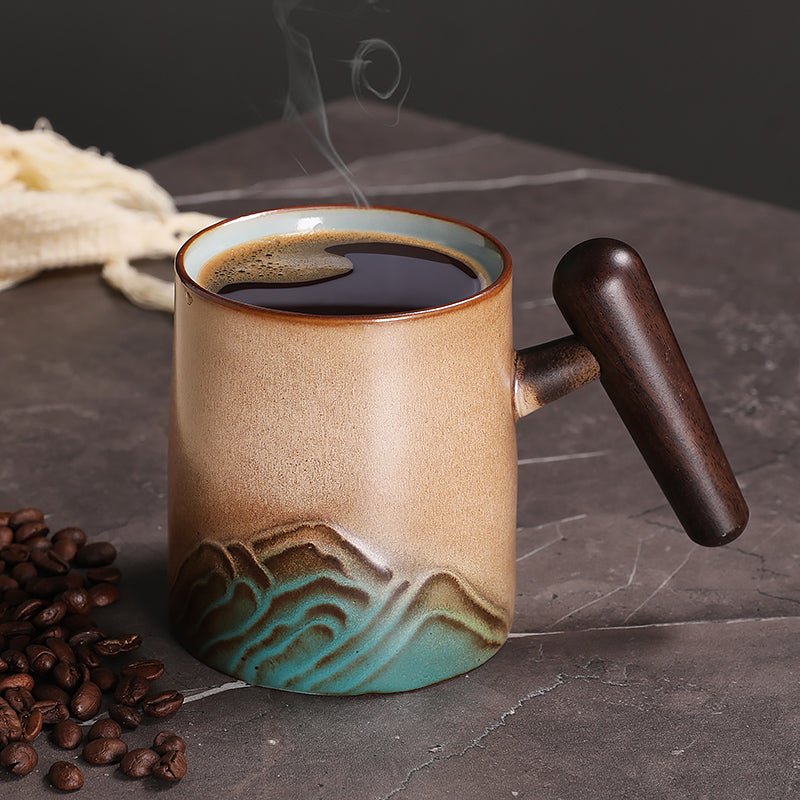
Scotty P's Big Mug Coffee: What Buyers Should Check Before Buying
Scotty P's big mug coffee usually means shoppers want a larger cup that still feels balanced in the hand. We cover size, comfort, materials, care, and the trade-offs that matter before you buy.
Per saperne di più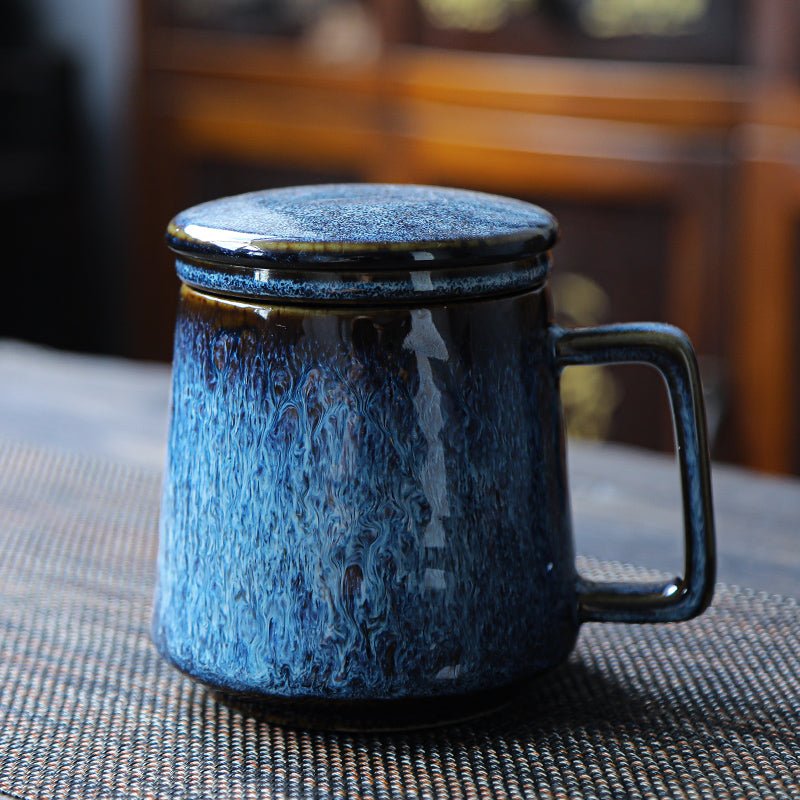
Customizable Coffee Mug Buying Guide: Size, Print, and Care
A practical guide to choosing a customizable coffee mug: what size fits your routine, which materials and print methods hold up, and what to check before you order for gifts, desks, and daily use.
Per saperne di più
Commenta
Questo sito è protetto da hCaptcha e applica le Norme sulla privacy e i Termini di servizio di hCaptcha.