
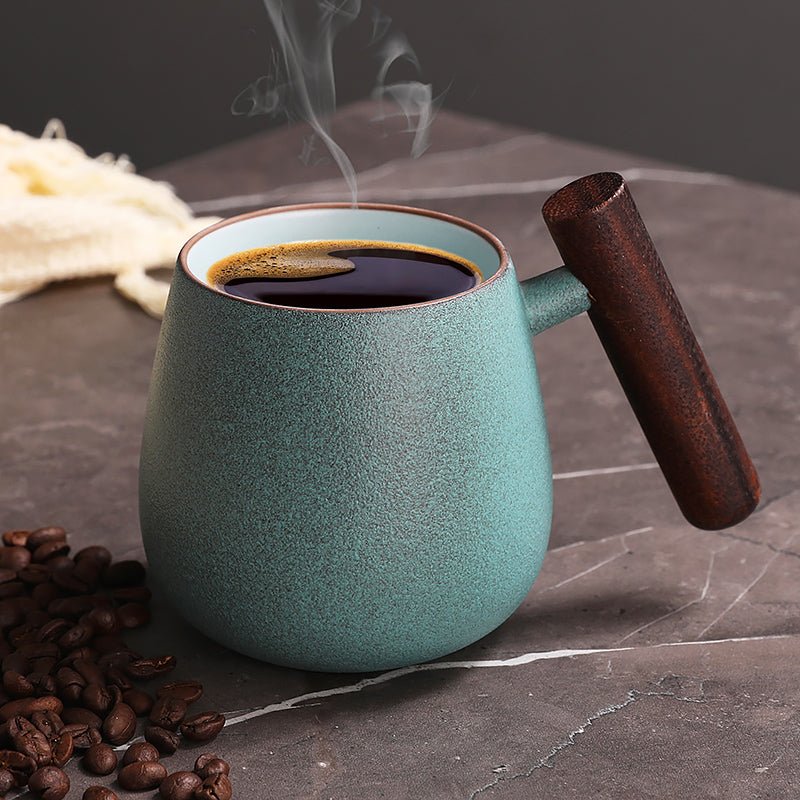
Coffee Mug Is How Many Ounces? Real Sizes and Buyer Tips
Reading time: about 8 minutes
A mug that says 12 oz on the listing can still feel smaller once you pour coffee and leave room for milk, foam, or just a safer grip near the rim. We see that mismatch all the time in our store, especially from shoppers comparing a desk mug, a gift mug, and an everyday kitchen mug.
If you want to compare styles while you read, start with The Cloud Coffee Tea Mug Wooden Handle, The Rock Coffee Tea Mug, and Morning Night Coffee Tea Mug. For a wider look at what we carry, browse our full collection.
So how many ounces is a coffee mug in everyday use?
Most coffee mugs sit somewhere between 8 and 16 fluid ounces. The most common everyday size we see is 11 to 12 oz, which usually works well for a standard drip coffee pour without feeling oversized on a kitchen counter or office desk.
The number on the product page usually refers to the mug's full capacity, measured close to the rim. That is not the same as the amount most people actually pour. In practice, many buyers fill a mug to about 80 to 90 percent so they can carry it safely, add milk, or avoid spills when walking from the machine to the table.
| Common mug size | What it feels like | Best use | Trade-off |
|---|---|---|---|
| 6 to 8 oz | Small, compact, close to a teacup feel | Espresso drinks, small pours, tea | Not ideal if you usually drink a full large coffee |
| 10 to 12 oz | Standard daily mug | Drip coffee, Americano, tea | Can feel too small for milk-heavy drinks |
| 14 to 16 oz | Roomy and heavier in hand | Large coffee, latte, hot chocolate | Takes more cabinet space and can get bulky |
| 18 to 20 oz | Very large mug | Long desk sessions, oversized pours | Too much for many people to finish hot |
If you have ever wondered why a mug labeled 12 oz does not look like a measuring cup, the answer is simple: mug design matters. Wall thickness, the curve of the body, and the way the handle sits all change the usable space. A straight-sided mug usually feels roomier than one with a tapered waist, even when the printed capacity is the same.
Why does a 12-ounce mug not always hold 12 ounces of coffee?
Because the listed capacity is a technical number, not a drinking recommendation. A ceramic mug can technically reach 12 oz at the rim, but most people do not fill that high. They leave headspace for movement, foam, cream, and heat control.
In our experience, three design details matter more than most shoppers expect:
- Wall thickness: Thicker stoneware or ceramic walls make the mug feel sturdy, but they reduce interior space slightly.
- Shape: A wide-open bowl style holds a lot visually, while a tapered body can look large but carry less than you expect.
- Handle placement: A handle attached high on the body can make the mug easier to grip, but it also changes how much room your thumb and fingers have around the cup.
We also check for the kind of defects that affect real use, not just photos. Common issues include a slightly uneven base that makes the mug rock on a desk, hairline glaze cracks around the handle join, rough spots on the foot ring, or a handle that feels too narrow for larger hands. Those are the details that turn a pretty mug into an annoying one.
If you are comparing this topic from another angle, our guides How Many Ounces Is a Coffee Mug? Real Sizes and Buyer Tips and How Many Ounces Is a Regular Coffee Mug? Buyer Guide break down the same question with more sizing examples.
Which mug size fits your coffee habit best?
The right size depends less on what sounds standard and more on what you actually pour on a weekday morning. A mug that works for black drip coffee may be the wrong choice for a latte. A large mug that feels generous at noon can be too heavy for a quick espresso-based drink.
Use this as a practical shortcut:
- Choose 8 oz if you drink espresso, a small cappuccino, or tea and like a tighter, more controlled pour.
- Choose 10 to 12 oz if you want a true everyday mug for drip coffee, Americano, or a standard office refill.
- Choose 14 to 16 oz if you add milk, want extra room for foam, or prefer one large serving instead of two smaller ones.
- Choose 18 oz or more only if you really use oversized mugs and do not mind the extra weight and cabinet space.
There are trade-offs. A bigger mug is not automatically better. Larger cups can cool more slowly in some cases, but they also take longer to finish and can feel awkward in one hand. Smaller mugs look refined and are easier to store, but they are not the best pick if you refill coffee constantly through the morning.
That is why our buyers often compare the mug shape first, then the ounce count second. A mug with a wooden handle, like The Cloud Coffee Tea Mug Wooden Handle, may suit someone who wants a lighter grip and a more decorative table presence. A heavier-feeling mug such as The Rock Coffee Tea Mug points toward a sturdier daily cup. If you want a style that fits both morning coffee and an evening tea break, Morning Night Coffee Tea Mug is the kind of everyday shape shoppers compare for desk and home use.
What should you check before you buy a mug online?
Photos help, but they do not tell the full story. We always recommend checking the listing details that affect how the mug will actually live in your kitchen, office, or gift box.
- Listed capacity: Look for the ounce count, but remember it usually means rim-full volume.
- Material: Ceramic, porcelain, and stoneware all feel different in the hand. Stoneware tends to feel heavier; porcelain often feels lighter and finer.
- Care instructions: If the mug has a wooden handle or mixed materials, hand washing is usually safer than sending it through frequent dishwasher cycles.
- Base and balance: A flat, even foot ring helps the mug sit cleanly on a desk or counter.
- Handle comfort: Make sure the handle opening fits your fingers if you plan to use the mug every day.
For mugs used at home, dishwasher convenience matters. For mugs with natural wood parts, repeated soaking and high heat can shorten the life of the finish. If you care about durability, that is not a small detail. It is the difference between a mug you use daily and one that starts looking tired after a few washes.
If you want a second perspective on size names and what buyers mean by "standard," the article How Many Ounces in a Coffee Mug? Real Sizes and Buying Tips is useful next reading.
What mug size works for coffee, tea, and milk-based drinks?
Different drinks ask for different mug shapes. This is where size stops being a generic number and starts being a buying decision.
- Black coffee: 10 to 12 oz usually feels right. You get enough volume without turning the mug into a bowl.
- Latte or cappuccino: 12 to 16 oz gives you room for milk and foam without a spill risk.
- Tea: 8 to 12 oz is often the sweet spot, especially if you prefer a mug that warms quickly in the hand.
- Hot chocolate: 14 oz and up works well if you want a relaxed, oversized serve.
- Office refill mug: 12 to 16 oz is practical if you do not want to keep walking back to the coffee machine.
For shared kitchens and gift purchases, the safest choice is usually a medium-size mug with a simple shape. It is the least polarizing size. Very small mugs feel deliberate but not universally useful. Very large mugs can be a hassle for people who prefer a short pour or do not want a heavy cup on a laptop desk.
Frequently asked questions
Is a coffee mug usually 8 oz or 12 oz?
Both sizes are common, but 12 oz is closer to the everyday standard we see most often. An 8 oz mug is smaller and feels more like a tea cup or a compact coffee cup. If you drink a typical drip coffee, 12 oz usually gives you a more comfortable serving.
Does 12 oz mean the mug holds 12 oz of coffee?
Not exactly. The listed number usually means full capacity to near the rim, not the amount you should pour for normal use. Most people leave some space at the top, so the practical amount is a bit less.
What size mug is best for a latte?
A 12 to 16 oz mug is usually the better range for lattes because it leaves room for milk and foam. If you like a larger milk-to-coffee ratio, 16 oz can feel more comfortable. For smaller, stronger drinks, 12 oz is often enough.
Are larger mugs better for everyday coffee?
Not always. Larger mugs are useful if you drink long pours or add a lot of milk, but they can feel bulky and take up more shelf space. A medium mug is usually the most practical choice for most kitchens.
How do I know if a mug will be comfortable to hold?
Check the handle opening, the mug's weight, and the listed material. A sturdy ceramic mug can feel great, but if the handle is tight or the body is too wide, it gets uncomfortable fast. If you have larger hands, a mug with a deeper handle opening usually works better.
If you are ready to compare by style instead of guessing by ounce count, use our full collection as a side-by-side starting point and check the listed capacity, material, and care notes before you choose.
Read more
Papa Bear Coffee Mug: What to Check Before You Buy
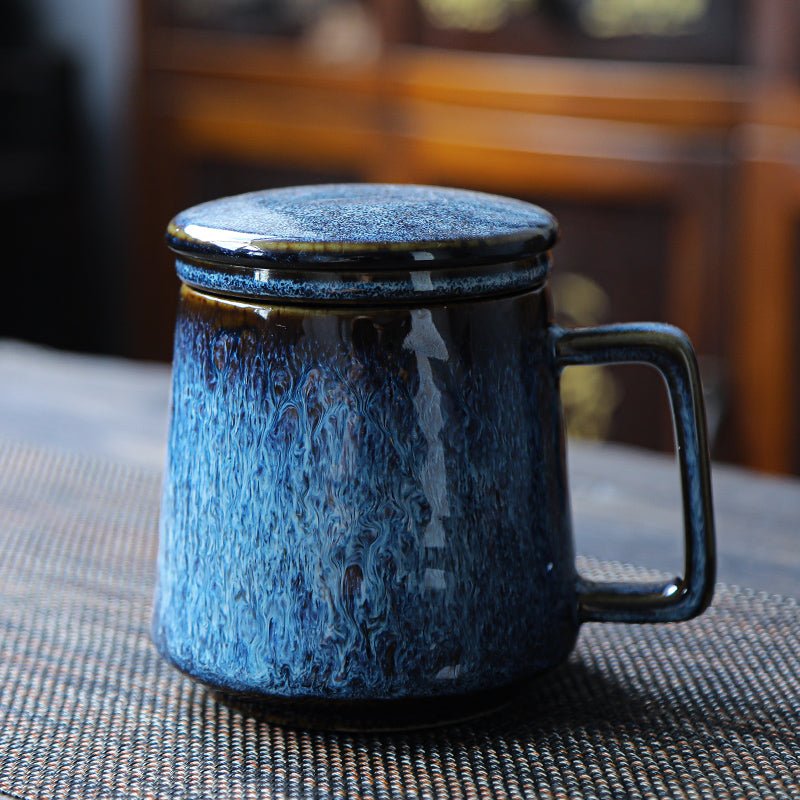
A papa bear coffee mug should feel solid in the hand, easy to rinse, and comfortable enough to use every morning. We compare size, shape, care, and gift fit so you can pick a mug that works on a ki...
Per saperne di più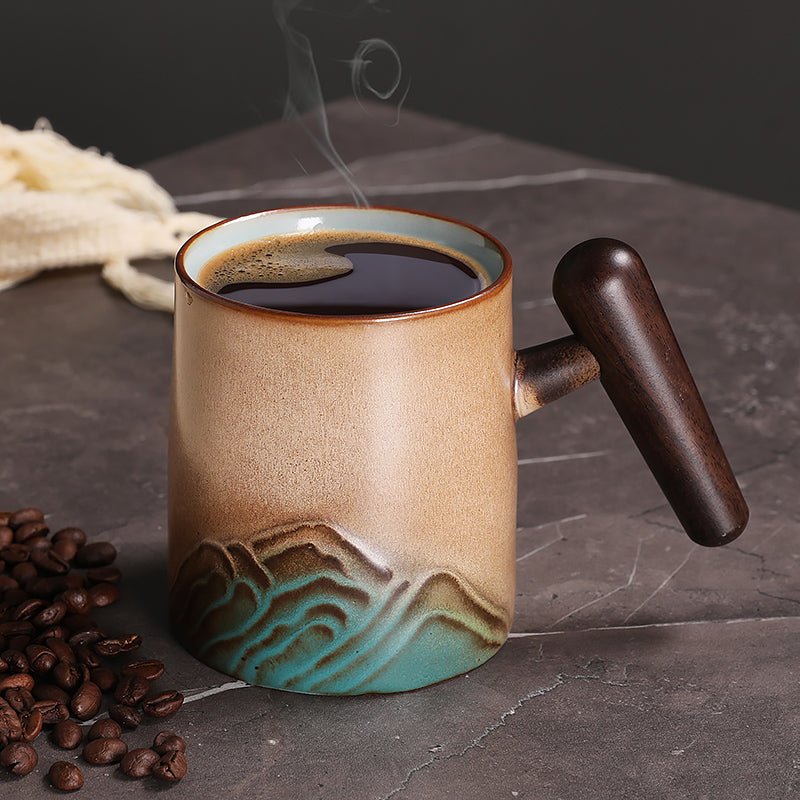
Titanium Coffee Mug Buying Guide: What Matters Before You Buy
A titanium coffee mug makes sense if you want something light, packable, and corrosion-resistant. We break down the details that matter, the trade-offs that get missed, and when a ceramic mug is th...
Per saperne di più
Commenta
Questo sito è protetto da hCaptcha e applica le Norme sulla privacy e i Termini di servizio di hCaptcha.